
Television series
Unabomber - In His Own Words
- Serial killer
- Very dark
A four-part documentary series that uses Kaczynski's own writings, letters, and archived interviews to map the intellectual and psychological trajectory of America's most infamous domestic terrorist. It's investigative journalism that takes its subject seriously without endorsing him, examining how a brilliant mathematician became a killer. For viewers interested in the intersection of ideology, psychology, and violence.
Should you watch it?
Watch it if you like true-crime documentaries built from the subject's own words, where the unsettling part is how calmly a mind rationalises itself rather than a tidy hunt for the culprit.
Skip it if you need a procedural with plot momentum, since this is talky and archival, leaning on a man's own ideology for stretches that many viewers will find wearing or repellent.
What it asks of you: Roughly three hours across four episodes, deliberate and dense, with a grim subject you must keep your attention on rather than a gradual, pleasant build.
Not sure? Find tonight's pick in a minute.
If you liked this
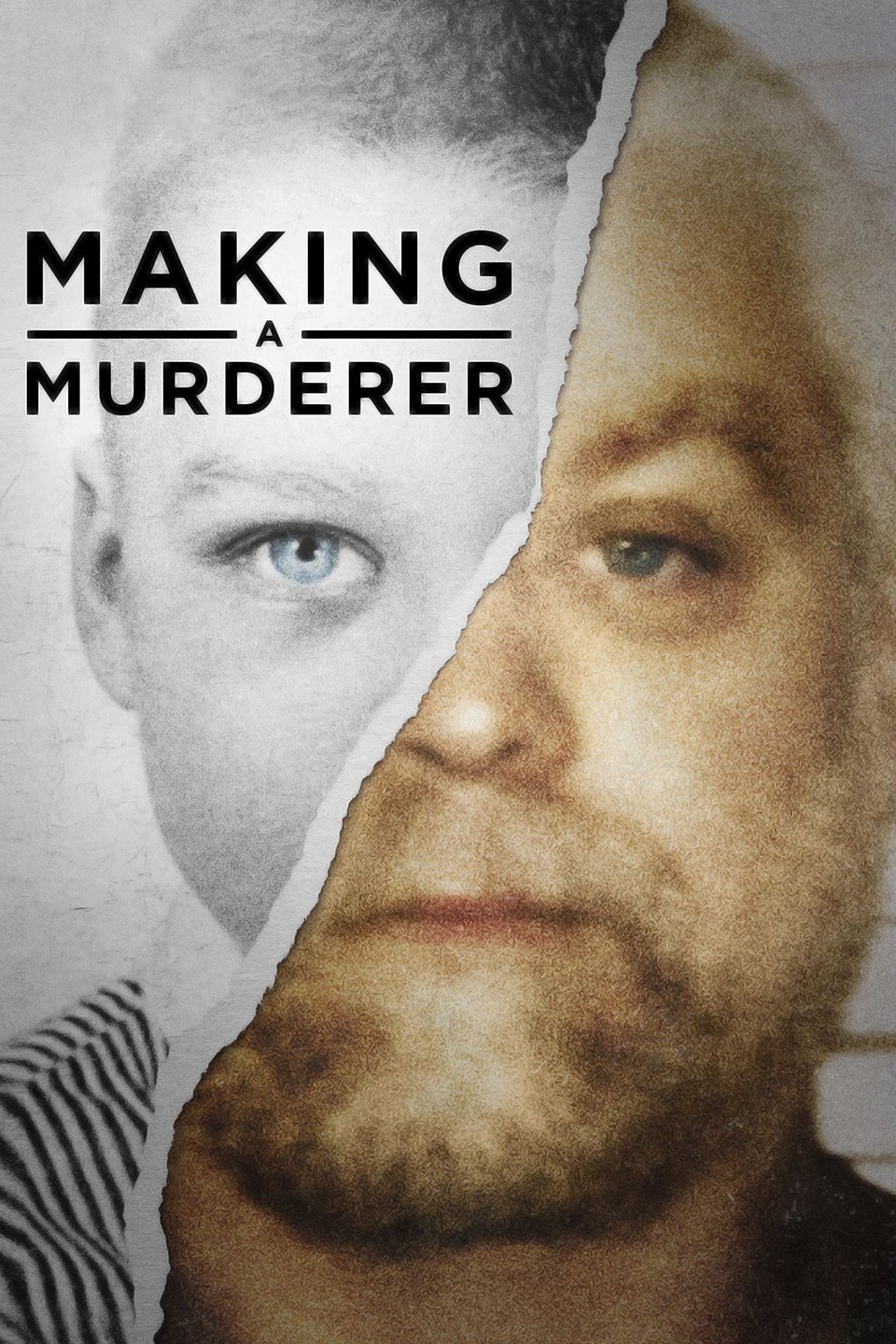
Making a Murderer2015
A landmark true-crime series that questions the reliability of evidence and the pressure on investigators to close cases. It's methodical, genuinely unsettling, and makes you reconsider what you think you know.
But The narrative can feel manipulative in hindsight, and some have criticized its one-sided portrayal of the accused.
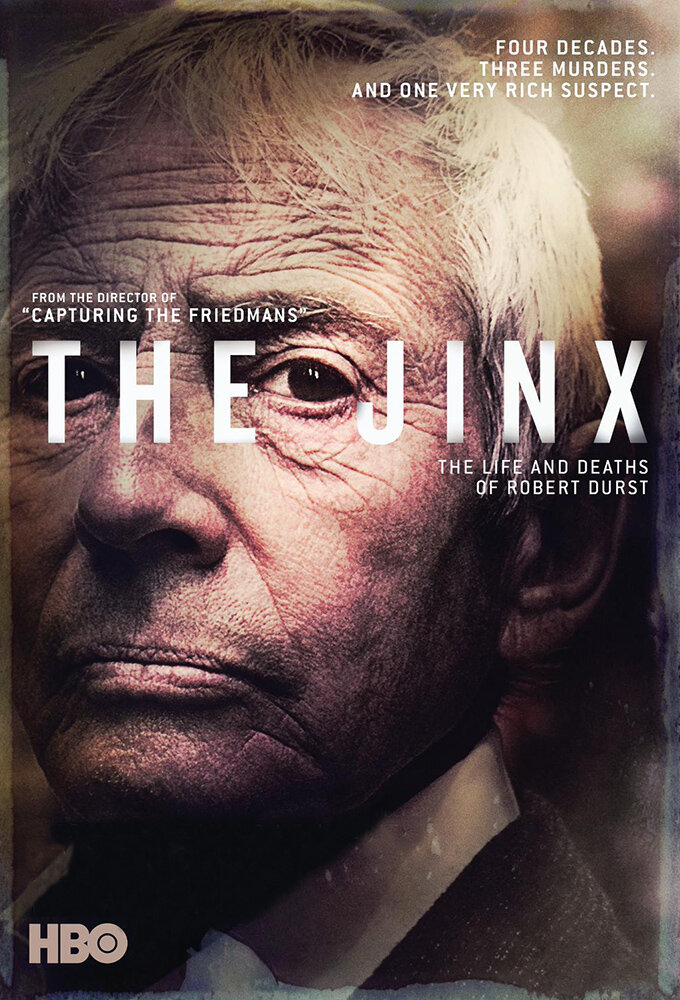
The Jinx: The Life and Deaths of Robert Durst2015
Andrew Jarecki's haunting six-part investigation of a wealthy man suspected in multiple murders. Durst's own words—candid, bizarre, damning—do much of the work. It's hypnotic.
But The series sprawls and occasionally prioritizes narrative momentum over clarity. The ending feels incomplete because the case itself remains unresolved.
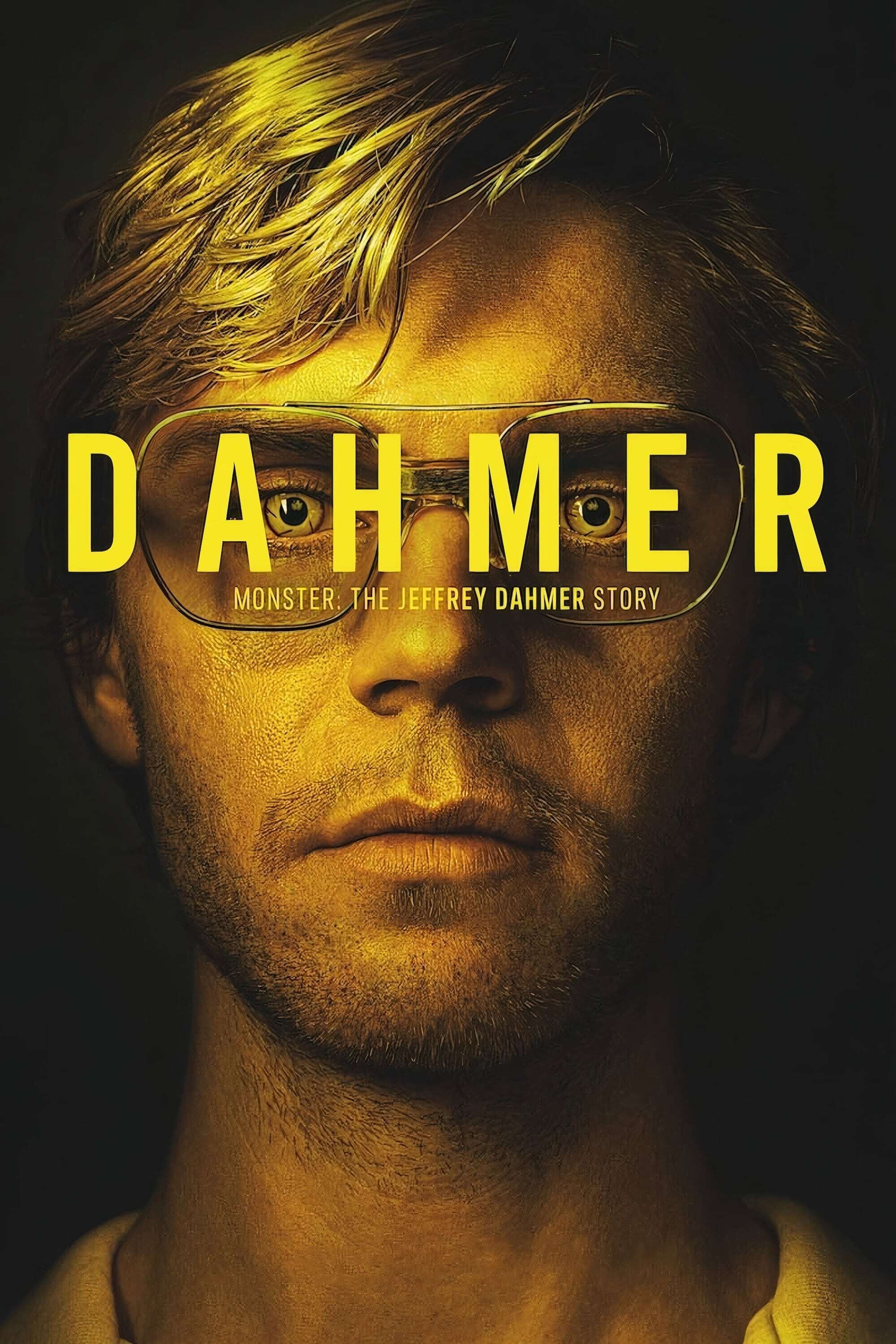
DAHMER - Monster: The Jeffrey Dahmer Story2022
Ryan Murphy's dramatization combines meticulous crime detail with the human cost—the victims, the negligent authorities, the community that was failed. It's devastating and necessary.
But It's graphic and relentless. Some viewers find Murphy's aesthetic sensibility—the design, the music—feels incongruent with the material's horror.
Not sure tonight? Get a pick in a minute, starting from Unabomber - In His Own Words
The wildcard
Something you would not have found on your own.
My Brother's Keeper2020
Both use archived materials and subject testimony to examine how brilliant people—or systems—can become convinced of certainty without evidence. Both ask: who profits from conviction?
A four-part HBO series about a murder conviction based almost entirely on a single piece of evidence—a jailhouse informant. It's tightly constructed and quietly furious.
But The access is limited to the defense perspective, which limits balance. Some viewers want more courtroom detail.
More like this (8)
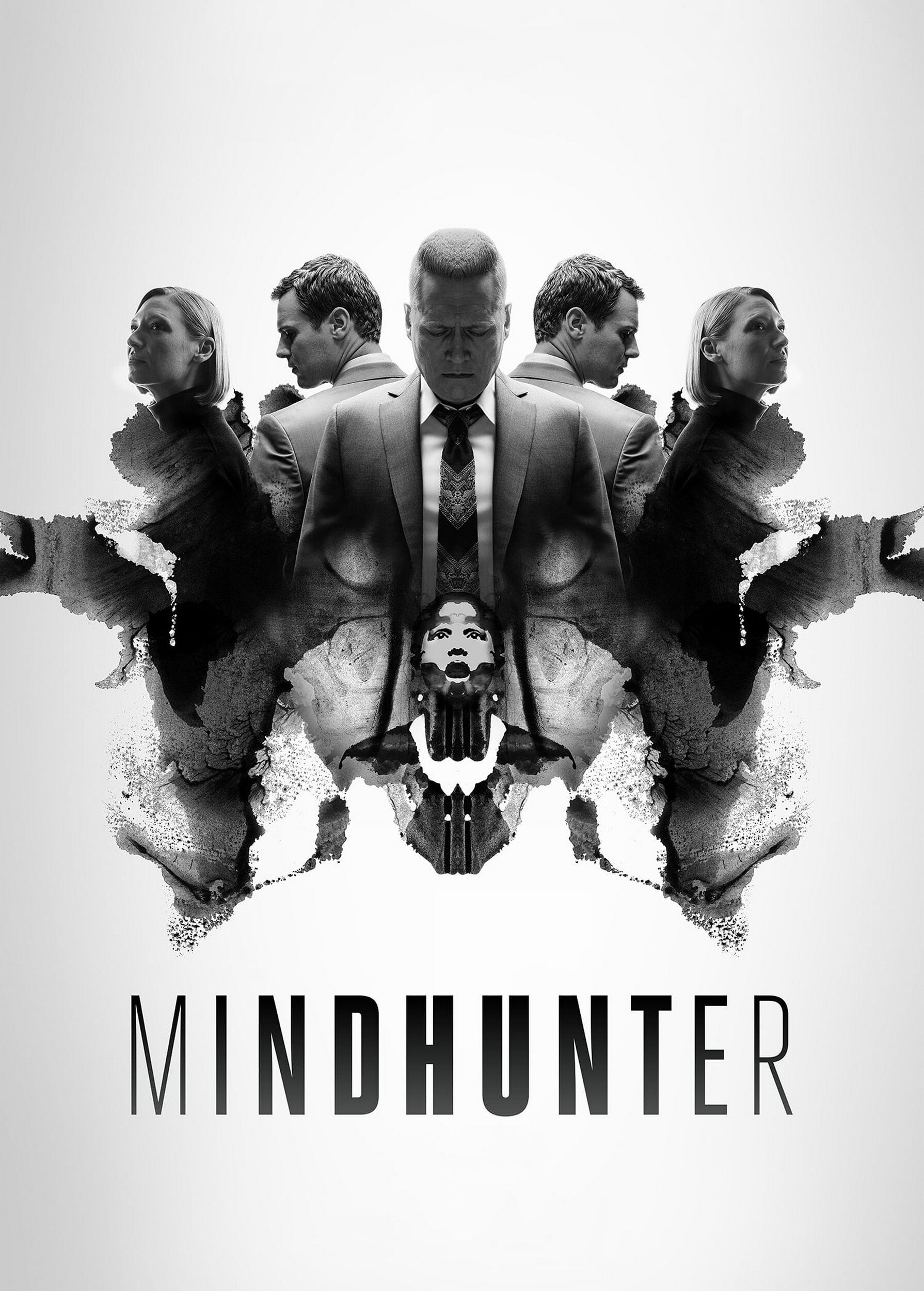
MINDHUNTER2017
Fincher's series about the birth of criminal profiling follows investigators interviewing imprisoned killers, including brief scenes with Kaczynski himself. It's cerebral procedural work, beautifully shot.
But The second season loses focus and the show was cancelled unresolved. Also, it's slow; patience is mandatory.
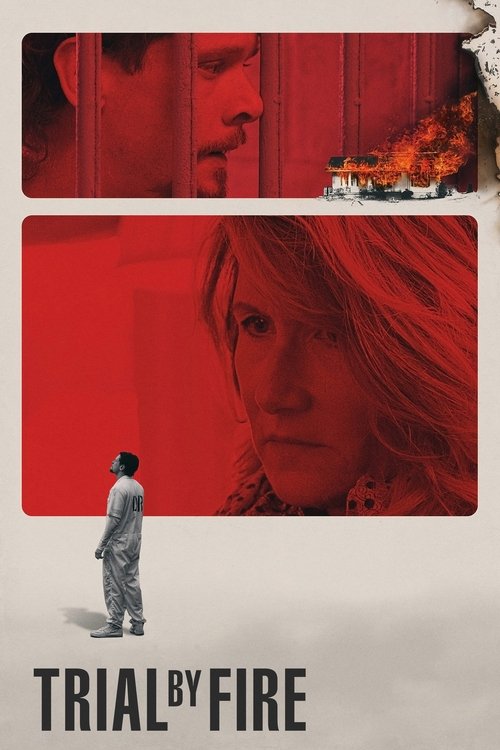
Trial by Fire2019
A meticulous film about a Texas man convicted of murder based on flawed arson science. It examines how conviction—false certainty—can coexist with reasonable doubt.
But It's a quiet legal drama without much plot momentum. Some find the pacing glacial.
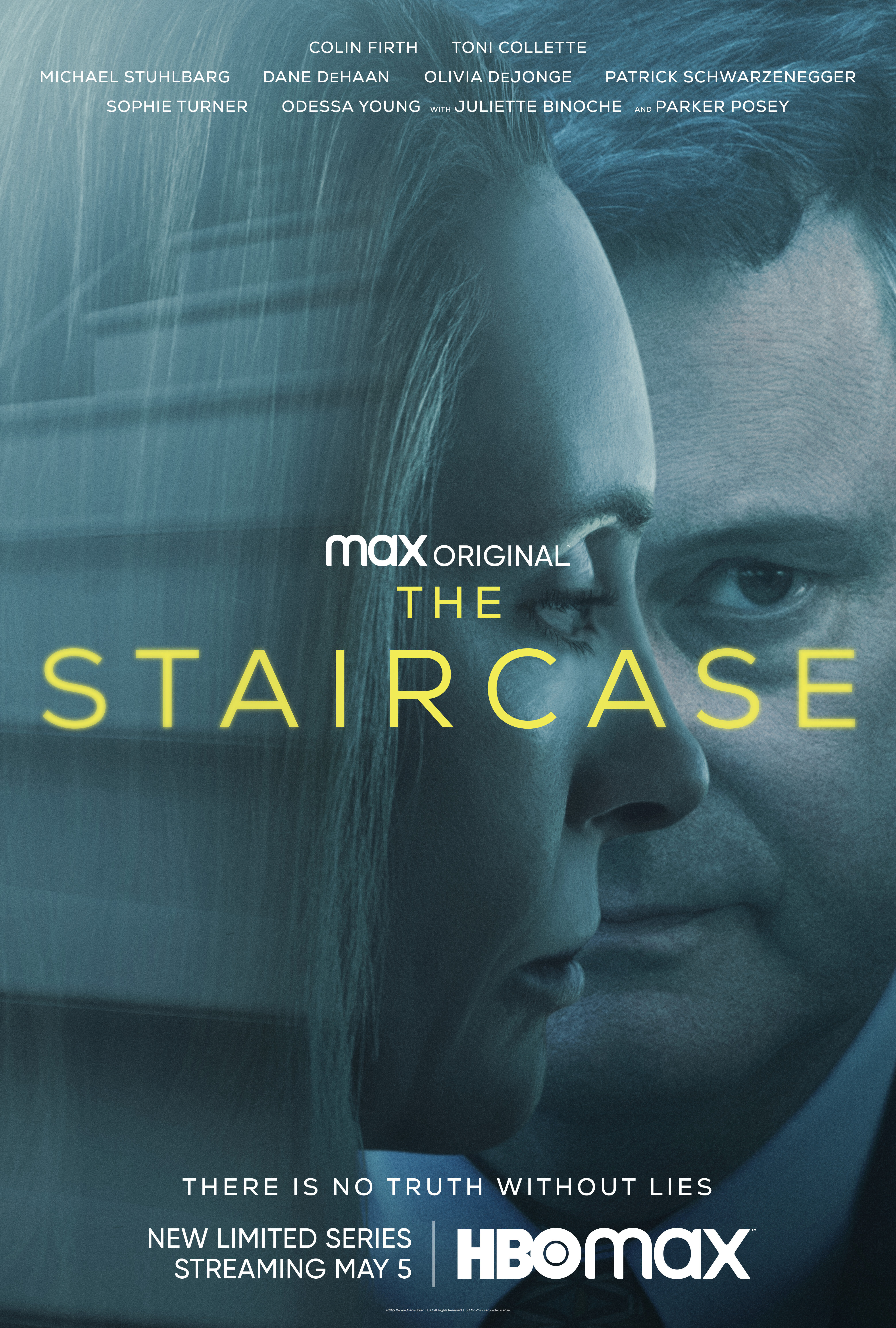
The Staircase2022
An HBO limited series about a man accused of murdering his wife, with access to his family and legal team. The filmmaking is first-rate and the case genuinely ambiguous.
But It's long and occasionally digressive. The owl theory becomes a distraction rather than illumination.
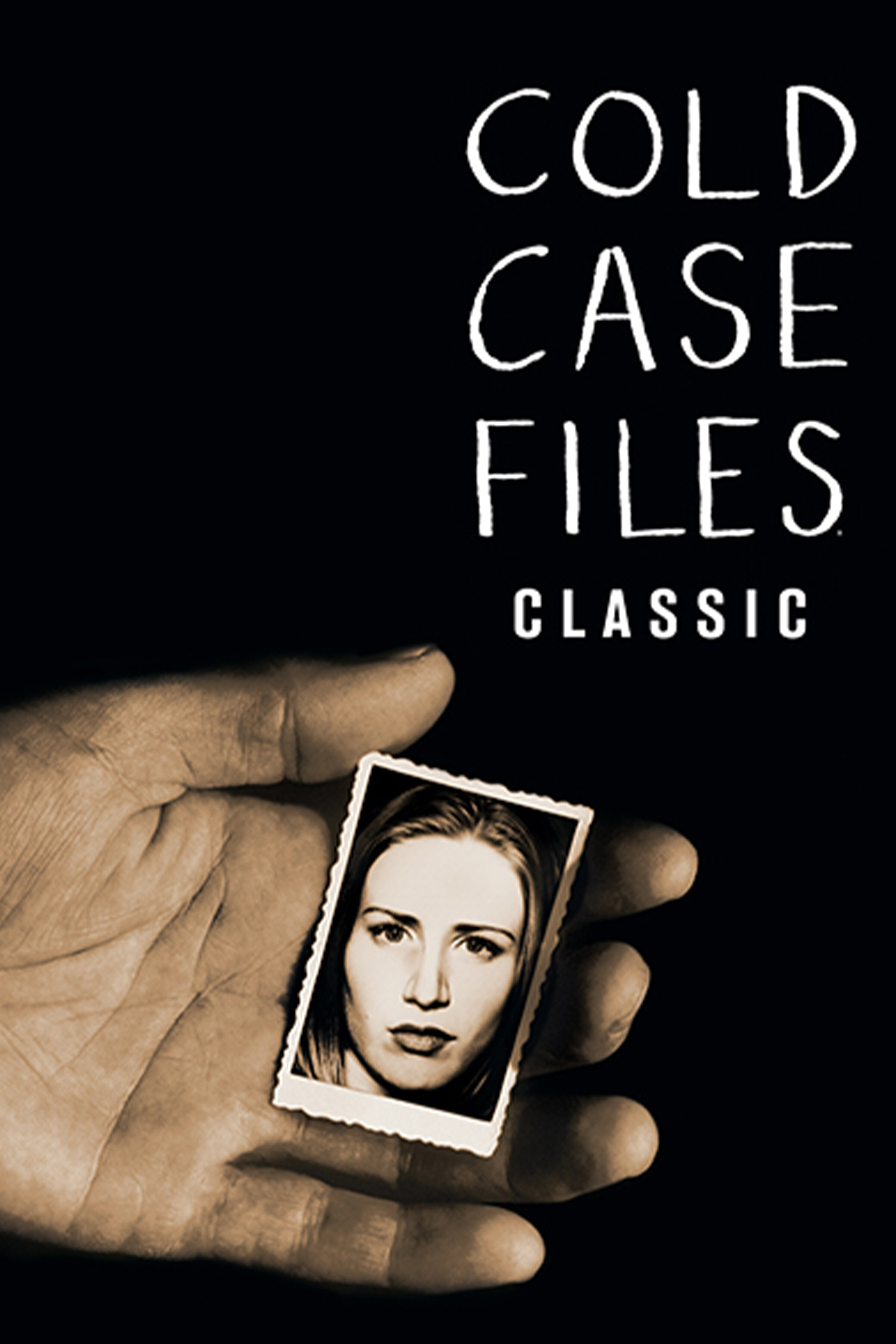
Cold Case Files1999
A straightforward, well-produced series where investigators revisit unsolved crimes. It's procedurally satisfying and often succeeds in solving real cases.
But The formula is repetitive and some episodes are more compelling than others. It lacks the narrative sophistication of modern true crime.
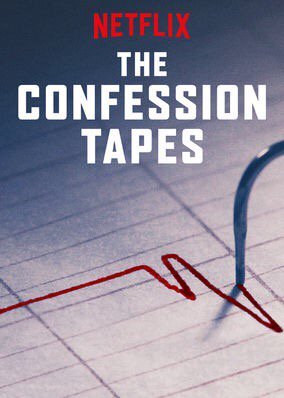
The Confession Tapes2017
A documentary series examining wrongful convictions built on coerced confessions. Each episode is a tight investigation into how innocent people came to admit crimes they didn't commit.
But Some cases are more clearly exonerating than others, which can feel uneven. A few episodes venture into conspiracy thinking.
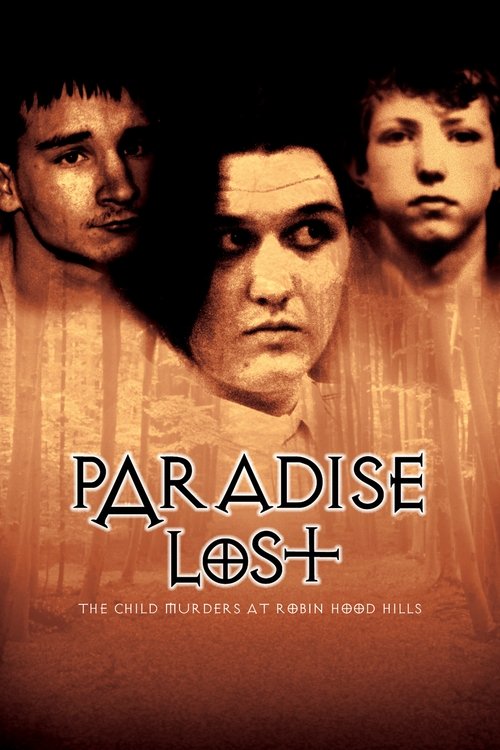
Paradise Lost: The Child Murders at Robin Hood Hills1996
An essential documentary about three teenagers convicted of murder with minimal evidence. It's a blueprint for understanding how community panic and tunnel vision create injustice.
But It's nearly three decades old and shot on video stock from that era. The picture quality reflects that age.
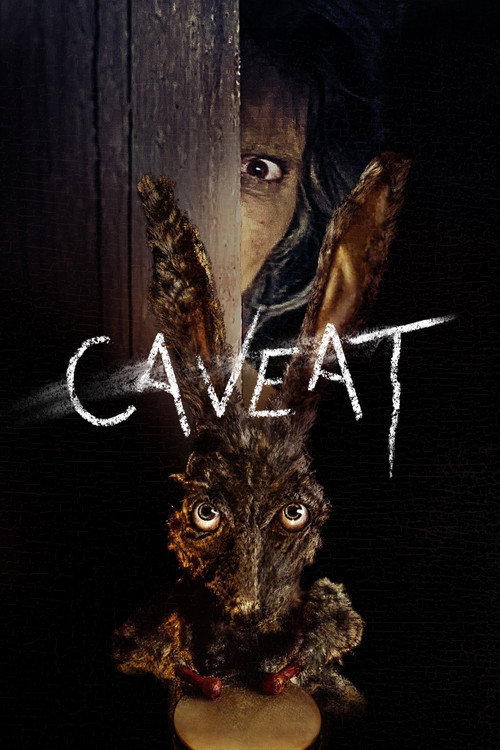
Caveat2021
Like Kaczynski, the film is fascinated by ideology and belief—how people construct meaning from fragments, and how that meaning can become dangerous. Both resist easy interpretation.
A lo-fi folk-horror film about a man hired to protect a girl on an island. It's eerie, genuinely unnerving, and built entirely on mood and absence rather than explanation.
But It's deliberately obscure and refuses to clarify its own logic. If you need plot coherence or answers, this will infuriate you.
The Act of Killing2012
Both documents examine how ideology justifies atrocity, and both use the subject's own words and self-presentation as primary evidence. Both ask whether understanding a killer's rationale requires some form of complicity.
A staggering documentary where Indonesian death-squad leaders reenact their own murders for the camera. It's a philosophical investigation into how perpetrators construct narratives that allow them to live with themselves.
But It's deeply disturbing and its method—giving killers a platform—will strike some as morally questionable. The runtime is two-and-a-half hours.
