
Film
Trial by Fire
A deliberate, devastating film about Cameron Todd Willingham, a man executed in Texas despite credible evidence of his innocence. Director Sean Penn builds the story through meticulous detail and human connection, asking not whether he was guilty but what we've built a system that allowed us to be so certain. For viewers drawn to questions of justice, evidence, and the cost of certainty.
Should you watch it?
Watch it if you want a patient, procedural injustice story where the slow buildup of doubt, courtroom detail and a stubborn fire investigation matter more than plot twists.
Skip it if you need momentum from a thriller; this is sombre, talky and often grinding, with long stretches of testimony and legal argument that stall rather than build.
What it asks of you: Two hours and seven minutes of unhurried, mostly grey attention, with the dread built through quiet scenes rather than shocks.
Not sure? Find tonight's pick in a minute.
If you liked this
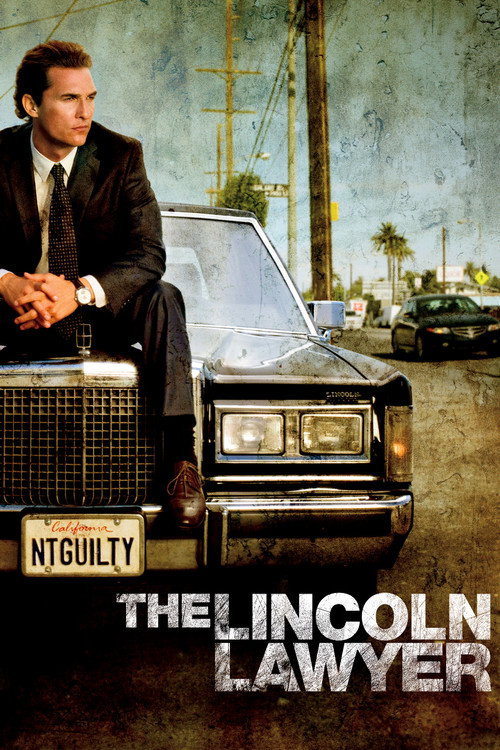
The Lincoln Lawyer2011
Focuses on another wrongful murder conviction in Oklahoma, following the path from conviction through exoneration with equal precision and grief. A natural companion piece that shows the pattern, not the exception.
But Longer and bleaker. No redemptive arc. It can feel like watching the same machine break another life.
Spotlight2015
Shares Trial by Fire's architectural patience: how to show institutional failure through careful, unglamorous reporting. Both trust the audience to feel the weight of accumulated details.
But More procedural, less emotionally intimate. You're in the newsroom, not the condemned cell.

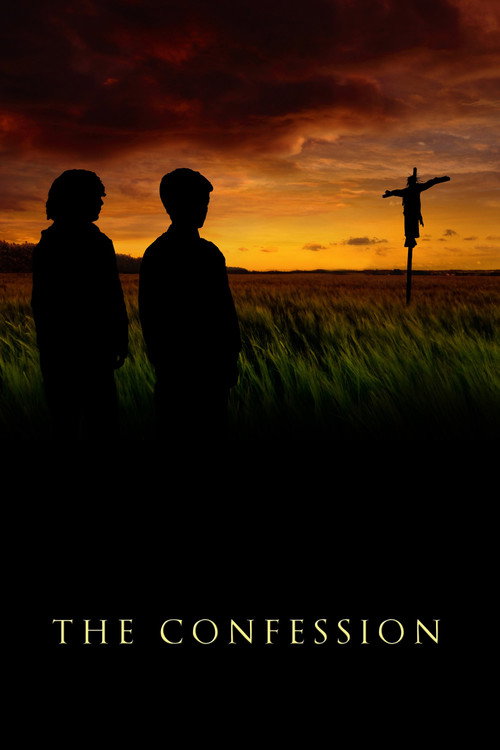
The Confession2010
Another Sean Penn film about justice misfiring, this one about a wrongful murder conviction defended by a priest. Explores how good people can be trapped by systems designed to fail them.
But Less tightly constructed. The emotional payoff doesn't quite match the moral seriousness.
Not sure tonight? Get a pick in a minute, starting from Trial by Fire
The wildcard
Something you would not have found on your own.
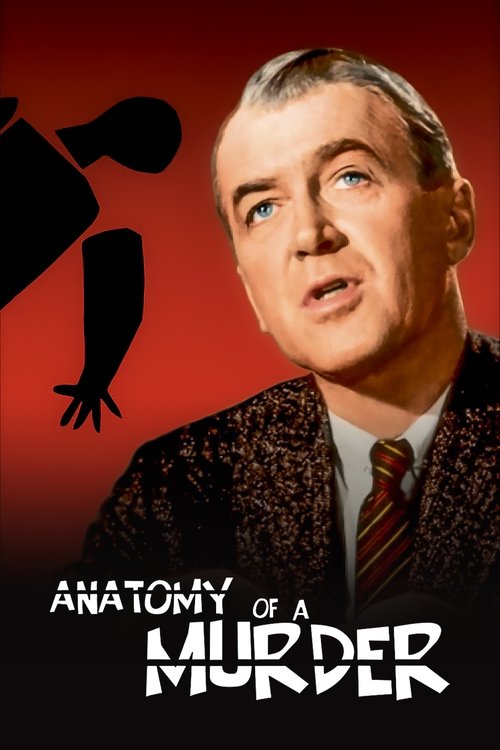
Anatomy of a Murder1959
Both films argue that evidence is not truth, and systems designed to find truth can instead hide it. Both show the machinery of law grinding toward the wrong answer despite honest people in the room.
A courtroom film from 1963 that understands the gap between truth and what can be proven in court. The evidence is there; the interpretation is everything. Otto Preminger shows how the system works against clarity.
But Courtroom procedural from an earlier era. Pacing is deliberate to the point of formality; the gender politics are of their time.
More like this (7)
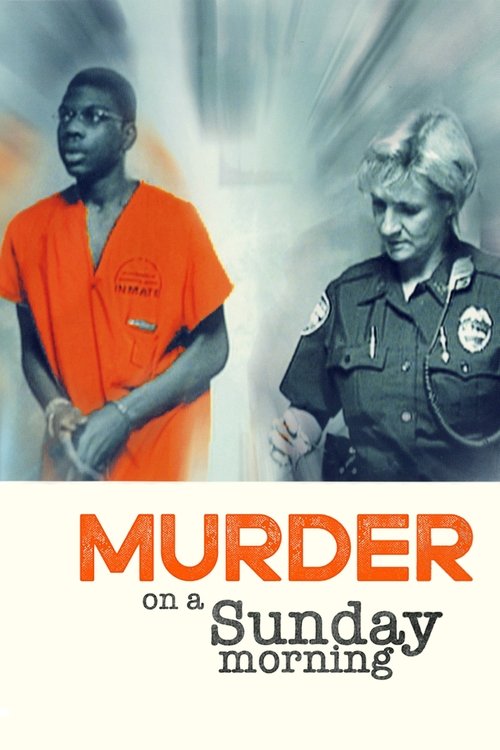
Murder on a Sunday Morning2001
Documentary following a murder trial in real time. You see the machinery grind without narration. Raw, unadorned record of how a young man nearly dies for a crime he didn't commit.
But The lack of crafted structure means some scenes feel slack. Won't grip you like a narrative film.
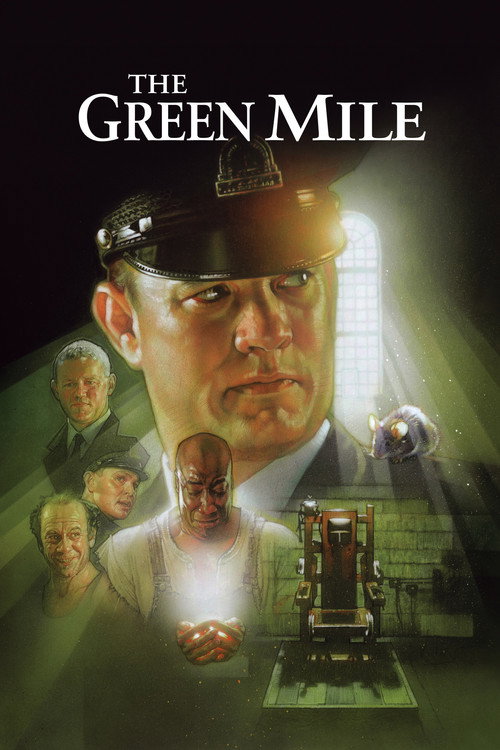
The Green Mile1999
A death row story that uses magical realism to ask whether an innocent man can be executed. Different register from Trial by Fire, but the same fundamental argument about what we owe to the condemned.
But The fantastical elements are divisive. Some find them transcendent; others find them sentimental.
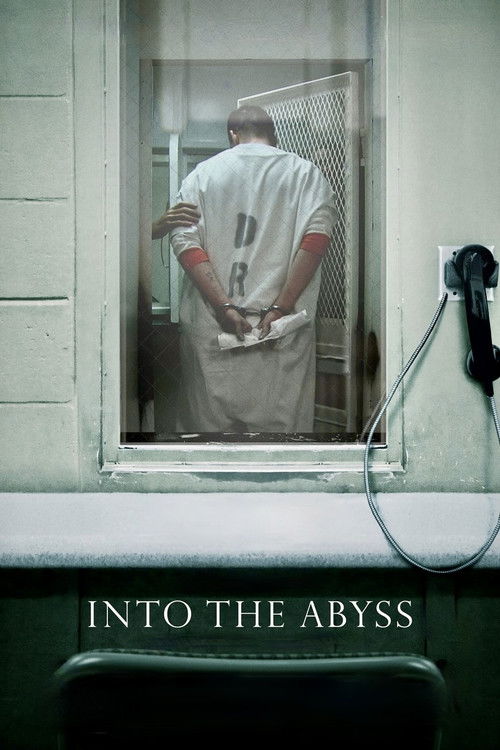
Into the Abyss2011
Herzog's documentary about a death row inmate. No agenda; just Herzog sitting with the condemned and asking quiet questions. Unbearably human.
But Glacially paced. The lack of conventional documentary structure requires patience.
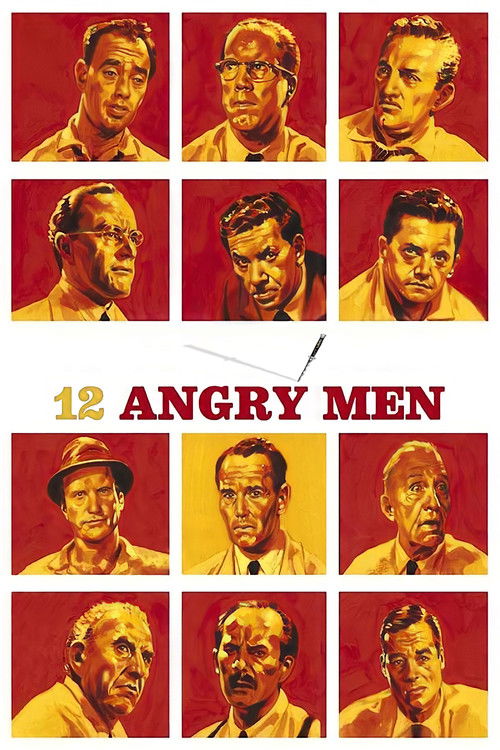
12 Angry Men1957
The original jury-room argument film, still unmatched. Not about innocence but about what reasonable doubt means and who gets to decide. Essential to any conversation about justice.
But Very much a play. The single room, the debate-heavy dialogue—it's talky in a way that predates modern pacing.
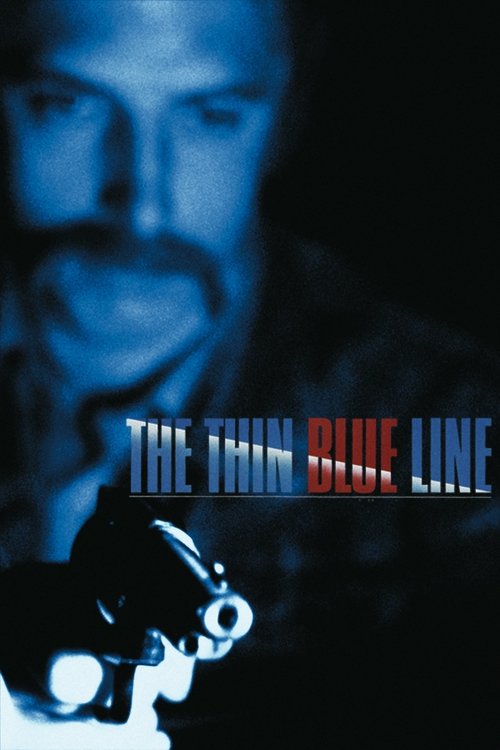
The Thin Blue Line1988
Errol Morris's breakthrough: an innocent man in prison for murder, told through ingenious visual reconstruction. Helped free Randall Dale Adams. Proof that cinema can matter.
But The aesthetic is 1988; some find the stylization distancing. Also assumes you care about documentary form.
Swallow2020
Both are about a person the system has already condemned, and what happens when they refuse the role assigned to them. Both suggest that the machinery of judgment—legal or domestic—is designed to protect itself, not to see clearly.
A woman imprisoned by her own body and her husband's indifference slowly gathers agency and rage. Like Trial by Fire, it's about being trapped in a system that has decided what you are and won't listen. The register is intimate rather than political, but the argument is identical.
But Bleak and body-horror-tinged. Not a courtroom story; more like a psychological thriller about powerlessness. The ending divides people sharply.

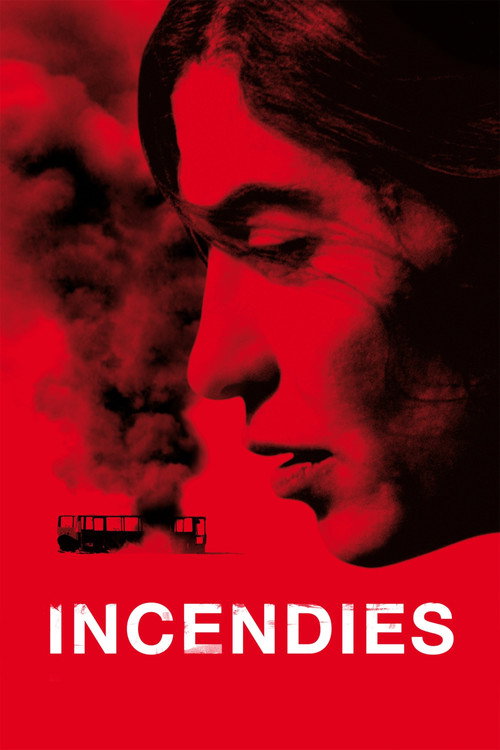
Incendies2010
Both reject the idea that certainty is the same as justice. Both suggest that the system of judgment—whether courtroom or family—operates on false narratives that feel protective but are actually destructive. Both argue against finality.
Denis Villeneuve's devastating inquiry into whether a mother's crimes justify her children's suffering. Not a legal proceeding, but an excavation of what 'innocence' means when everyone's hands are bloody. Shatters the binary thinking that Trial by Fire questions.
But Non-linear, slow-reveal structure that frustrates some viewers. Deals with maternal trauma, suicide, and Middle Eastern conflict. Punishing film that demands you sit with discomfort.
People
Cast
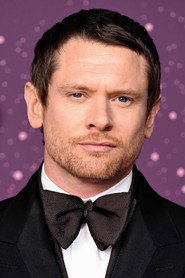 Jack O'ConnellCameron Todd Willingham
 Laura DernElizabeth Gilbert
 Emily MeadeStacy Willingham
 Jade PettyjohnJulie Gilbert
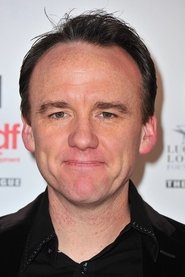 David Wilson BarnesReaves
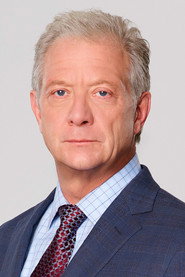 Jeff PerryGerald Hurst
 Rhoda GriffisDarlene
 Blair BomarSandy
 McKinley Belcher IIIPonchai
 Catherine CarlenAbigail
 Noah LomaxAndrew
 Whitney GoinMyrtle
Directing
- Edward ZwickDirector
- Tomas DeckajFirst Assistant Director
- Amber HarleyScript Supervisor
- Melissa RosalSecond Assistant Director
Writing
- David GrannAuthor
- Geoffrey S. FletcherScreenplay
Production
- Caitlin McKennaADR Voice Casting
- Matthew MaistoCasting
- Victoria ThomasCasting
- Elizabeth BrownCasting Associate
- Kathryn DeanExecutive Producer
- Marshall HerskovitzExecutive Producer
- Kalas PendergraftExtras Casting
- Alex SorosProducer
- Allyn StewartProducer
- Edward ZwickProducer
- Kipp NelsonProducer
Recommended by
Unabomber - In His Own Words, Jury Duty, The Good Fight, Jeffrey Epstein: Filthy Rich