Television series
The Motive
- Cold-case mystery
- Crime
- Drama
- Very dark
A gripping Israeli documentary that revisits a shocking 1985 family murder through interviews with the now-adult perpetrator and those closest to it. Tali Shemesh and Asaf Sudri construct a mystery that resists easy answers, asking whether understanding trauma excuses violence—or whether some acts remain inexplicable no matter how deeply you dig. Essential viewing about the limits of empathy.
Should you watch it?
Watch it if you want a patient, forensic true-crime puzzle that treats a family killing as a question of memory and evidence rather than a shocking spectacle.
Skip it if you need brisk pacing or clean answers, since it moves slowly through a grim family history and rarely lightens up.
What it asks of you: Four episodes of roughly 36 minutes each make for a short evening, but each one unfolds slowly and expects you to sit with heavy silences and unresolved doubt.
Not sure? Find tonight's pick in a minute.
If you liked this
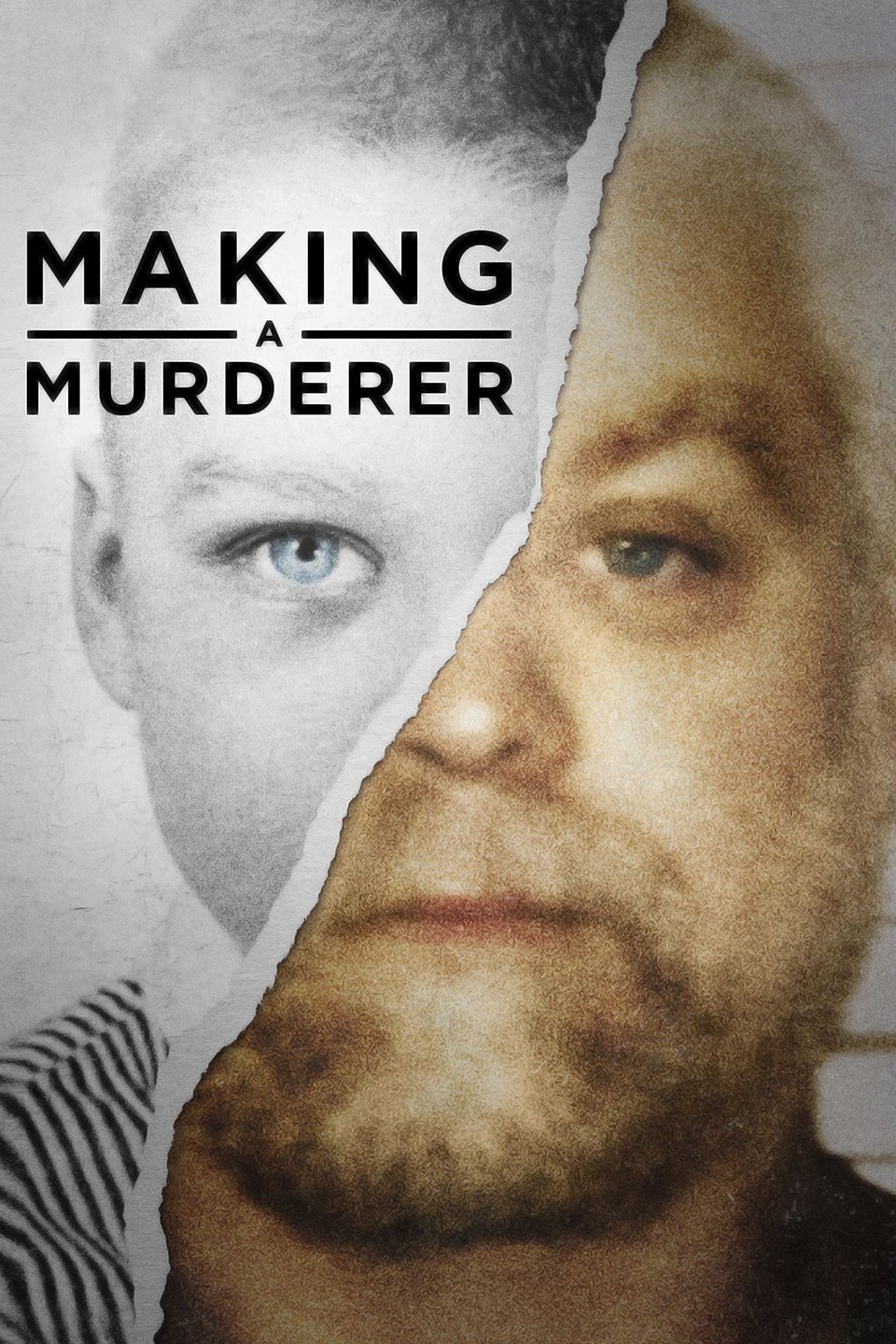
Making a Murderer2015
Two seasons of meticulous investigation into a Wisconsin murder conviction, with the filmmakers slowly revealing how justice can be corrupted by confirmation bias and institutional pressure. Hypnotic and infuriating.
But The narrative manipulations are eventually obvious once you've read the criticism; it can feel like you're being played as much as the system played its subjects.
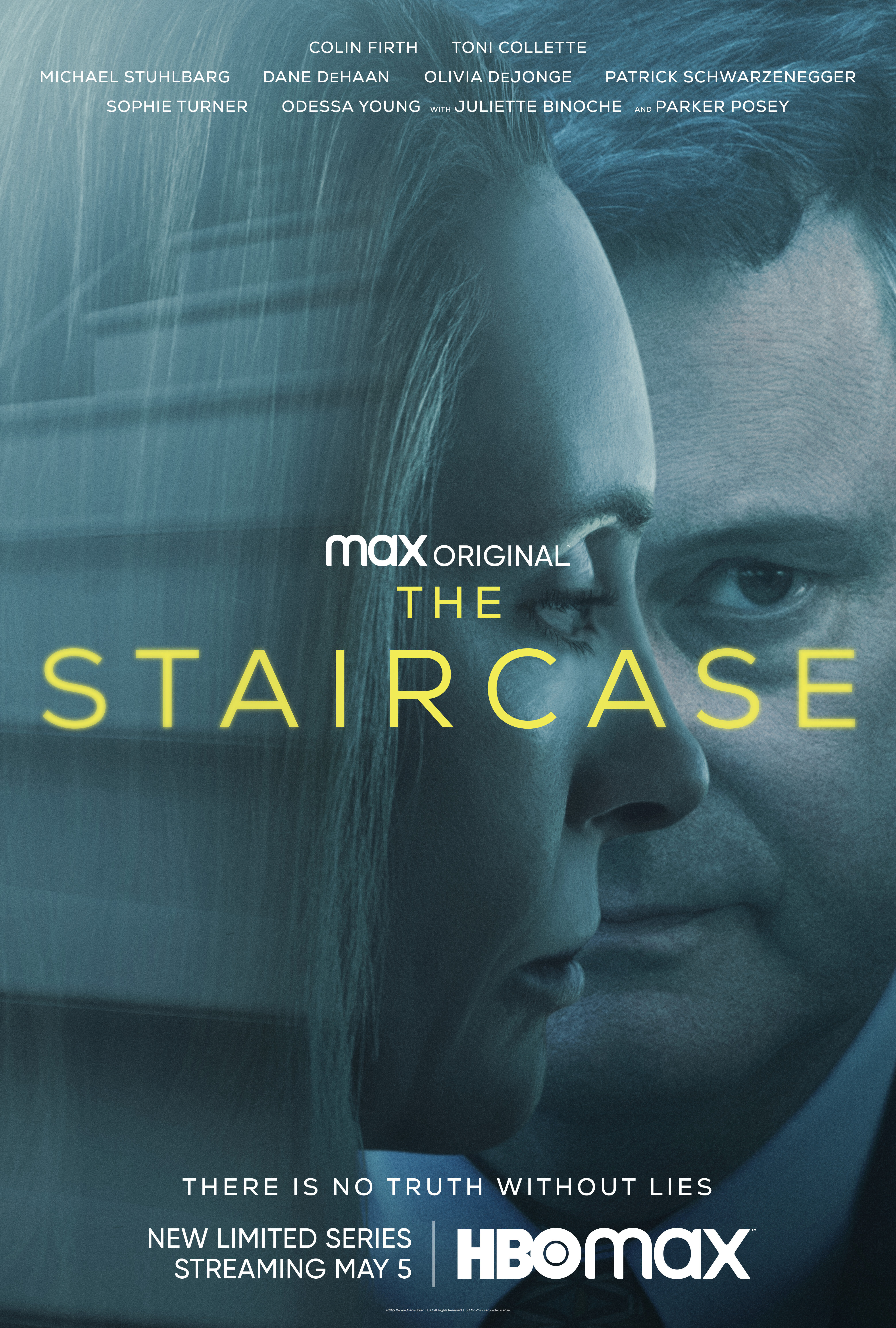
The Staircase2022
Jean-Xavier de Lestrade's documentary-turned-HBO-series about a man convicted of murdering his wife. It's a masterclass in how evidence can be read two completely different ways, and how the camera itself becomes part of the story.
But Eighteen hours is a lot to invest, and the later HBO episodes dilute the original documentary's focused power.
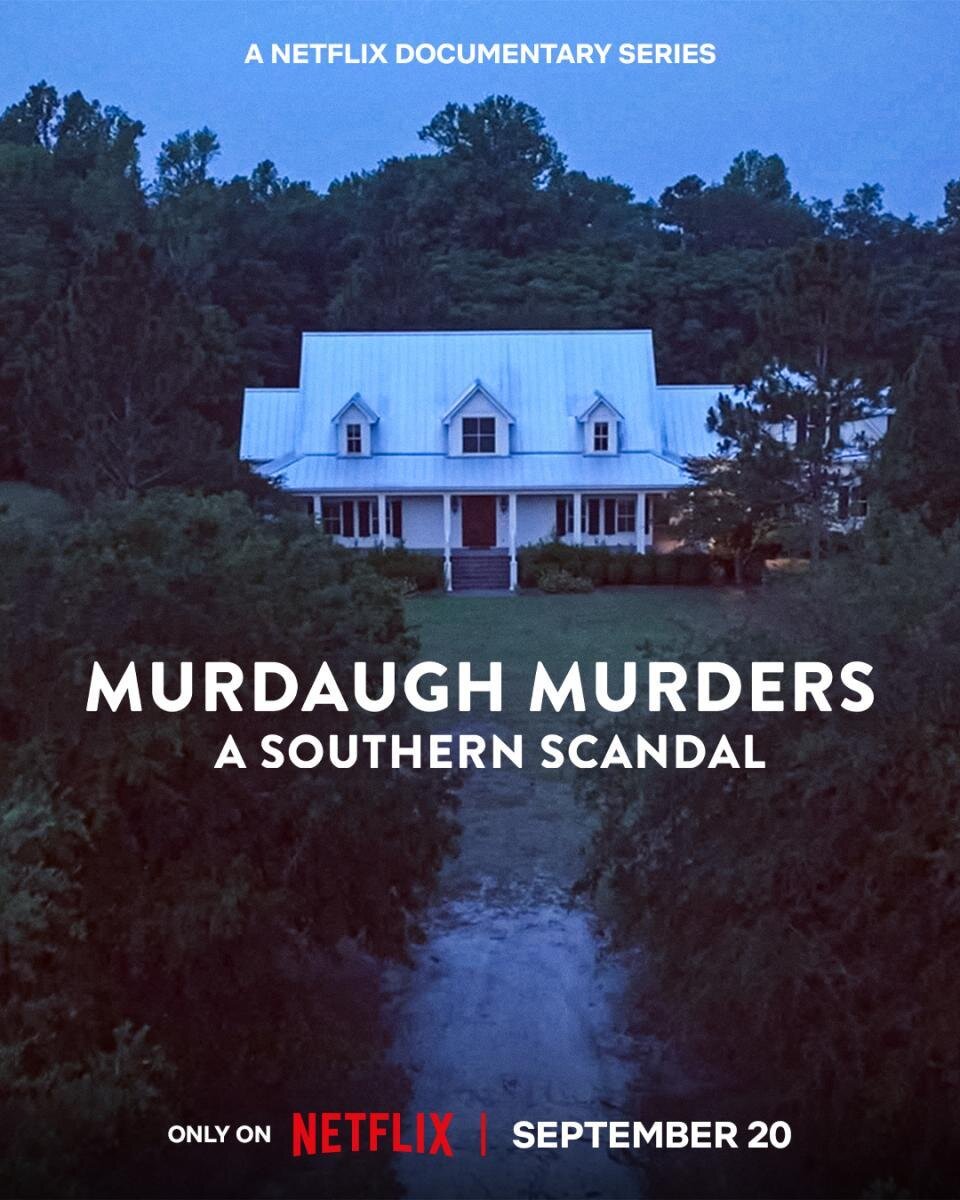
Murdaugh Murders: A Southern Scandal2023
A recent, perfectly paced true-crime series that excavates how a powerful family's decades of crime went unpunished until a murder forced reckoning. Bizarre, sad, and genuinely surprising.
But It's caught up in active legal proceedings, so some resolutions feel unfinished and the stakes less contained than a completed case.
Not sure tonight? Get a pick in a minute, starting from The Motive
The wildcard
Something you would not have found on your own.
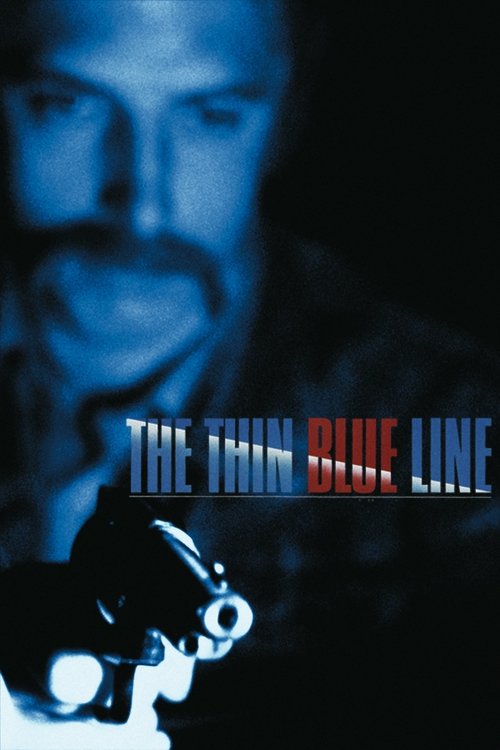
The Thin Blue Line1988
Both films believe understanding isn't the same as absolution. They use close examination of past testimony and trauma to ask whether context excuses action—and both refuse easy answers.
Errol Morris' 1988 documentary used stylized reenactments and Phillip Glass' hypnotic score to solve a murder conviction, establishing that documentary could be art first and journalism second. It freed the form.
But The reenactments feel dated now, deliberately theatrical in a way modern true-crime audiences find artificial; it's more interested in style than comfort.
More like this (7)
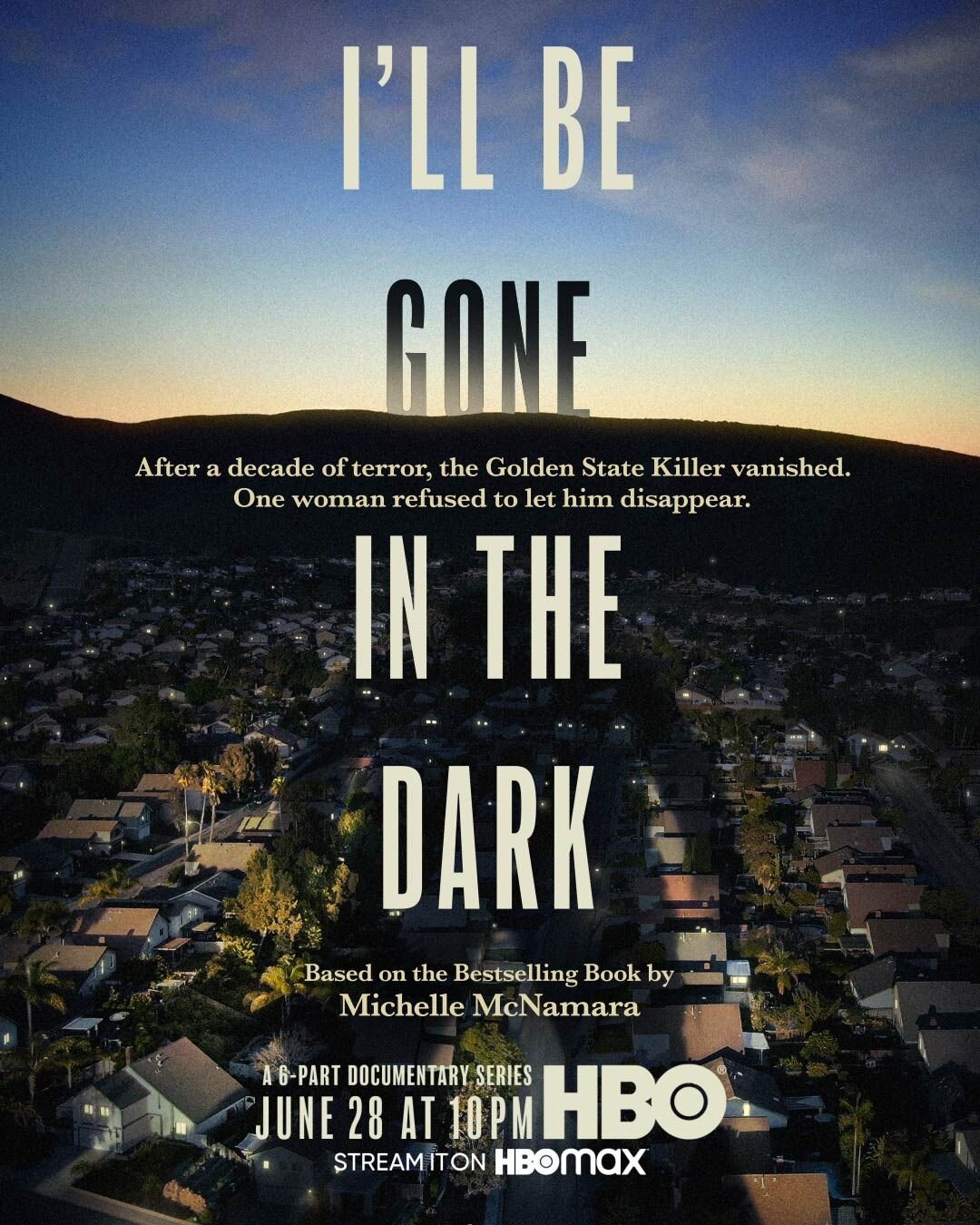
I'll Be Gone in the Dark2020
Michelle McNamara's obsessive hunt for a serial killer becomes a meditation on how obsession itself can damage you. Both mystery and portrait of a mind refusing to let go.
But The killer's capture happens outside the investigation, which some viewers find anticlimactic; the second half shifts focus in ways that upset true-crime purists.
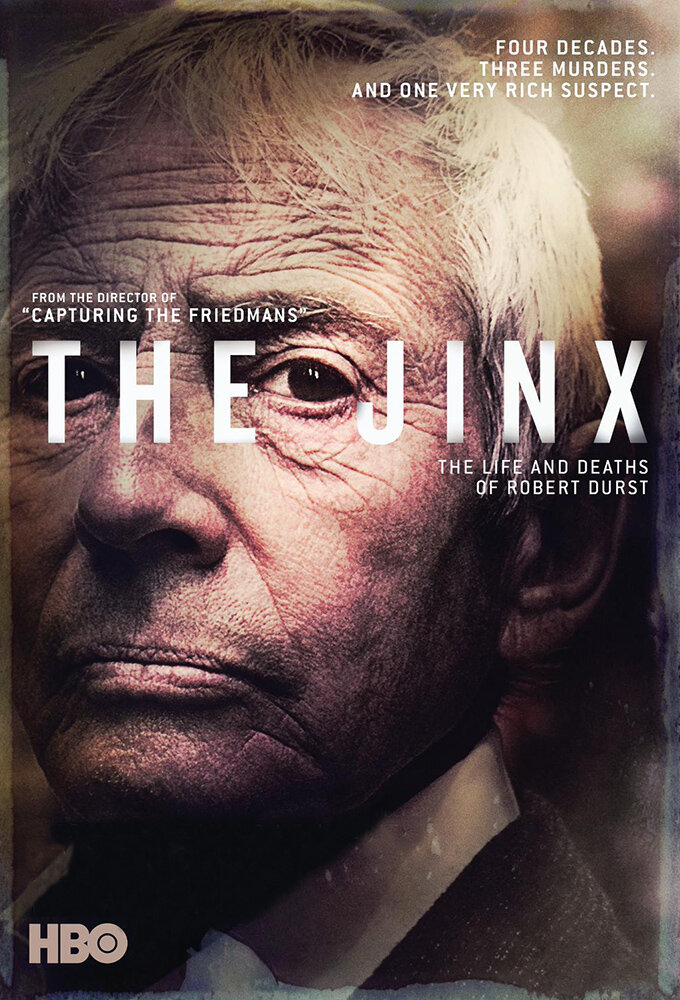
The Jinx: The Life and Deaths of Robert Durst2015
A seven-part series that builds toward one of documentary's most perfect moments of confession. Brilliant editing, patient investigation, and a subject who cannot help but incriminate himself.
But The finale's legal ambiguity bothers viewers who need closure; some of the earlier segments meander before the story tightens.
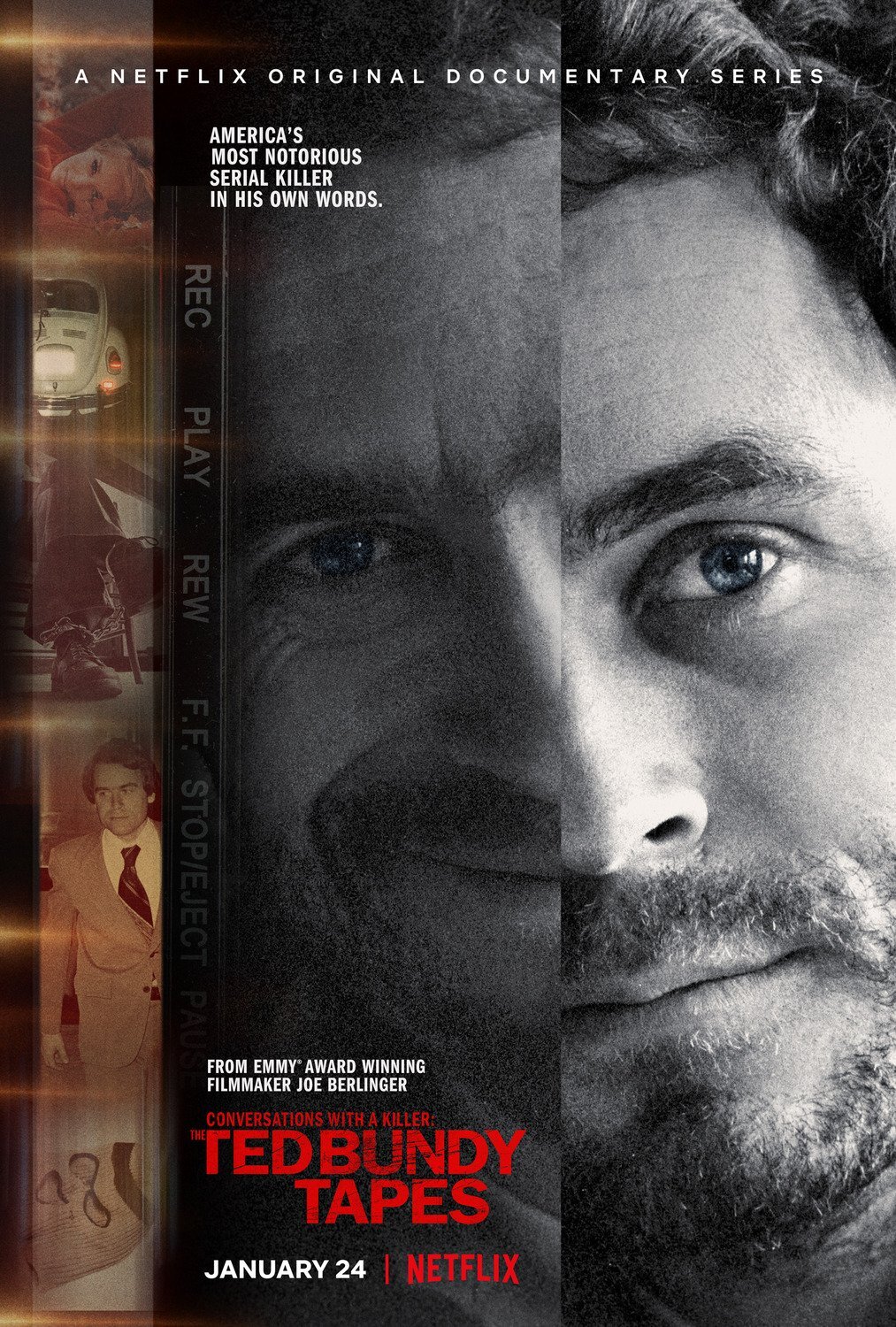
Conversations with a Killer: The Ted Bundy Tapes2019
Joe Berlinger's four-part series uses Bundy's own recorded interviews to let him think he's being understood while the contradictions in his story become obvious. Intelligent manipulation of a manipulator.
But Bundy's charm is seductive by design; viewers often leave the series feeling uncomfortably sympathetic toward someone who absolutely does not deserve it.
The Keepers2017
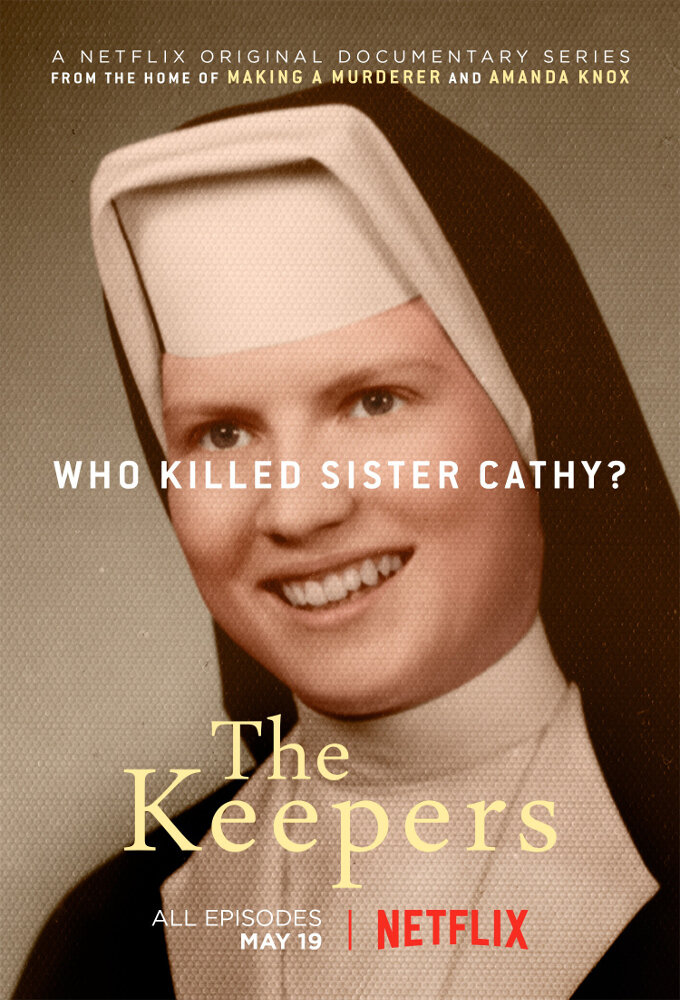
A seven-part investigation into a nun's murder in 1960s Baltimore, which opens outward to reveal institutional abuse and cover-up. More than a murder mystery—it's a reckoning.
But The investigation spans decades and jurisdictions; the narrative can feel scattered, and the eventual answers are less satisfying than the questions raised.
Abducted in Plain Sight2017
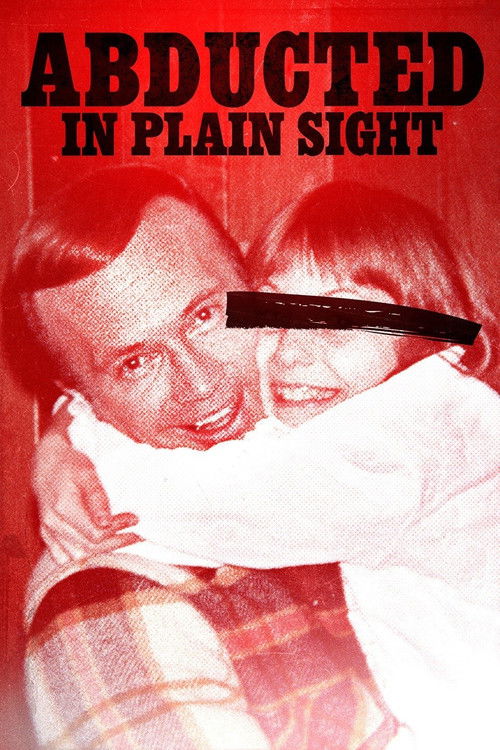
A shocking story of a child abduction where the family's decisions are so baffling they reframe what you think you know about grooming, trust, and protection. Brief, intense, disorienting.
But The core subjects remain largely sympathetic despite making choices that seem impossible to defend; it can play as victim-blaming even when it doesn't intend to.
Spotlight2015
Both are investigations of how systems protect their own. The Motive asks if understanding an individual's trauma absolves them; Spotlight asks if institutions can ever truly be held accountable for what they knew.
A brilliant procedural about journalists uncovering institutional crime. It's about the grinding work of investigation, not revelation—how you move from whispers to proof to accountability.
But It's a conventional drama, not a documentary; the emotional beats are manufactured rather than discovered, and some viewers find the restraint distant.

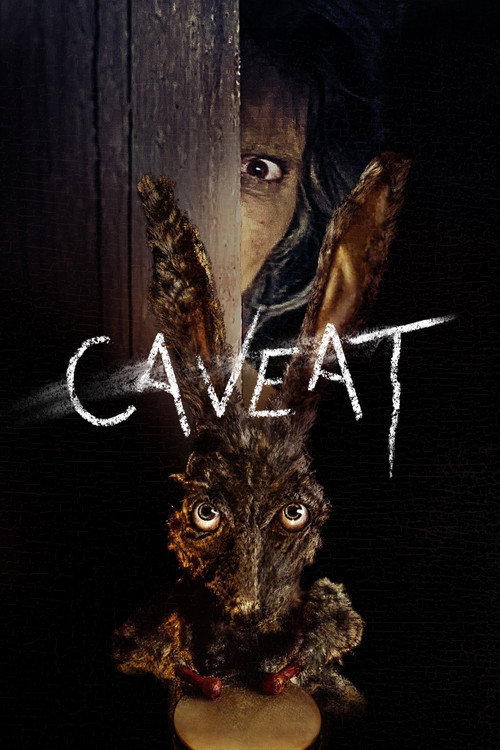
Caveat2021
Both use fragmentation and refusal of easy answers to approach violence in families. Where The Motive uses documentary precision, Caveat uses dream-logic—but both suggest that understanding trauma sometimes means surrendering the need to make it coherent.
A nightmarish Irish folk-horror film about a man hired to retrieve a girl from an island. It feels like watching someone's fractured memory or guilty dream—fragmented, symbolic, deeply unsettling.
But It's abstract and refuses plot clarity; if you need narrative logic and linear storytelling, this will frustrate you into anger.