
Film
Sator
- Supernatural horror
- Dark fantasy
- Very dark
Sator is a haunting folk-horror film about a fractured family in remote isolation, stalked by an ancient supernatural presence. Shot with deliberate strangeness and dread, it prioritizes atmosphere over explanation—all backwards dialogue, unsettling ritualism, and creeping dread. It's for viewers who prize unease over jump scares and don't need neat answers.
If you liked this
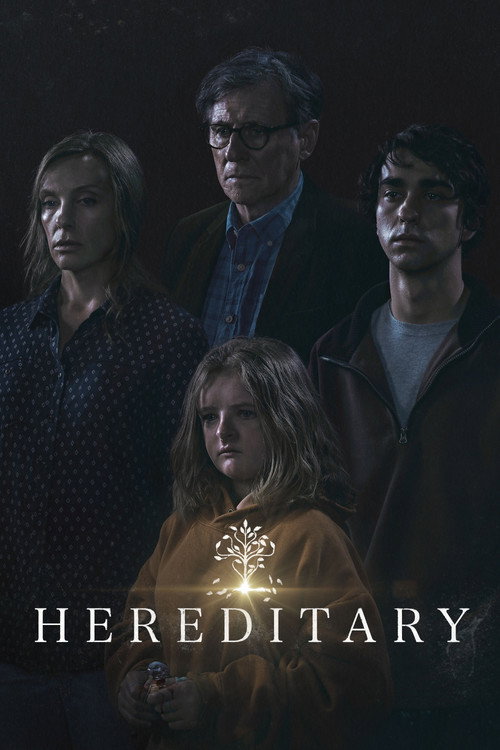
Hereditary2018
A family is devastated by forces beyond their control, mixing intimate grief with cosmic horror. Ari Aster builds unbearable tension through slow revelation and imagery that haunts you days later.
But Intensely bleak and sometimes punishingly slow. The climax is genuinely disturbing rather than satisfying.
The Wailing2016
A small community spirals into paranoia and violence when a mysterious stranger arrives. Brilliantly layered mystery where faith, doubt, and interpretation keep shifting the ground beneath you.
But Nearly three hours long, deliberately obscure in its final meaning, and the pacing will test your patience early on.

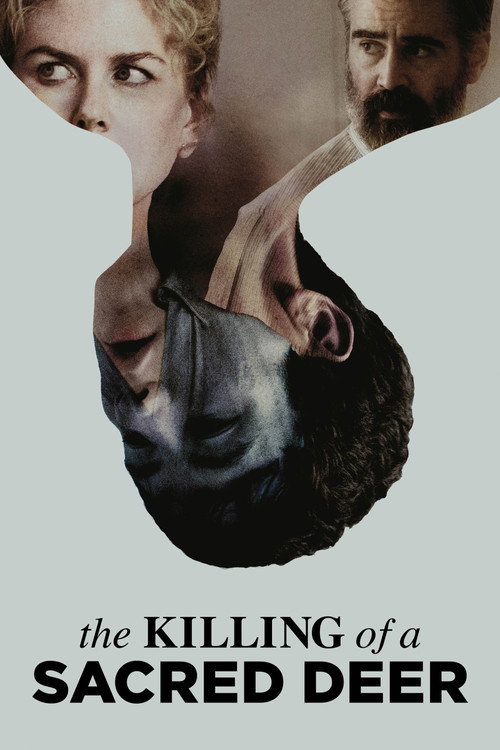
The Killing of a Sacred Deer2017
Yorgos Lanthimos constructs unbearable domestic dread through formal precision and unexplained malice. A family is trapped in an escalating nightmare with logic all its own.
But Deliberately artificial dialogue and behavior can feel alienating rather than unsettling. Cold when you want to feel something.
Not sure tonight? Get a pick in a minute, starting from Sator
The wildcard
Something you would not have found on your own.
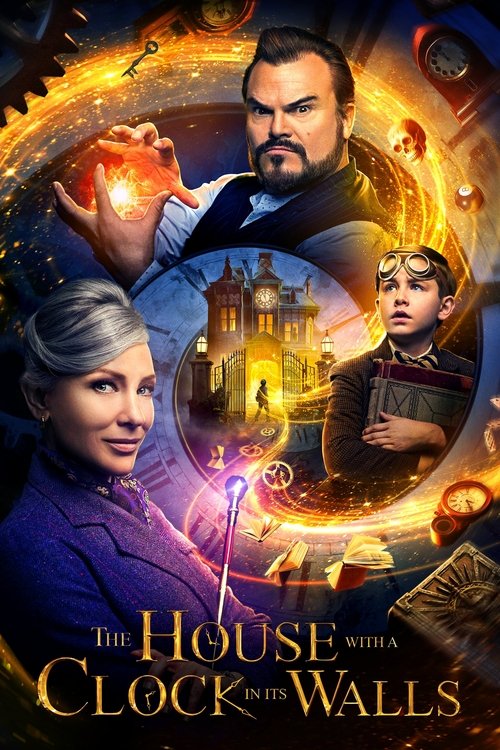
The House with a Clock in Its Walls2018
Both films root cosmic horror in domestic isolation and inherited family curses; Sator stripped of narrative clarity becomes this film's skeleton.
A boy joins his uncle in a house filled with magical dread and dark ritual. Eli Roth directs a Goosebumps-for-adults atmosphere—same folk-horror DNA as Sator but accessible, shorter, genuinely fun.
But The tonal shift toward adventure-fantasy may feel too light if you want unrelenting darkness. Commercial polish instead of raw weirdness.
More like this (7)
Midsommar2019
Daylight folk-horror set in a Swedish commune. Ari Aster again, this time finding terror in isolation, ritual, and the fracturing of a relationship under supernatural pressure.
But At 147 minutes it sprawls; some find it self-indulgent. The bright daylight setting undermines horror for some viewers.

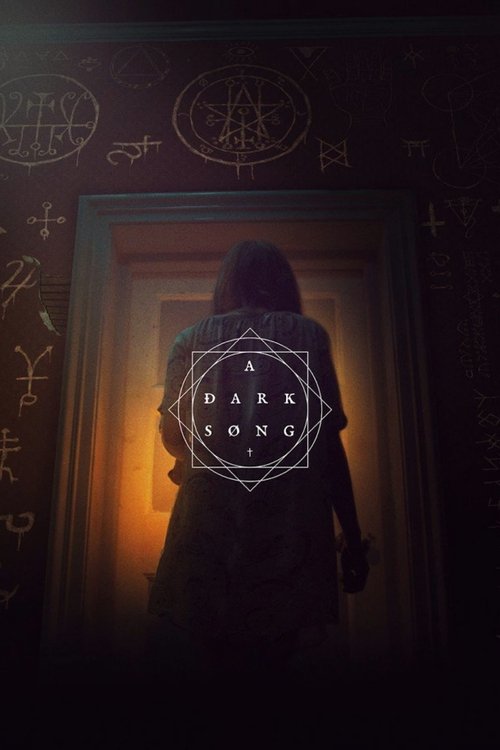
A Dark Song2016
A widow and an occultist pursue a dangerous ritual in isolation. Moody, dialogue-heavy, deeply concerned with grief and faith rather than conventional scares.
But Slow-burn to the point of stillness. Very few scares; the horror is existential and emotional.
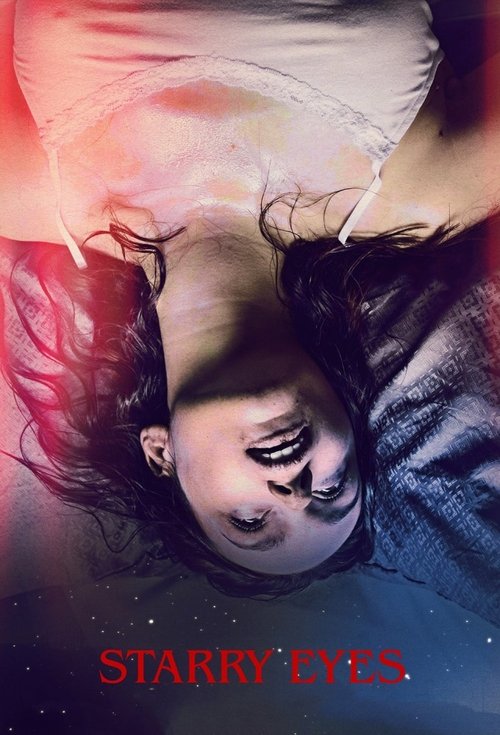
Starry Eyes2014
A failed actress makes a Faustian bargain in Hollywood. Body horror and cosmic dread build alongside ambition, culminating in total transformation and cult horror.
But Graphic body-horror sequences that some find gratuitous. Less about atmosphere than visceral discomfort.
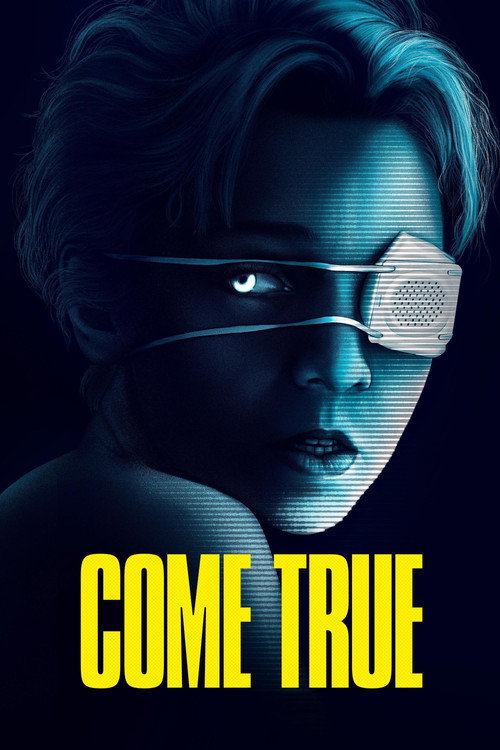
Come True2020
A teenager enters a sleep study and encounters increasingly surreal visions. Hypnotic synth score and dreamlike visuals create dread from the familiar made strange.
But Very abstract in its second half; a willingness to sit with visual weirdness required. Not all threads resolve satisfyingly.
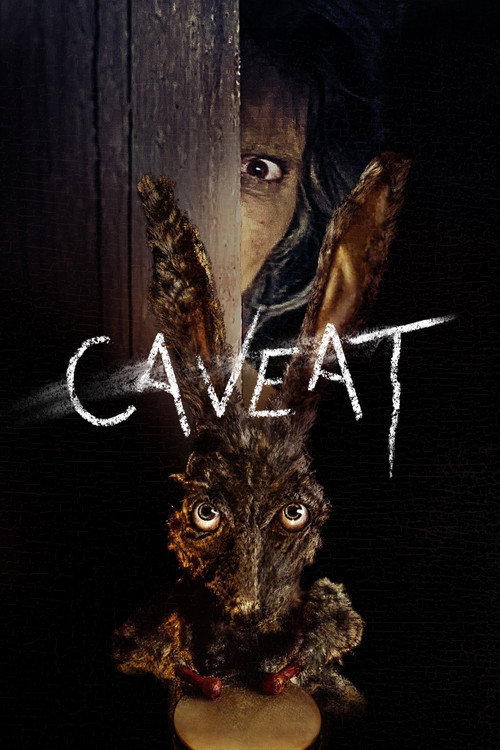
Caveat2021
A drifter arrives at an isolated island to find a mysterious boy. Shot on 16mm with found-footage eeriness, it feels like you've stumbled on something not meant to be seen.
But Genuinely difficult to follow; plot is secondary to mood. The low-fi aesthetic will read as cheap to some viewers.
Sharpe1993
Both examine how isolation, belief, and ritualism distort reality for those trapped inside—one supernatural, one terrifyingly real.
A documentary-series examining utopian communities and cults through found footage and interviews. Explores the same mythology of isolated groups, ritual obsession, and psychological entrapment that drives Sator.
But Non-fiction means no conventional narrative arc; real footage is often mundane and poorly lit. Requires intellectual engagement rather than emotional surrender.

Mulholland Drive2001
Both films privilege atmosphere and formal strangeness over plot clarity; both ask you to feel dread before understanding why.
David Lynch's LA nightmare uses backwards logic, unexplained events, and formal strangeness to explore obsession and identity. Like Sator, meaning is deliberately obscured and subjective, demanding you inhabit bewilderment.
But At 147 minutes and narratively fractured, it resists interpretation. Requires multiple viewings and tolerance for ambiguity that frustrates rather than satisfies.

People
Cast
 Michael DanielPete
- Rachel JohnsonEvie
- Aurora LoweDeborah
 Gabe NicholsonAdam
 June PetersonNani
- Wendy TaylorMother
Directing
- Jordan GrahamDirector
Writing
- Jordan GrahamWriter
Production
- Elias AdamopoulosExecutive Producer
- Jennifer GrahamExecutive Producer
- Jordan GrahamProducer