
Film
The Stendhal Syndrome
Dario Argento's visceral psychodrama follows a detective unraveling after encountering a serial killer who becomes obsessed with her. It's visually baroque and deeply unsettling—a descent into trauma told through sound design and color as much as plot. For those who find horror's formal possibilities as gripping as its scares.
If you liked this
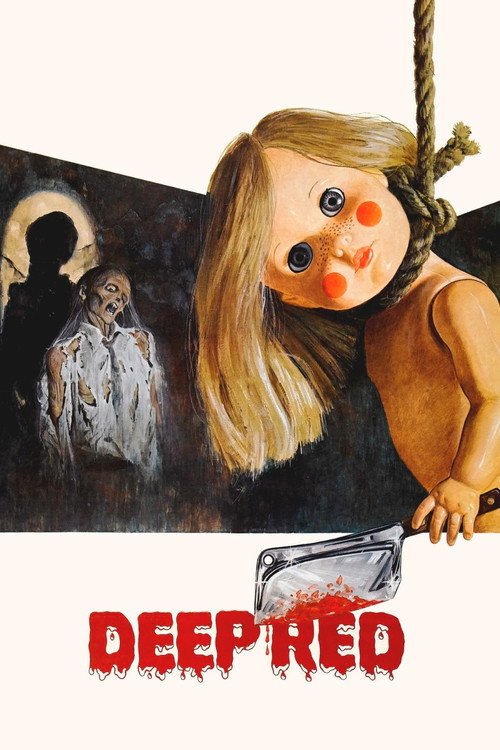
Deep Red1975
Argento's masterpiece of murder and obsession, with the same architectural clarity and operatic violence that makes The Stendhal Syndrome's nightmare logic feel inevitable.
But The pacing is deliberate; if you need constant plot momentum, this will feel glacial and repetitive.
Suspiria1977
Another Argento landmark that prioritizes atmosphere and visual dread over coherent plot. A young dancer enters a supernatural ballet academy; the mystery is secondary to the mounting wrongness.
But The story barely holds together and the dubbing is jarring. If plot clarity matters to you, this will frustrate.

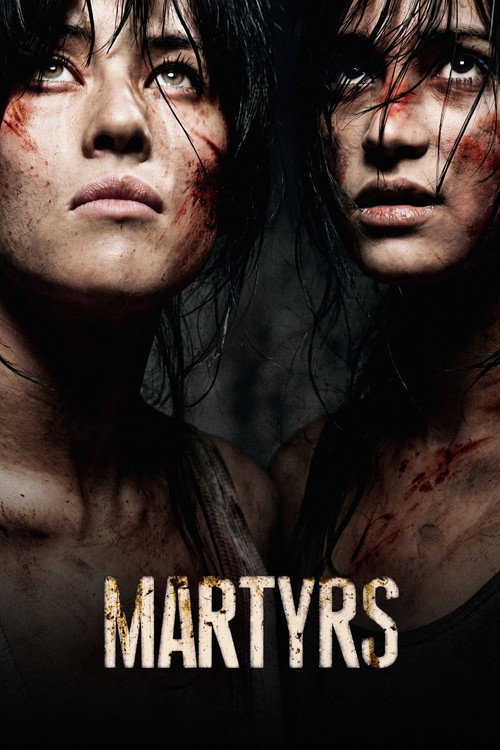
Martyrs2008
A French horror film about trauma and obsession that, like Stendhal, refuses to separate violence from emotional consequence. Unflinching about suffering without aestheticizing it.
But Genuinely difficult to watch. This is bleak and cruel in ways that linger; it's not entertainment in any comfortable sense.
Not sure tonight? Get a pick in a minute, starting from The Stendhal Syndrome
The wildcard
Something you would not have found on your own.
Possession1981
Both films use horror's visual and sonic language not to scare but to externalize psychological disintegration. The killer in Stendhal and the possessed wife in Possession are less antagonists than manifestations of internal collapse.
Andrzej Żuławski's nightmarish marriage drama uses horror vocabulary to explore jealousy and mental breakdown. Like Stendhal, it's formally avant-garde—performance and visual excess as emotional truth.
But The acting is deliberately unhinged, the plot barely matters, and it veers into body horror that feels alien to conventional cinema. Genuinely difficult.

More like this (7)
Mulholland Drive2001
Lynch's Hollywood nightmare shares Stendhal's interest in fractured identity and the psyche under stress. Both films use beauty and sound to destabilize; plot becomes less important than mood.
But Deliberately cryptic. You'll leave with questions the film won't answer, which some find pretentious or unsatisfying.

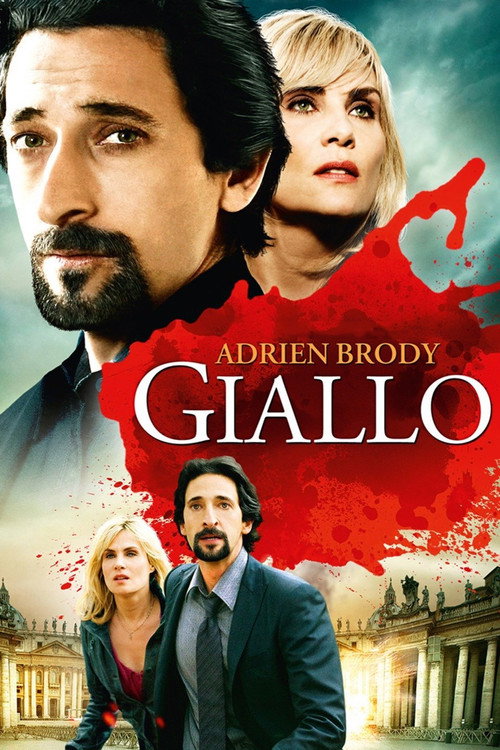
Giallo2010
A meta-thriller about the giallo genre itself, with self-aware energy about the form's obsessions with death, sex, and voyeurism. Direct heir to what Argento does.
But Clever in a way that can feel shallow. It understands the machinery but doesn't always earn emotional weight.
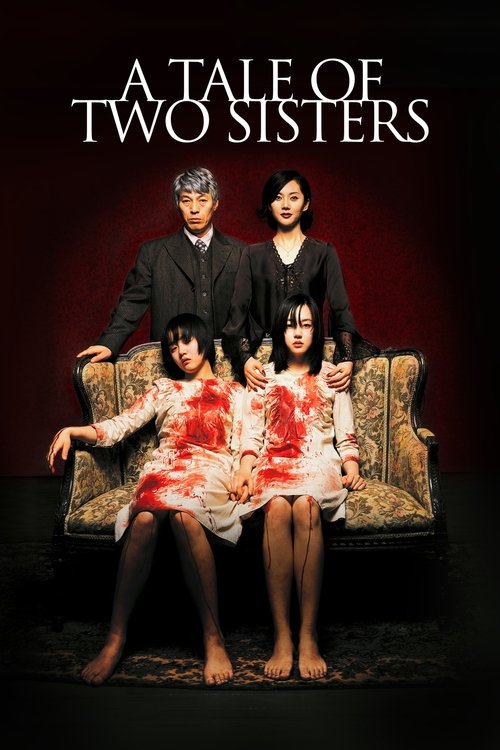
A Tale of Two Sisters2003
Korean horror about trauma and fractured memory, with the same commitment to visual abstraction and the blurring of reality and psychological projection.
But Very slow and image-focused. If you prefer straightforward narrative, this will test your patience.
The Wailing2016
A mystery where the investigation itself destabilizes the investigator's grip on reality. Paranoid, formally inventive, and wholly committed to ambiguity and moral uncertainty.
But Nearly three hours and the plot resists resolution. Some will find this rewarding; others will feel cheated by the lack of answers.

Under the Skin2014
Scarlett Johansson in an alien-encounter film that prioritizes texture and dread over explanation. Like Stendhal, it trusts atmosphere and sound more than dialogue or clarity.
But Virtually plotless and deliberately alienating. If you need a conventional narrative arc, this will feel pretentious and slow.

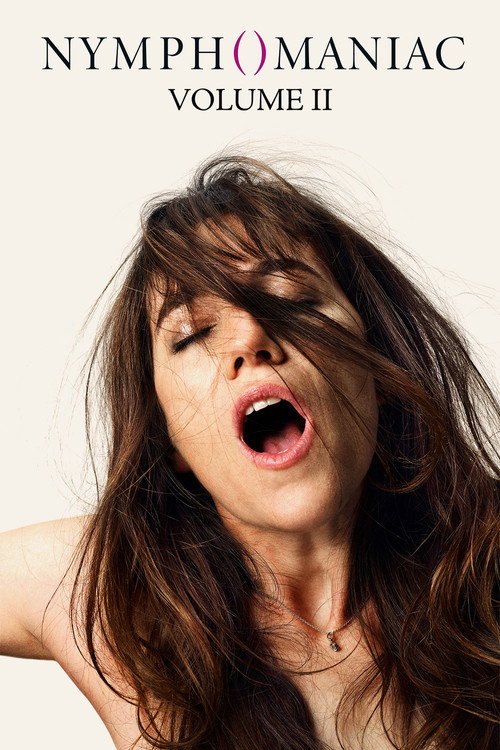
Nymphomaniac: Vol. II2013
Lars von Trier's explicit study of addiction and sex as trauma, using form to mirror psychological fragmentation. Both films center women's destruction with unflinching intensity.
But Graphic sexual content throughout. The ambition sometimes outpaces the execution, and the extremity can feel gratuitous rather than earned.
Caveat2021
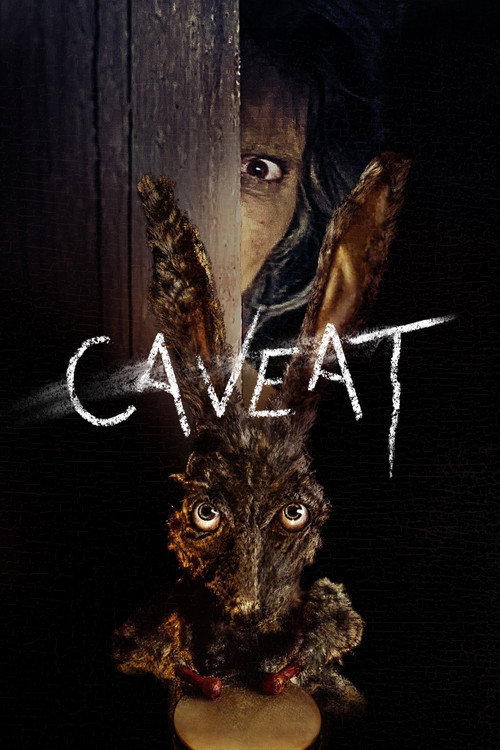
Like Stendhal, it trusts formal strangeness over plot exposition. Both films believe that withholding explanation and embracing visual/sonic disorientation is the truest way to convey how trauma actually feels—incoherent, hallucinatory, resistant to being 'solved.'
A micro-budget folk-horror film about a man hired to protect a girl in a decaying island house. It's made from pure atmosphere and nightmare logic—no exposition, no clarity, only dread and sound design.
But Deliberately obscure, shot on 16mm with intentional visual degradation. If you need explanation or conventional filmmaking clarity, this will frustrate.
People
Cast
 Asia ArgentoDet. Anna Manni
 Thomas KretschmannAlfredo Grossi
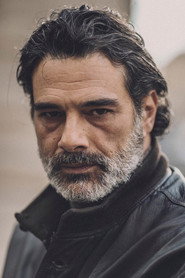 Marco LeonardiMarco Longhi
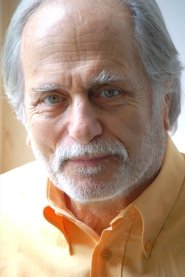 Luigi DibertiInsp. Manetti
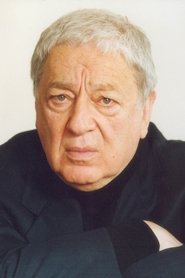 Paolo BonacelliDr. Cavanna
 Lucia StaraCommessa di un negozio
 Lorenzo CrespiGiulio
 Vera GemmaPoliziotta
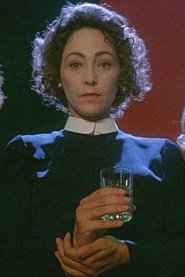 Veronica LazărMadre di Marie
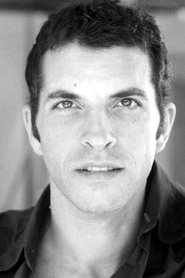 Sandro GiordanoFausto
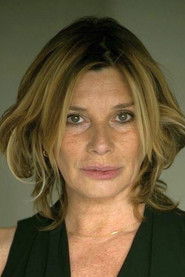 Cinzia MonrealeMoglie di Alfredo Grossi
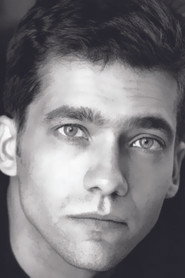 Julien LambroschiniMarie
Directing
- Dario ArgentoDirector
Writing
- Graziella MagheriniNovel
- Dario ArgentoStory
- Franco FerriniStory
- Dario ArgentoWriter
- Franco FerriniWriter
Production
- Walter MassiLine Producer
- Dario ArgentoProducer
- Giuseppe ColomboProducer