
Film
Six Characters in Search of An Author
Pirandello's mind-bending 1921 play gets a 1970s TV studio makeover. Six fictional characters interrupt a rehearsal, desperate for an author to tell their tragic family story. It's metatheatrical, deliberately artificial, and philosophically restless—a film about performance, authorship, and the gap between invention and truth. For viewers who love watching artists grapple with their own medium.
If you liked this
Synecdoche, New York2008
A director creates an increasingly elaborate play-within-a-play about his own life, collapsing art and reality until you can't tell which is which. Achingly ambitious and formally daring about the nature of theatrical creation.
But Dense, deliberately confusing, and genuinely depressing. It demands active participation and rewards very little comfort.

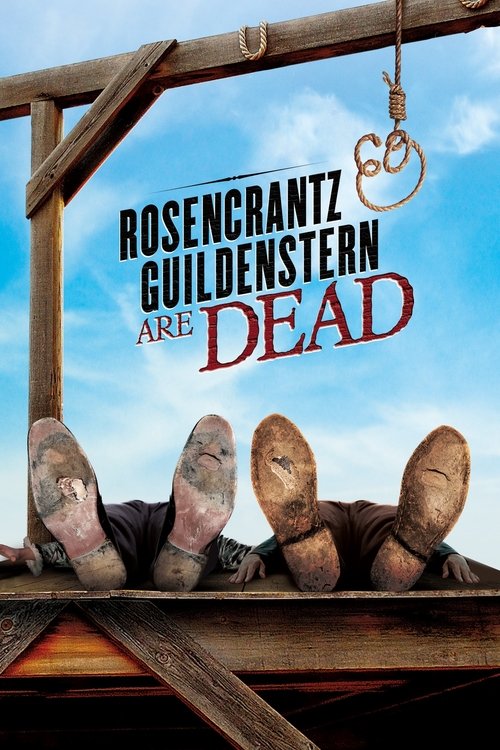
Rosencrantz & Guildenstern Are Dead1991
Two minor characters from Hamlet become the centre of their own story, uncertain whether they're real or written. Witty, philosophical, and playful about authorship, performance, and theatrical artifice in ways that directly echo Pirandello.
But The wordplay can feel precocious, and if you haven't read Hamlet, half the jokes land differently—or not at all.
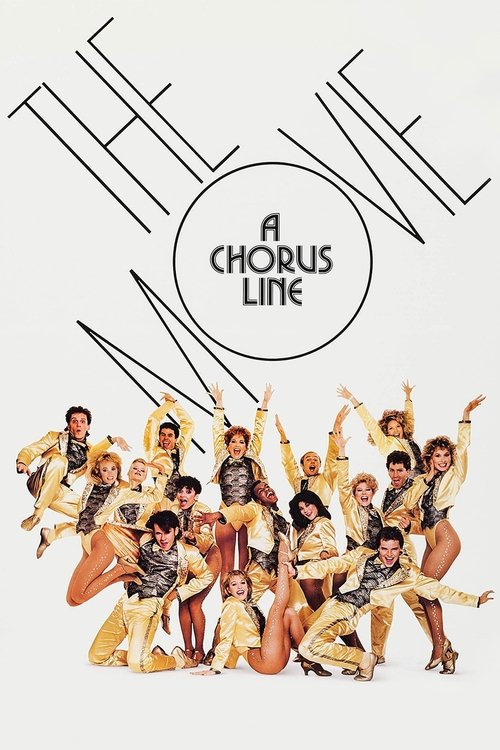
A Chorus Line1985
Dancers audition for a Broadway show, revealing fragments of their real lives to a director who remains mostly offstage. It shares Pirandello's interest in performance versus authenticity and the power dynamics between creator and created.
But The film version flattens the stage show. It's glossy in a way that undermines the raw, vulnerable testimony that made the original matter.
Not sure tonight? Get a pick in a minute, starting from Six Characters in Search of An Author
The wildcard
Something you would not have found on your own.
Contempt1963
Both are plays about art interrupted; both use theatrical convention as a framework to ask who owns a story once it's created. Godard is Pirandello filmed by someone who wants to make the philosophy visible.
Godard's film about the making of a film, in which an author (Homer's ghost) watches a director betray his work. It asks what happens when the gap between intention and creation becomes a chasm. Ravishing and intellectually severe.
But Glacially paced, fragmented, with long sequences of pure cinema that carry little plot. Godard actively resists giving you what you came for.

More like this (7)
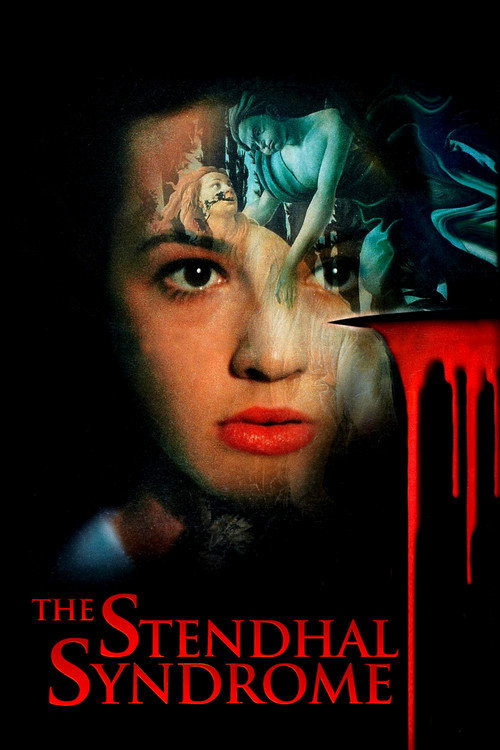
The Stendhal Syndrome1996
An art historian becomes dangerously immersed in the worlds of paintings, unable to separate aesthetic experience from reality. Dario Argento's visually overwhelming take on how art can destabilize the boundary between fiction and life.
But Baroque, sometimes incoherent, and built more on atmosphere and image than narrative clarity. Requires patience with style over story.
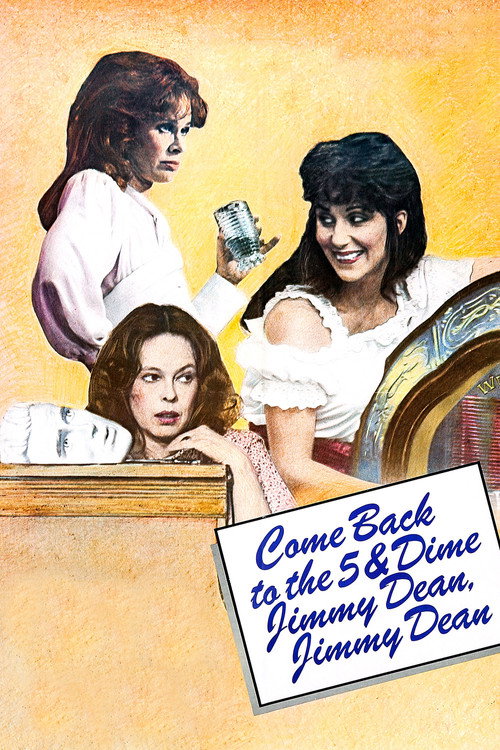
Come Back to the 5 & Dime, Jimmy Dean, Jimmy Dean1982
Robert Altman's film of Ed Graczyk's play: a group reassembles in a diner to revisit shared memories and secrets, only to discover how memory rewrites truth. Theatrical without being stagy, with Pirandello's interest in shifting realities.
But Deliberately artificial and chatty. The theatrical tricks can feel dated, and Altman's overlapping dialogue is sometimes genuinely hard to follow.
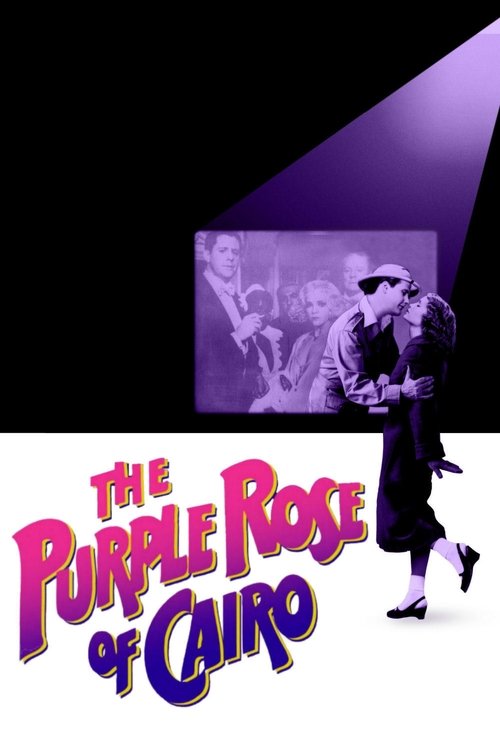
The Purple Rose of Cairo1985
A Depression-era moviegoer is visited by a character who steps out of the film she's watching. Woody Allen's most mature meditation on the line between fantasy and reality, and the hunger that drives us to art.
But Bittersweet and melancholic in a way that can feel manipulative. The ending deliberately withholds comfort.
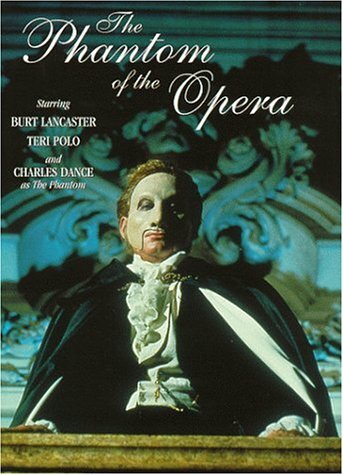
The Phantom of the Opera1990
Lloyd Webber's musical adaptation has similar DNA: a backstage world where performance and obsession blur, where the line between character and creator matters absolutely, and where creation itself becomes predatory.
But It's a musical, and a romantic one—the opposite of Pirandello's cold philosophical gaze. The spectacle can swallow the ideas underneath.
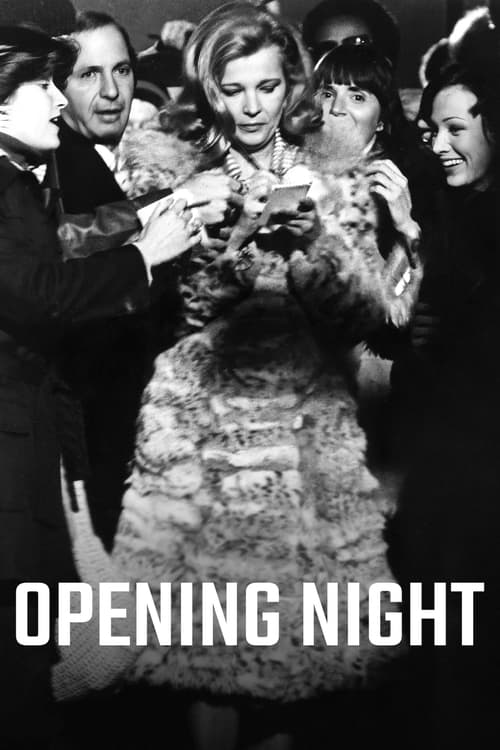
Opening Night1977
Cassavetes' film about an actress preparing for a play whose boundaries between real trauma and performance dissolve. Improvised, messy, genuinely experimental in its treatment of theatrical self-invention.
But Shot video-on-tape in the 1970s, it looks cheap and feels deliberately unpolished. The narrative is deliberately formless and exhausting.
Mulholland Drive2001
Both films make you feel what it's like to be a character aware of your own fictionality. Lynch uses dream-logic where Pirandello uses theatrical interruption, but the vertigo is the same.
Lynch's fractured Hollywood mystery where an actress and screenwriter become entangled in a story that may be real or imagined, rewritten by desire. The structure itself performs Pirandello's idea: characters trapped in a narrative they don't control.
But Three hours of deliberate, mounting incoherence. The final revelation doesn't clarify; it deepens the confusion. Some viewers experience this as profound; others as pretentious obfuscation.

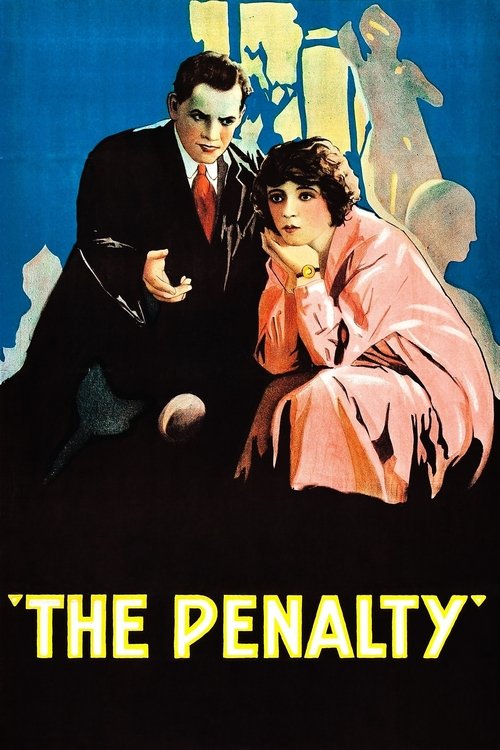
The Penalty1920
Both are about characters in thrall to artistic creation, and both understand that theatre and early cinema share the same vocabulary of presence and absence. Pirandello wrote this play in 1921; in 1920, Lon Chaney was already playing this role in a different medium.
A silent film where an amputee criminal preys on the wife of a sculptor while secretly commissioning a statue of himself—a story about doubling and control, identity fractured between the real self and its artistic representation. Early cinema's strange formal genius.
But Silent, 1920, theatrical in the way of German Expressionism. The acting is broad, the pacing glacial by modern standards. It requires you to sit with pantomime as a serious form.
People
Cast
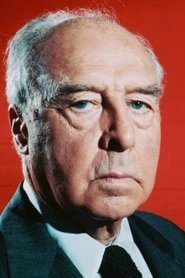 John HousemanThe Director
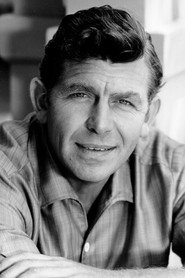 Andy GriffithThe Father
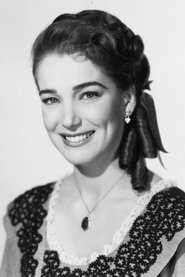 Julie AdamsThe Mother
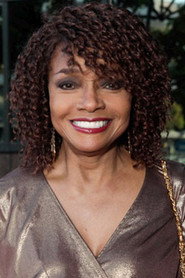 Beverly ToddThe Stepdaughter
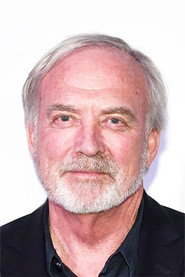 James KeachThe Son
- H.B. Barnum IIIThe Boy
- Claire TouchstoneThe Little Girl
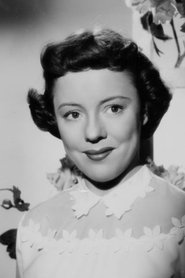 Patricia HitchcockThe Character Lady
- Laurence HugoThe Leading Man
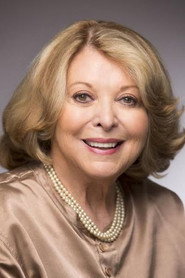 Timothy BlakeThe Leading Lady
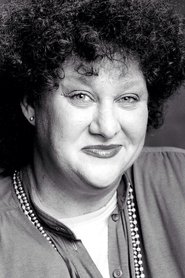 Pat AstMadam Pace
 Peter ElblingRudy
Directing
- Stacy KeachDirector
Writing
- Paul Avila MayerAdaptation
- Luigi PirandelloWriter
Production
- Norman LloydExecutive Producer