
Film
Interiors
- Family drama
- Very dark
- Slow-burning
Woody Allen's only film without comedy, a chamber drama about three adult daughters and their icy mother Eve, an interior designer whose marriage collapses. Shot in grey-toned elegance, it's a portrait of emotional paralysis—how perfectionism, ambition and family loyalty can leave everyone suffocating in silence. For viewers who prize psychological precision over plot.
Should you watch it?
Watch it if you admire chamber dramas like Bergman's, where silence, cold beige rooms and brittle family politics carry more weight than plot, and you're happy to sit with unlikeable people.
Skip it if you want warmth, humour or a story that moves forward, since this is airless, deliberate and emotionally bruising from start to finish.
What it asks of you: Settle in for ninety-three minutes of measured pacing, long pauses, and muted, mostly beige frames, with your attention on faces and silences rather than on events.
Not sure? Find tonight's pick in a minute.
If you liked this
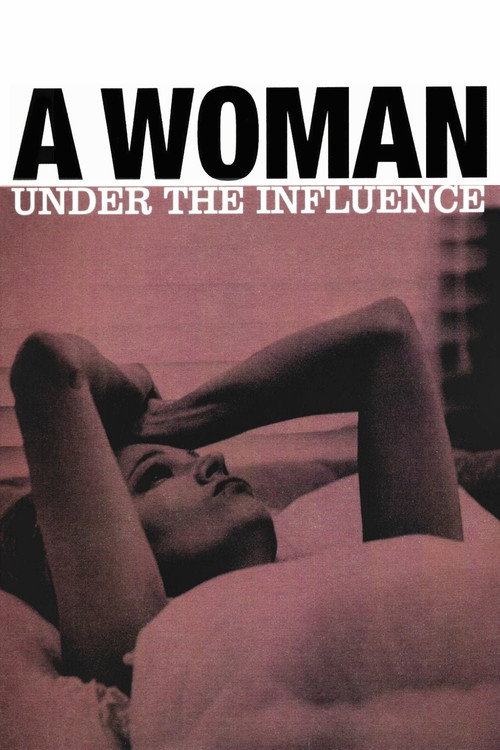
A Woman Under the Influence1974
Gena Rowlands as a wife unravelling under the weight of family expectation and mental fragility. Like Interiors, it finds tragedy in the gap between what people need and what they can say to each other. Unflinching and devastating.
But Cassavetes' style is deliberately rough and shapeless—handheld, repetitive, uncomfortable. If you want narrative momentum or resolution, you won't find it.
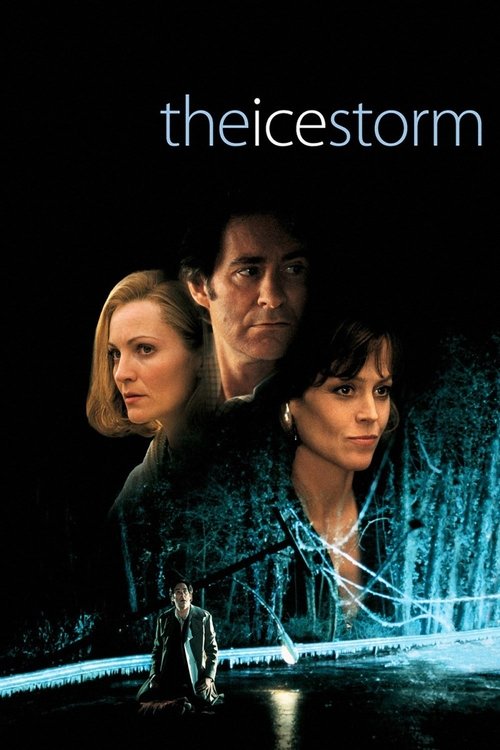
The Ice Storm1997
Ang Lee's portrait of a suburban family in collapse, where everyone is trapped by propriety and unspoken desire. It has Interiors' precision about how WASP repression eats people alive, but adds dark comedy and the sexual panic of the 1970s.
But Methodical and cool; it observes rather than invites you in. Some will find the detachment chilling, others just cold.
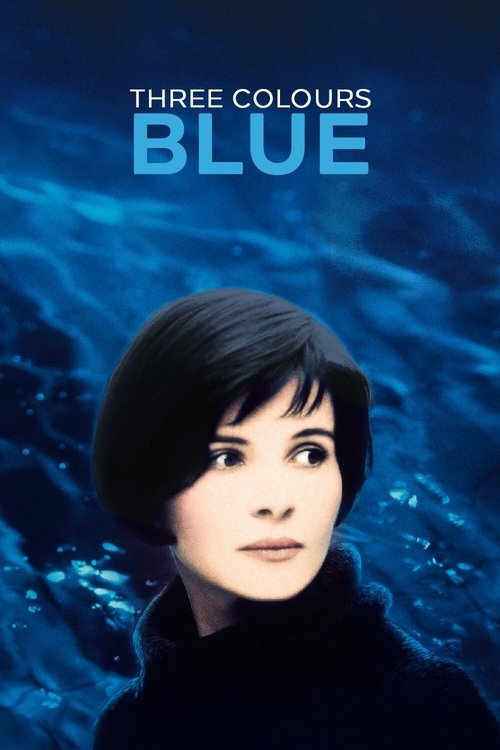
Three Colors: Blue1993
Kieślowski explores grief and isolation after loss, using architecture and colour the way Allen uses interior design—as language for what people cannot say. Meditative, formally beautiful, and genuinely about how emptiness feels.
But Very slow. It asks you to sit with silence and abstraction. If you need dialogue to understand a character, this will frustrate you.
Not sure tonight? Get a pick in a minute, starting from Interiors
The wildcard
Something you would not have found on your own.
The Savage Innocents1960
Both films use spatial composition and silence as their primary language. Eve's designed rooms and the Arctic landscape are equally important as the characters moving through them. Both are about people trapped in beautiful environments that cannot save them.
An Inuit family navigating a world that doesn't understand them, shot with painterly precision and long silences. Like Interiors, it's about the brutal distance between people who share a home but not a language. Arctic and severe.
But Slow, remote, and morally complex in ways that will feel alien. A western icon (Anthony Quinn) playing an Inuit hunter creates historical baggage that's hard to ignore.

More like this (8)
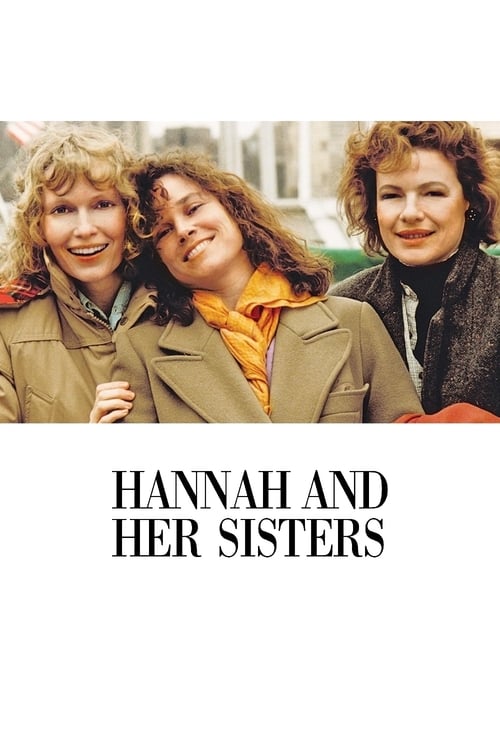
Hannah and Her Sisters1986
Allen's return to family drama with lightness restored, but keeping Interiors' interest in how siblings compete and misunderstand each other. Funny and warm without losing the psychological acuity.
But It's a more conventional film—plot matters, romance matters. Less formally severe, less bleak, so it may feel safe if you loved Interiors precisely for its coldness.
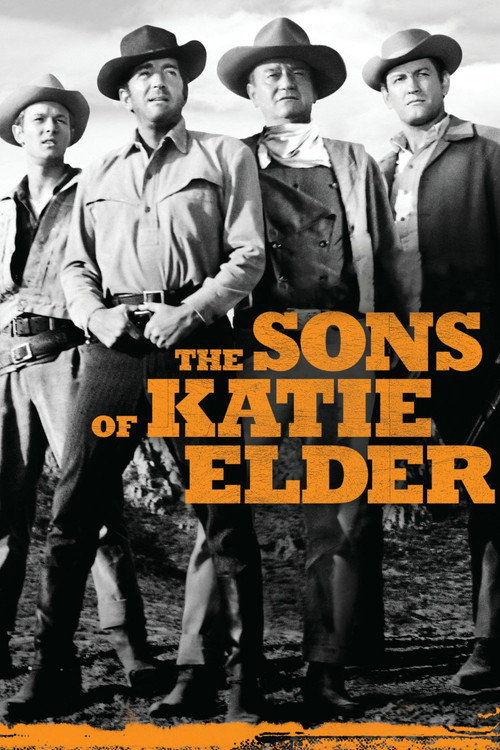
The Sons of Katie Elder1965
A western that's actually about grief and family obligation, with four brothers navigating their mother's death and their own inadequacy. Emotionally intelligent and honest in ways the genre rarely allows.
But It's still a western—gunfights and violence, traditional male codes. The emotional core hides inside a very conventional frame.
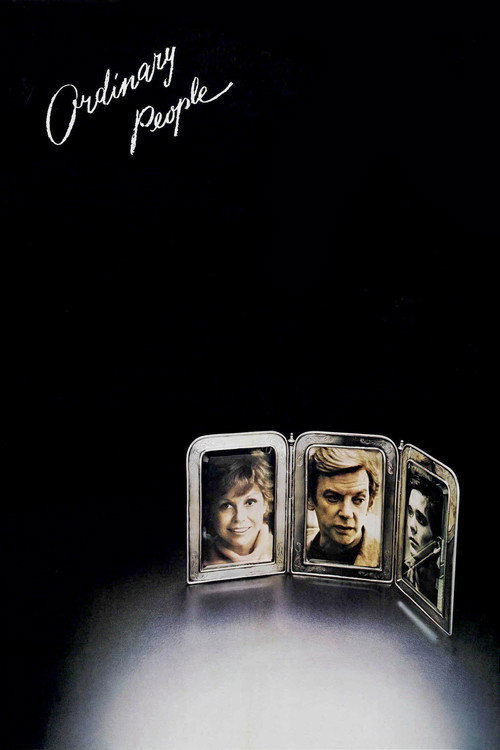
Ordinary People1980
Robert Redford's debut about a family destroyed by one son's suicide and unable to speak about it. Like Interiors, it's about how 'nice' people create the conditions for disaster by refusing to acknowledge pain.
But The therapy subplot feels dated now, and it's more explicitly about healing than Interiors is. Some will find it too neat.
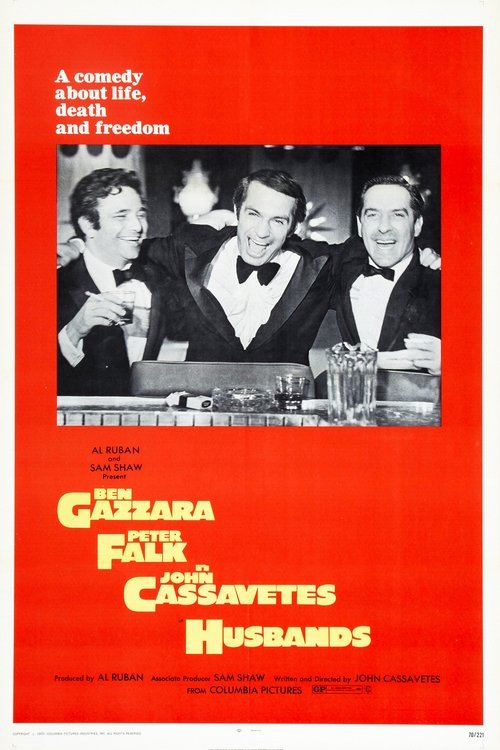
Husbands1970
Cassavetes again, but this time the emotional breakdown happens in real time, in public, with three men falling apart after the death of a friend. Raw, improvisational, and genuinely frightening in its honesty.
But No plot. Just three men drinking, crying, and lashing out for two hours. A endurance test for some, a revelation for others.
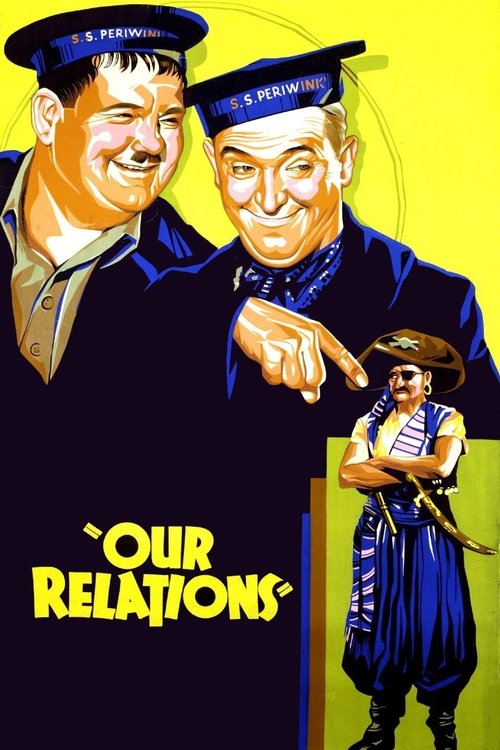
Our Relations1936
Stan Laurel and Oliver Hardy as twins separated at birth. Wait—it's about identity, family resemblance, and the horror of being mistaken for someone else. A comedy that's actually profound about who we are to our families.
But It's a 1930s comedy short that works on surface level as slapstick. The depth is there, but you have to want to find it beneath the gags.
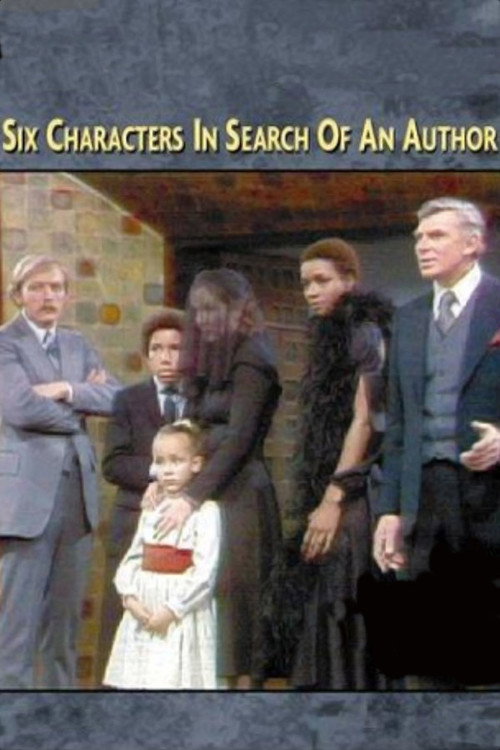
Six Characters in Search of An Author1976
Pirandello's play becomes a film about the gap between who we are and who we're supposed to be. Family members arrive demanding their story be told correctly, and it collapses into argument. Formally inventive and true to Interiors' DNA.
But Meta and theatrical in ways that can feel dated or precious. The abstraction asks a lot; the payoff is philosophical rather than emotional.
Possession1981
Where Interiors is about repression and what goes unsaid, Possession is about hysteria and what explodes outward. Both are about marriages ending and daughters witnessing it. Interiors shows the ice; this shows the fire.
Andrzej Żuławski's film about a marriage in total breakdown, shot in a nightmare register of violence and anguish. Operatic rather than measured, but it's asking the same question as Interiors: what happens when people stop pretending?
But Transgressive, chaotic, genuinely disturbing. Isabelle Adjani's performance is raw to the point of discomfort. It's not elegant; it's a scream.

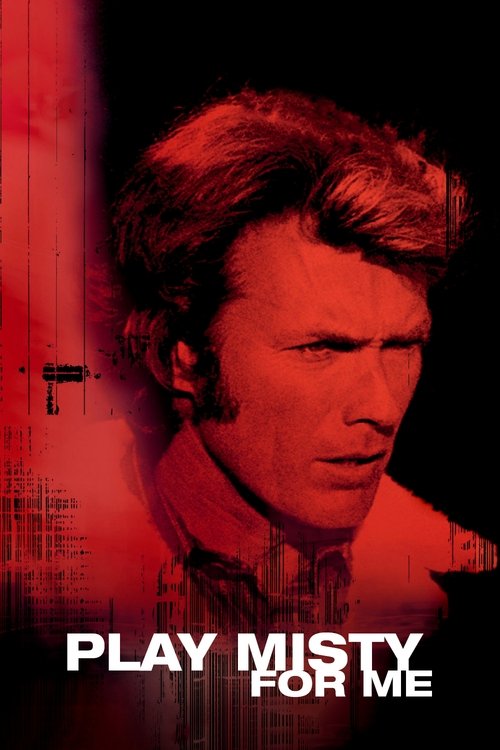
Play Misty for Me1971
Both are about the interior life made visible—in Allen through design and silence, in Eastwood through confinement and obsession. Both have a woman at the centre whose presence destabilises everyone around her. Both know that homes are not safe.
Clint Eastwood's directorial debut about a radio DJ and a woman's obsessive love. But it's also about family, control, and the spaces we construct to protect ourselves—homes as cages. Psychologically acute and genuinely tense.
But A thriller, not a drama. If you want Interiors' precision without the genre machinery, this will feel like a betrayal. Also very much a 1970s film about a woman's 'crazy' love.
People
Cast
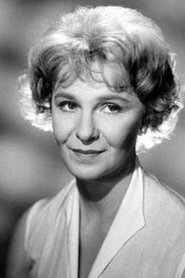
 Kristin GriffithFlyn
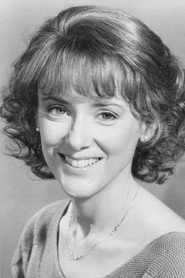 Mary Beth HurtJoey
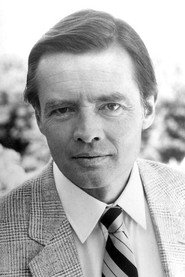 Richard JordanFrederick
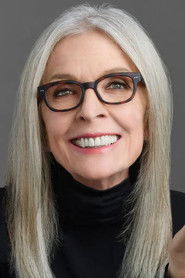 Diane KeatonRenata
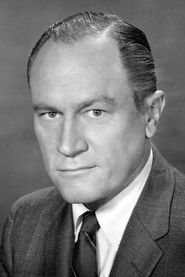 E.G. MarshallArthur
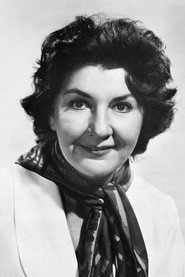 Maureen StapletonPearl
 Sam WaterstonMike
- Missy HopeYoung Joey
- Kerry DuffyYoung Renata
- Nancy CollinsYoung Flyn
- Penny GastonYoung Eve
Directing
- Woody AllenDirector
- Martin BermanFirst Assistant Director
- Kay ChapinScript Supervisor
- Henry MlottSecond Assistant Director
Writing
- Woody AllenWriter
Production
- Juliet TaylorCasting
- Robert GreenhutExecutive Producer
- Aaron BeckwithExtras Casting
- Carl ZuckerLocation Coordinator
- Charles H. JoffeProducer
- Jack RollinsProducer
- Marc G. GreenbergProduction Accountant
- Charles ZalbenProduction Assistant
- John NicolellaProduction Manager
- Barbara De FinaProduction Office Coordinator
- John NicolellaProduction Supervisor