
Film
Woody Allen: A Documentary
A three-hour portrait of Woody Allen by documentarian Robert B. Weide, tracing his rise from stand-up comic to auteur through interviews, archival footage, and testimony from collaborators. It's a deep dive into his working methods, creative evolution, and personal life—reverent in tone, exhaustive in scope. For Allen devotees and cinema scholars.
Should you watch it?
Watch it if you love the behind-the-scenes craft of filmmaking, the way a writer's daily habits and private anxieties leak into the work, and you don't mind a long, talky, interview-driven look at one restless mind.
Skip it if you want a lively, fast-cut documentary or a critical takedown; this one leans reverent and sits with its subject for a very long stretch, so the pacing can feel indulgent.
What it asks of you: It runs close to three hours and is mostly talking heads and archival clips, so it rewards patience more than momentum, and you settle in rather than get swept along.
Not sure? Find tonight's pick in a minute.
If you liked this
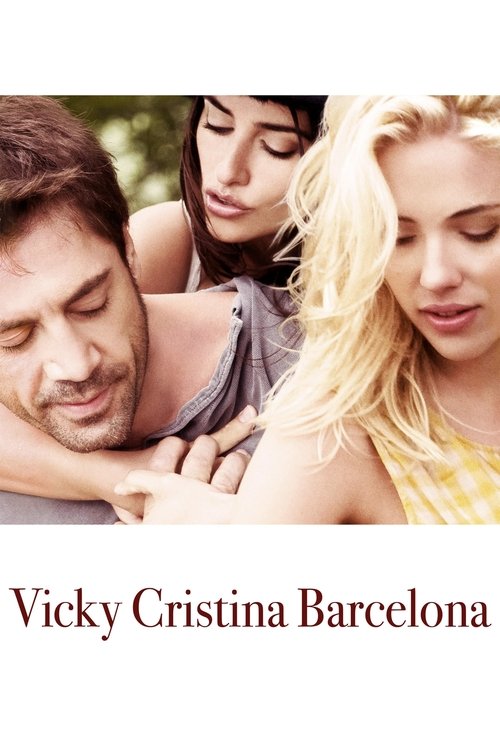
Vicky Cristina Barcelona2008
Allen's most accessible recent film, a breezy romantic drama set in Spain with Scarlett Johansson and Penélope Cruz. It demonstrates his skill at balancing intellectual curiosity with genuine emotional stakes and shows why performers keep working with him.
But The plot feels slight compared to his earlier work, and the philosophical hand-wringing can feel self-indulgent rather than earned.
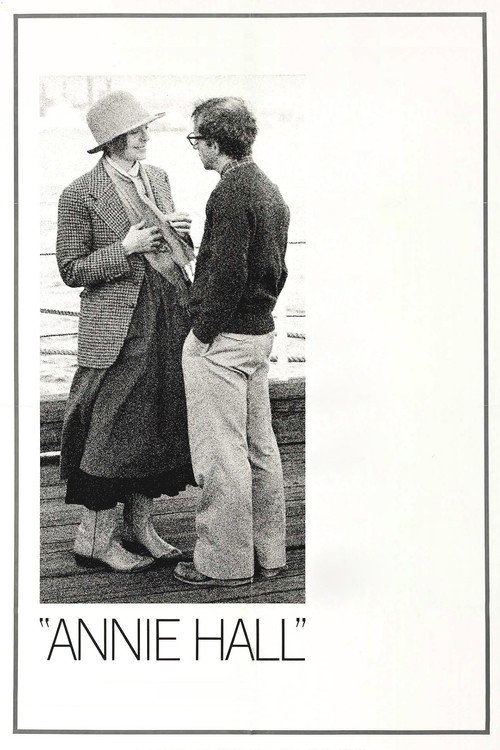
Annie Hall1977
The film that made Allen a serious artist and won Best Picture. It's witty, melancholic, formally inventive, and deeply felt—everything the documentary argues he's capable of at his best. Essential viewing to understand the reverence.
But The relationship dynamics are dated in ways that now read poorly, and the New York neurosis can feel mannered if you're not already sympathetic to it.
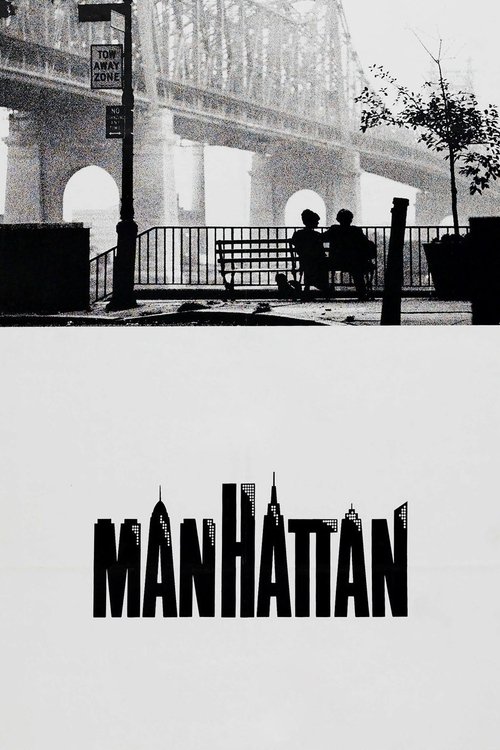
Manhattan1979
Allen's most formally beautiful film, shot in black-and-white with a Gershwin score. It captures the romantic and artistic ambitions of his best work, with a supporting cast delivering some of the finest ensemble work in American cinema.
But It's even more self-focused than usual, and the age-gap relationship at its center is genuinely troubling in ways the film doesn't quite reckon with.
Not sure tonight? Get a pick in a minute, starting from Woody Allen: A Documentary
The wildcard
Something you would not have found on your own.
Broadway Danny Rose1984
It's Allen's most direct love letter to the show-business world and the people who populate it—the same world the documentary spends three hours exploring. It's the feeling that animates his career, distilled into one small, perfect film.
Allen as a small-time theatrical agent navigating the underbelly of show business—sentimental without sentimentality, funny without trying, and deeply affectionate about the hustle and vulnerability of performers. Shot in black-and-white, it's visually distinct from his other work and tonally perfect.
But The frame story involves Jewish comedians speaking in Yiddish, which feels dated and potentially offensive depending on your perspective. It's also quieter and more intimate than his showier films.
More like this (8)
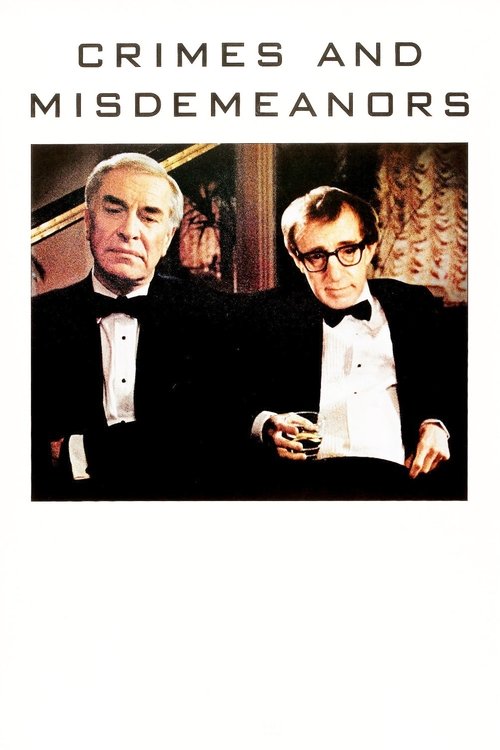
Crimes and Misdemeanors1989
Allen grappling directly with mortality, morality, and the possibility that the universe is indifferent to justice. It's his most serious film, balancing comedy and philosophy in ways that feel earned rather than posturing.
But The structure is messy, juggling too many plots, and some of the lighter material undercuts the darker themes rather than deepening them.
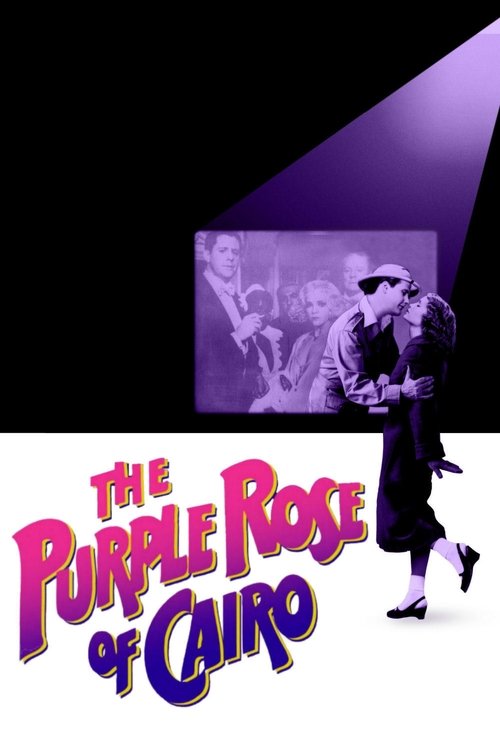
The Purple Rose of Cairo1985
Allen's most heartfelt film, a Depression-era fantasy about a woman who falls in love with a movie character who steps off the screen. It's tender, clever, and genuinely moving—proof he could make something profound without relying on his own neurosis.
But The magical realism requires a willingness to go along with the conceit, and the ending is deliberately bittersweet in ways that might frustrate rather than satisfy.
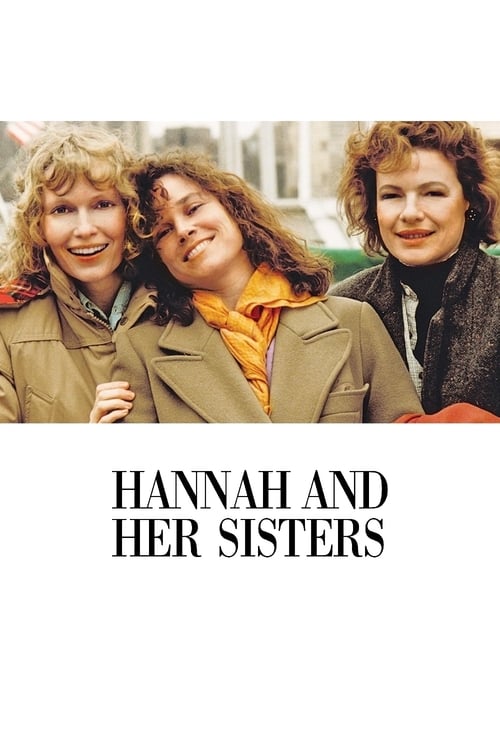
Hannah and Her Sisters1986
An ensemble masterpiece about three sisters navigating love, work, and mortality in New York. Allen directs rather than dominates, and the result is warm, funny, and genuinely wise about how people actually relate to each other.
But It's lengthy and digressive, and some viewers will find the domestic focus less urgent than his city-wide philosophical canvasses.
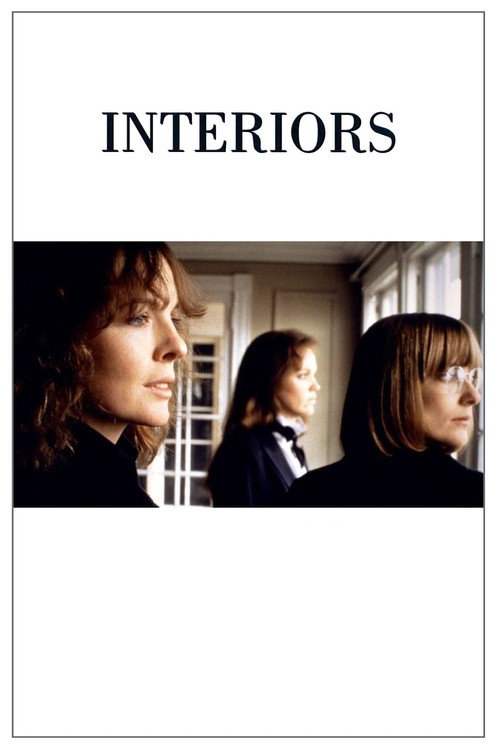
Interiors1978
Allen's boldest experiment, a chamber drama about a family in crisis shot in Bergman-esque black-and-white. It shows his range and ambition, even if the execution doesn't entirely match the vision. A necessary counterpoint to the comedies.
But It's heavy, austere, and sometimes pretentious. If you want Allen to make you laugh, this will feel like a miscalculation.
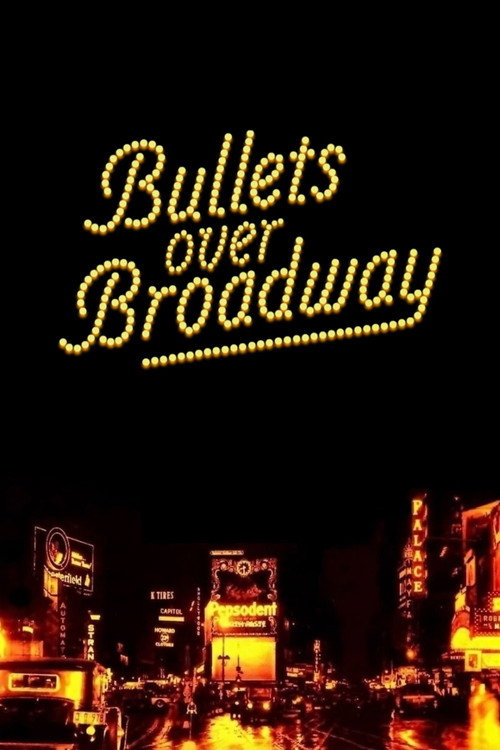
Bullets Over Broadway1994
A gangster comedy that balances sharp writing with genuine affection for theater and artistic obsession. John Cusack and Jennifer Tilly are excellent, and it proves Allen could make a crowd-pleaser without compromising his sensibility.
But It's lighter than his best work, and the plotting can feel arbitrary. Some will find it slight despite its charms.
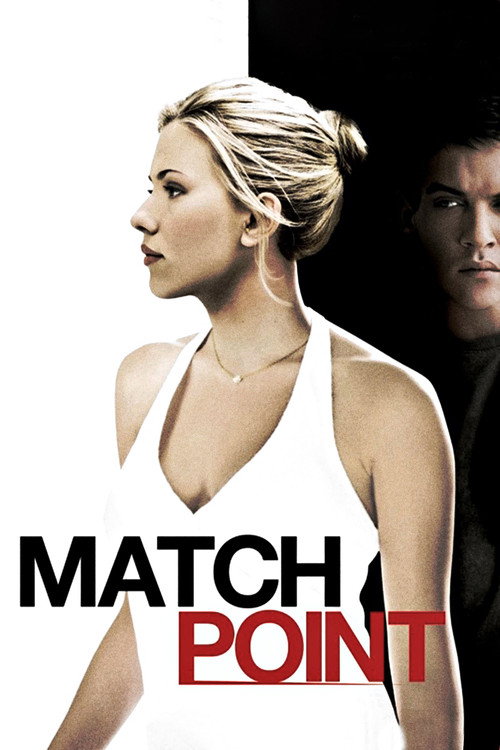
Match Point2005
Allen's most genuinely suspenseful film, a Dostoevskian morality play set among London's wealthy. It shows him capable of genuine darkness and demonstrates his skill at building dread—a different register entirely from his comedies.
But It's a departure that might feel like Allen doing Hitchcock as a secondary interest, and the philosophical underpinning can feel schematic.
Synecdoche, New York2008
Both Allen and Kaufman are obsessed with the relationship between art and life, between creation and the self. But where Allen keeps a certain comic distance, Kaufman drowns in it entirely. This is what Allen's philosophy looks like when you abandon irony.
Charlie Kaufman's hallucinatory meditation on creativity, mortality, and the impossibility of ever truly knowing another person. Philip Seymour Hoffman's struggling theater director building a life-sized replica of New York inside a warehouse is Allen's philosophical obsessions filtered through a fever dream.
But It's deliberately obscure, structurally fragmented, and reaches for grandeur that it sometimes doesn't achieve. Exhausting and difficult in ways that require patience and multiple viewings.

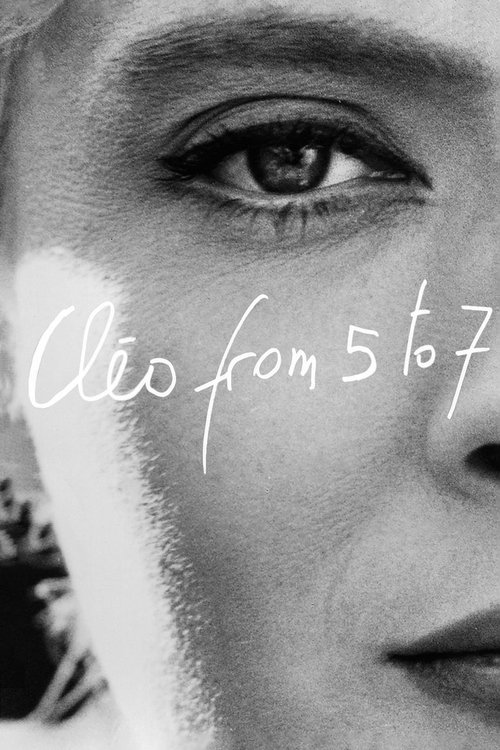
Cléo from 5 to 71962
The documentary shows Allen became fascinated by European cinema in the late '60s and early '70s. This is that sensibility stripped of comedy and self-dramatization—pure observation of how a person actually experiences existence. It's what Allen reached for but couldn't quite achieve without inserting himself into the frame.
Agnès Varda's real-time chamber piece about a woman waiting for medical results, shot in Paris with exquisite formal precision. Quiet, observant, and profoundly moving—it's about mortality and meaning in 90 minutes, with no plot to speak of, just attention and compassion.
But Nothing happens. If you need narrative momentum or are allergic to French New Wave cinema, this will feel like an endurance test rather than a film.
People
Cast
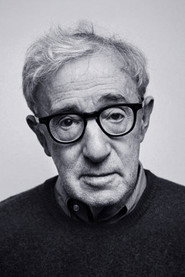 Woody AllenSelf
 Letty AronsonSelf
 Antonio BanderasSelf
 Josh BrolinSelf
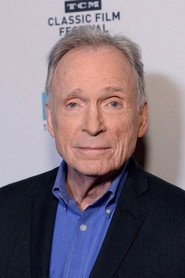 Dick CavettSelf
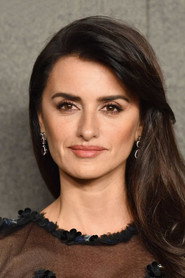 Penélope CruzSelf
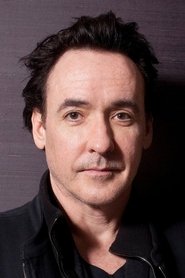 John CusackSelf
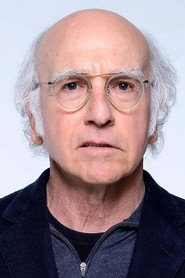 Larry DavidSelf
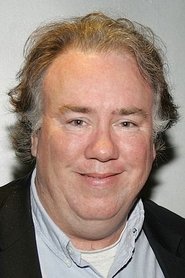 F. X. FeeneySelf
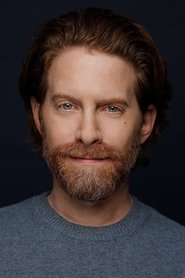 Seth GreenSelf
- Robert GreenhutSelf
Directing
- Robert B. WeideDirector
Writing
- Robert B. WeideWriter
Production
- Brett RatnerExecutive Producer
- Fisher StevensExecutive Producer
- Robert B. WeideProducer