
Film
Radio Days
Woody Allen's warmest film is a scrapbook, not a story: overlapping memories and half-invented radio legends set in wartime New York, narrated with fond exaggeration. It drifts from a Rockaway family's kitchen table to Manhattan broadcast towers with barely any plot, just texture, jokes, and ache. Watch it for mood and nostalgia without cynicism — not if you need momentum.
If you liked this
Cinema Paradiso1988
Another director's love letter to the medium that raised him, cinema instead of radio. Same aching structure: a small town, a beloved mentor, and adulthood arriving whether you're ready or not.
But It goes for the heart much harder than Allen ever does; if you resist a film openly asking you to cry, this will annoy you.

Avalon1990no page yet
Barry Levinson's own family scrapbook, tracing an immigrant clan through the arrival of radio, then television, then everything that scattered them. Same generous, episodic warmth, just Baltimore instead of Rockaway.
But Slower and sadder than Radio Days — it's really about a family drifting apart, and the melancholy sits heavier by the end.
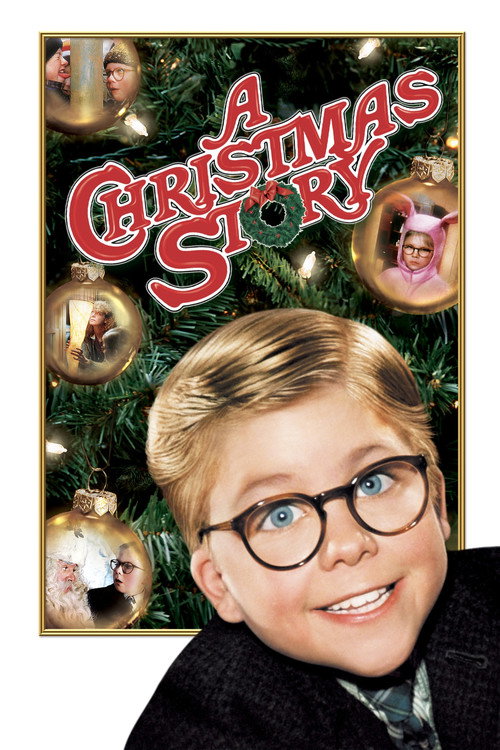
A Christmas Story1983
A wised-up adult narrator looks back on one overstuffed childhood season, radio serials and all. Same fondness for embellishment, same sense that memory improves everything it touches.
But Much narrower in scope — one kid, one Christmas, one BB gun — and its humor is broader, with less melancholy underneath.
The wildcard
Something you would not have found on your own.
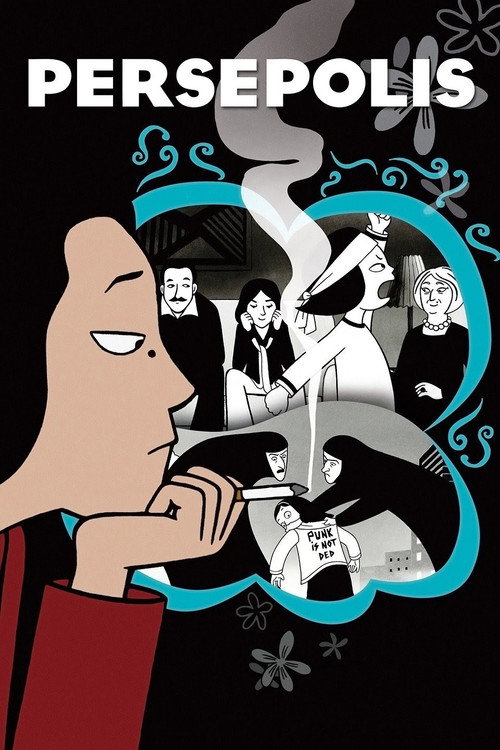
Persepolis2007
Both are first-person, memory-drawn accounts of childhood shaped by broadcasts beyond the living room — radio dreams for Allen, revolutionary radio and propaganda for Satrapi — filtered through a narrator looking back with love and irony.
An animated memoir of growing up during the Iranian Revolution, narrated with the same wry, affectionate hindsight Allen brings to Rockaway — just aimed at a childhood shaped by upheaval instead of showbiz gossip.
But This is nostalgia with real stakes — war, exile, and fear sit under the humor, and the ending offers no cozy fade-out.
More like this (8)
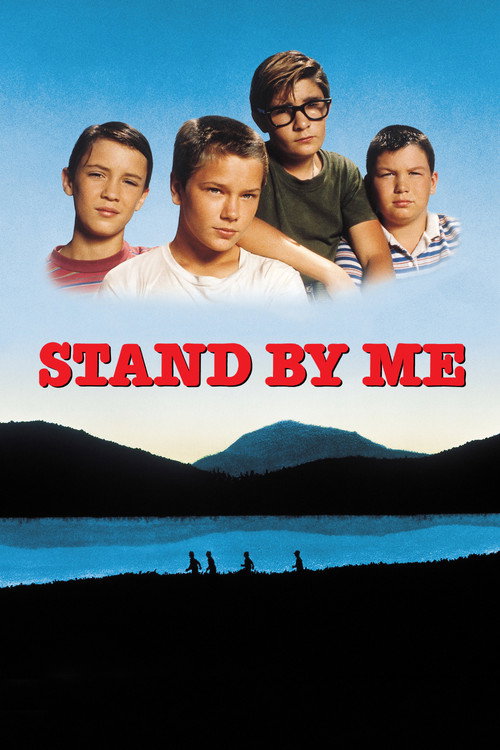
Stand by Me1986
Another adult narrator reaching back for a childhood radio still shaped. It trades ensemble sprawl for one tight, unforgettable walk, but the ache of looking back is identical.
But Far darker underneath the nostalgia — this is about mortality and loss, not showbiz anecdotes and family bickering.
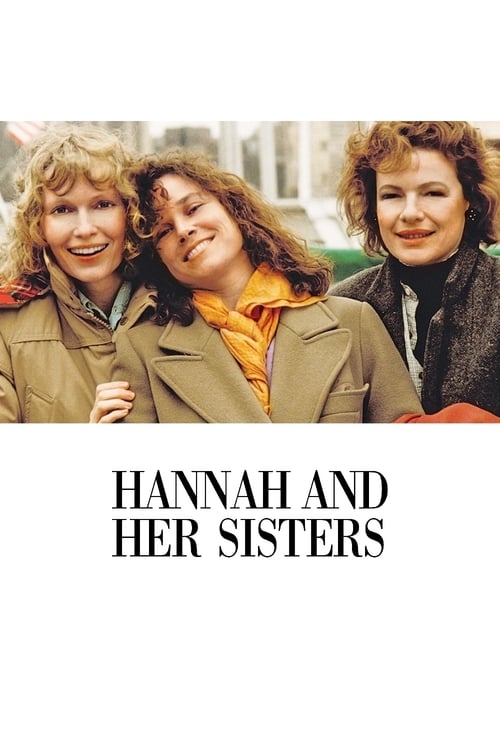
Hannah and Her Sisters1986
Allen a year earlier, same warm register, juggling a big cast of relatives and their entangled lives with the same affection for New York interiors and family rhythm.
But No radio, no period setting — it's contemporary and more concerned with adult romantic mess than childhood wonder.
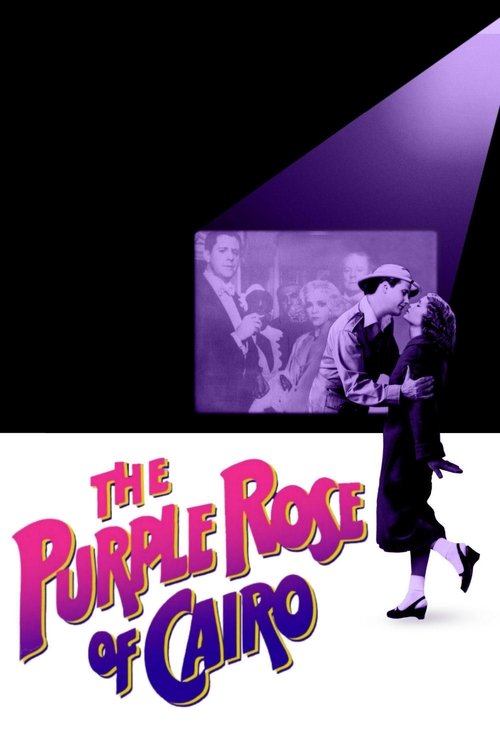
The Purple Rose of Cairo1985
Allen's other Depression-era valentine to escapist entertainment, cinema this time, with Mia Farrow again as a dreamer slipping into someone else's story to survive her own.
But Bittersweet rather than sunny — it ends on a note of real disappointment that Radio Days mostly spares you.
Amarcord1973no page yet
Fellini's own hometown memory-reel: eccentric neighbors, half-true anecdotes, a boy's-eye view of a world about to change. The blueprint for Allen's episodic, anecdote-stacked structure.
But More surreal and carnivalesque, less interested in tidy jokes — some will find its Italian bawdiness a stranger flavor.
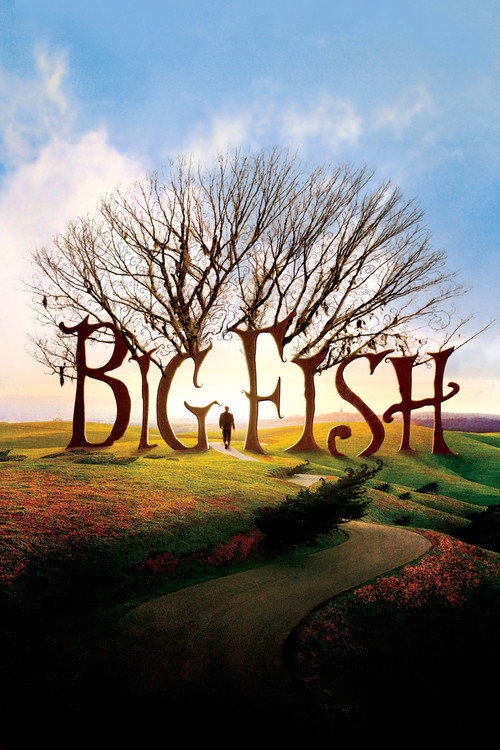
Big Fish2003
Tall tales told and retold until memory and myth blur, much like the radio legends the Narrator half-invents. A son sorting fact from fabrication in his father's stories.
But Whimsical to the point of fantasy — Burton's visual exaggeration is a much bigger swing than Allen's grounded nostalgia.
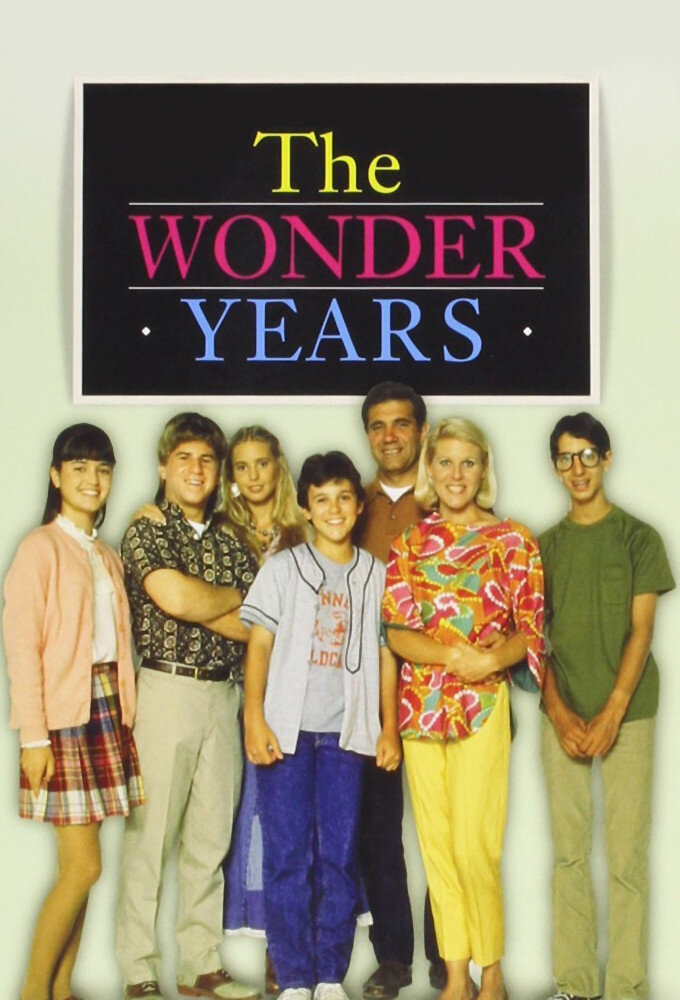
The Wonder Years1988
Television's answer to the same idea: a grown man's voiceover narrating his own suburban childhood, episode by episode, with the same mix of comedy, first crushes, and quiet ache.
But Stretched across six seasons, it's a slower, gentler commitment than one tight film — charming but a much bigger investment.
Christmas in July1940no page yet
Allen recreates the era from decades away; this Preston Sturges comedy was made inside it — a real 1940 screwball about a radio jingle contest, the very dream machine Radio Days looks back on with rose-tinted distance.
See the thing itself rather than the memory of it — a fast, funny period comedy about ordinary people chasing the same radio-fueled fantasies the Narrator's family listens to decades later.
But It's slight and quick, more gag reel than character study, and its optimism has none of Allen's bittersweet hindsight.
Woody Allen: A Documentary2011no page yet
Radio Days is Allen's most openly autobiographical film without admitting it; this documentary drops the fictional gauze entirely and has Allen talk, on record, about the very childhood and city that film turns into comedy.
Hear Allen himself, unfiltered by character or narrator, discuss the real Brooklyn, the real radio-obsessed childhood, and the career that grew out of it — a fascinating companion to the fiction.
But It's long, talky, and purely factual — none of the warmth or invention that makes Radio Days a pleasure rather than a lecture.
People
Cast
 Danny AielloRocco
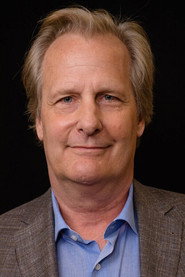 Jeff DanielsBiff Baxter
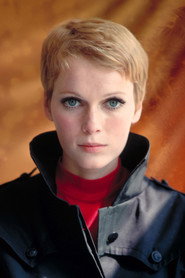 Mia FarrowSally White
 Seth GreenJoe
 Robert JoyFred
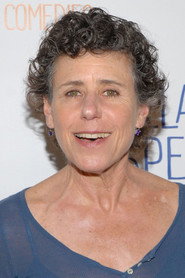 Julie KavnerMother
 Diane KeatonNew Year's Singer
- Julie KurnitzIrene
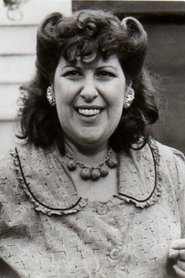 Renée LippinAunt Ceil
 Kenneth MarsRabbi Baumel
 Josh MostelAbe
 Tony Roberts"Silver Dollar" Emcee
Directing
- Woody AllenDirector
- Ezra SwerdlowFirst Assistant Director
- Judy FergusonOther
- Kay ChapinScript Supervisor
- Ken OrnsteinSecond Assistant Director
Writing
- Woody AllenWriter
Production
- Todd M. ThalerAdditional Casting
- Amy HermanAssistant Production Coordinator
- Timothy M. BourneAssistant Production Manager
- Ezra SwerdlowAssociate Producer
- Gail SiciliaAssociate Producer
- Juliet TaylorCasting
- Ellen LewisCasting Associate
- Charles H. JoffeExecutive Producer
- Jack RollinsExecutive Producer
- Angela SalgadoOther
- Barbara GreenOther
- Claudette DidulOther
- Douglas S. OrnsteinOther
- Drew Ann RosenbergOther
- Jay ScherickOther
- Jordan ThalerOther
- Judie FixlerOther
- Larry RudolphOther
- Peter LombardiOther
- Richard PatrickOther
- Scott SchafferOther
- Tracy RobinOther
- Robert GreenhutProducer
- Joseph HartwickProduction Assistant
- Helen RobinProduction Coordinator
- Thomas A. ReillyProduction Manager
- Steve RoseProduction Office Coordinator
Recommended by
The Purple Rose of Cairo, Cinema Paradiso, American Graffiti, Zelig, Hope and Glory, The Fabelmans