
Film
Big Fish
Tim Burton's fable about Edward Bloom, a dying father whose life story has hardened into a string of impossible legends, and the son who wants the plain truth instead. It's lush, funny, unapologetically sentimental, and asks whether a beautifully exaggerated story can be more honest than a factual one. For anyone who likes their tearjerkers dressed up as tall tales.
Should you watch it?
Watch it if you love a father's tall tales as a way into family grief, and enjoy stories that wink at their own exaggerations while quietly breaking your heart about the man telling them.
Skip it if you want a grounded story with few flights of fancy, since the constant embellishment and whimsical staging can feel indulgent and may keep you at arm's length from the emotion.
What it asks of you: Roughly two hours, and it moves between a vivid past and a more restrained present, so you need to follow the jumps and enjoy being carried along by the storytelling.
Not sure? Find tonight's pick in a minute.
If you liked this
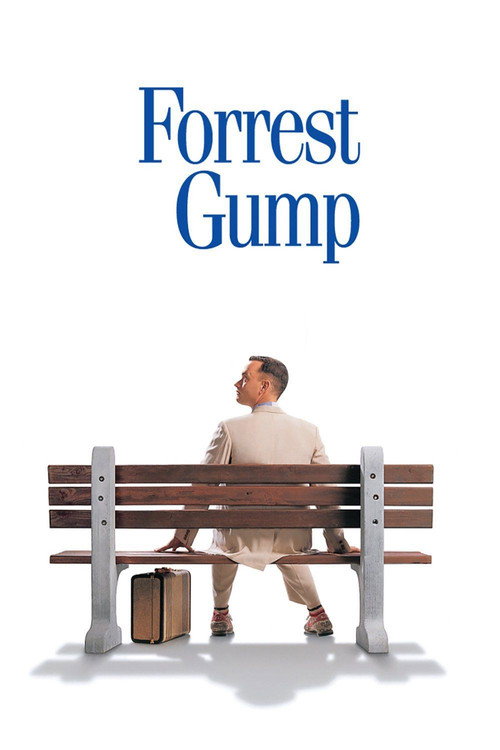
Forrest Gump1994
The same trick of running an implausible, larger-than-life story straight through real history and daring you not to cry by the end. Whimsy and grief share a lot of screen time here too.
But Its sentimentality is even more relentless, and its politics-of-history moments have aged awkwardly for some viewers.
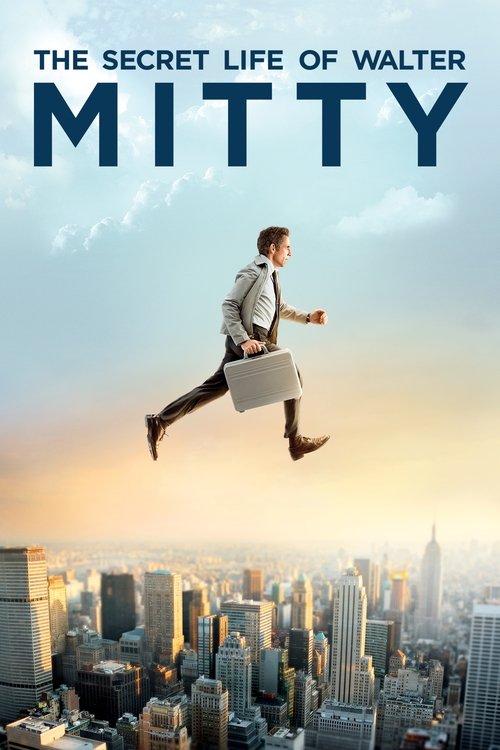
The Secret Life of Walter Mitty2013
A quieter, more modern take on a man whose inner fantasy life outshines his real one, with gorgeous globe-trotting visuals and a similar ache about unlived adventure.
But Less structurally clever than Big Fish, and some find its Instagram-ready travel-porn aesthetic a bit hollow.
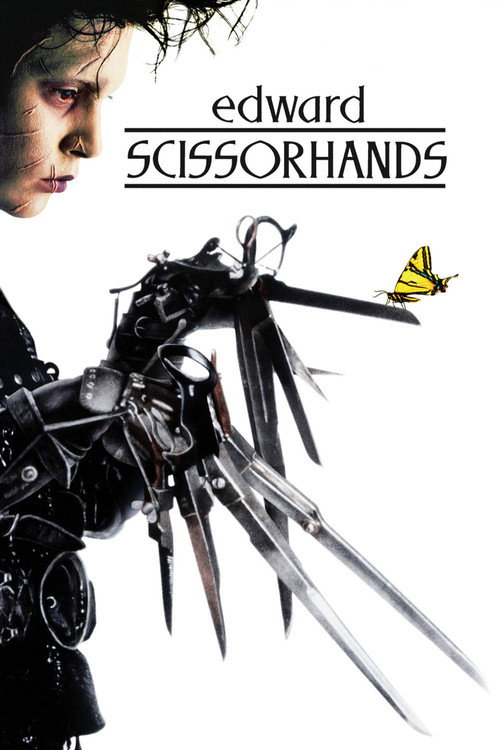
Edward Scissorhands1990
Burton's other great modern fairy tale, with the same suburban-meets-storybook visual language and the same tender sadness underneath the whimsy.
But More melancholy and less narratively playful — it's a fable, not a puzzle box like Big Fish.
Not sure tonight? Get a pick in a minute, starting from Big Fish
The wildcard
Something you would not have found on your own.
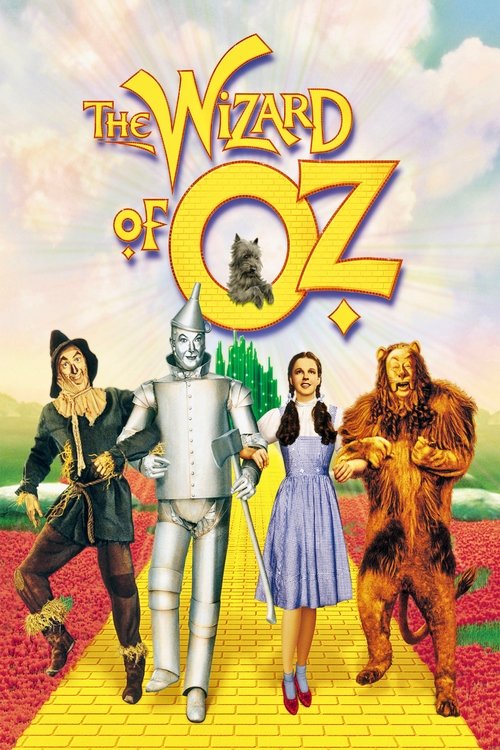
The Wizard of Oz1939
Both films use an impossible-seeming adventure as the truest way of understanding a life and a home — Oz is Big Fish's fantastical grandparent.
The original template for a story that might be a dream, might be real, and matters either way — a fantastical journey that ends with someone finally seeing home clearly.
But Dated effects and a much simpler moral arc than Big Fish's slippery, ambiguous ending.
More like this (8)
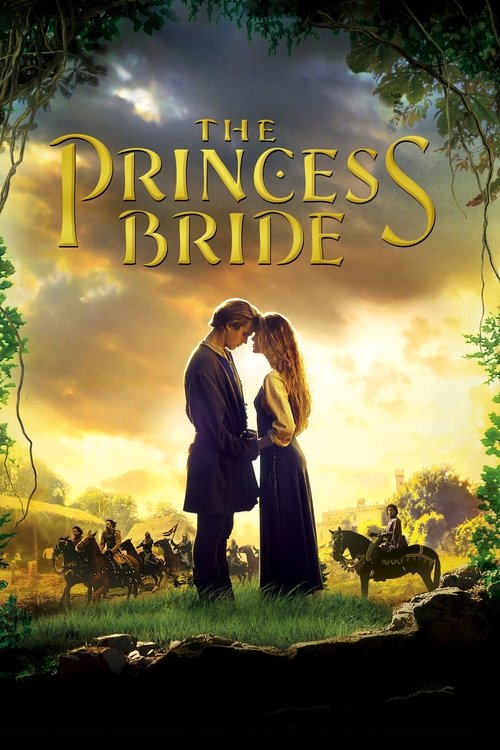
The Princess Bride1987
A story told by one generation to skeptical younger ears, constantly interrupted by disbelief — the same grandfather-narrator device, just with more sword fights and one-liners.
But Pure fantasy adventure with none of Big Fish's grief or father-son reckoning underneath it.
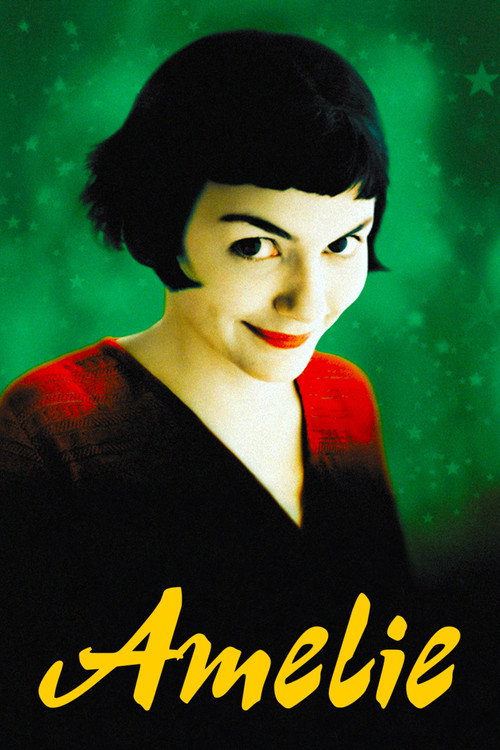
Amélie2001
If you loved the heightened, storybook-colored version of reality, this is that same impulse turned toward a lonely Parisian waitress instead of a Southern traveling salesman.
But Almost no plot in the conventional sense — it's mood and whimsy over momentum.
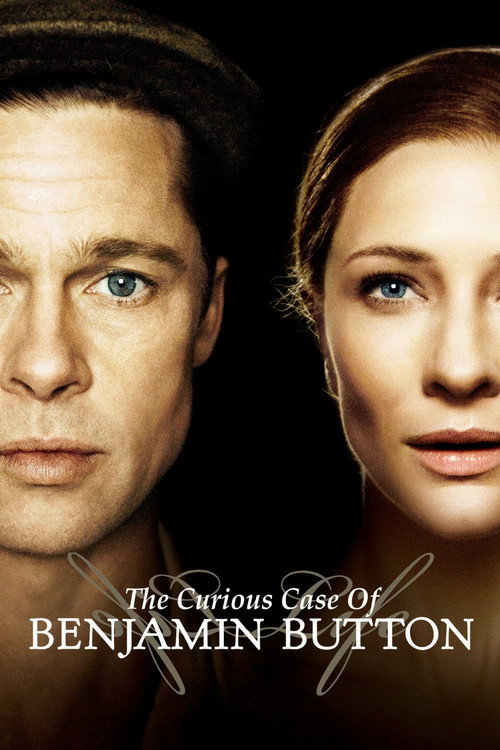
The Curious Case of Benjamin Button2008
Another sprawling, magical-realist life story stretched across decades, weighing mortality and memory with the same soft-focus tenderness.
But Slower and more elegiac — it trades Big Fish's wit for a much heavier, more melancholic pace.
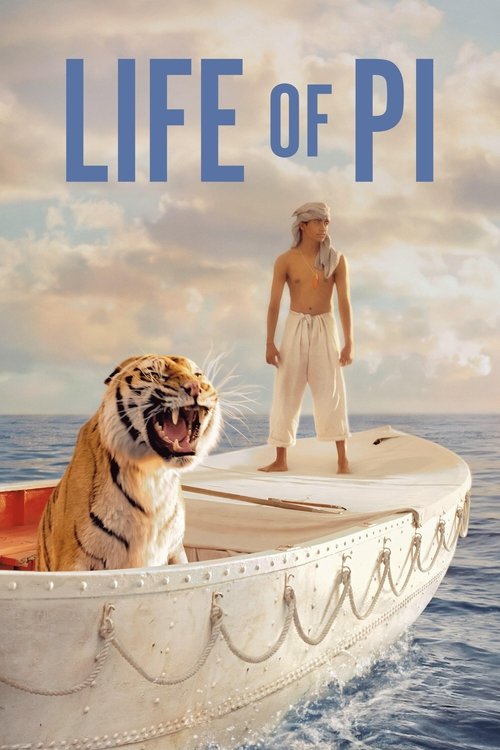
Life of Pi2012
Directly asks Big Fish's central question — does it matter if a story is true, if the better story is also the truer one — through a survival tale rather than a family one.
But Visually stunning but more philosophical and detached; less warmth, more contemplation.
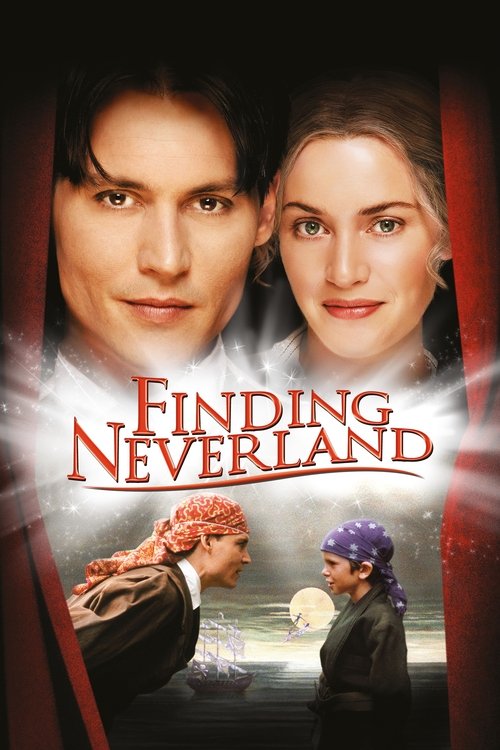
Finding Neverland2004
J.M. Barrie's imagination bleeding into real grief, with the same idea that fantasy can be a way of telling the truth about loss rather than avoiding it.
But More restrained and British in tone — less flamboyant spectacle, more quiet heartbreak.
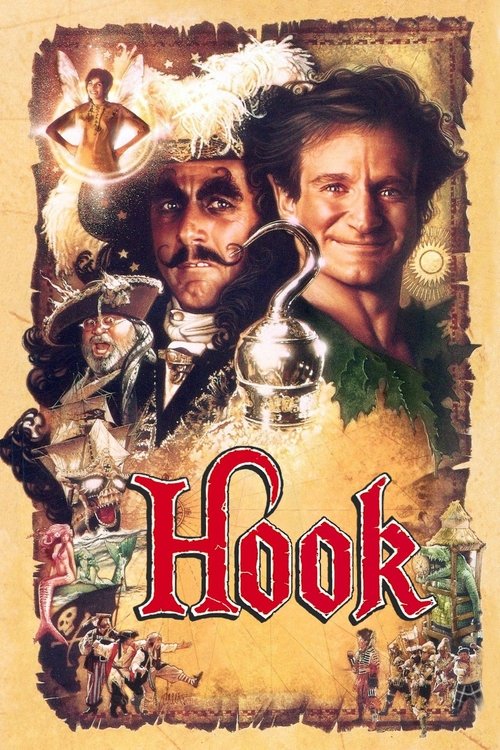
Hook1991
Spielberg's take on a father who's forgotten how to be extraordinary, and the son who has to relearn who his old man really was underneath the fantasy.
But Broader and more kid-aimed, with '90s effects that show their age next to Big Fish's polish.
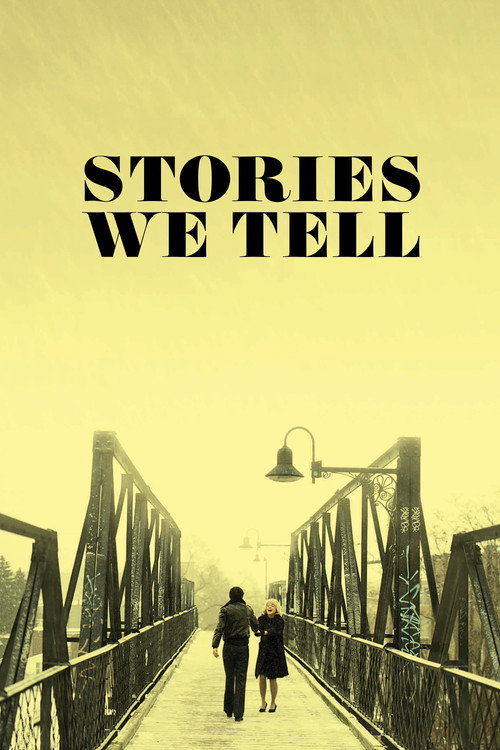
Stories We Tell2012
It's Big Fish's premise stripped of magic and Burton's stagecraft: an actual family reconstructing an unreliable parent's story to find out who they were.
Sarah Polley's documentary digs into her own family's contradictory memories of her mother, using re-enactment and shifting testimony to ask exactly what Big Fish asks — whose version of a parent is the real one?
But No fantasy, no spectacle, just people talking — a much quieter, rawer experience with a real emotional gut-punch.
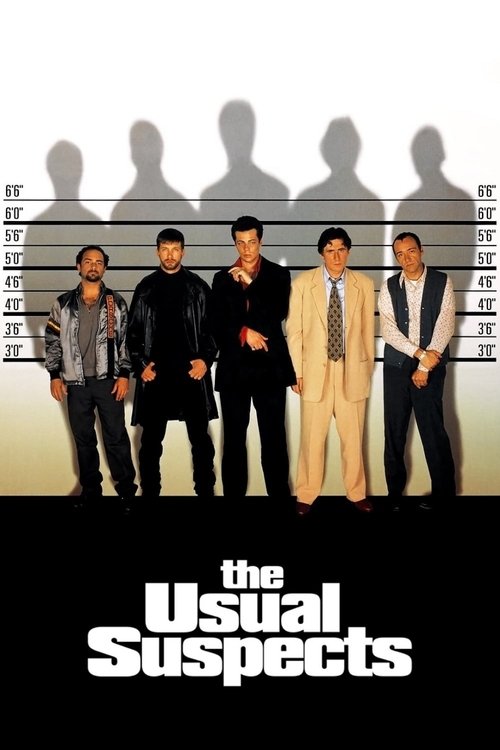
The Usual Suspects1995
Same engine — a charismatic storyteller who may be lying, and a listener deciding how much the truth even matters — reworked as pure genre suspense instead of family sentiment.
A man spins an increasingly elaborate, possibly fabricated story to a captive audience, and the film delights in making you fall for the telling as much as the truth.
But Cold, twisty crime thriller with none of Big Fish's warmth — this unreliable narrator has much darker motives.
People
Cast
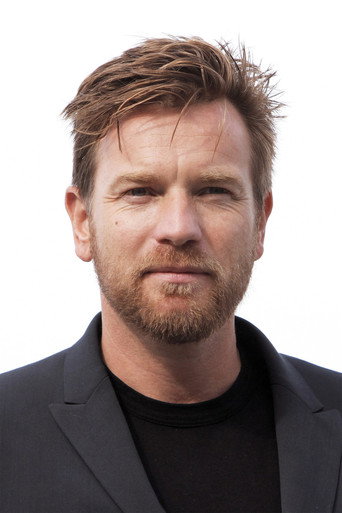 Ewan McGregorEd Bloom (young)
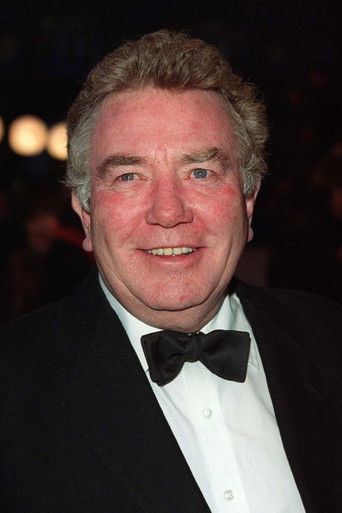 Albert FinneyEd Bloom (senior)
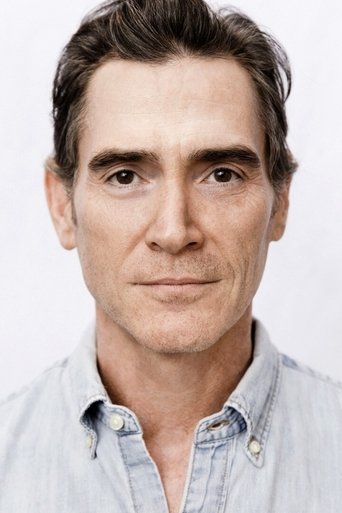 Billy CrudupWill Bloom
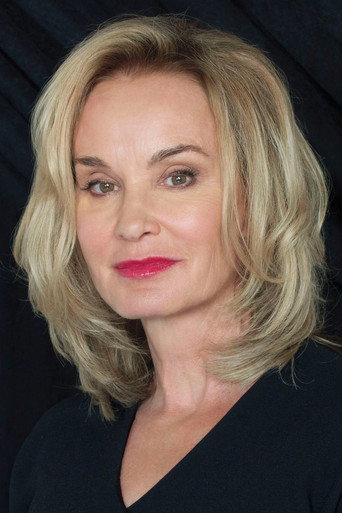 Jessica LangeSandra Bloom (senior)
 Helena Bonham CarterJenny (young & senior) / The Witch
 Alison LohmanSandra Bloom (young)
 Robert GuillaumeDr. Bennett (senior)
 Marion CotillardJosephine
 Matthew McGroryKarl the Giant
 David DenmanDon Price (age 18-22)
 Missi PyleMildred
 Loudon Wainwright IIIBeamen
Directing
- Tim BurtonDirector
- Katterli FrauenfelderFirst Assistant Director
- Janna SternScript Supervisor
- Stéphanie ChampaultSecond Assistant Director
- Carlos De La TorreSecond Second Assistant Director
- Vanessa MujicaThird Assistant Director
Writing
- Daniel WallaceNovel
- John AugustScreenplay
Production
- Dawn BlackstenAssistant Location Manager
- Kerin FeralloAssistant Production Coordinator
- Kevin FlatowAssistant Production Manager
- Guillaume LefrançoisAssistant Unit Manager
- Katterli FrauenfelderAssociate Producer
- Denise ChamianCasting
- Ingrid JungermannCasting Assistant
- Dena BermanCasting Associate
- Arne SchmidtExecutive Producer
- Joan Johnson MillerExecutive Producer's Assistant
- Janella BersabalExtras Casting Assistant
- Maryellen AvianoExtras Casting Coordinator
- Rick BacaFirst Assistant Accountant
- Michael ElsonHead of Production
- Jason ArringtonKey Production Assistant
- Robin CitrinLocation Manager
- Marianne ShiffrarPayroll Accountant
- Bruce CohenProducer
- Dan JinksProducer
- Richard D. ZanuckProducer
- Christine BodelotProduction Accountant
- Scott BerrieProduction Assistant
- Aimee LagosProduction Coordinator
- Geraldine NicheProduction Coordinator
- Olivier SuffertProduction Driver
- Dean ZanuckProduction Executive
- Ségolène Amice LagnyProduction Secretary
- Noelle CoughlanSecond Assistant Accountant
- Debra JamesUnit Production Manager
Recommended by
The Princess Bride, Forrest Gump, Indiana Jones and the Last Crusade, The Illusionist, The Adventures of Baron Munchausen, Ed Wood, Tucker: The Man and His Dream, Harvey, Cinema Paradiso, Hugo, Like Water for Chocolate, The Curious Case of Benjamin Button, Life of Pi, Stories We Tell, Beetlejuice, Edward Scissorhands, A Monster Calls, American Splendor, The Fountain, Welcome to Marwen, Lars and the Real Girl, The Usual Suspects, Nightmare Alley, The Fisher King, Pushing Daisies, The Pirates! In an Adventure with Scientists!, Radio Days, Field of Dreams, Tangled, Stranger Than Fiction, The Fabelmans, Patch Adams, Love on a Leash, The Legend of 1900, Tiny Fugitives, The Great Yokai War, August Rush