
Film
Like Water for Chocolate
A young Mexican woman forbidden from marrying the man she loves pours everything she can't say into the food she cooks, and everyone who eats it feels exactly what she feels. It's lush, sensuous melodrama with a magical-realist engine — grief, lust and rage served as dinner. Gorgeous to look at, unabashedly romantic, and for anyone who wants their heartbreak with a side of cinnamon and chile.
If you liked this
Chocolat2000
The closest cousin this film has: a woman's cooking works like quiet sorcery on a repressed town, unlocking desire and grief one bite at a time.
But Gentler and more whimsical — it trades Tita's raw heartbreak for a cozier, crowd-pleasing kind of magic.

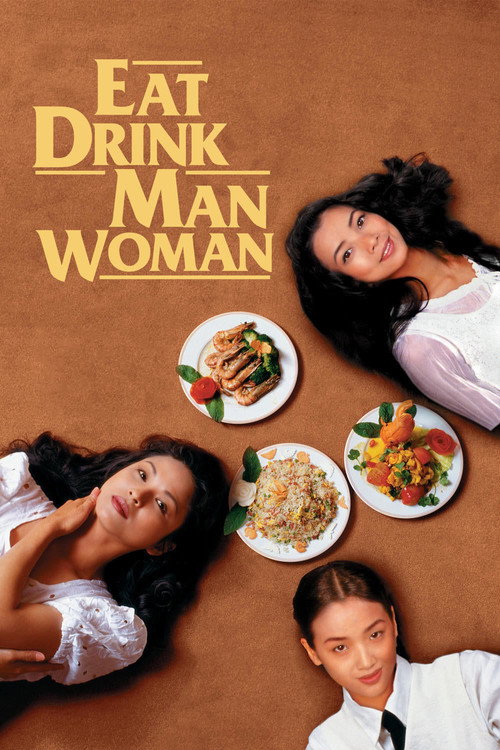
Eat Drink Man Woman1994
A widowed Taiwanese chef and his three daughters communicate everything they can't say aloud through elaborate family dinners — food as love letter and argument at once.
But No magical realism here; the emotion is all subtext and silence rather than literal enchantment.
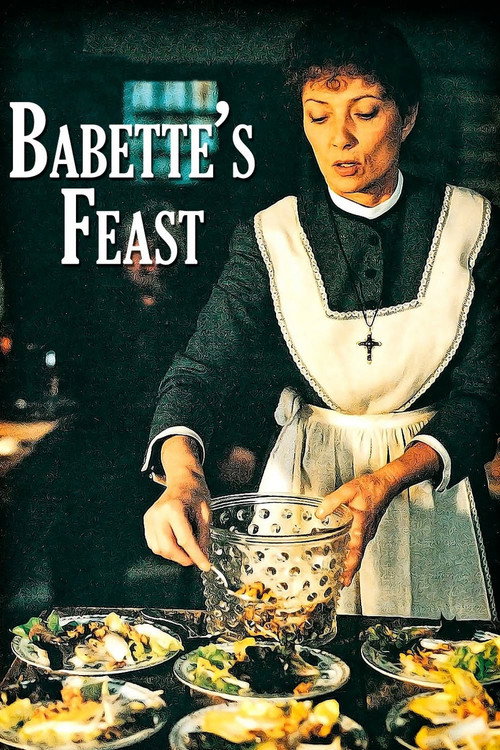
Babette's Feast1987
A single extraordinary meal becomes an act of grace and transformation for a repressed, joyless village — food as something close to religious experience.
But Slow, spare, and Danish-austere; the payoff is one long dinner scene, not a sweeping romance.
The wildcard
Something you would not have found on your own.
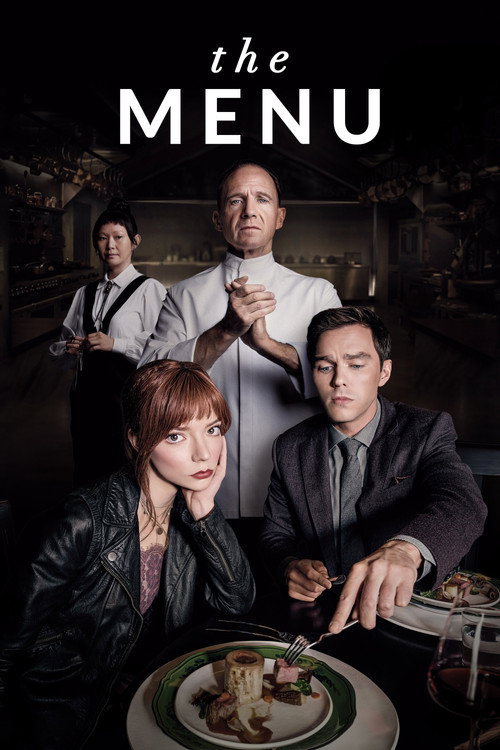
The Menu2022
Same central idea — food as a direct conduit for someone else's feelings, forced onto the person eating it — but pushed from tragic romance into dark comic horror.
A chef weaponizes cuisine to force his diners to feel exactly what he wants them to feel — the same premise as Tita's kitchen, curdled into horror-satire.
But Cold, arch and cruel where the original is warm and yearning; this is food-as-emotion turned into a trap, not a gift.
More like this (8)
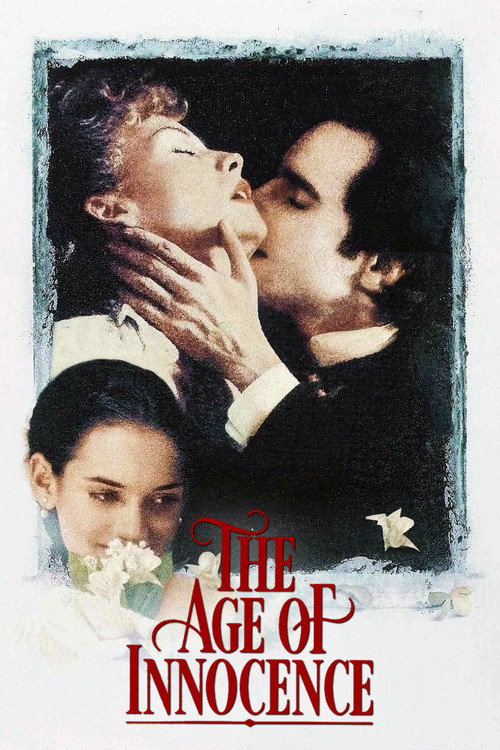
The Age of Innocence1993
Forbidden love, a suffocating family and social order, and a heroine trapped by duty — Scorsese does the corseted melodrama with real teeth.
But All restraint and glances rather than sensuous excess; the passion stays largely unspoken.
Sense and Sensibility1995
Sisters, thwarted marriages, and a mother figure who controls every romantic outcome — the same bones of family duty crushing desire, in Austen's register.
But Wittier and warmer than tragic; you won't get the operatic heartbreak Tita delivers.

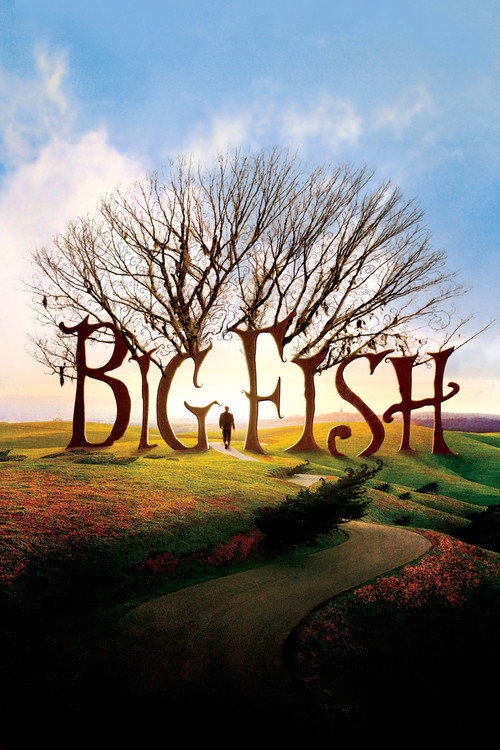
Big Fish2003
A family legend told through tall tales and magical embellishment, where myth becomes the only way to hold grief and love at once.
But American whimsy rather than Mexican melancholy — sweeter, more sentimental, less erotic.
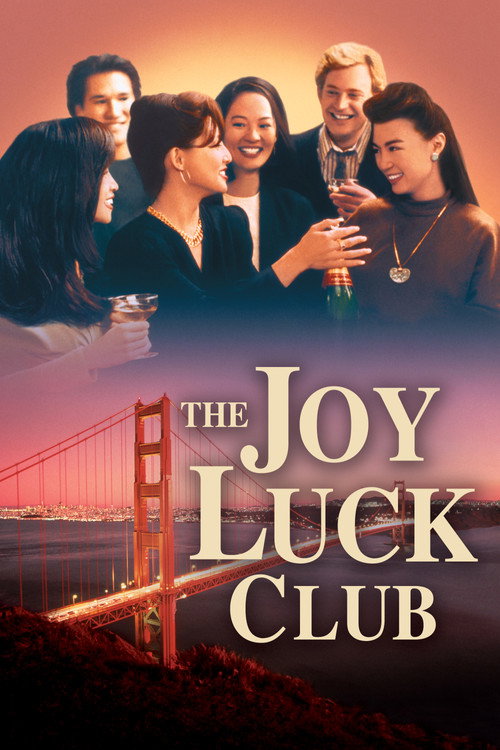
The Joy Luck Club1993
Mothers and daughters locked in generational conflict over love, obedience and inherited pain, told with the same sweeping, multi-decade emotional scope.
But An ensemble of stories rather than one focused romance — less intensity per thread, more breadth.
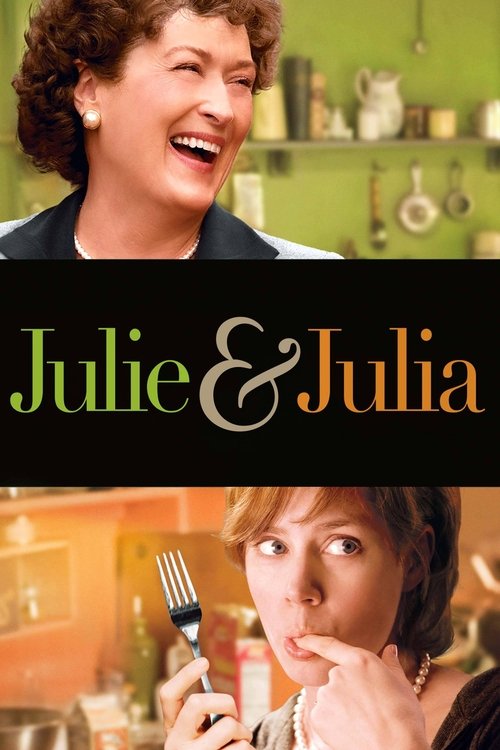
Julie & Julia2009
Cooking as a woman's route to selfhood and joy, threaded through two eras — a much lighter meditation on food as personal transformation.
But Comfortable and cheerful where Tita's story is anguished; this one wants to make you hungry, not heartbroken.
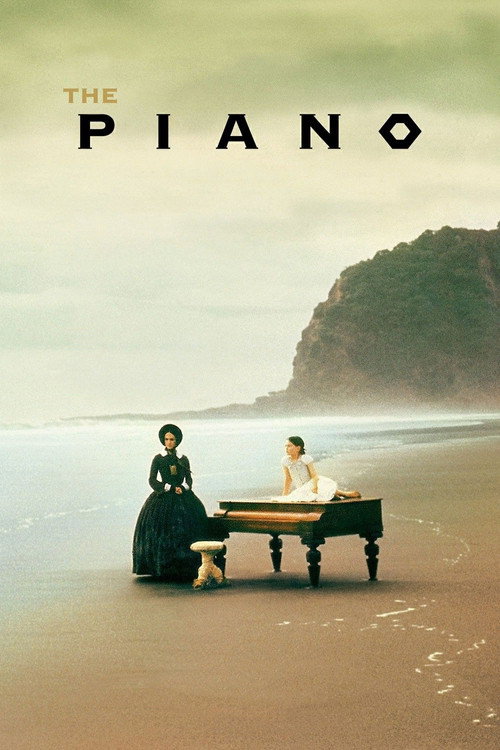
The Piano1993
A woman's suppressed passion finds expression through something other than words — here it's music instead of food, but the ache and the period repression are kin.
But Colder and more brutal in its climax; less warmth, more raw power struggle.
Brief Encounter1945
The same engine — desire crushed by social and familial obligation — rendered nearly a half-century earlier in a wholly different, tightly buttoned register.
A British classic about a love that cannot be acted on, buried under duty and propriety until it nearly destroys the people feeling it.
But Nothing magical or sensuous — all restraint, clipped dialogue, and devastating understatement.

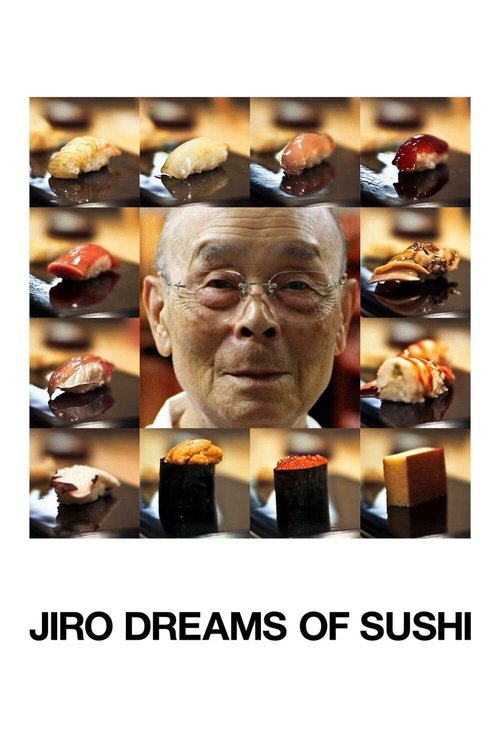
Jiro Dreams of Sushi2011
Same idea that cooking can carry feeling too large for words, but told as real, meditative documentary instead of heightened magical-realist fiction.
A documentary about an elderly sushi master whose entire emotional life — devotion, regret, love for his sons — is expressed almost wordlessly through the food he makes.
But No plot, no romance, no drama in the conventional sense — just quiet, exacting craft and a very different kind of intensity.
People
Cast
 Lumi CavazosTita
 Marco LeonardiPedro Muzquiz
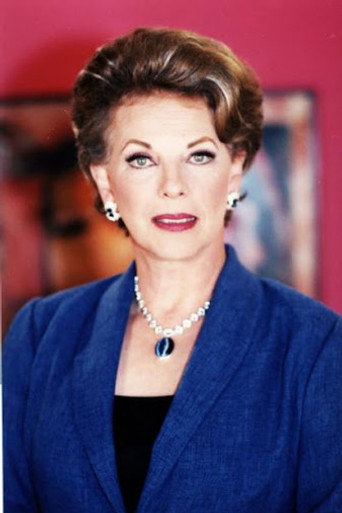 Regina TornéMamá Elena
 Mario Iván MartínezJohn Brown
 Ada CarrascoNacha
 Yareli ArizmendiRosaura
 Claudette MailléGertrudis
- Pilar ArandaChencha

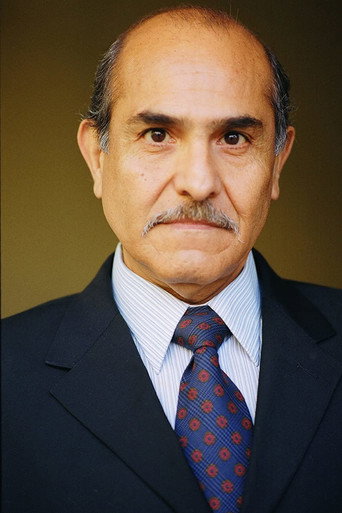 Joaquín GarridoSergeant Treviño
 Margarita IsabelPaquita Lobo
- Sandra ArauEsperanza
Directing
- Alfonso ArauDirector
Writing
- Laura EsquivelNovel
- Laura EsquivelScreenplay
Production
- Claudia BeckerCasting
- Felipe FernandezCasting
- Alfonso GranadosLocation Manager
- Alfonso ArauProducer
- Jenny AyalaProduction Coordinator
- Belinda UriegasProduction Manager
- Emilia ArauProduction Manager
- Óscar CastilloProduction Manager