
Film
Lower City
Lower City is a sensual, sun-bleached portrait of desire and male friendship fracturing under pressure in Salvador, Brazil. Director Fernando Meirelles trades his urban violence for something rawer and more intimate—a triangle that feels less like melodrama than like watching friendship corrode in real time. It's for anyone who wants to feel something unsettling.
Should you watch it?
Watch it if you like loose, sweaty character dramas where friendship and desire rub against each other in a port city, and you don't mind a story that keeps its hands in its pockets.
Skip it if you need plot to move briskly; this is a slow, sensual drift with long stretches of heat, humidity and mood, and its moral mess is left unresolved.
What it asks of you: Expect a leisurely runtime of under 100 minutes that trusts silence and glances, asking you to sit with uncomfortable choices rather than hurry toward a verdict.
Not sure? Find tonight's pick in a minute.
If you liked this
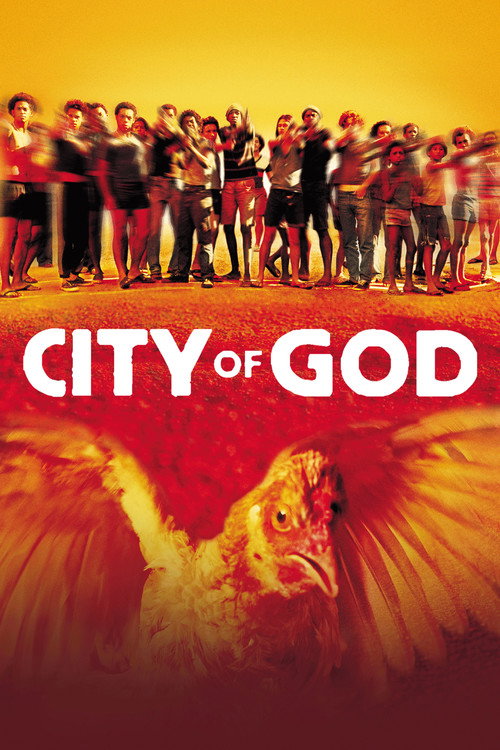
City of God2002
Meirelles's masterpiece of fractured lives in Rio favelas. Visceral, structurally daring, and genuinely tragic. If you respond to Lower City's milieu and moral texture, this is essential.
But Relentlessly brutal. The violence isn't decorative, and the pace can exhaust rather than excite some viewers.
Pixote1980
Brazilian cinema's unflinching account of street children, poverty, and survival. Raw, deeply empathetic, and constructed with documentary precision. A spiritual ancestor to Lower City's style.
But Extremely dark, with real child actors in harrowing situations. Not emotionally light, and some viewers find the realism overwhelming.

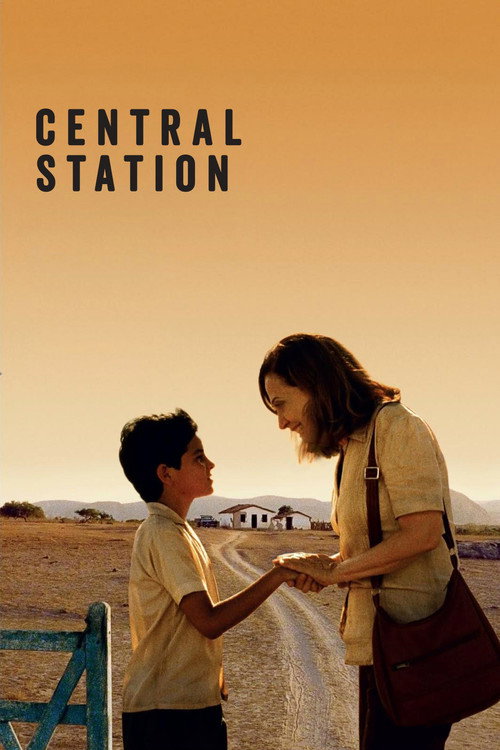
Central Station1998
Dardenne-like intimacy applied to Brazil's human landscape. Two characters, a journey, unfolding trust and damage. Deeply moving without sentiment.
But Paced slowly and deliberately. If you need plot momentum, this won't provide it.
Not sure tonight? Get a pick in a minute, starting from Lower City
The wildcard
Something you would not have found on your own.
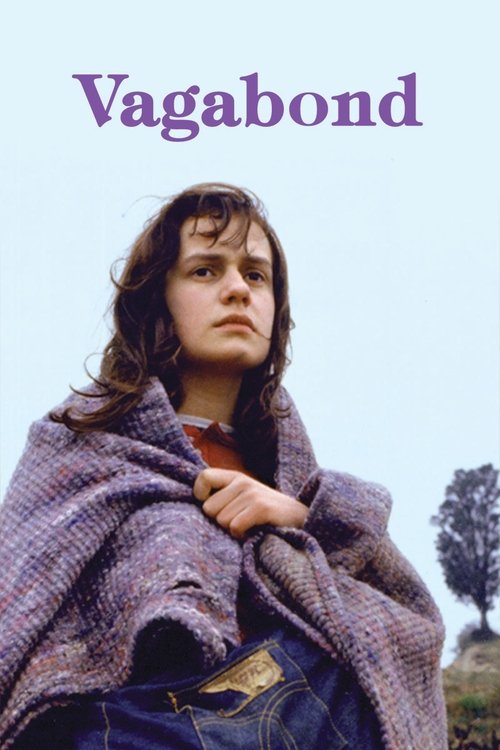
Vagabond1985
Both films use a central figure (Karinna, Mona) as a kind of mirror reflecting the viewer into moral complexity rather than judgment. Both reject the idea that desire is simple or that desire's aftermath can be.
Agnès Varda's masterpiece: a dead woman, and the film works backward through the people who knew her. Like Lower City, it's interested in how one person—often destructive, often unknowable—can reshape everyone around them. Varda refuses judgment or explanation.
But Deliberately fragmented and anti-narrative. Bleak, and offers no catharsis or resolution. Demands active interpretation.
More like this (7)
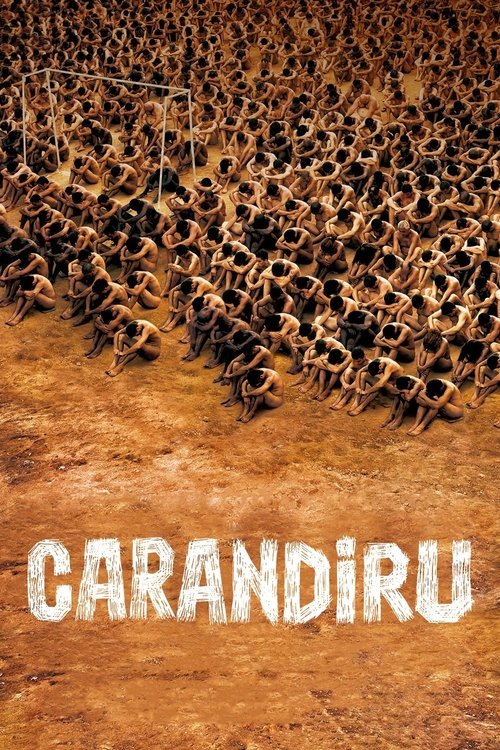
Carandiru2003
Interweaving stories from inside Brazil's most notorious prison. Hector Babenco directs with human complexity rather than exploitation. Transforms rage into understanding.
But Prison narratives can feel exploitative; this one largely resists that, but the subject matter is inherently heavy.
Madame Satã2002
Karim Aïnouz's fever-dream of a cabaret performer in 1930s Rio. Sensual, dangerous, visually baroque. Shares Lower City's interest in desire outside respectability.
But Deliberately artificial and stylized. If you want naturalism or clear narrative, this is the opposite.

Like Water for Chocolate1992
Desire, family pressure, and sensuality in Latin America. Lush and deeply romantic in ways that echo Lower City's interest in how passion destroys structures.
But Magical realism and romance might feel slight next to Lower City's grounded fatalism.

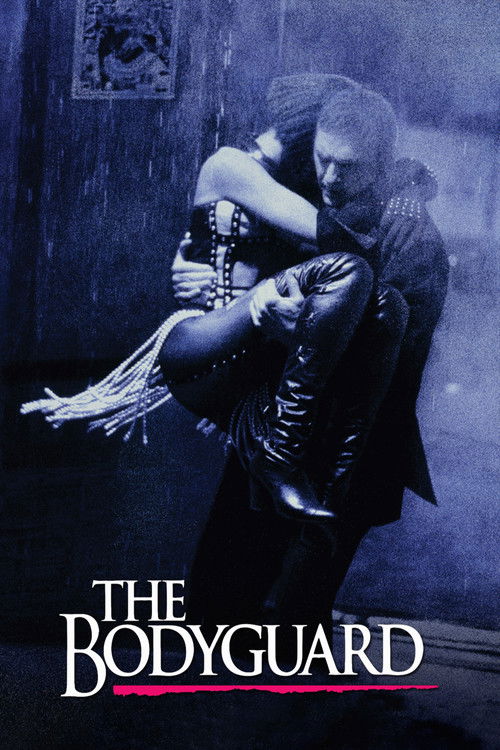
The Bodyguard1992
Two men, desire, and friendship tested by attraction. Quiet, intimate Brazilian portrait of sexuality and vulnerability with real emotional stakes.
But Understated to the point of slowness. Very little plot; mostly observation and mood.
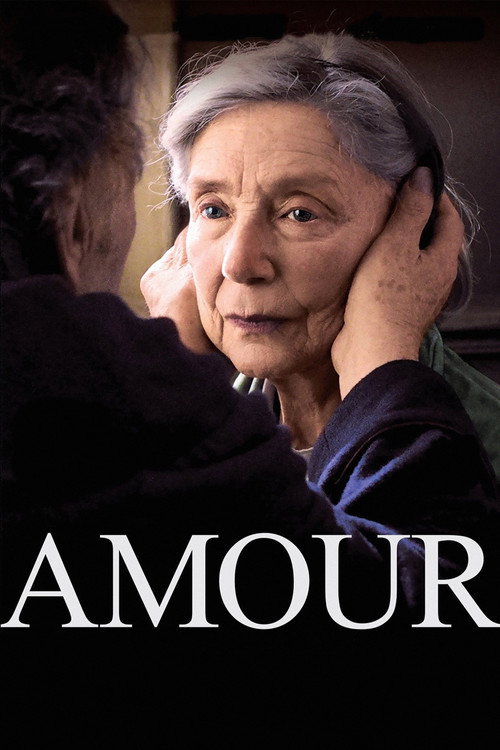
Amour2012
Haneke's unflinching study of a relationship under siege from age and illness. Like Lower City, it refuses to look away from damage and refusal, but inverts the milieu entirely.
But Austere and formally cold. Also deeply depressing in ways that might flatten the viewing experience.
Tieta of Agreste1996
Brazilian melodrama about a woman's return to a small town and the desire and scandal it ignites. More overtly a genre film than Lower City, but the same interest in how one person unmoors a place.
But Broader and more traditionally melodramatic. If you want Lower City's seriousness and reserve, this will feel almost campy.

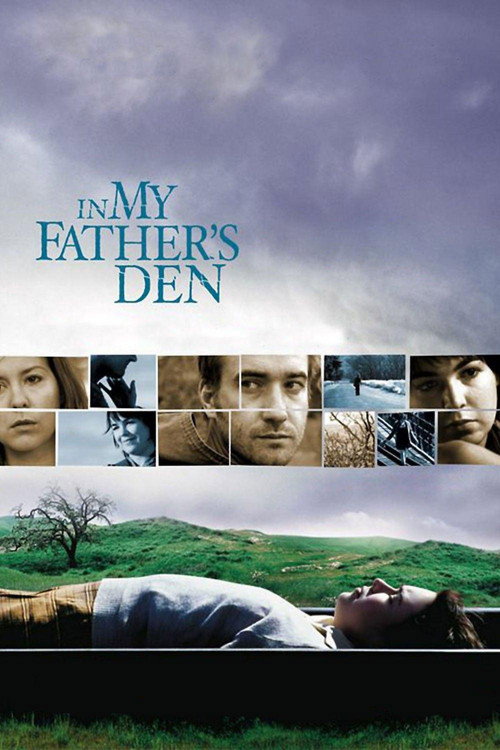
In My Father's Den2004
Both films are genuinely interested in what attraction does to male friendship and social order. Both refuse to make the woman a villain or the men victims. Both are bleak about the possibility of coexistence after desire.
New Zealand drama where a man returns home and a young woman enters his life, quietly upending everything. Architecturally similar—a confined emotional triangle in a specific place—but inverts Lower City's register: slower, colder, more introspective.
But Subdued and intellectually demanding. Plot is minimal; it's essentially a study of how people fail to communicate.
People
Cast
 Lázaro RamosDeco
 Wagner MouraNaldinho
 Alice BragaKarinna
 Maria MenezesLuzinete
 João MiguelEdvan
- Débora SantiagoSirlene
 Hugo RodasComandante Chileno
 Divina ValériaZilú
- Dois MundosDois Mundos
 José DumontSergipano
- Harildo DédaCareca
Directing
- Sérgio MachadoDirector
Writing
- Adriana RattesCo-Writer
- Gil Vicente TavaresCo-Writer
- Karim AïnouzScreenplay
- Sérgio MachadoScreenplay
Production
- Donald RanvaudAssociate Producer
- Robert BevanAssociate Producer
- Mauricio Andrade RamosProducer
- Walter SallesProducer