
Film
Tieta of Agreste
- Comedy
- Light-hearted
A joyful Brazilian comedy about a woman who returns to her conservative hometown after 26 years in exile, armed with money, confidence, and no interest in fitting back in. Sonia Braga is radiant and mischievous. It's a film about reclaiming your life and watching a rigid world crack open under the pressure of one woman's refusal to be small.
Should you watch it?
Watch it if you enjoy small-town satire where gossip, sensuality and hypocrisy get a cheerful roasting, and you like comedy with a warm, lived-in Brazilian texture.
Skip it if you want brisk, tightly plotted comedy, since this one ambles through village episodes and broad, theatrical performances across its two hours.
What it asks of you: Patience with a loose, episodic rhythm and a crowd of colourful village characters to keep straight, settling in for nearly two hours rather than a quick laugh.
Not sure? Find tonight's pick in a minute.
If you liked this
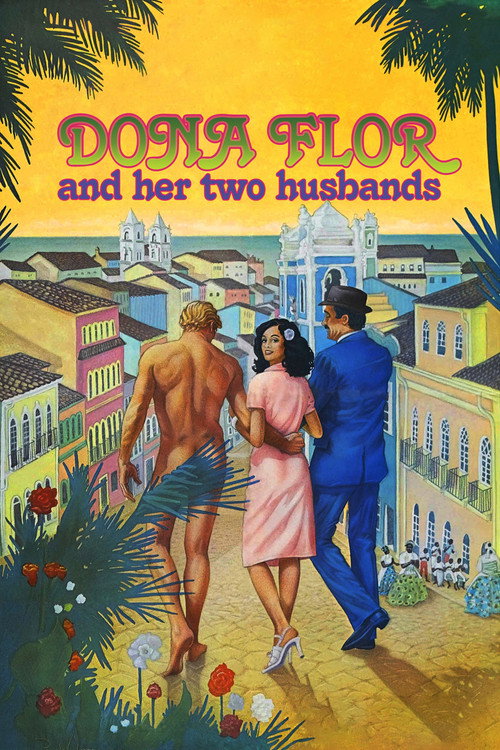
Dona Flor and Her Two Husbands1976
The template for bawdy Brazilian cinema: sensual, funny, centred on a woman's desires and pleasures. Sonia Braga commands the screen with the same radiant energy, and the film has that same warm irreverence toward small-town morality.
But The erotic content and its casual attitude toward sex may feel dated or uncomfortable depending on your tolerance for 1970s attitudes, even playfully presented ones.
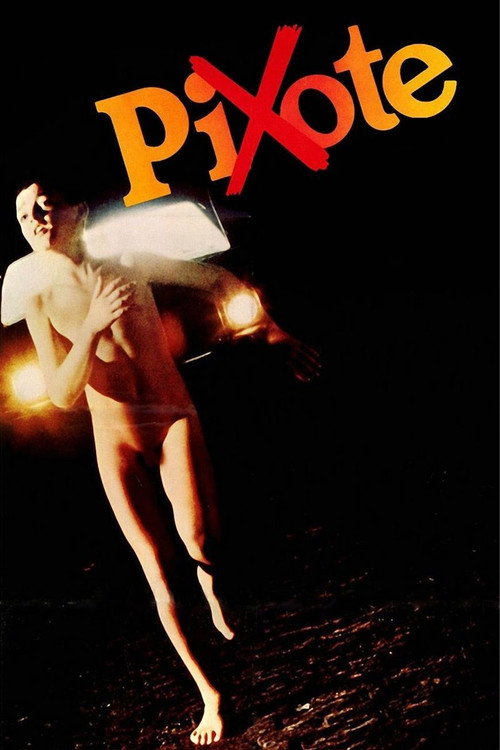
Pixote1980
Perhaps the greatest Brazilian film of its era, about street children in São Paulo. It has Tieta's unblinking look at how communities fail their own, but with moral weight that makes you feel every consequence.
But It's brutal and bleak in a way Tieta never is—if you want comedy and warmth, this will exhaust you emotionally.
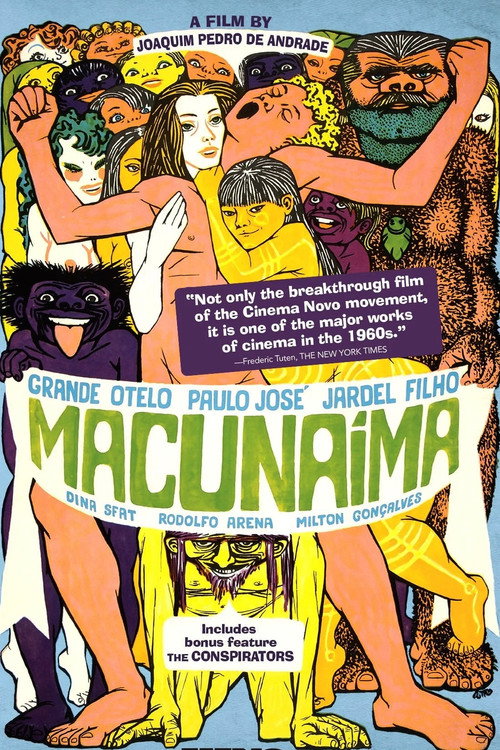
Macunaima1969
A wildly inventive Brazilian comedy that plays with narrative structure, mythology, and national identity. Shares Tieta's irreverence and its willingness to treat cultural pretension as comedy fodder.
But It's deliberately surreal and fragmented; if you prefer straightforward storytelling, the constant tonal shifts and non-sequiturs will frustrate.
Not sure tonight? Get a pick in a minute, starting from Tieta of Agreste
The wildcard
Something you would not have found on your own.
Welcome to Collinwood2002
Both are comedies structured around how a single charismatic outsider's return or arrival destabilizes an entire town's social order, turning conformity into comedy.
An American ensemble comedy about a small town being upended by an outsider's arrival. It has the same DNA—chaos as comedy, rigid communities meeting irreverence—but filtered through a completely different cultural register, proving the structure works everywhere.
But It's much broader and less sensual than Tieta; the humor lands differently and some gags land too broad.

More like this (5)
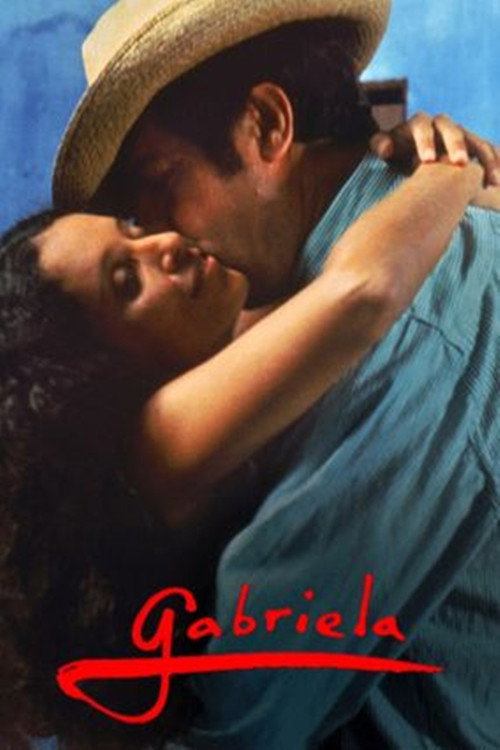
Gabriela1983
Another celebration of female sexuality and independence set in Brazil, with music, color, and a woman refusing to be defined by others' expectations. Lighter than Pixote, more sensual than austere.
But Romance-focused in a way some find conventional; the gender dynamics, while progressive for the time, don't hold up perfectly to modern scrutiny.
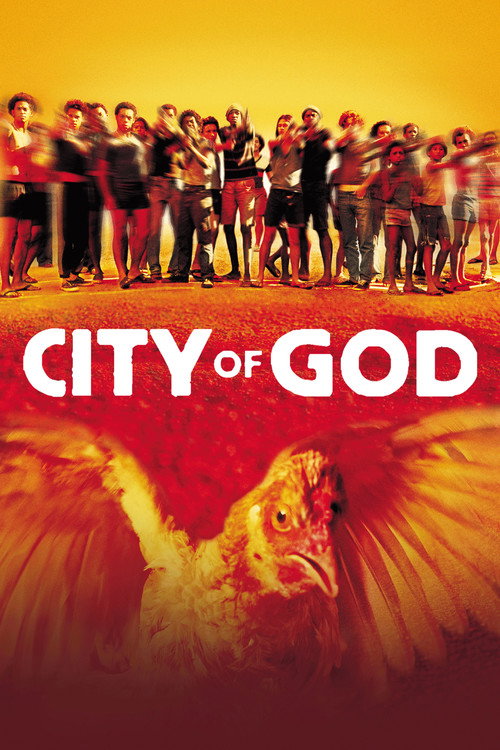
City of God2002
A Brazilian film of immense energy about power, community, and transformation. It shares Tieta's interest in how individuals reshape their social worlds, though from a much darker angle.
But It's violent and formally experimental in ways that can feel exhausting; the kinetic style, while brilliant, wears some viewers out.
The Spy Who Loved Me1977
A Brazilian comedy about vanity, ambition, and self-invention starring Xuxa. It has similar DNA—female protagonist, small-town/provincial setting, comedy drawn from social friction.
But It's much lighter and more disposable than Tieta; the comedy is broader and the stakes feel lower.

Three Colors: White1994
Both centre on someone returning from exile to their hometown after decades away and using that return to reclaim power and dignity, though one reaches for transcendence and the other for joy.
Kieślowski's tragicomedy about a Polish hairdresser returning home after exile in France, navigating humiliation and reinvention. The tone is bitingly different from Tieta, but it's asking the same question: what does it mean to come home?
But It's European arthouse cinema—elegiac, austere, and chilly where Tieta is warm. The bleakness and irony may feel punishing rather than freeing.

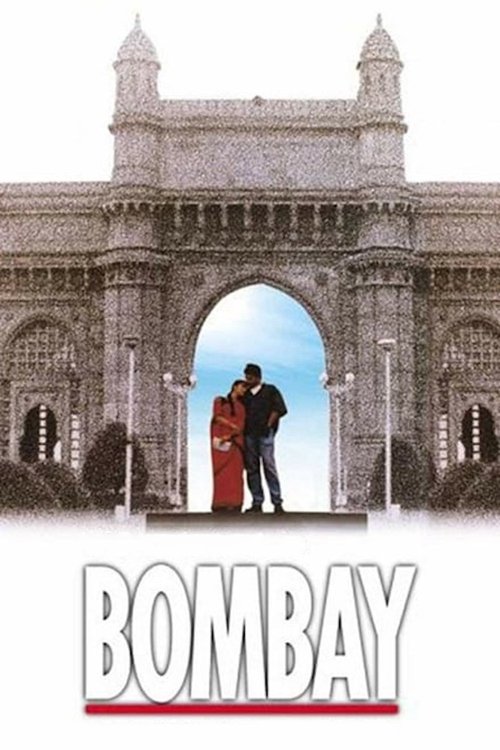
Bombay1995
Both are celebrations of cinema's power to render joy, chaos, and social transformation in full color and movement, with music and sensuality woven through as resistance to constraint and control.
Mani Ratnam's Hindi film about love and community across religious lines, set amid urban chaos and transformation. It shares Tieta's visual exuberance, musical joy, and belief that cinema can show you a world reorganizing itself.
But It's in Tamil and Hindi with subtitles, and its melodramatic register is very different—grander, more operatic, less intimate than Tieta's comedy.
People
Cast
 Sonia BragaAntonieta Esteves Cantarelli (Tieta)
 Marília PêraPerpétua Esteves Batista
 Chico AnysioZé Esteves
 Cláudia AbreuLeonora Cantarelli
 Zezé MottaCarmosina
 Jece ValadãoDario
- Leon GóesAscânio Trindade
 Patrícia FrançaMaria Imaculada / Antonieta Esteves (Tieta - jovem)
 Heitor MartinezRicardo Esteves Batista
- Noélia MontanhasMaria Antônia Esteves (Tonha)
- Débora AdornoElisa Esteves D'Alembert
 Caco MonteiroRamiro D'Alembert
Directing
- Isabel DieguesAssistant Director
- Carlos DieguesDirector
Writing
- Jorge AmadoNovel
- Antônio CalmonScreenplay
- Carlos DieguesScreenplay
- João Ubaldo RibeiroScreenplay
Production
- Vicente AmorimAssistant Production Manager
- Carlos DieguesCo-Producer
- Sonia BragaCo-Producer
- Miguel Faria Jr.Executive Producer
- Telmo MaiaExecutive Producer
- Bruno StroppianaProducer
- Donald RanvaudProducer