
Film
Dona Flor and Her Two Husbands
A widow remarries a respectable doctor, only to have her first husband's ghost return—invisible to everyone but her. This 1976 Brazilian comedy-fantasy balances slapstick chaos with genuine tenderness, celebrating sensuality and mess over propriety. It's endlessly charming, sexy without apology, and genuinely funny.
Should you watch it?
Watch it if you enjoy a sensual, warm-hearted comedy about appetite, marriage and the stubborn pull of an old love, told with Brazilian street color and a knowing wink.
Skip it if you need brisk plotting, since it takes its time over domestic detail and its bawdy humor sometimes sits uneasily beside its sentimentality.
What it asks of you: Settle in for just under two hours of unhurried, talky scenes, with the tone swinging between bawdy farce and tender melancholy.
Not sure? Find tonight's pick in a minute.
If you liked this
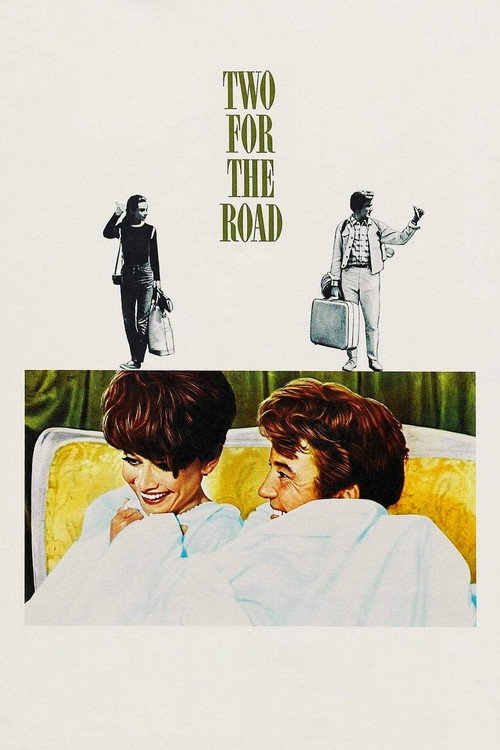
Two for the Road1967
Audrey Hepburn and Albert Finney navigate marriage across decades and locations. Like Dona Flor, it's witty about the gap between romantic fantasy and daily reality, and asks whether passion or stability matters more.
But The non-linear structure can feel scattered. It's more talky than plot-driven, which won't satisfy anyone wanting straightforward narrative momentum.
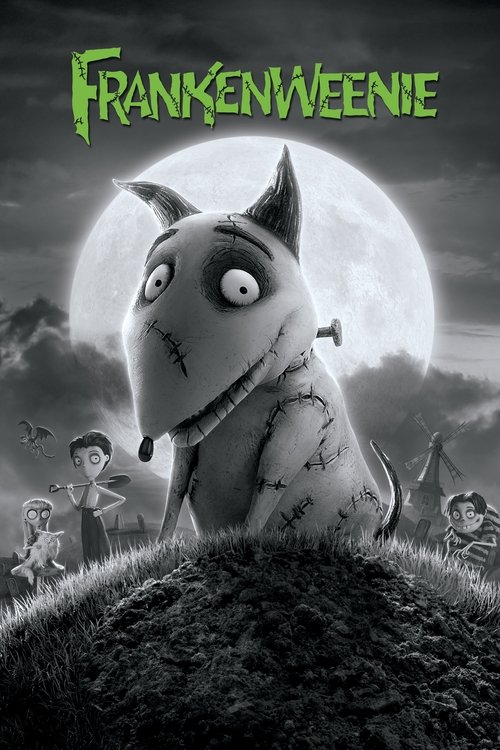
Frankenweenie2012
Tim Burton's stop-motion film about a boy who resurrects his dead dog splits the difference between comedy and genuine emotion with perfect tonal control. Both films find magic in grief and acceptance rather than denying either.
But It's deliberately claustrophobic and Gothic. If you want warmth and openness, Burton's sensibility will feel cold and mannered.
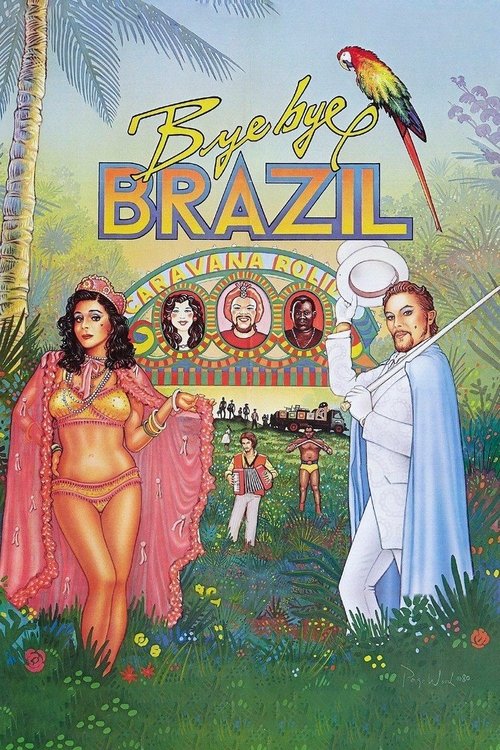
Bye Bye Brazil1980
Another Brazilian gem that mixes magical realism, bawdy humour, and melancholy as a travelling circus moves through changing Brazil. Same era, same country, same refusal to choose between joy and sorrow.
But The episodic structure feels looser than a traditional plot. Some scenes drag, and the satire isn't always sharp enough to justify its leisurely pace.
Not sure tonight? Get a pick in a minute, starting from Dona Flor and Her Two Husbands
The wildcard
Something you would not have found on your own.
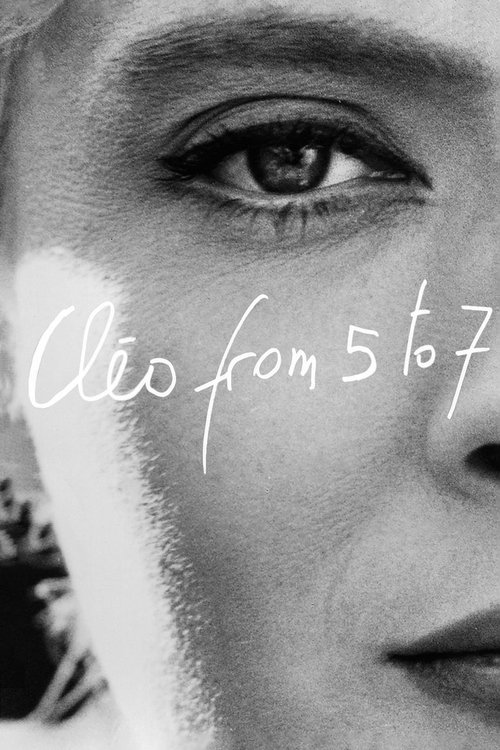
Cléo from 5 to 71962
Both centre a woman's sensuality and autonomy as their entire moral universe. Both are French-influenced (this is French; Dona Flor uses that sensibility) and refuse to punish desire or frame the female body as problem to solve.
Agnès Varda's 90-minute real-time film follows a woman waiting for medical test results through Paris. It's sensual, philosophical, and convinced that time and the female body matter. Both films are radiant about female desire and agency without apology.
But Nothing happens in the conventional sense. It's a woman walking and thinking, and if plot momentum matters to you, this will feel like watching someone's weekend rather than a story.
More like this (7)
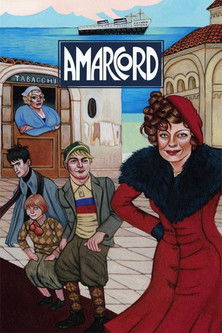
Amarcord1973
Fellini's autobiographical memory-play about a small Italian town is equally bawdy, nostalgic, and wise about desire. Both films treasure sensuality and human mess without cynicism.
But It's deliberately digressive and dreamlike rather than narrative-driven. Three hours of Fellini's Italy may feel self-indulgent if you prefer structure.
Heartbeats2010
Xavier Dolan's Montreal romance explores desire, jealousy, and the gap between who we love and who will love us back. Like Dona Flor, it's frank about wanting without pretending everything works out.
But It's visually stylised to a point some find exhausting. The emotional intensity and deliberately mannered aesthetic won't appeal to anyone wanting subtlety.

A Walk to Remember2002
Mandy Moore and Shane West find real emotion in a story about a good girl and a bad boy that could be maudlin. The film earns its sincerity through restraint and refuses easy sentiment.
But It's a Nicholas Sparks adaptation, and all the attendant predictability comes with it. If you despise tearjerker manipulation, this will feel like being professionally sad at.

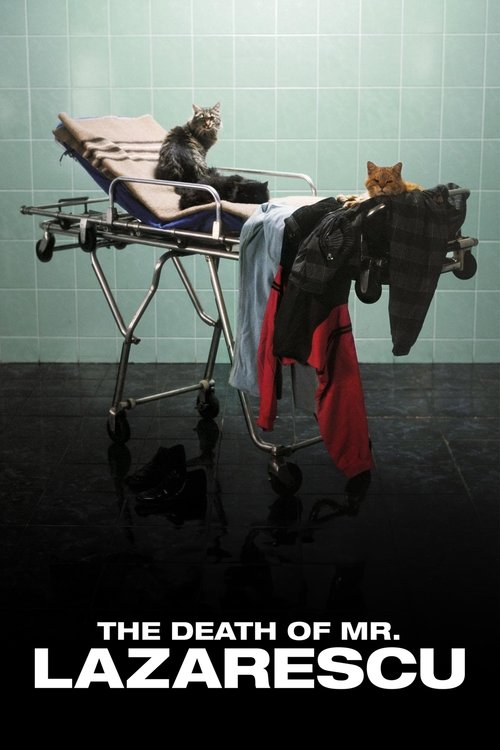
The Death of Mr. Lazarescu2005
A darkly comic Romanian film about an old man's night in hospital mixes observation, absurdism, and genuine pathos. It finds humour and dignity in mess and indignity with surgical precision.
But It's bleak and sometimes cruel. The comedy emerges from suffering and bureaucratic nightmare, which some find more depressing than cathartic.
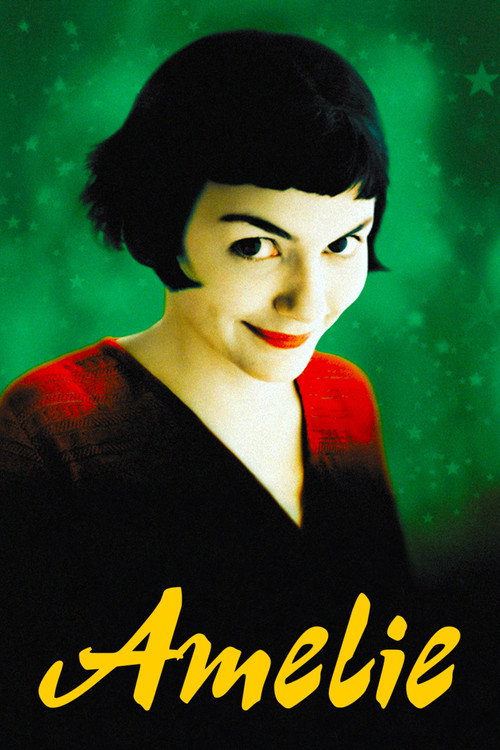
Amélie2001
Whimsical, romantic Paris-set fantasy about a shy waitress fixing other people's lives. Both films marry magical-realist touches with sensory pleasure and believe in small joys and second chances.
But Its aesthetic is calculated to be precious. If you find deliberate whimsy cloying or resent its aggressively charming tone, this will exhaust you within ten minutes.
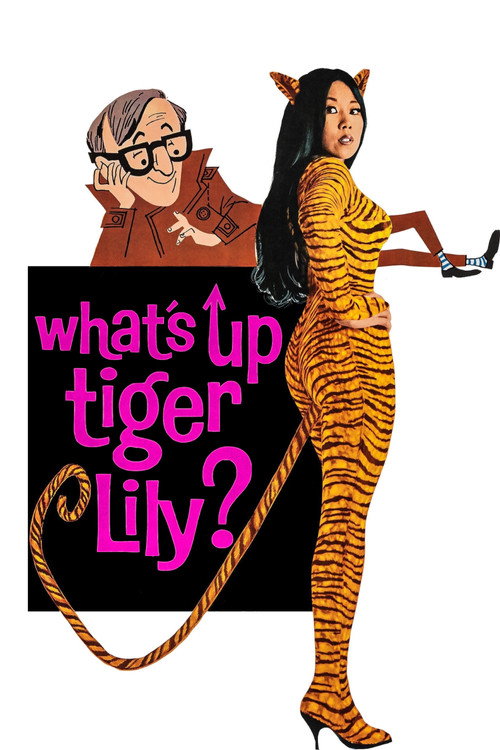
What's Up, Tiger Lily?1966
Both demolish the boundary between what's supposed to happen and what actually does. Plot is a suggestion. The real movie is watching characters react to chaos with style, sensuality, and refusal to apologize.
Woody Allen completely re-dubs and re-narrates a Japanese spy film into nonsense, creating a chaotic comedy about mishearing the world and inventing meaning anyway. Sama absurdist energy—the plot barely matters; joy comes from performance and permission to be ridiculous.
But It's aggressively silly in ways that alienate as many people as they delight. The humor is anarchic rather than constructed, and if you hate Woody Allen's voice in your head, this is torture.
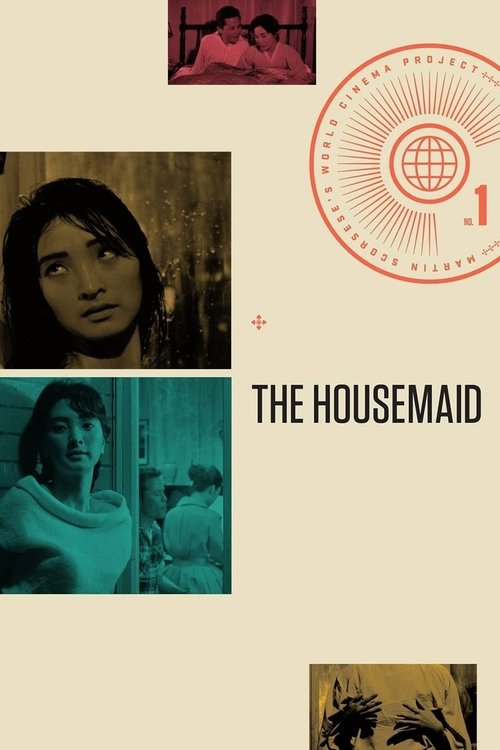
The Housemaid1960
Both films are obsessed with the respectable husband (Teodoro, the family patriarch) and what happens when someone sensual, dangerous, or alive breaches his orderly world. Dona Flor asks: what if you loved both? The Housemaid asks: what if that chaos destroys everything?
Kim Ki-young's Korean Gothic thriller about a housemaid who disrupts a perfect bourgeois family is eerily sensual and genuinely disturbing. It shares Dona Flor's fascination with bodies, desire, and the chaos lurking beneath respectable surfaces—except without warmth or forgiveness.
But It's a horror film that gets cruel and weird. The sensuality is threatening rather than joyful, and the tone is punitive in ways that can feel misogynistic or simply bleak.
People
Cast
 Sonia BragaDona Flor 'Florípides' Guimarães
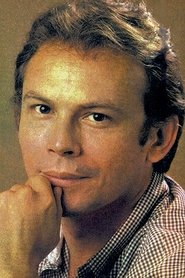 José WilkerWaldomiro 'Vadinho' Santos Guimarães
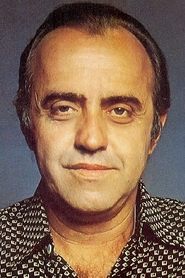 Mauro MendonçaDr. Teodoro Madureira
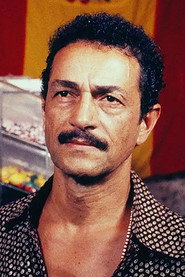 Nelson XavierMirandão
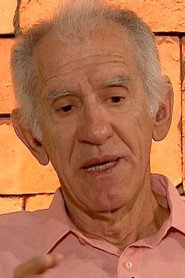 Rui RezendeCazuza
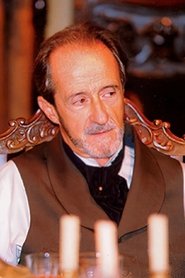 Nelson DantasClodoaldo
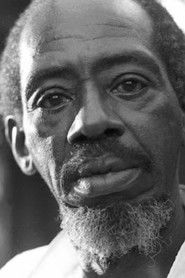 Mário GusmãoArigof
- Wilson MelloVivaldo
 Mara RúbiaClaudete
- Dinorah BrillantiRozilda
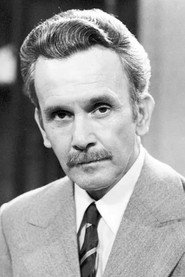 Arthur Costa FilhoCarlinhos the Guitarist
- Haydil LinharesNorminha, Flor's Friend
Directing
- Jorge DuránAssistant Director
- Bruno BarretoDirector
Writing
- Jorge AmadoNovel
- Bruno BarretoScreenplay
- Eduardo CoutinhoScreenplay
- Leopoldo SerranScreenplay
Production
- Nelson PortoAssociate Producer
- Paulo Cesar SessoAssociate Producer
- Paulo Cesar SessoExecutive Producer
- Luiz Carlos BarretoProducer
- Newton RiqueProducer
- Antonio Olavo dos Santos FilhoProduction Assistant
- Fábio BarretoProduction Assistant
- José Eduardo MoraesProduction Assistant
- Osmar CostaProduction Assistant
- Tharya Costalonga GomesProduction Assistant
- Lucy BarretoProduction Coordinator
- Ivan de SouzaProduction Director
- José Carlos EscaleroProduction Director
Recommended by
Los Andes no creen en Dios, Tent of Miracles, O Cravo e a Rosa, Tieta of Agreste, Gabriela