
Film
Gabriela
A 1983 Brazilian romance set in 1920s Ilhéus, where a poor woman's charm and sensuality upend a bar owner's ordered life and challenge the town's rigid class hierarchy. Sonia Braga is magnetic; the film moves with the languor of hot afternoons and dangerous attraction. For anyone who loves slow-burn romance with real stakes, or who wants cinema that feels sun-drunk and alive.
If you liked this
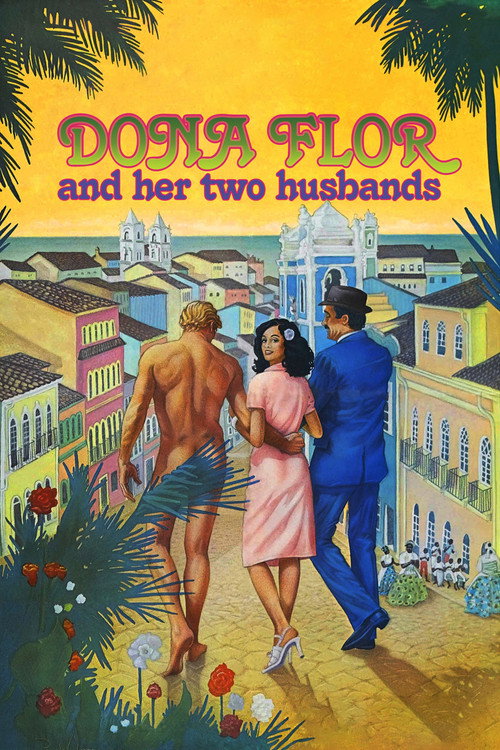
Dona Flor and Her Two Husbands1976
Another Brazilian romance starring Sonia Braga, equally sensual and playful, with similar warmth about desire and marriage. A masterpiece of its kind: funny, erotic, and genuinely touching.
But The magical realism and comedy might feel lighter than you want; it prioritizes pleasure over narrative tension.
The Conformist1971
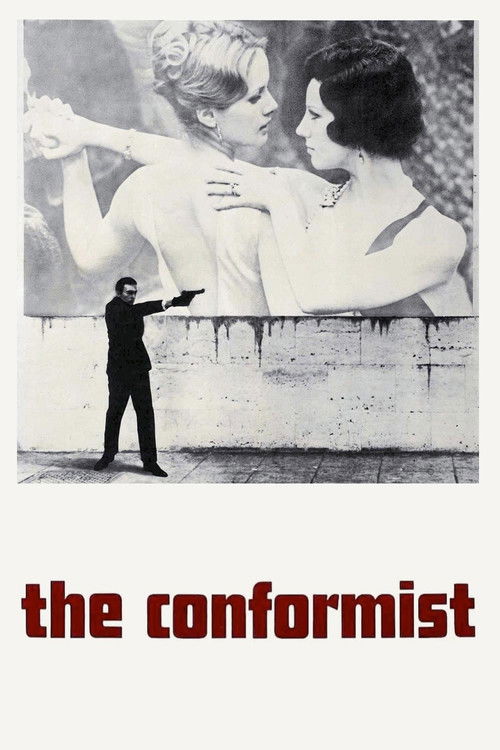
Bertolucci's masterpiece of 1930s Italy uses similar visual elegance and moral complexity to explore desire, power, and social climbing in a fascist world. Mastroianni is extraordinary.
But Philosophically dense and sexually charged in ways that demand active watching; it won't let you coast.
Death in Venice1971
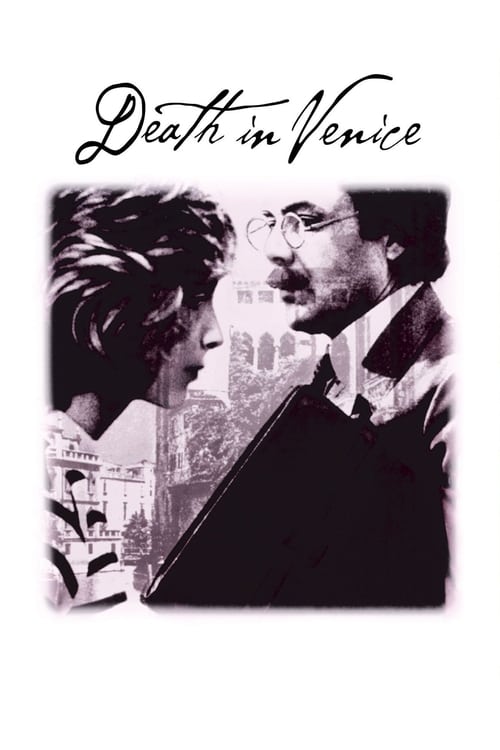
Visconti's sumptuous meditation on obsession and beauty in a decaying Venetian summer. Like Gabriela, it's about how desire disrupts a man's carefully constructed life.
But Painfully slow and tragic rather than romantic; some find it glacial despite its visual perfection.
Not sure tonight? Get a pick in a minute, starting from Gabriela
The wildcard
Something you would not have found on your own.
Bye Bye Brazil1980
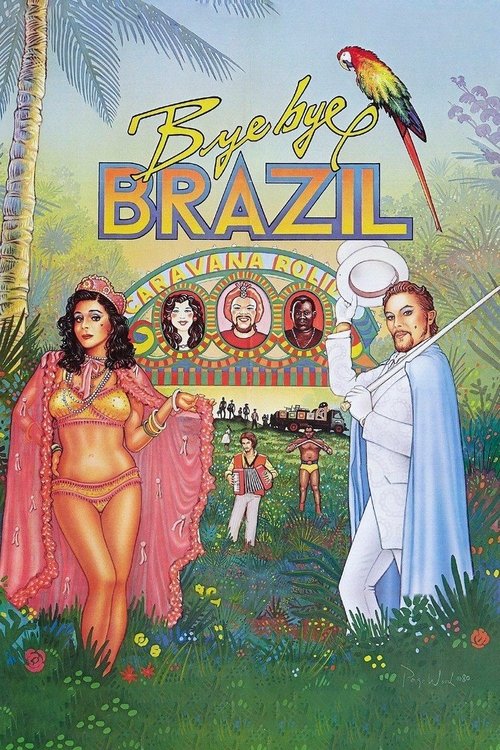
Both are Brazilian cinema's love letters to their country's contradictions—one through a fixed place and erotic stability, one through motion and displacement. Both star Braga; both are about women navigating impossible choices.
Carlos Diegues' road-movie portrait of Brazil's transformation in the late 1970s. Like Gabriela, it's about desire, mobility, and a country in flux—but it's on the move, chaotic, modern, raw. Sonia Braga again, magnetic and tragic.
But Episodic and deliberately loose; it refuses to cohere into a neat story, which some experience as shapelessness.
More like this (8)
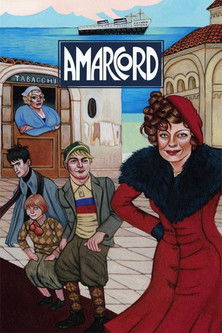
Amarcord1973
Fellini's nostalgic, sensual portrait of a small Italian town during fascism—similar period sweep and local politics, with extraordinary erotic charge and bittersweet humor.
But Episodic and dreamy rather than plot-driven; it rewards patience but can feel meandering.
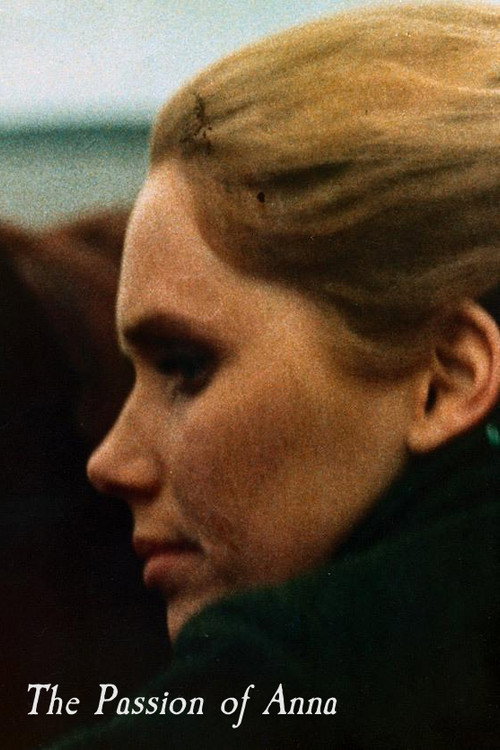
The Passion of Anna1969
Bergman's intimate study of two people whose affair destabilizes everything. Mastroianni and Liv Ullmann burn on screen; it has Gabriela's focus on how desire reshapes identity.
But Claustrophobic and psychologically brutal; this is chamber drama, not romance. Winter, not summer.
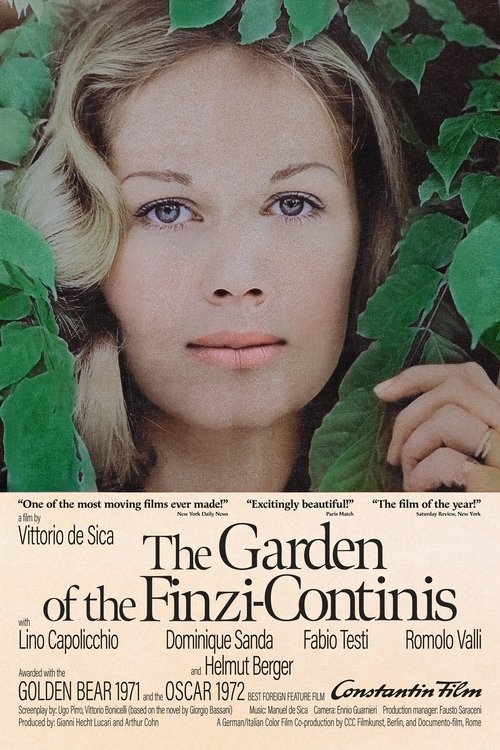
The Garden of the Finzi-Continis1970
Visconti again, this time a tragic love story set in fascist Italy. Gorgeously composed, morally complex, with the same sense of desire as both salvation and doom.
But Heavy historical darkness; the romance is ultimately consumed by what's happening outside the garden.
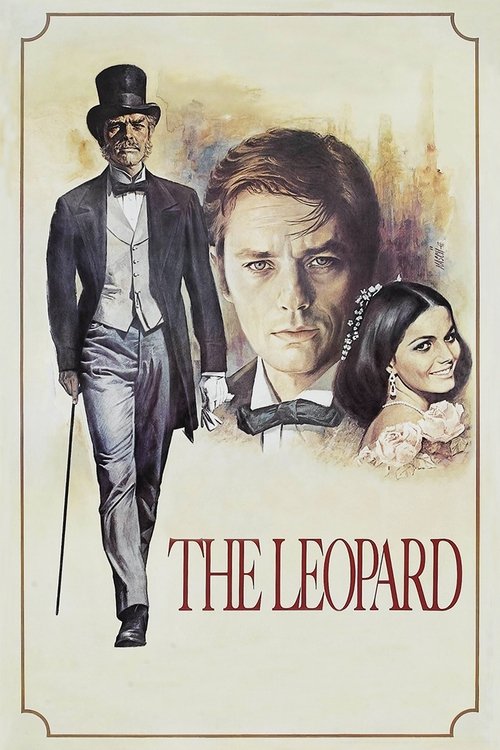
The Leopard1963
Visconti's epic of social upheaval in 1860s Sicily, with Mastroianni in a secondary role that's nonetheless unforgettable. Class warfare and the end of an old order, gorgeously filmed.
But Nearly three hours and deeply pessimistic; it's about decline, not love, though gorgeously rendered.
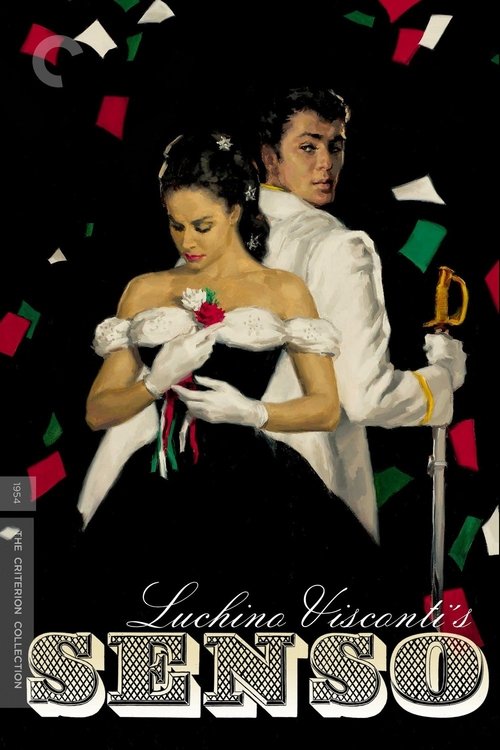
Senso1954
Visconti's operatic melodrama of an Italian countess undone by passion during wartime. Stunning color cinematography; a woman destroyed by desire for the wrong man.
But Tragically doomed and very much a product of 1950s attitudes about women; the heroine's fate may feel punitive.
The Spider's Stratagem1970
Bertolucci's puzzle-box about a man investigating his father's past in a provincial Italian town. Like Gabriela, it explores how the personal and political entwine in small places.
But Deliberately oblique and ambiguous; plot clarity is not the point, which frustrates some viewers.
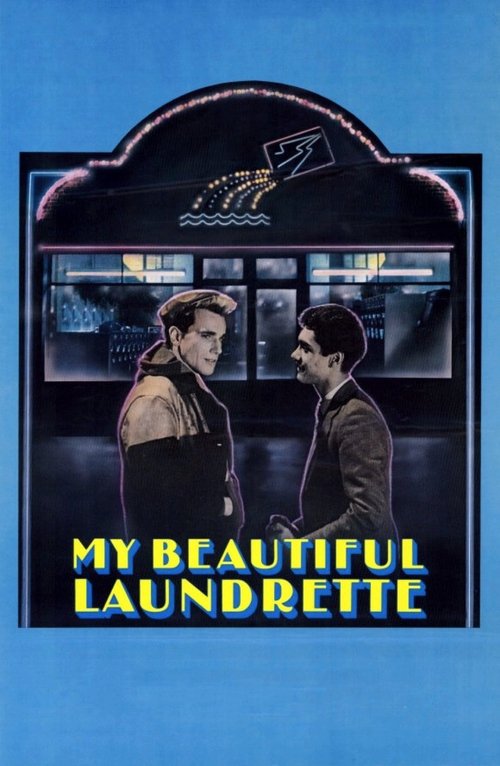
My Beautiful Laundrette1985
Both examine how a romantic relationship illuminates—and destabilizes—social hierarchy. Both are about outsiders; both refuse easy sentiment. But Gabriela romanticizes, while Laundrette unsettles.
A 1980s British film about a young Pakistani man and his white working-class lover navigating family, class, and belonging in Thatcher's London. Intimate, funny, sexually alive, politically urgent—small-scale but enormous in scope.
But Released just after Gabriela; radically different in register and politics. Some find it raw or uncomfortable; it doesn't prettify desire.
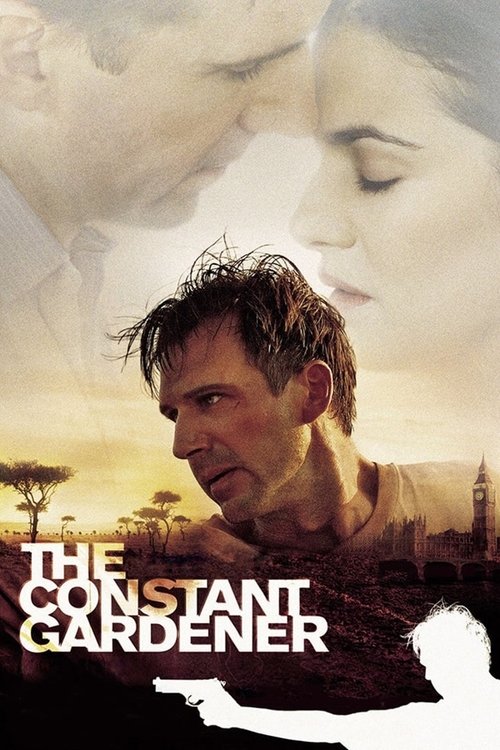
The Constant Gardener2005
Both are Brazilian cinema (Meirelles is Brazilian) exploring desire as a gateway to moral awakening. One celebratory, one accusing—the same engine, opposite directions.
Fernando Meirelles' adaptation set partly in East Africa, about grief and complicity. Like Gabriela, it's about how a man's life is overtaken by a woman, but the politics are inverted—here, desire becomes conscience, not escape.
But A modern political thriller, not a period romance; it's angry and urgent where Gabriela is languorous. Some find the structure fractured.
People
Cast
 Sonia BragaGabriela
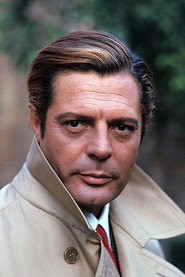 Marcello MastroianniNacib
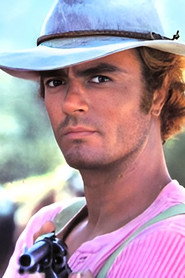 Antonio CantaforaTonico Bastos
 Paulo GoulartJoão Fulgêncio
 Tania BoscoliGlória
 Nicole PuzziMalvina
 Flávio GalvãoMundinho Falcão
 Ricardo PetragliaProf. Josué
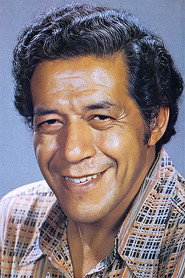 Lutero LuizCel. Manoel das Onças
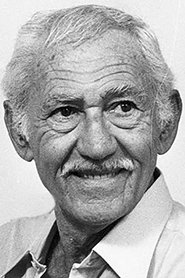 Jofre SoaresCel. Ramiro Bastos
 Sandro SolviattiJagunço chefe
 Maurício do ValleCel. Amâncio Leal
Directing
- Bruno BarretoDirector
Writing
- Jorge AmadoNovel
- Bruno BarretoScreenplay
- Flávio R. TambelliniScreenplay
- Leopoldo SerranScreenplay
Production
- Harold NebenzalProducer
- Ibrahim MoussaProducer