
Film
The Garden of the Finzi-Continis
- Period drama
- Very dark
Visconti's 1970 masterpiece follows a wealthy Jewish family in 1930s Italy as they retreat into their beautiful villa, hosting tennis parties and romance while Fascism tightens around them. It's a film of unbearable grace—watching privilege and denial calcify into tragedy. Hypnotic, measured, for anyone who understands that the most devastating stories sometimes move slowly.
If you liked this
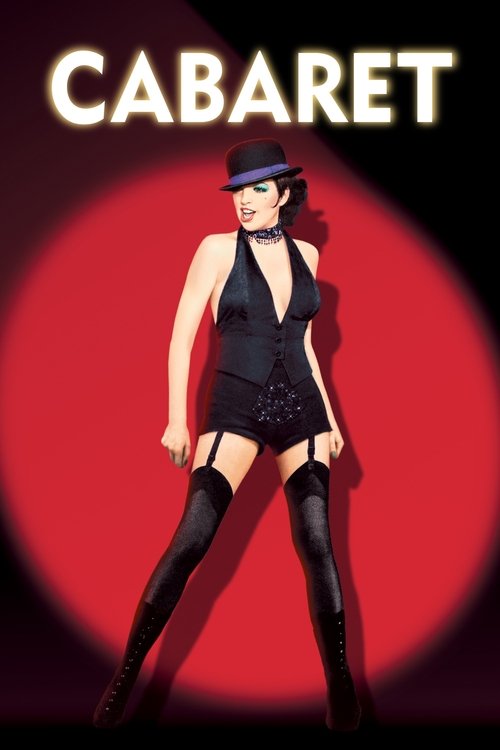
Cabaret1972
The definitive film about a society dancing while darkness gathers. Like Finzi-Continis, it uses performance and beauty as a lens on historical horror, but with cabaret energy and Berlin decadence instead of tennis and Italian villas.
But It's a musical, which can feel dated; and it doesn't demand the same patient attention Visconti does.
The Leopard1963
Visconti's epic about an Italian aristocracy losing power to history, told through a single family's decline. Sumptuous, graceful, about the unbearable elegance of obsolescence.
But Nearly three hours long, and the restoration quality varies depending on which cut you find.

Shoah1985
A nine-hour documentary that dismantles the gap between beautiful places and atrocity. Essential if Finzi-Continis leaves you needing to understand the historical context more deeply.
But It is literally nine hours of testimony and investigation. Profound but immense; don't start it casually.
Not sure tonight? Get a pick in a minute, starting from The Garden of the Finzi-Continis
The wildcard
Something you would not have found on your own.
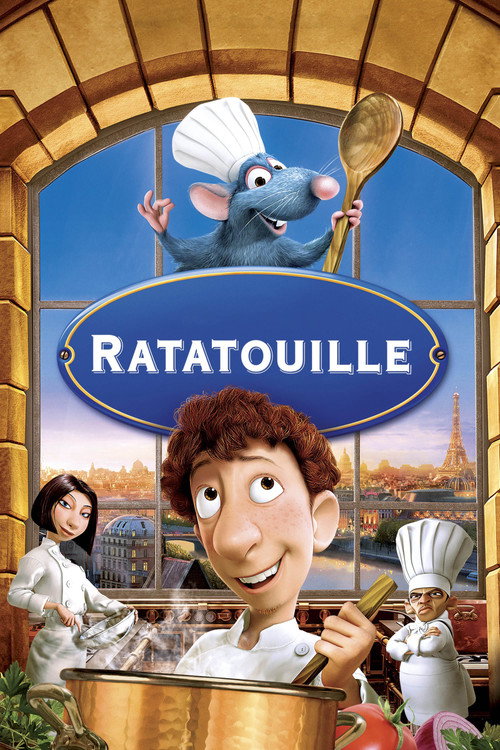
Ratatouille2007
Both construct a sanctuary—physical and emotional—against external threat; both argue that beauty and connection matter most when time is running out.
The connection is the garden itself: a secret, cherished place of beauty and sustenance that exists in defiance of a hostile world. The villa is Remy's haven; both are about preserving something precious when everything else is closing in. It sounds absurd, but the emotional architecture is identical.
But It's a Pixar film about a rat. The tonal whiplash from Finzi-Continis to animated comedy might feel reductive, and it could trivialize the stakes of the original.
More like this (7)
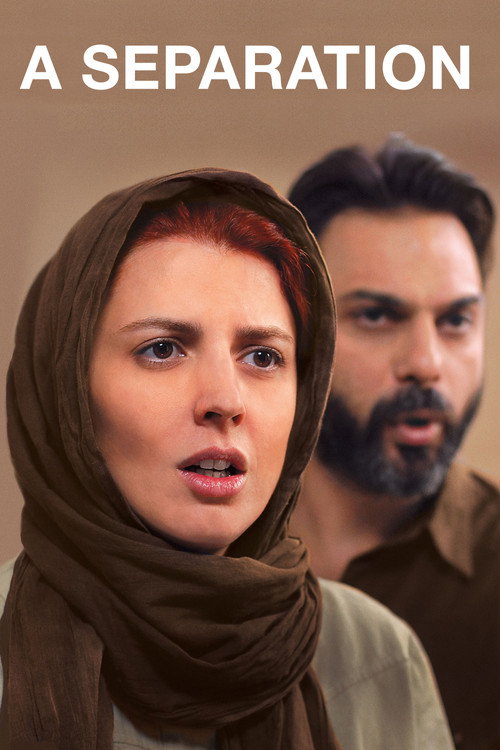
A Separation2011
Modern Iranian drama about a family fracturing under pressure, told with the same attention to small gestures and unspoken tensions that makes Finzi-Continis so powerful.
But It's about a marriage and custody dispute, not history, so the emotional register is entirely different.
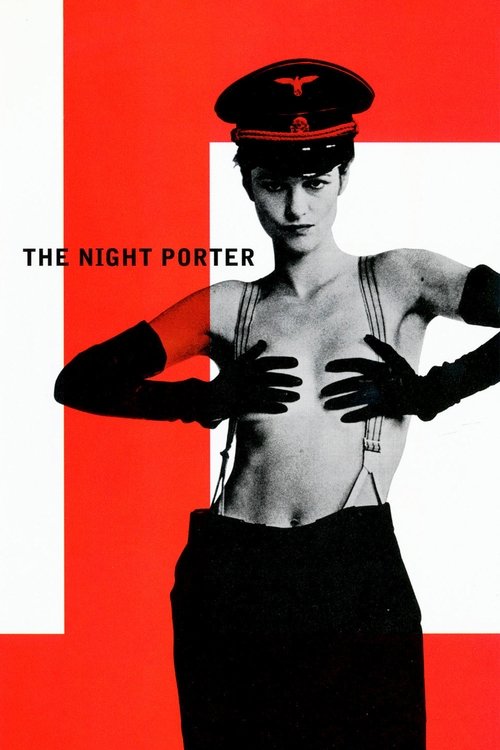
The Night Porter1974
Another post-war European drama about the persistence of trauma and desire between a former SS officer and concentration camp survivor. Dark, strange, utterly unforgettable.
But Controversial, explicit, and morally abrasive in ways Finzi-Continis is not. Some find it exploitative.
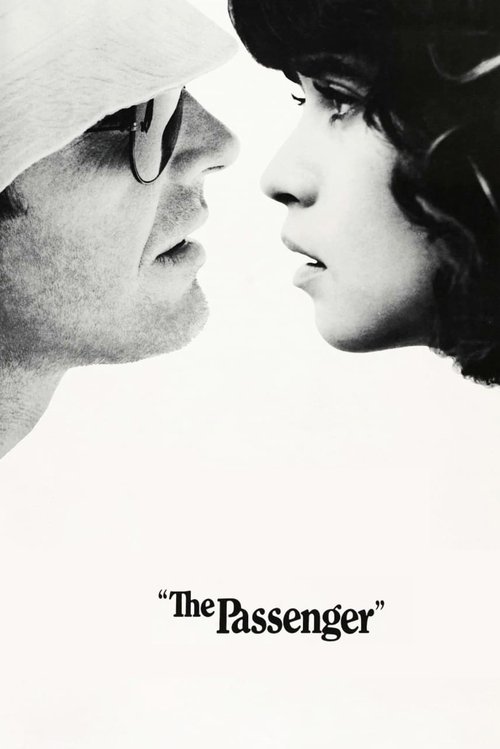
The Passenger1975
Antonioni's film about identity and drift in a world of political chaos. Like Finzi-Continis, it's hypnotic and refuses to explain itself, letting mood and image do the work.
But Deliberately enigmatic and slow. If you want clarity, you won't find it.
A Prophet2009
A masterclass in watching someone survive and adapt within a closed, hostile system. Different context entirely, but the same patient observation of how people endure.
But It's a prison film, brutal and contemporary, which shifts the entire tone away from Visconti's elegance.

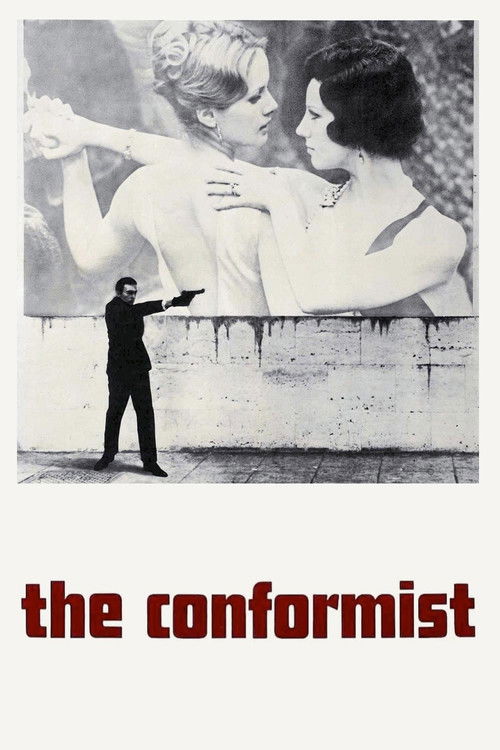
The Conformist1971
Released the same year as Finzi-Continis, Bertolucci's film about a man navigating fascism through complicity and desire. Visually stunning, psychologically intricate.
But Fragmented narrative and deliberate visual obscurity can feel frustrating rather than poetic.
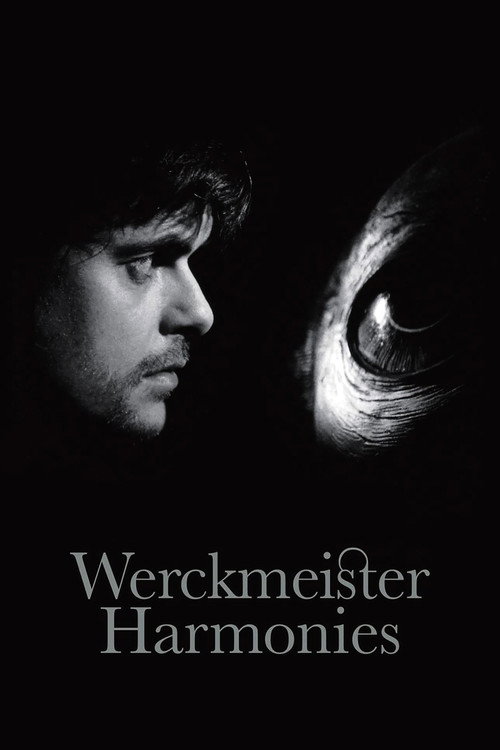
Werckmeister Harmonies2001
Both trust their audience to feel dread without being told, using stillness and beauty as a mirror to historical darkness.
A Hungarian long-take masterpiece about a provincial town waiting for something terrible to arrive. Shot entirely in black-and-white, glacially paced, it has the same ominous grace and refusal to rush toward horror. Completely different story, same profound patience.
But Black-and-white, 145 minutes, almost no dialogue, no plot in the conventional sense. It demands submission from the viewer; many find it punishing.
Bicycle Thieves1948
Both are Italian films about ordinary people confronting historical change with dignity; both believe that small human moments contain everything.
Italian neorealism's greatest film, about a man and his son in post-war Rome. Where Finzi-Continis is about the end of a world, this is about the beginning of another. Same Italy, different class, same moral clarity about what matters.
But Very old, shot in documentary style, no conventional drama. The ending is quiet and unglamorous in a way some find anticlimactic.

People
Cast
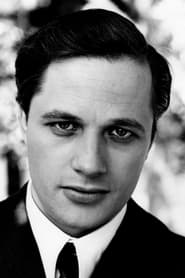 Lino CapolicchioGiorgio
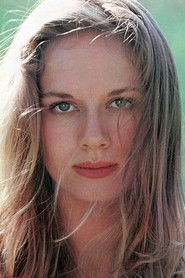 Dominique SandaMicól
 Fabio TestiBruno
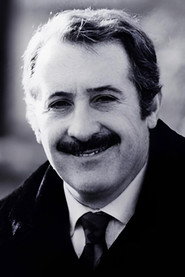 Romolo Vallipadre di Giorgio
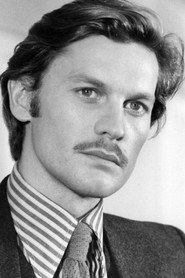 Helmut BergerAlberto
- Camillo Cesareipadre di Micól
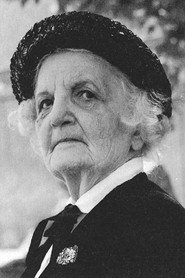 Inna Alexeievnanonna di Micól
- Katina Morisanimadre di Micól
- Barbara Pilavinmadre di Giorgio
- Michael BergerStudente tedesco
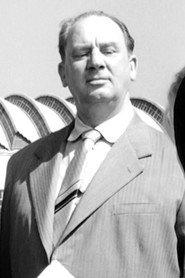 Ettore GeriPierotti
- Raffaele CuriErnesto, fratello di Giorgio
Directing
- Vittorio De SicaDirector
- Luisa AlessandriFirst Assistant Director
- Franca InvernizziScript Supervisor
- Giorgio TrevesSecond Assistant Director
Writing
- Giorgio BassaniNovel
- Ugo PirroScreenplay
- Vittorio BonicelliScreenplay
Production
- Claudio SaraceniAccountant
- Fausto SaraceniExecutive Producer
- Arthur CohnProducer
- Artur BraunerProducer
- Gianni Hecht LucariProducer
- Romano DandiProduction Manager
- Enzo NigroUnit Manager
Recommended by
Captain Corelli's Mandolin, A Little Chaos, The Secret of Santa Vittoria, Gabriela