
Film
The Night Porter
Liliana Cavani's 1974 provocation stages a psychosexual reckoning between a concentration camp survivor and her former SS torturer, years later in Vienna. It's visually sumptuous, morally corrosive, and deliberately uncomfortable—a film that doesn't ask permission before crossing lines. For viewers ready to sit with complicity, trauma, and the erasure of history.
Should you watch it?
Watch it if you are drawn to films that look hard at complicity and desire at once, where the composed, unsettling images are meant to implicate you rather than comfort you.
Skip it if you need your darkness to come with some narrative distance, because this stays close to its uncomfortable central relationship and rarely lets the surrounding history breathe or explain itself.
What it asks of you: It asks for a steady stomach and patience with a relationship you will want to look away from; at just under two hours, it moves slowly and never lightens.
Not sure? Find tonight's pick in a minute.
If you liked this
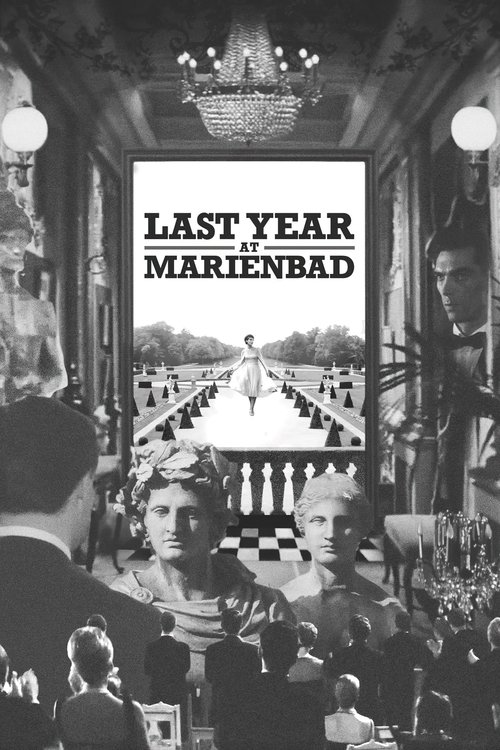
Last Year at Marienbad1961
Alain Resnais constructs an equally hypnotic puzzle of memory, desire, and unreliable narration. The same dreamlike atmosphere and baroque aesthetics, but turned toward a different kind of haunting.
But It moves glacially and never explains itself. If you need clarity or forward momentum, you'll find this maddening.
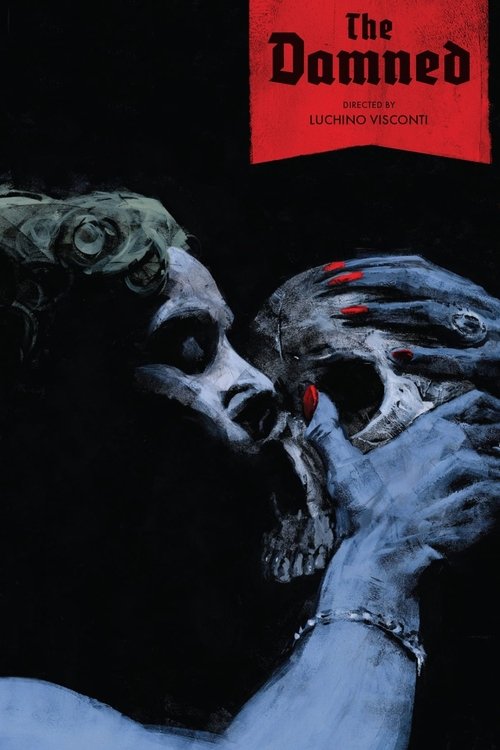
The Damned1969
Another European masterpiece about fascism and decadence, shot through with perversity and family rot. Helm Berger and Dirk Bogarde together capture the same magnetic dread.
But It's nearly three hours, relentlessly bleak, and treats its subject matter with operatic excess rather than restraint.
Ikiru1952
Kurosawa's meditation on mortality and what remains after death. A different register entirely, but the same haunting question: what do we do with the time we have left?
But It's slow and deeply sad. There are no aesthetic compensations, only the ache of a life quietly assessed.

Not sure tonight? Get a pick in a minute, starting from The Night Porter
The wildcard
Something you would not have found on your own.
Synecdoche, New York2008
Both films treat desire and creation as forms of self-annihilation. Both build worlds of exquisite surfaces to contain psychological ruin.
Kaufman's baroque construction of a theater director's collapsing marriage and obsessive art-making. Like Cavani, he stages the distance between self and performance, real and recreated, until the categories collapse.
But It's overwhelmingly complex and deeply depressing. The elliptical narrative demands active assembly from the viewer; it won't hand you meaning.

More like this (6)
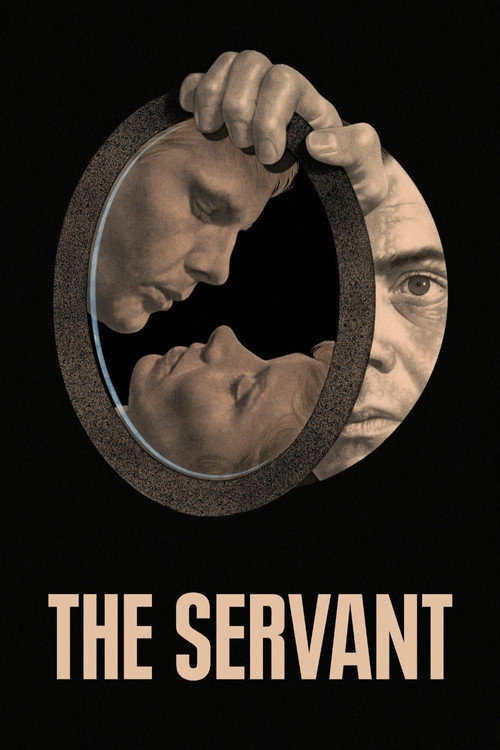
The Servant1963
Losey's baroque study of power, submission, and erotic manipulation in a London townhouse. The tension between employer and servant mirrors the film's own complicity with its characters.
But It's claustrophobic and psychologically grimy. The unease never lifts, and that's the point—which some will find exhausting.
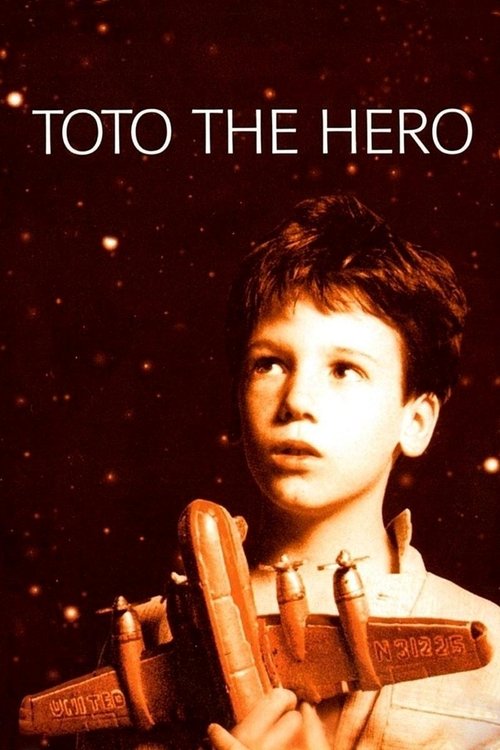
Toto the Hero1991
Jaco Van Dormael's absurdist fable about memory, identity, and the stories we construct to survive. It has the same disquieting blend of beauty and moral vertigo.
But It's whimsical in ways that might seem to trivialize trauma. The tone is deliberately unstable, which can feel manipulative.
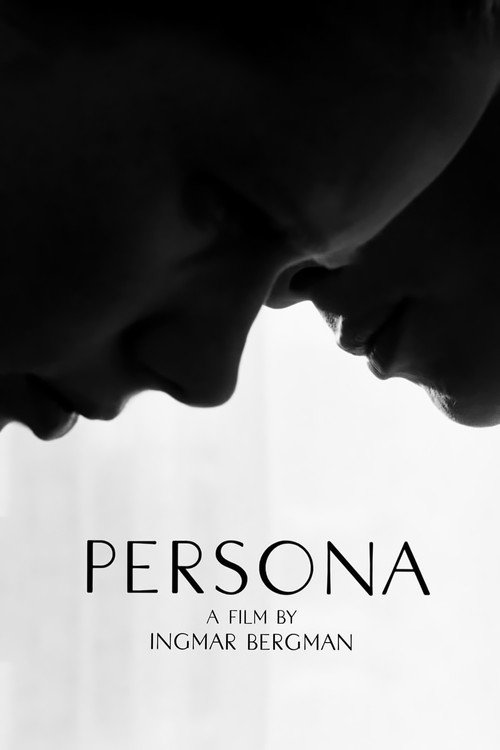
Persona1966
Bergman's chamber piece about a woman who stops speaking and the nurse assigned to her care. An exploration of how we perform identity and the violence of exposure.
But It's austere, almost plotless, and asks everything of the viewer. Long silences can read as self-indulgence.
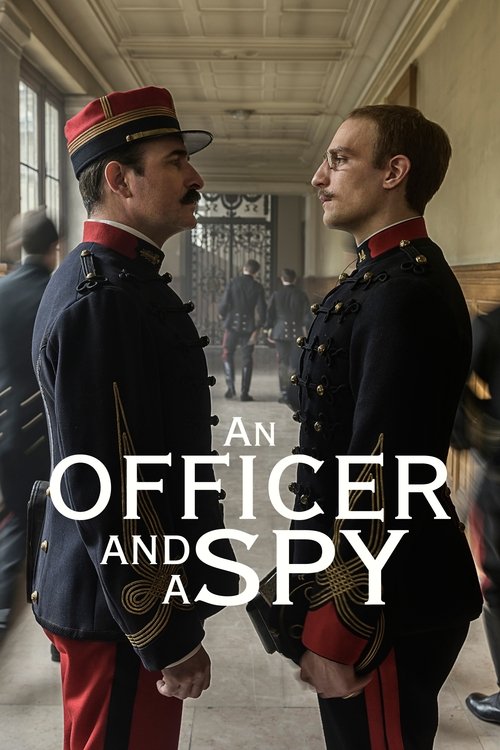
An Officer and a Spy2019
Polanski's Dreyfus film examines how institutions protect their secrets through lies and complicity. A different historical moment, same anatomy of betrayal.
But Polanski's personal history colors the viewing experience uncomfortably. The film's length and procedural focus can feel dry.
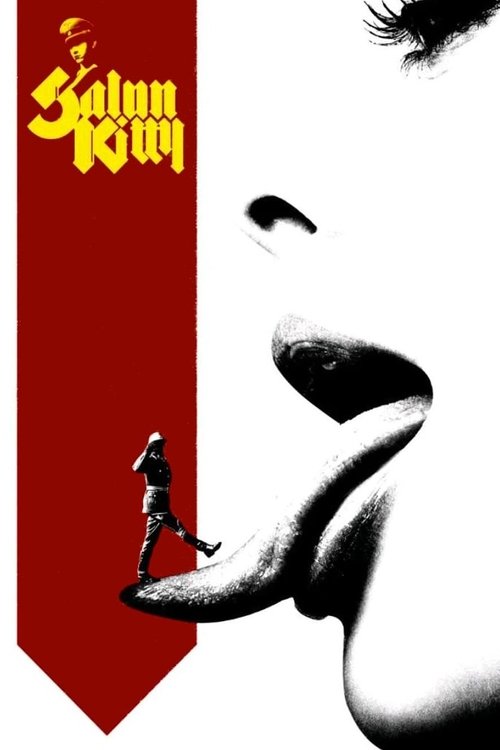
Salon Kitty1976
Tinto Brass's companion piece—another audacious film about wartime eroticism and surveillance. If you're curious about what other filmmakers dared in the 1970s.
But It's exploitation dressed as art. The line between critique and titillation is genuinely unclear, which bothers most viewers—rightfully.
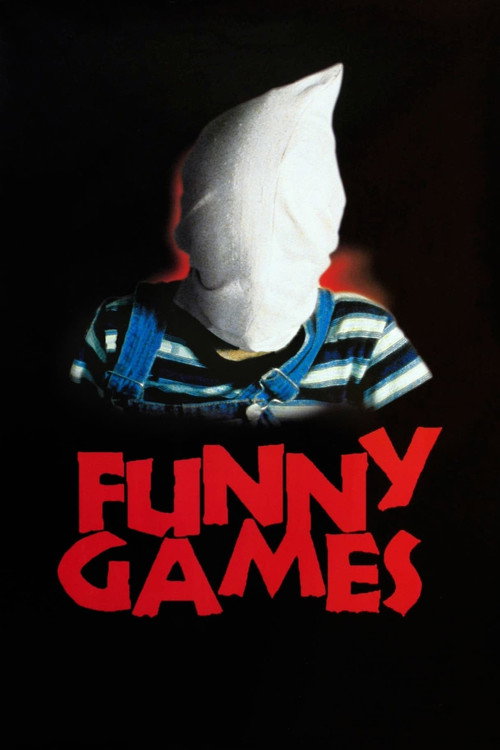
Funny Games1997
Both films exist in a state of moral crisis with their own subject matter. Both use the beauty of cinema itself as part of the provocation—you're seduced, then condemned for it.
Haneke's extreme interrogation of violence, complicity, and spectatorship. Like The Night Porter, it refuses to let you enjoy atrocity. It implicates the viewer directly in the pleasure of watching cruelty unfold.
But It's intentionally punishing and boring in places. Haneke wants you to feel the weight of watching. Most people rightfully resent being made to feel guilty for their viewing.
People
Cast
 Dirk BogardeMax
 Charlotte RamplingLucia
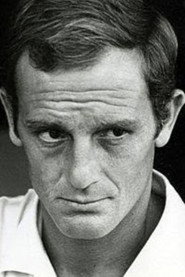 Philippe LeroyKlaus

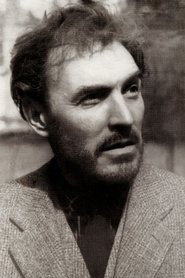 Giuseppe AddobbatiStumm
 Isa MirandaCountess Stein
 Nino BignaminiAdolph
 Marino MaséAtherton
 Amadeo AmodioBert
 Piero VidaDay Porter
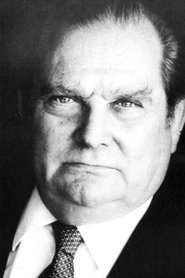
 Manfred FreybergerDobson
Directing
- Franco CirinoAssistant Director
- Johannes FreisingerAssistant Director
- Paola TallarigoAssistant Director
- Liliana CavaniDirector
- Mario GarribaSecond Assistant Director
Writing
- Amedeo PaganiScreenplay
- Barbara AlbertiScreenplay
- Italo MoscatiScreenplay
- Liliana CavaniScreenplay
- Amedeo PaganiStory
- Barbara AlbertiStory
- Liliana CavaniStory
Production
- Esa De SimoneProducer
- Robert Gordon EdwardsProducer
Recommended by
The Conformist, Suite Française, Bringing Out the Dead, Secretary, Outward Bound, Broken Embraces, The Damned, A Lizard in a Woman's Skin, In a Glass Cage, Aimée & Jaguar, The Skin, The French Lieutenant's Woman, Bent, The Bitter Tears of Petra von Kant, The Garden of the Finzi-Continis, Kapo, The Belly of an Architect, Blood and Roses, A Special Day, Erotique, The Bunker, Daughters of Darkness, Fascination, Beanpole, Holocaust, The Naked Night, 'Tis Pity She's a Whore, Shadowboxer, Eden and After, Footprints on the Moon, El Marginal, The Tempter, A Thousand And One Nights in Bohemia, Black Angel, Blood of My Blood, Countess Dracula, House of Pleasures, Lili Marleen, Emmanuelle, A Woman's Decision, Criminal Lovers, The House of the Angel, Maddalena, The Blood Spattered Bride