
Film
In a Glass Cage
- Medical drama
- Very dark
A 1986 Spanish horror-thriller about a mysterious teenager caring for a paralyzed former Nazi doctor in an iron lung. Deeply unsettling and morally murky, it trades jump scares for creeping dread and questions about complicity, cruelty, and what redemption means. For viewers who prize discomfort over entertainment.
Should you watch it?
Watch it if you want a cold, uncompromising study of guilt and cruelty where the horror lives in the quiet, deliberate filmmaking rather than jump scares, and you can sit with material most films would avoid.
Skip it if the subject is child abuse and the film lingers on it in ways that can feel exploitative, so if that alone is too much, leave it alone.
What it asks of you: Slow and airless, it unfolds in long, held silences across its 112 minutes, and the dread builds instead of arriving in bursts.
Not sure? Find tonight's pick in a minute.
If you liked this
Come and See1985
Equally uncompromising Soviet war film that refuses to look away from atrocity. The same commitment to showing rather than explaining evil, and the same moral confusion that leaves you haunted.
But Relentlessly graphic and despair-soaked. There is no catharsis, only the slow annihilation of innocence.

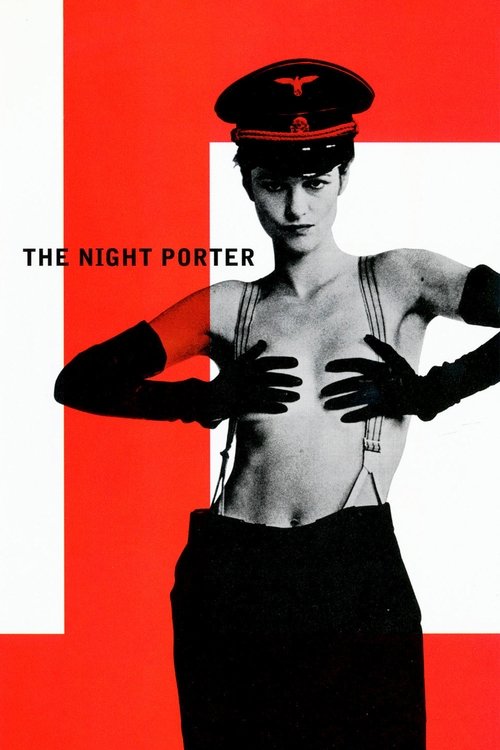
The Night Porter1974
Italian thriller about a hotel porter and a former concentration camp prisoner in a sadomasochistic relationship. Both films explore the erotic dimensions of power, guilt, and historical trauma without flinching.
But Explicit sexual content in the service of moral complexity, not titillation. Some find the approach exploitative rather than illuminating.
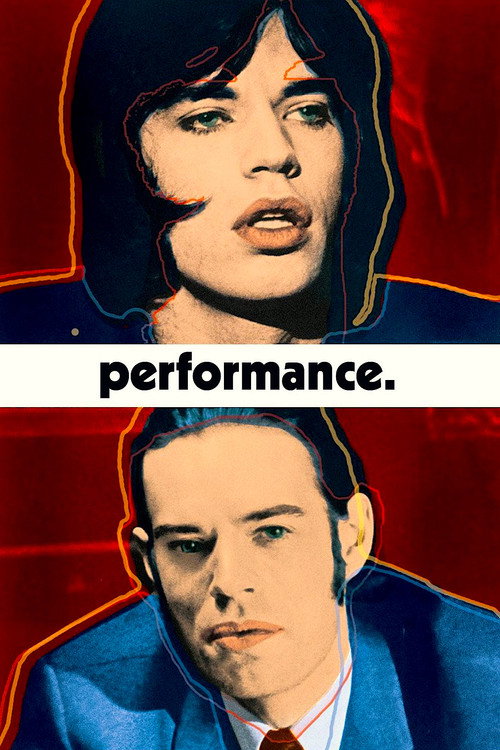
Performance.1970
Trippy thriller about identity and manipulation. Like *In a Glass Cage*, it's fascinated by power dynamics between two men, moral ambiguity, and the breakdown of certainty about who is predator and who is prey.
But Intentionally disorienting and cryptic. Symbolism dominates plot, which frustrates viewers looking for clarity.
Not sure tonight? Get a pick in a minute, starting from In a Glass Cage
The wildcard
Something you would not have found on your own.
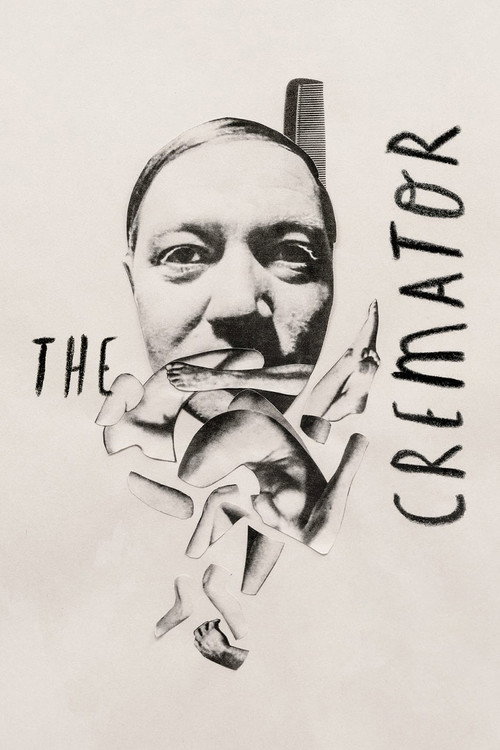
The Cremator1969
Both films are fascinated by how ordinary people become architects of evil—not through grand ideology, but through small compromises, rationalization, and the human capacity for self-deception.
Czech New Wave film about a crematorium operator in Nazi-occupied Prague. A film about the banality of evil and the mind's ability to rationalize anything. The same moral vertigo as *In a Glass Cage*, but from inside the perpetrator's psychology.
But Formally experimental and elliptical. Subtitled, and the narrative moves sideways rather than forward.
More like this (8)
Possession1981
Andrzej Żuławski's nightmarish drama uses supernatural horror as a vehicle for toxic relationships and psychological breakdown. The same visceral approach to internal chaos.
But Chaotic and deliberately difficult. Feels like a fever dream, which some find pretentious and others find essential.

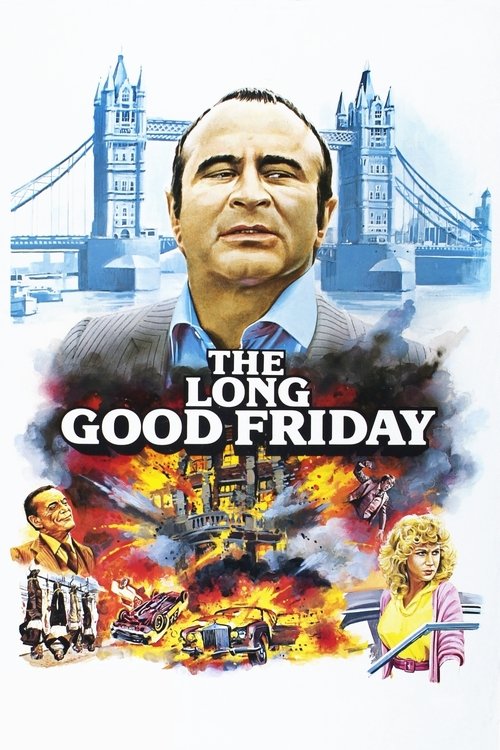
The Long Good Friday1980
British crime thriller about a gangster during a violent 24 hours. Sharp dialogue and moral complexity—you never quite know who deserves what, and neither do the characters.
But Less philosophically dark than *In a Glass Cage*. If you want horror, this is crime thriller instead.
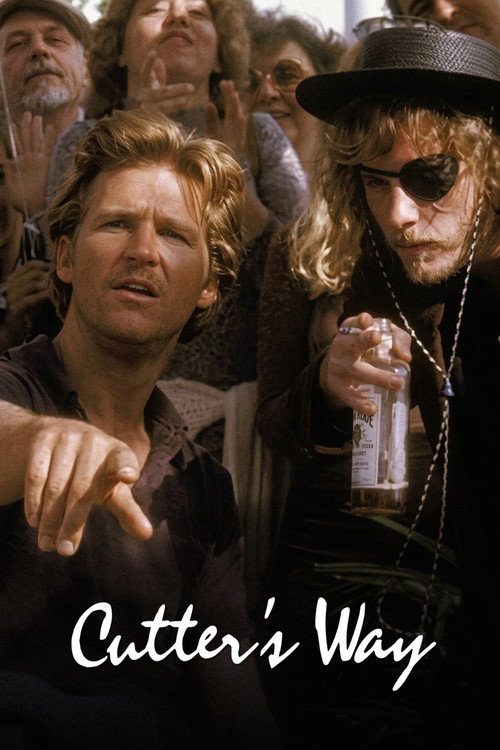
Cutter's Way1981
American noir about two men—one wealthy, one maimed—investigating a murder. Explores masculinity, jealousy, and the corrosive effect of obsession on friendship.
But Slow-burn and deliberately anti-climactic. Doesn't deliver the payoff conventional thrillers promise.
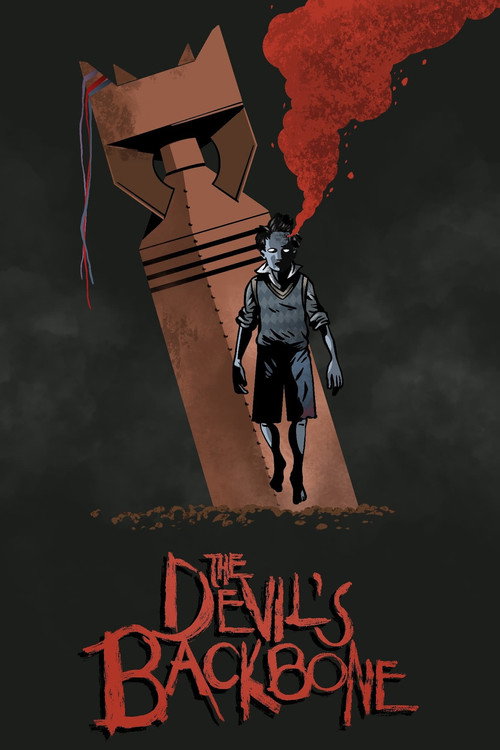
The Devil's Backbone2001
Del Toro's Spanish ghost story set in an orphanage during the Civil War. Same setting, same historical weight, same sense of children trapped in a corrupt adult world.
But More gothic and fantastical than *In a Glass Cage*. If you want raw realism, this is too beautiful and mythic.
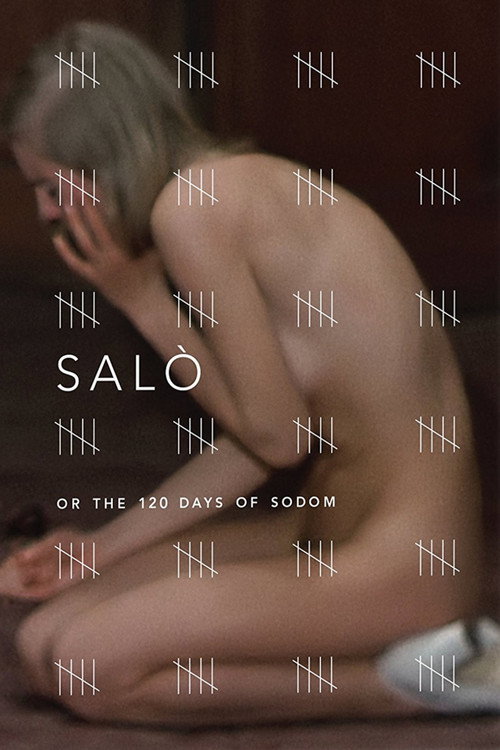
Salò, or the 120 Days of Sodom1976
Pasolini's infamous final film about fascist excess and degradation. Shares the same refusal to look away from evil, and the same question: who is responsible for what we witness?
But Genuinely difficult to watch—graphic violence and sexual degradation throughout. Many find it unwatchable rather than enlightening.
Suspiria1977
Dario Argento's giallo masterpiece about a dance school hiding sinister secrets. Visual style and orchestral dread create an atmosphere of pure wrongness.
But Plot is thin and sometimes nonsensical. If you need narrative logic above all else, the style will feel like excess.

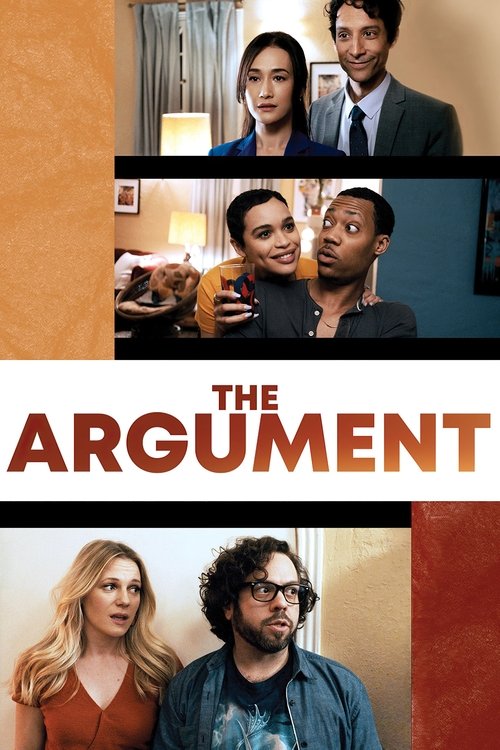
The Argument2020
Both films trap viewers in close spaces with moral uncertainty. Neither offers escape or easy answers. Both suggest that intimacy and cruelty are closer than we'd like to admit.
British low-budget film about two people confined together during an argument that slowly spirals into something darker and more disturbing. Claustrophobic dialogue-driven tension and the erosion of reality.
But Deliberately cheap and theatrical. If you want cinematic spectacle, this is two people in a room with minimal plot.
Requiem for a Dream2000
Both films refuse sentiment. Both use formal filmmaking to trap the audience in a character's interior hell. Both suggest there may be no escape, only varying degrees of damage.
Aronofsky's assault on the senses about four people destroyed by addiction. Shares the unflinching portrayal of human degradation and the visual language of nightmare—but addiction replaces fascism as the force.
But Brutal soundtrack and editing designed to exhaust rather than entertain. Many find it manipulative in its assault on the viewer's emotions.

People
Cast
 Günter MeisnerKlaus
 David SustÁngelo
 Marisa ParedesGriselda

 Imma Colomer MarcetLaborer
- Josuè GuaschSinging Child
 David CuspineraBarracks Child
- Ricardo CarceleroChild Ángelo
- Alberto ManzanoGypsy Child
Directing
- Paco SiuranaAssistant Director
- Agustí VillarongaDirector
Writing
- Agustí VillarongaScreenplay
Production
- Biel MollAssistant Production Manager
- Teresa EnrichExecutive Producer
- Paco PochProduction Manager
Recommended by
Thriller: A Cruel Picture, Pieces, Female Prisoner #701: Scorpion, Blind Beast, Captive, See No Evil, The Misandrists, Lulu, A Chinese Torture Chamber Story