
Film
A Chinese Torture Chamber Story
A 1994 Hong Kong horror-comedy that blends grotesque torture with darkly absurdist humour. A corrupt magistrate torments an innocent bride with increasingly elaborate and surreal punishments. It's transgressive and deliberately offensive, swinging wildly between visceral horror and slapstick. For viewers who want their cinema unmoored from taste or restraint.
If you liked this
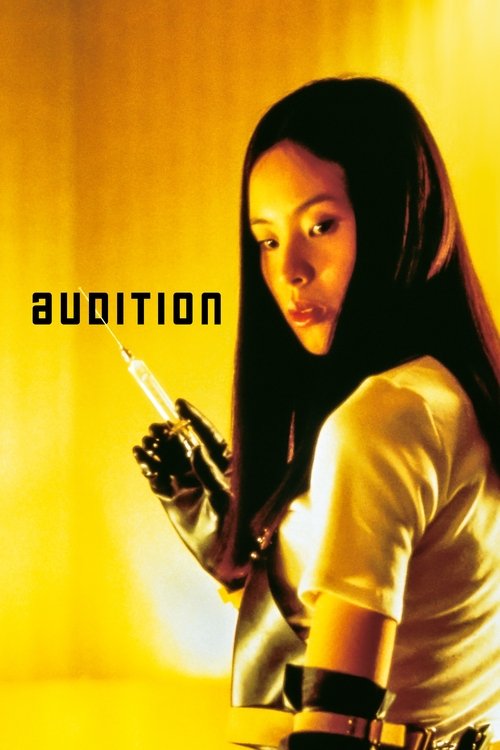
Audition2000
Takashi Miike's masterpiece of tonal whiplash: a romantic drama that descends into nightmare body horror. Like this film, it uses extreme violence to expose cruelty and obsession, but with psychological precision that lingers.
But Genuinely difficult to watch in places. The shift from tenderness to brutality can feel manipulative if you're not prepared for it. Demands emotional labour.
The Wailing2016
Na Hong-jin's layered horror film juggles genre confusion—is it supernatural, psychological, a mystery?—with the same anarchic energy. Blends folk horror, dark comedy, and moral ambiguity in ways that refuse easy answers.
But Nearly three hours and demands close attention. The plot is deliberately slippery. Some will find it frustratingly opaque rather than pleasingly complex.

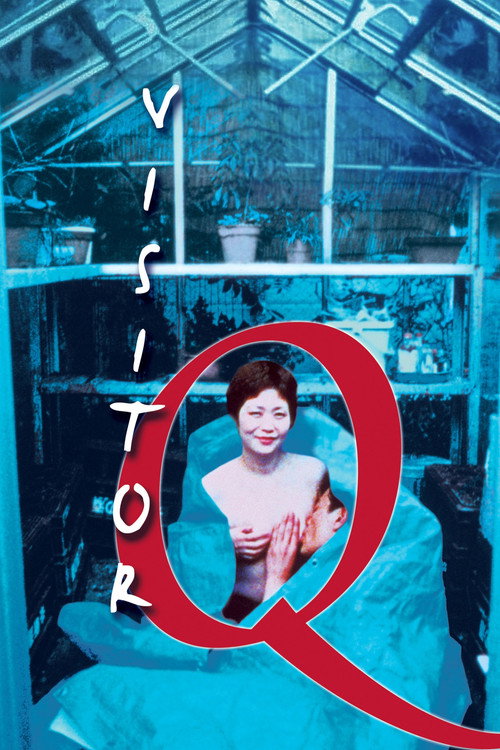
Visitor Q2001
Another Miike film: transgressive Japanese horror-comedy that uses shock and obscenity as storytelling tools. Same DNA as *Torture Chamber*—taboo-breaking as a form of social commentary wrapped in deliberate bad taste.
But Extremely graphic and deliberately offensive. Shock for shock's sake can wear thin. Many will find it simply unwatchable rather than challenging.
Not sure tonight? Get a pick in a minute, starting from A Chinese Torture Chamber Story
The wildcard
Something you would not have found on your own.
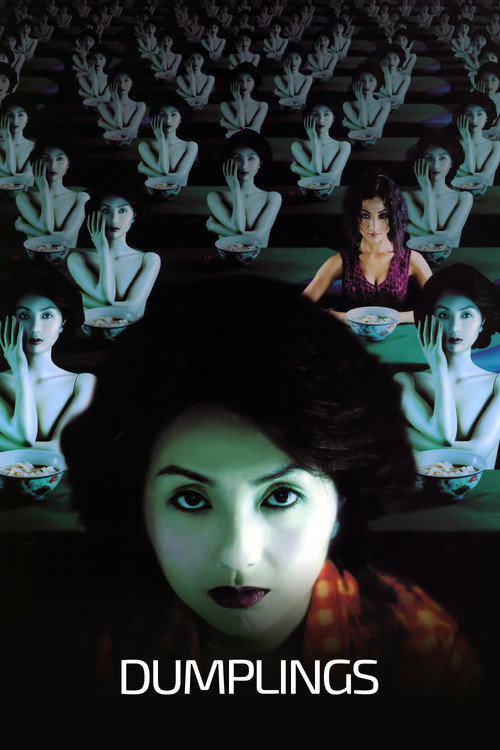
Dumplings2004
Hong Kong filmmaker mining the same grotesque toolkit; both use body mutilation as a language for deeper social sickness. Chan's restraint makes the payoff hit harder.
Fruit Chan's segment from *Three... Extremes*, but worth singling out: a Hong Kong horror short about an older woman who regains youth through mysterious dumplings. Uses body horror and grotesquerie as social commentary on beauty, age, and desperation. Chan mines the familiar ingredients of this film—transgressive excess, dark comedy, visceral imagery—but deploys them with surgical precision.
But Extremely graphic. The body horror is sustained and specific. Many viewers will find the concept alone beyond their limit; the execution will confirm that.
More like this (8)
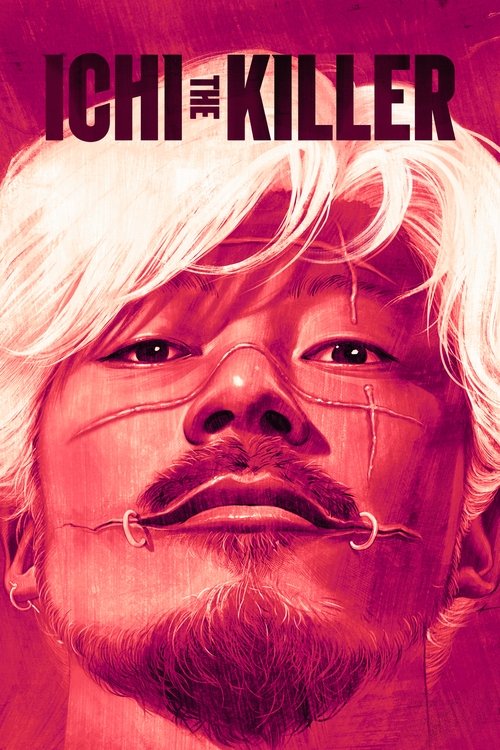
Ichi the Killer2001
Miike again, but here applying extreme violence and dark comedy to a yakuza underworld. Visually inventive, narratively chaotic, and committed to the bit even when the bit is obscene.
But Gratuitous to the point of numbing. The style occasionally overwhelms any substance. Very long and deliberately unpleasant.
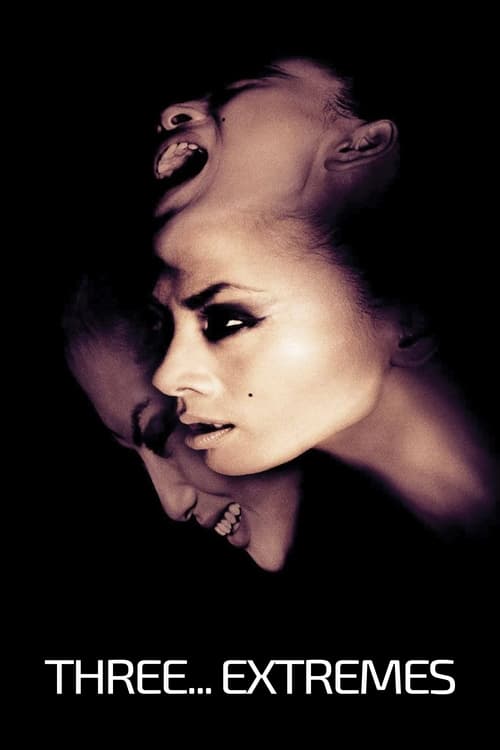
Three... Extremes2004
Anthology of three extreme Asian horror shorts by Fruit Chan, Park Chan-wook, and Takashi Miike. Each uses graphic imagery as emotional and moral language, refusing to apologize for what it shows.
But Anthology means uneven; one segment works better than the others. All three are deeply unsettling. Not a feel-good film.
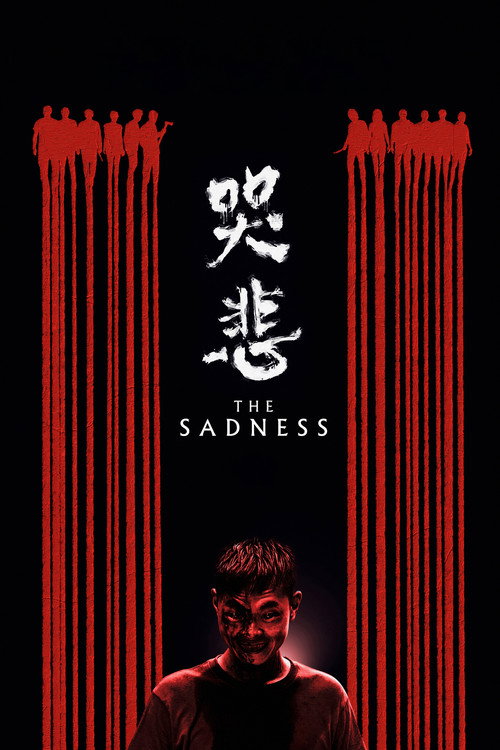
The Sadness2021
Taiwanese horror-comedy that weaponizes slapstick and gore in equal measure. A plague turns people into sadistic psychopaths; the film treats this premise with anarchic, almost cartoonish glee alongside real terror.
But Extremely gory and deliberately absurd. The tonal shifts between comedy and tragedy can feel chaotic rather than clever. Released during COVID, which matters contextually.
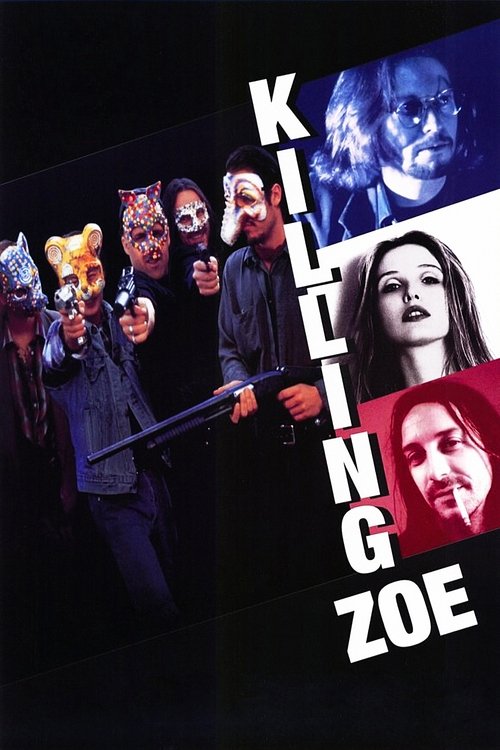
Killing Zoe1993
Roger Avary's debut: a crime film that explodes into surrealist violence and sexual chaos. Black comedy colliding with body horror. Made around the same time and shares that unhinged '90s transgression.
But Feels dated in some ways. The sexual violence is real and provocative, not ironic. Narrative clarity takes a backseat to mood and excess.
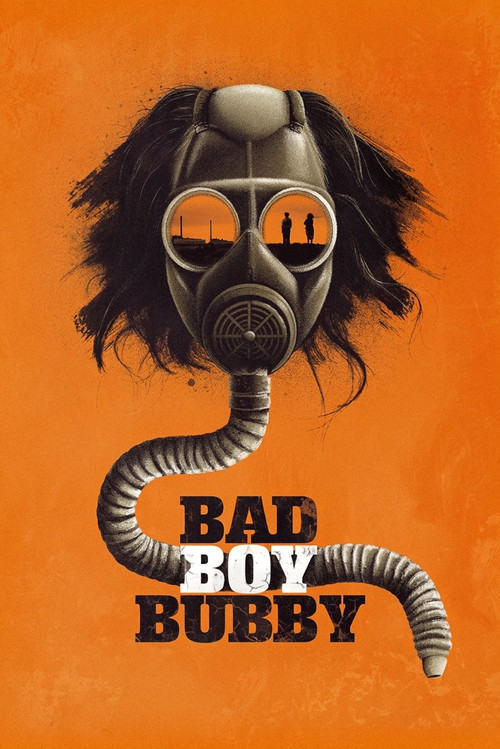
Bad Boy Bubby1993
Australian art-horror-comedy that follows an abused man released into the world. Grotesque, scatological, utterly committed to making you uncomfortable. Released the same year as *Torture Chamber* but from another continent entirely.
But Genuinely disgusting in places—bodily functions are fair game. Structurally chaotic. The transgressiveness can feel like a substitute for narrative rather than a vehicle for it.
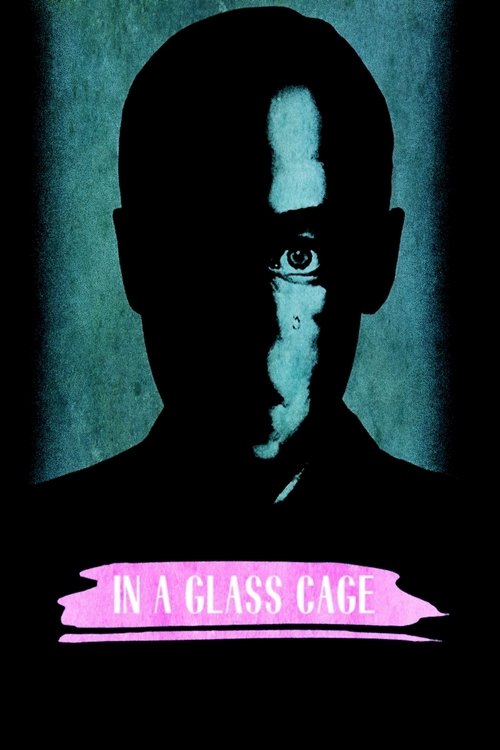
In a Glass Cage1986
Spanish psychological horror that explores trauma, guilt, and perversion through an almost-chamber play setup. Extreme subject matter treated with artistic seriousness rather than exploitation.
But Slow and deliberately claustrophobic. The extremity is contextual rather than visceral. Some will find it pretentious about its transgression rather than authentically provocative.
Come and See1985
Both refuse to flinch from depicting cruelty and pain. The difference: *Come and See* uses extremity to witness real horror; *Torture Chamber* uses it to provoke and amuse. Mirror images of the same commitment.
Elem Klimov's Belarusian masterpiece about a boy conscripted into WWII. Operates in a completely different register from *Torture Chamber*—realist rather than surreal, tragedy rather than dark comedy—yet shares an absolute commitment to showing suffering without apology. Transforms horror into moral statement.
But One of cinema's most devastating films. Not transgressive for its own sake; every image carries weight. Cannot be watched casually. Some will feel it exploits atrocity rather than illuminating it.

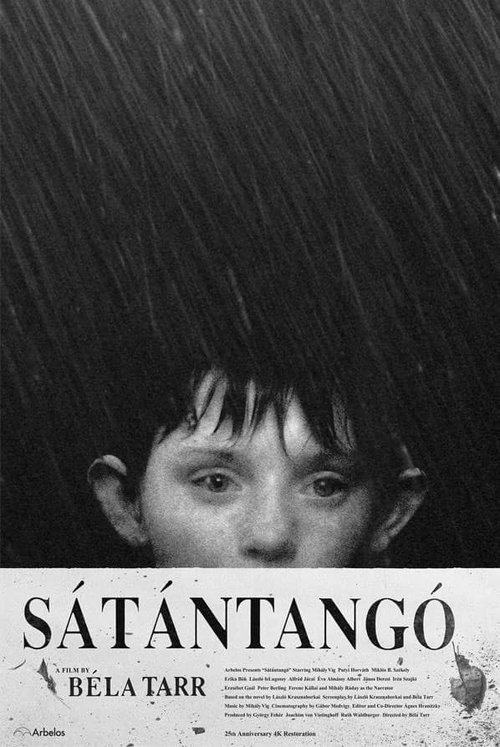
Satantango1994
Same year, same commitment to depicting human cruelty and depravity as worthy of cinema's full attention. One shouts, one whispers. Both demand you witness what you'd rather not see.
Béla Tarr's seven-and-a-half-hour Hungarian epic: a village's slow moral collapse told in static shots and monumental silence. Released the same year as *Torture Chamber*. Operates in complete opposition—patience and austerity instead of kinetic chaos—yet both are utterly committed to showing corruption and human degradation as moral subjects.
But Nearly incomprehensibly slow. Black and white, minimal dialogue, static framing for minutes at a time. Tests patience rather than endurance. Rewards contemplation; punishes distraction.
People
Cast
 Yvonne Yung HungSiu Bak-Choi
 Lawrence NgYeung Nai-Mou
 Tommy WongGot Siu-Tai
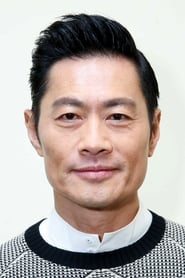 Kenny Wong Tak-banLau Hoi-Sing

 Lam Yuk-ChiYeung's Wife
 Lin Pei-JunYeung's Sister
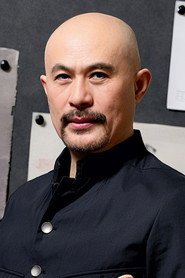 Elvis Tsui Kam-kongWin Chung-Lung
 Julie LeeKi Dan-Fung
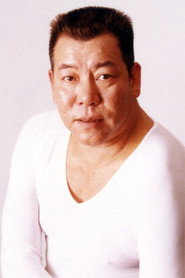 Lee Siu-keiSupreme Court Judge
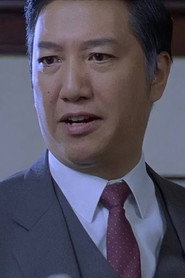 Lo HungLau Shek-Tung
 Lo FanPrison Guard
Directing
- Poon Kin-KwanAction Director
- Aman Chang ManAssistant Director
- Kwok Siu-WaiAssistant Director
- Bosco Lam Tsz-HoDirector
- Pad Chan Wai-HungScript Supervisor
Writing
- Cheuk BingWriter
- Jobic Tsui Tat-ChorWriter
Production
- Ellen Cheung Man-WingAssociate Producer
- Lee Siu-keiLine Producer
- Wong JingProducer
- Leung Wai-HaProduction Manager
- Lam Kong-WaiUnit Manager