
Film
Three... Extremes
- Horror
- Very dark
- Dip in and out
Three Extremes is an Asian horror anthology where three visionary directors—Park Chan-wook, Takashi Miike, and Dario Argento—each deliver a darkly fantastical short. Expect visceral imagery, moral rot dressed as intimacy, and storytelling that refuses comfort. It's cinema as provocation, for viewers ready to sit with ugliness.
Should you watch it?
Watch it if you like horror that trusts three separate filmmakers to chase three different kinds of dread, and you enjoy the jolt of switching worlds each time a new story begins.
Skip it if you want a single story to settle into, because three unrelated chapters mean you keep restarting, and the 18 certificate signals graphic, unsparing content.
What it asks of you: Settle in for just over two hours across three self-contained blocks, with a patient build before each one finds its footing.
Not sure? Find tonight's pick in a minute.
If you liked this
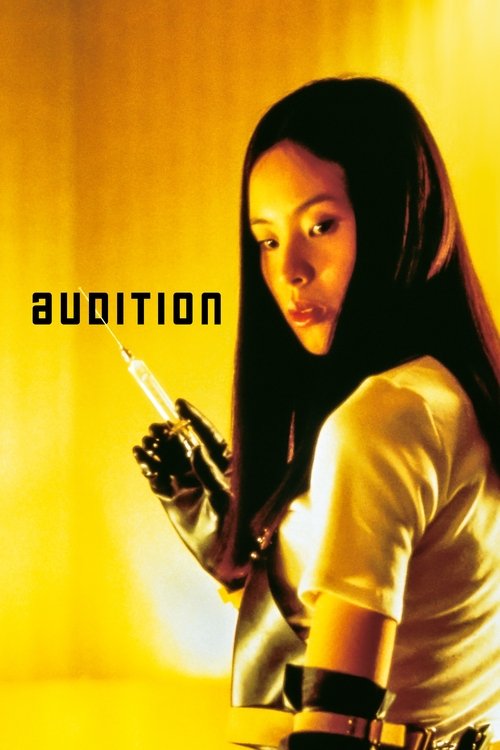
Audition2000
Takashi Miike's masterpiece of creeping dread: a lonely man's dream woman arrives, and the film pivots into body horror that still hasn't been matched. Hypnotic and unbearable in equal measure.
But The violence is specific and intimate rather than cathartic. Many will find the prolonged suffering difficult to endure, and the pacing asks patience from viewers used to faster cuts.
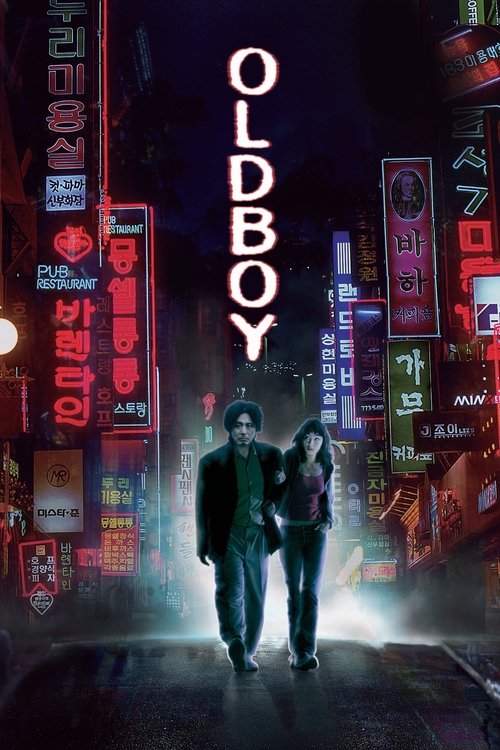
Oldboy2003
Park Chan-wook's revenge thriller that became the template for prestige violent cinema. Visually gorgeous, structurally perfect, and it hits you like a fist wrapped in silk.
But The twist reframes everything you've watched, and some find it emotionally manipulative. Also genuinely brutal—not in flash but in commitment.
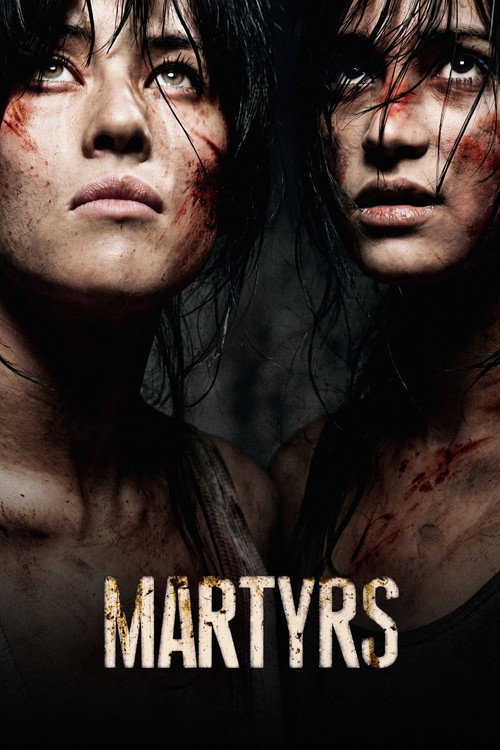
Martyrs2008
A French-Canadian horror film that uses extreme suffering as a real philosophical question, not mere sensation. Haunting, formally bold, and it lingers like a scar.
But It's bleak without relief, and the violence serves the theme so completely that 'it's necessary' won't comfort you. Exhausting by design.
Not sure tonight? Get a pick in a minute, starting from Three... Extremes
The wildcard
Something you would not have found on your own.
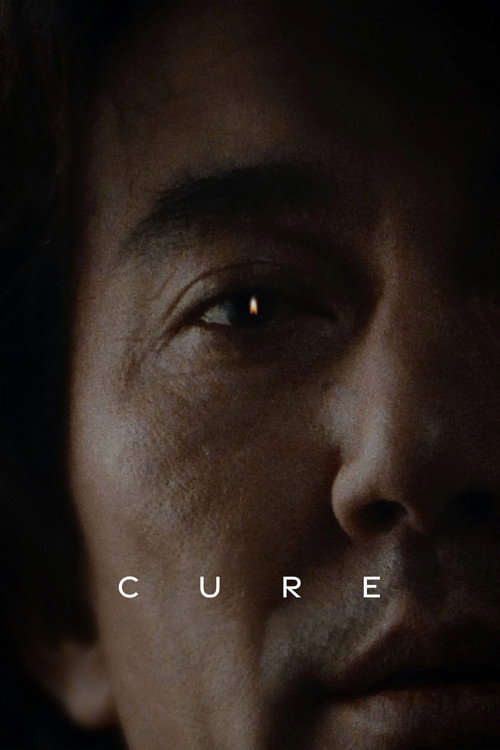
Cure1997
Like Three Extremes, it treats violence and madness as transferable states that corrupt from within. The horror is in witnessing contagion, not in shock.
Kiyoshi Kurosawa's earlier work on contagion and suggestion as horror. A detective film where a single gesture spreads madness through mimicry itself. Structurally echoes Miike's anthology segment's logic of contamination.
But Deliberately low-key and shot on video that was already dated in 1997. No jump scares or gore—just creeping wrongness and a fractured narrative. Patient viewers only.
More like this (7)
The Wailing2016
Na Hong-jin's paranoid masterpiece where faith, doubt, and evil become indistinguishable. Every scene could overturn your interpretation. Possessed filmmaking.
But Nearly three hours, multiple timelines, and deliberately withholded answers. Demands active engagement and tolerates ambiguity.

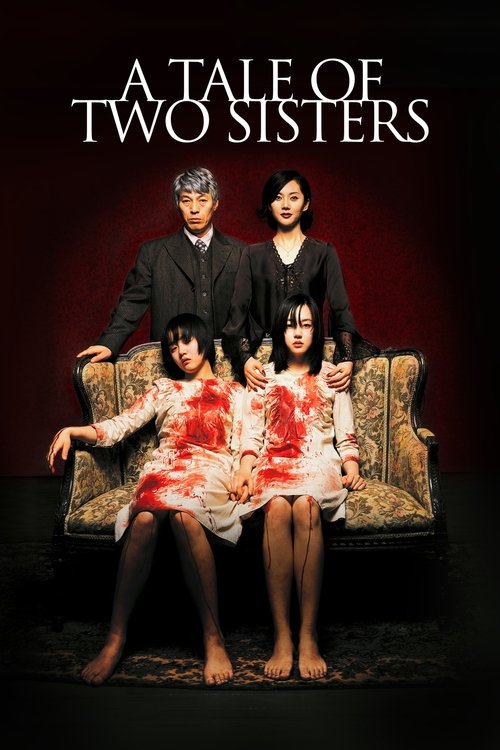
A Tale of Two Sisters2003
Kim Jee-woon's gorgeous, unsettling tale of two sisters and their stepmother. The horror emerges from tone and composition, not gore. A masterclass in dread.
But The reveal recontextualizes the entire film in ways some find gimmicky. Slow-burn pacing won't suit everyone.
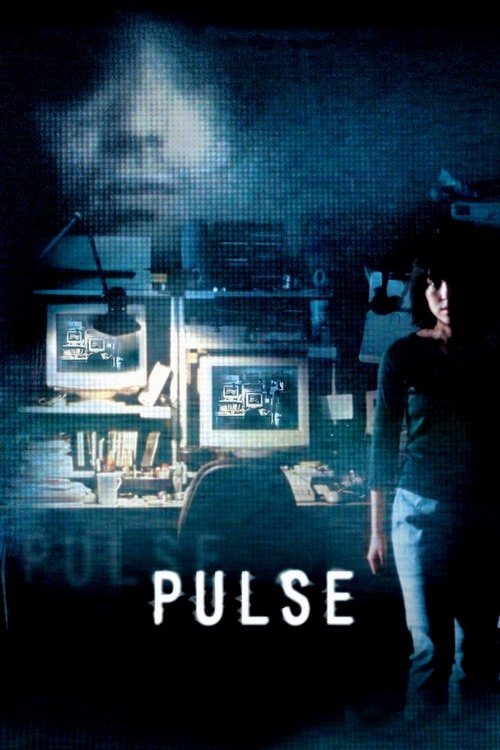
Pulse2001
Kiyoshi Kurosawa's apocalyptic vision where the internet itself becomes a ghost. Existential dread shot through with genuine atmosphere and philosophical weight.
But Deliberately asynchronous editing and bleached color palette can feel distant. Some find the pacing glacial and the ending defeatist.
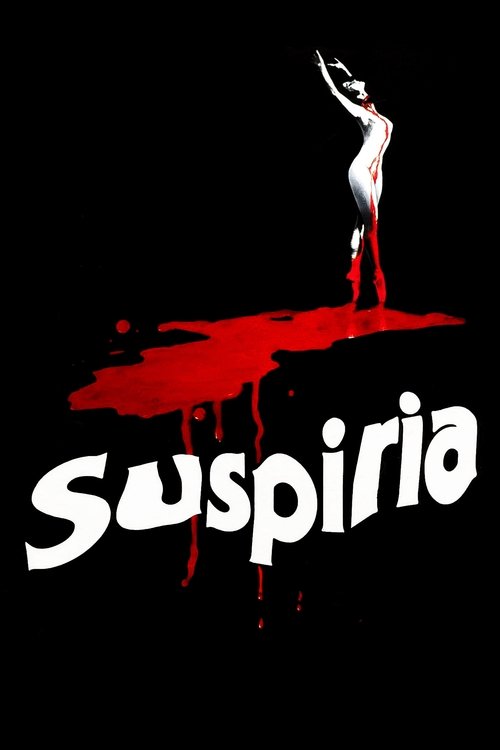
Suspiria1977
Argento's neon nightmare about a dance academy harboring dark secrets. Pure visual and sonic assault—every frame is composed like a painting, every sound is weaponized.
But Plot takes a backseat to atmosphere and style. If you need narrative coherence, the cryptic plot will frustrate you.
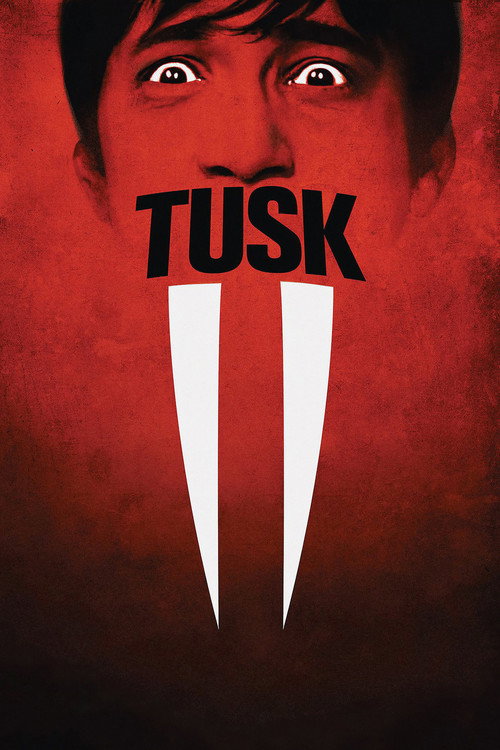
Tusk2014
A body-horror transformation premise executed with unsettling craft. Genuinely original and commits fully to its grotesque premise without winking.
But Uncompromising in its grotesquerie and designed to alienate. The scenario is so extreme that it can read as ridiculous rather than terrifying.
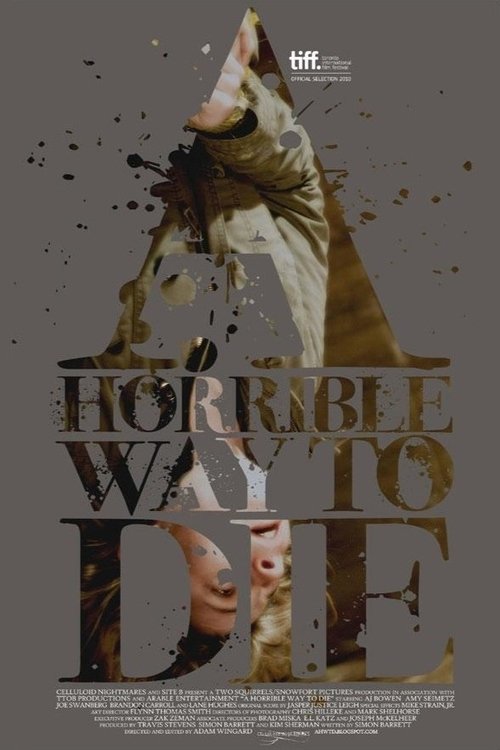
A Horrible Way to Die2010
Both are anthologies of damage where the structure itself—disjuncture, repetition, fragmentation—becomes the horror. The medium reshapes how suffering lands.
Adam Wingard's indie serial-killer film told backwards. A woman unknowingly connects with her ex-lover's prey, and the film becomes about trauma returning rather than evil stalking. Formally inventive and genuinely harrowing.
But Deliberately unstyled and shot on digital that emphasizes grain and flatness. The reverse structure can feel gimmicky, and the emotional toll is real.
Come and See1985
Three Extremes uses extreme imagery to ask moral questions; Come and See uses documentary-adjacent brutality to the same end. Both refuse sentiment and demand you sit with what humans do.
Elem Klimov's Soviet war film where a boy's face mirrors what we witness: total annihilation of innocence. Not horror in genre terms, but more profoundly horrifying than most genre films. Unforgettable.
But Relentlessly bleak, historically specific brutality, and a runtime that extends the suffering deliberately. Watching it requires emotional fortitude and time you won't get back.

People
Cast
 Kyoko HasegawaKyoko (segment "Box")
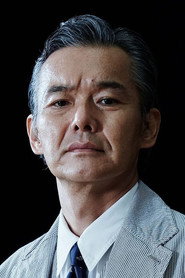 Atsuro WatabeYoshii / Higata (segment "Box")
- Mai SuzukiYoung Kyoko (segment "Box")
- Yuu SuzukiYoung Shoko (segment "Box")
- Mitsuru AkaboshiCircus Member (segment "Box")
 Bai LingMei (segment "Dumplings")
- Pauline LauLi's Maid (segment "Dumplings")
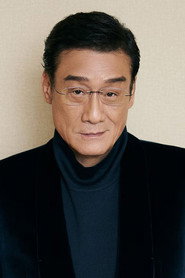 Tony Leung Ka-faiMr. Li (segment "Dumplings")
- Meme Tian Pu-JunConnie (segment "Dumplings")
 Miriam Yeung Chin-WahLi Qing (segment "Dumplings")
- Wong Sum-YuenOld Hairdresser (segment "Dumplings")
- Wu Wai-ManNurse (segment "Dumplings")
Directing
- Fruit ChanDirector
- Park Chan-wookDirector
- Takashi MiikeDirector
Writing
- Bun SaikouStory
- Haruko FukushimaWriter
- Lilian Lee Bik-WahWriter
- Park Chan-wookWriter
Production
- Choi Pyung-hoExecutive Producer
- Kazuo KuroiExecutive Producer
- Lee EugeneExecutive Producer
- Oh Jung-wanExecutive Producer
- Park Dong-hoExecutive Producer
- Peter ChanExecutive Producer
- Ahn Soo-hyunProducer
- Peter ChanProducer