
Film
Gozu
- Horror comedy
- Strange
Takashi Miike's *Gozu* is a surreal, blackly comic descent into a nightmare logic that treats gangster conventions like a fever dream. It's weirdly funny, persistently unsettling, and increasingly bizarre—less a coherent story than a mood that gets stranger the longer you sit with it. For viewers who want their horror to be strange rather than scary, and their comedy to come from discomfort.
If you liked this
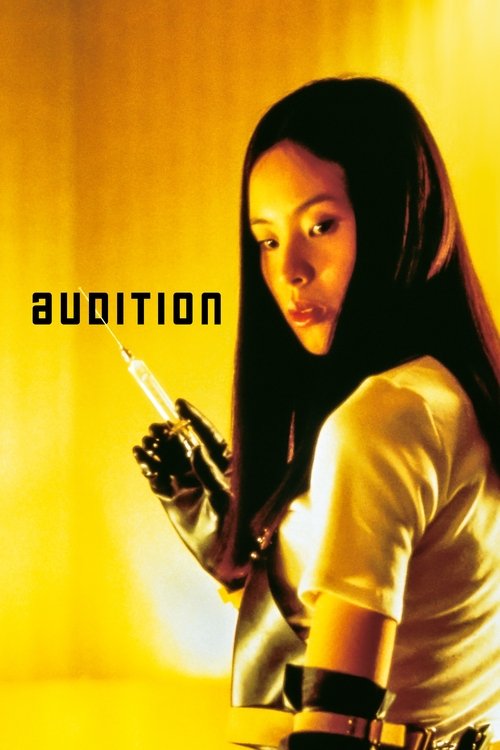
Audition2000
Miike's masterpiece of escalating dread, where gentleness curdles into something genuinely disturbing. If you're drawn to *Gozu*'s willingness to disorient, this earlier film shows what happens when Miike brings real malice to the same sensibility.
But It builds slowly and asks for patience. The final act is brutal and difficult in ways that go beyond discomfort into genuine violence.
Mulholland Drive2001
Lynch's Los Angeles fever dream of identity and illusion. Like *Gozu*, it trusts you to feel lost, rewards rewatching, and finds horror in the everyday by making it slowly, subtly wrong.
But It's a puzzle-box that resists definitive answers. If you need films to resolve neatly, this will frustrate you.

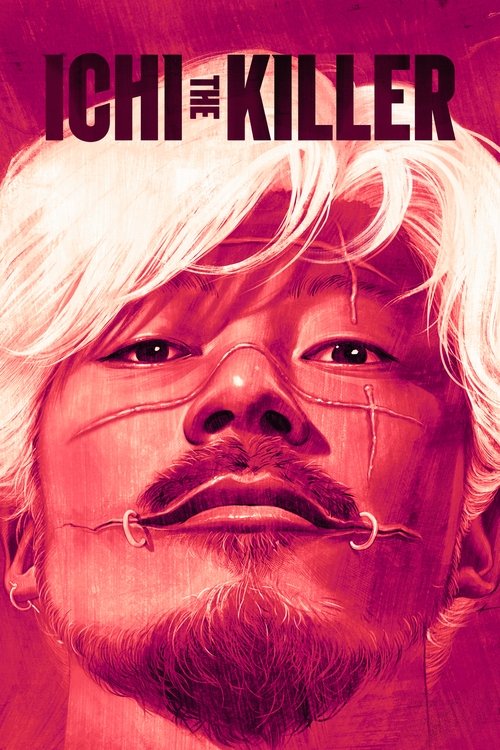
Ichi the Killer2001
Another Miike-Miike collision of yakuza violence, surrealism, and transgressive comedy. Same director, same era, same willingness to be garish and strange and difficult all at once.
But It's even more graphic and exploitative than *Gozu*, and the tone whipsaw between brutal and absurd can feel manipulative rather than inspired.
Not sure tonight? Get a pick in a minute, starting from Gozu
The wildcard
Something you would not have found on your own.
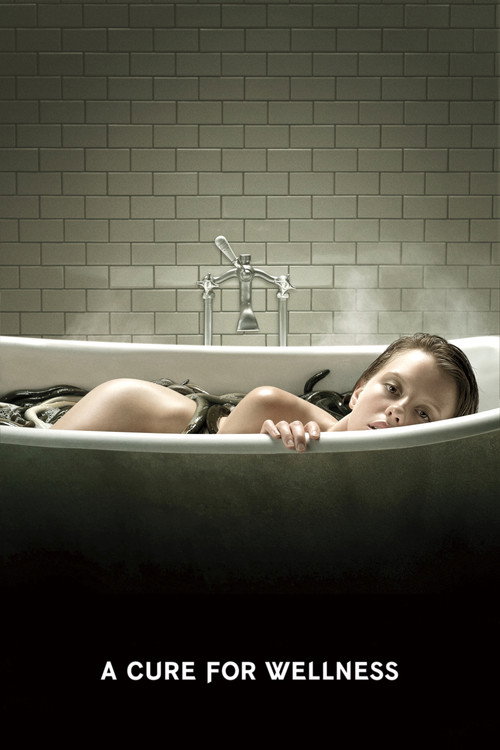
A Cure for Wellness2017
Both are genre films that slowly abandon genre logic in favor of pure atmosphere and surrealist momentum. Both trust the audience's willingness to get lost.
Gore Verbinski's batshit haunted-spa mystery that commits to surrealism the way *Gozu* does, complete with increasingly absurd body horror and a refusal to resolve into sense. Both films reward giving yourself over to their logic rather than fighting it.
But It's two-and-a-half hours of baroque strangeness with a plot that gets less coherent as it goes. Some viewers read that as artistic; others as self-indulgent nonsense.
More like this (8)
The Wailing2016
A South Korean horror-mystery that gets progressively stranger and more paranoid, layering genre shifts the way *Gozu* does. By the end you're not sure what you've watched, but you can't stop thinking about it.
But Nearly three hours, and deliberately constructed to be ambiguous about what's real. Some viewers find that rewarding; others find it exhausting.

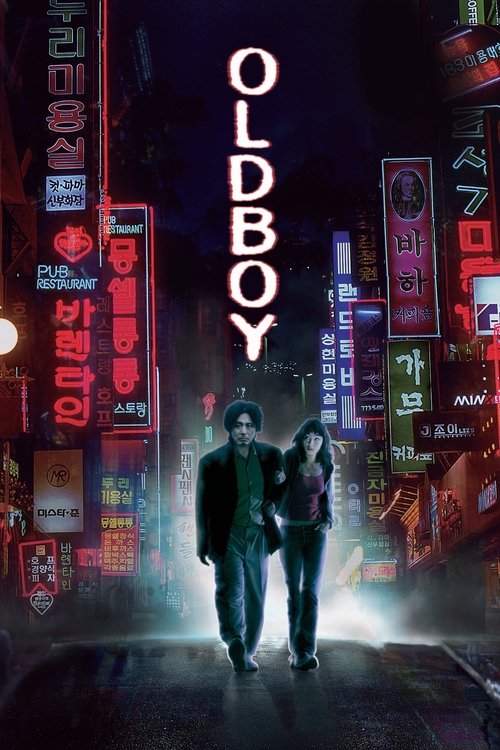
Oldboy2003
Released the same year as *Gozu*. A visceral, stylish revenge thriller that's equally willing to be grotesque and darkly comic, with surprises that genuinely unsettle.
But The violence is real and inventive in ways that go beyond plot necessity. It's designed to make you uncomfortable as well as entertained.
Possession1981
Andrzej Żuławski's baroque, chaotic dissolution of a marriage told as psychological horror. Genuinely disorienting and strange in a way that predates *Gozu* but shares its commitment to mood over logic.
But It's aggressively weird for weirdness's sake, and the acting is theatrical to the point of seeming unhinged. That's partly the point, but it's not comfortable viewing.

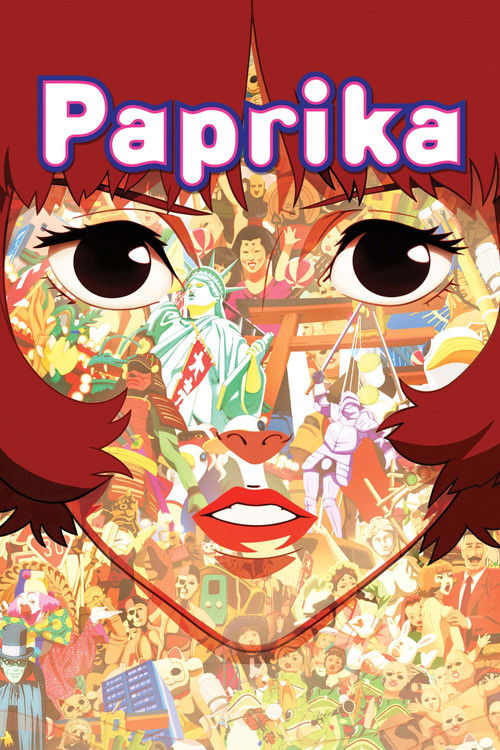
Paprika2006
Satoshi Kon's animated fever dream about dreams bleeding into reality. Visually dazzling and genuinely disorienting in the best way—*Gozu* in color and motion, structured around surrealism rather than crime.
But The plot can feel secondary to the visual spectacle. If you prefer narrative clarity, the dream logic will feel indulgent.
Three... Extremes2004
Three directors—Miike, Chan-wook Park, and Fruit Chan—contribute horror-comedy shorts. Miike's segment alone is worth the price of admission, and the others prove this sensibility isn't unique to him.
But Anthology format means uneven tone and quality. The other segments might not land with the same impact as Miike's work.

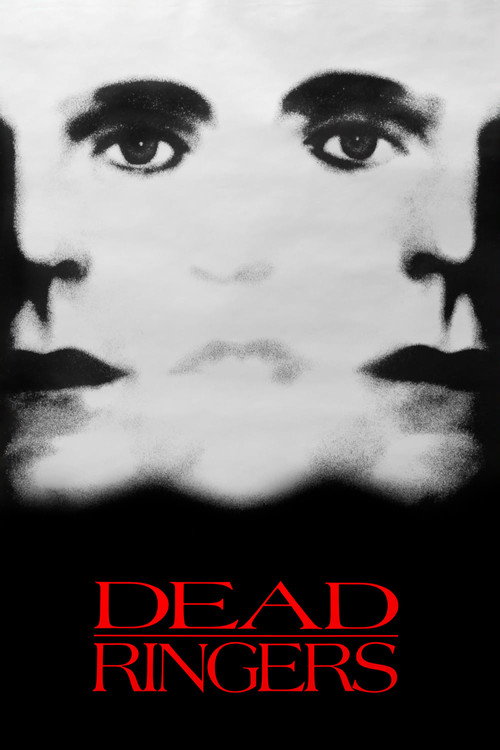
Dead Ringers1988
Cronenberg's psychological horror about identical twins spiraling into obsession and body horror. It shares *Gozu*'s willingness to be grotesque and strange without ever becoming comic—a different register on a similar frequency.
But It's clinical and cold where *Gozu* is delirious. If you're watching for warmth or humor, this will feel empty and alienating.
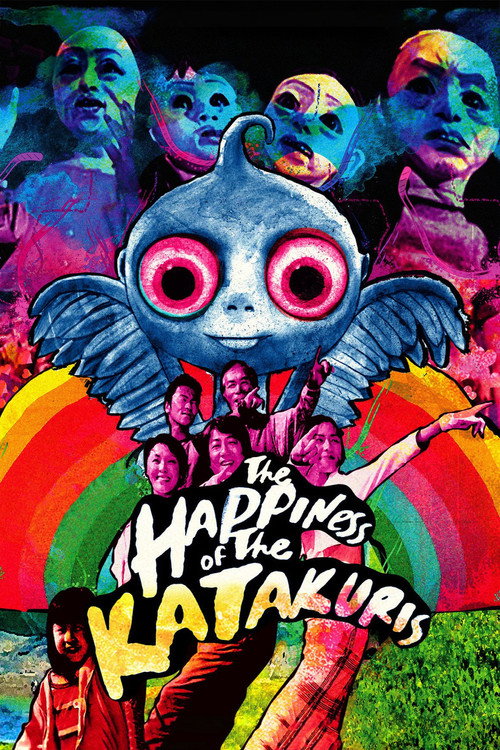
The Happiness of the Katakuris2002
Same director, same era, same willingness to be deranged. But where *Gozu* commits to dread, *Katakuris* finds absurdist joy in chaos—a completely different temperature on the same creative impulse.
Takashi Miike again, but this time a musical—yes, a musical—about a family that keeps accidentally murdering their guests. Absurdist comedy touching real darkness, with musical numbers that shouldn't work but somehow do. Proof that Miike's sensibility isn't limited to *Gozu*.
But The tonal shifts are violent and deliberate. Song-and-dance routines adjacent to genuine tragedy. It's funny-weird, not dark-weird, which might feel like a betrayal if you're after *Gozu*'s unease.
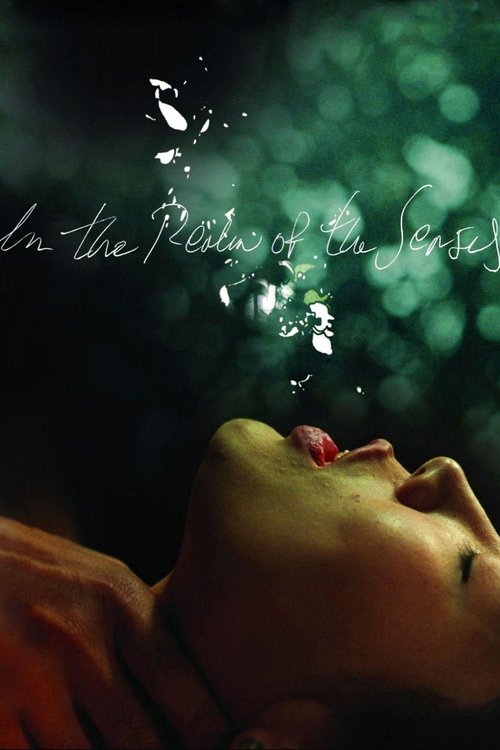
In the Realm of the Senses1976
Both are Japanese films about the loss of control and the dissolution of identity, but where *Gozu* uses surrealism and dark comedy as a shield, *Senses* strips that away entirely. Watching them together shows what's funny about *Gozu*'s approach versus what's tragic about the thing it's gesturing toward.
Nagisa Oshima's notorious film of erotic obsession and transgression, based on true events. Graphic, relentless, and genuinely upsetting in ways that force you to confront what you're watching. *Gozu* is surreal horror-comedy; this is the real-world descent into madness it might be parodying.
But It's sexually explicit, politically provocative, and designed to disturb. The transgression isn't the point—the genuine psychological deterioration is. It's art, but art that doesn't apologize.
People
Cast
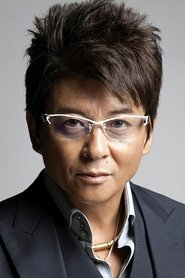 Show AikawaOzaki
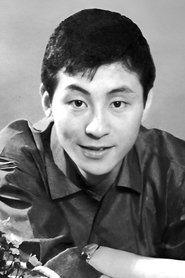
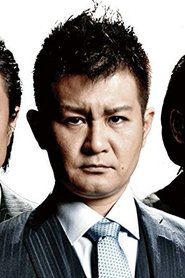 Yūta SoneMinami
 Kimika YoshinoFemale Ozaki
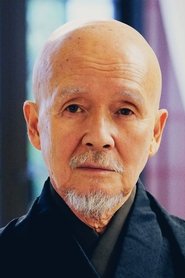 Shōhei HinoNose
 Keiko TomitaInnkeeper
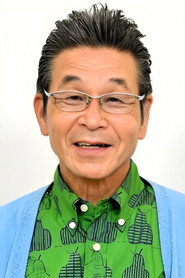
 Harumi SoneInnkeeper's Brother
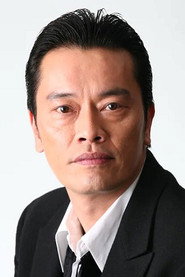
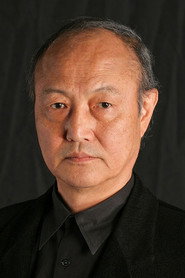 Renji IshibashiBoss

Directing
- Takashi MiikeDirector
Writing
- Sakichi SatoScreenplay
Production
- Harumi SoneProducer
- Kanako KoidoProducer