
Film
In the Realm of the Senses
Nagisa Oshima's 1976 film recounts the true story of Sada Abe, a chambermaid whose affair with an innkeeper becomes a descent into sexual obsession and madness. Explicit, unsentimental, and formally daring, it's a portrait of desire as compulsion—something that consumes rather than completes. For those ready for art cinema that refuses to look away.
Should you watch it?
Watch it if you want sex on screen treated as a serious, unflinching study of obsession, with long, patient takes that let the intimacy become almost hypnotic.
Skip it if your patience for explicit scenes is limited, since the film returns to sex again and again, and its pace is glacial enough to test even committed viewers.
What it asks of you: Settle in for a long, unhurried stretch in which the world outside the rooms barely intrudes, and the mood stays intimate, airless and quiet.
Not sure? Find tonight's pick in a minute.
If you liked this
A Quiet Passion2016
Godard's meditation on passion, performance and cinema itself, shot during a bitter divorce. Like Oshima, he treats desire as a philosophical problem, not a romance. Formally adventurous and deeply unnerving.
But It's deliberately fragmented and abstract. Long stretches feel more like filmed theory than narrative. Requires active attention and tolerance for opacity.
Last Tango in Paris1972
Bertolucci's film about an unnamed affair conducted in a Paris apartment. Both films use explicit sex as a language for emotional damage rather than pleasure. Beautifully shot, morally complicated, unflinching.
But The sex scenes are prolonged and graphic. The gender politics haven't aged well, and Brando's performance can feel self-indulgent. Slow in places, deliberately so.
Bound by Honor1993
Haunting portrait of obsessive love that destroys both parties. Like Oshima's film, it treats desire as a force that annihilates identity. Shot with grave visual beauty and genuine emotional weight.
But Quite difficult to find and rarely discussed. The pacing is deliberate and meditative, not propulsive. You need patience and buy into the director's vision entirely.
Not sure tonight? Get a pick in a minute, starting from In the Realm of the Senses
The wildcard
Something you would not have found on your own.
The Ballad of Little Jo1993
Both films are based on true stories that explode conventional identity. Both use the body as the primary site of meaning, and both refuse to judge or explain their subjects' choices. Each treats transgression as inevitable rather than chosen.
A woman passes as a man in the American West to survive. Like Oshima, Reichardt explores how identity dissolves under pressure and desire—though here sexual identity itself becomes the transgression. Quiet, formally precise, deeply strange.
But Slow and austere; builds meaning through absence rather than action. The payoff is conceptual, not emotional. Some find it cold or inaccessible.

More like this (8)
The Story of O1975
Just Oshima's predecessor, another explicit European art film about sexual surrender and the loss of self through desire. Formally bold and genuinely transgressive without being gratuitous.
But Very difficult material. Graphic sexual content in service of exploring power and submission. The film's coolness toward suffering can feel cold, even alienating.
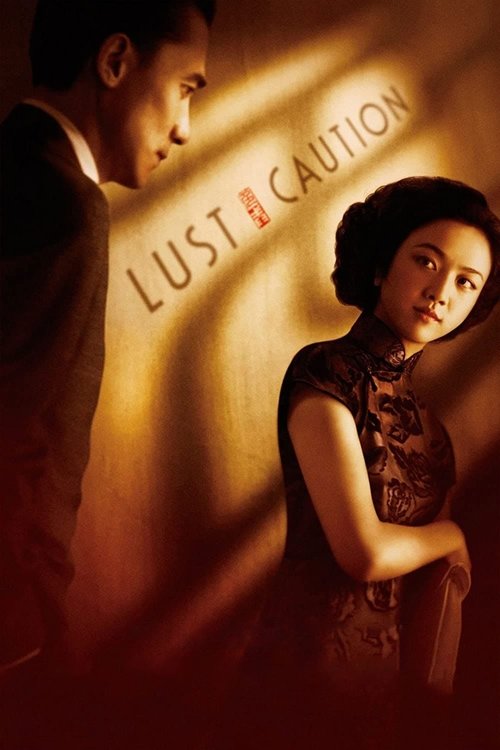
Lust, Caution2007
Ang Lee's film about a woman who uses seduction as a weapon during wartime Shanghai. Features graphic sex alongside political intrigue, and explores how desire can unmake strategic intention.
But The explicit scenes are prolonged and intense. The tonal shifts between thriller and intimacy can feel jarring. Some find the ending morally muddled.
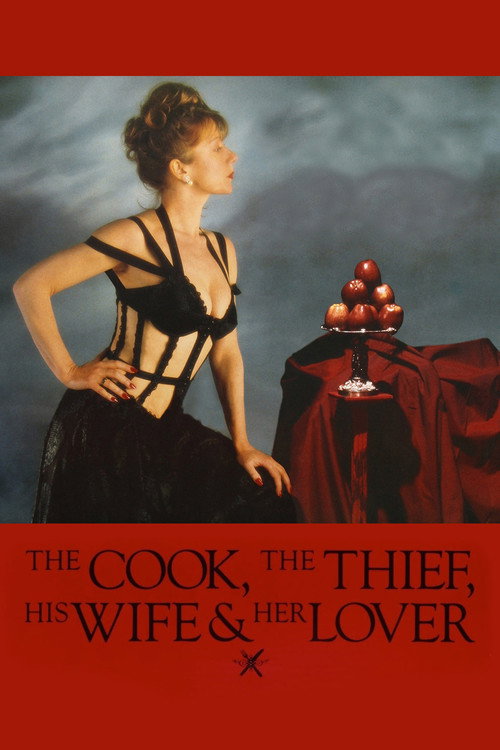
The Cook, the Thief, His Wife & Her Lover1989
Greenaway's baroque nightmare about desire, violence and consumption. Like Oshima, he makes desire grotesque and inescapable. Visually operatic, narratively nightmarish, completely singular.
But Extremely graphic violence and sexual content. The aesthetic is deliberately repellent—if the look of the film repulses you, there's no way through it. Very long and exhausting to watch.
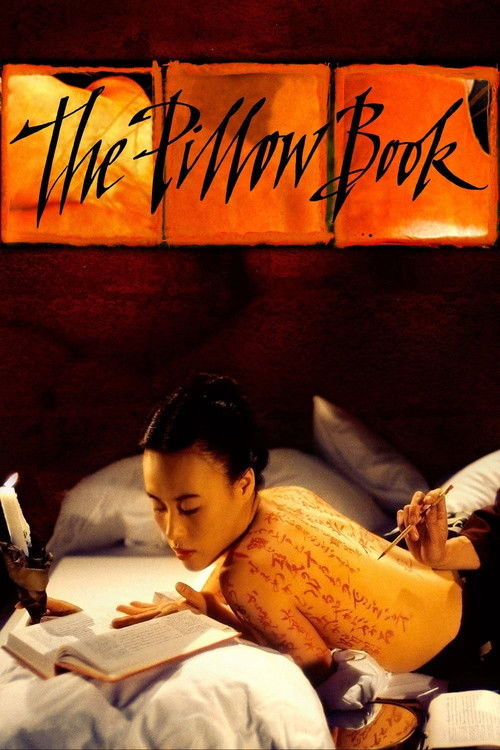
The Pillow Book1995
Greenaway again, but more directly about how desire and the body become text and performance. Uses explicit imagery to explore eroticism as a form of artistic creation and obsession.
But Fractured narrative, experimental editing, and relentless visual density. Graphic sexual content throughout. Can feel more like looking at art than watching a film.
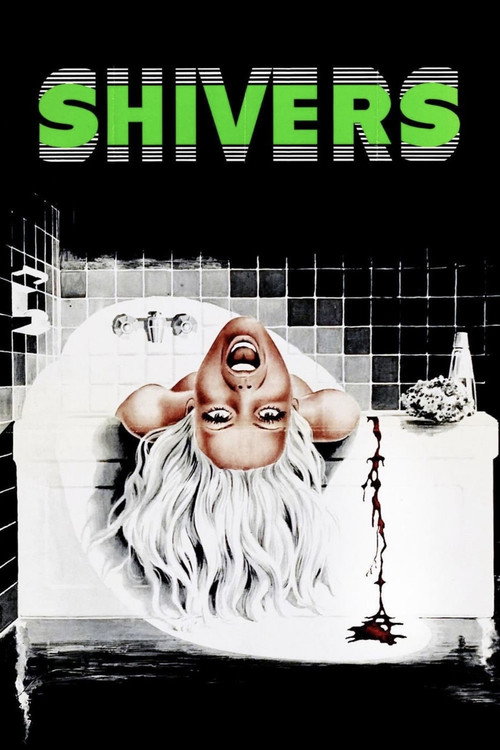
Shivers1975
Cronenberg's body-horror film where sexual compulsion becomes literally parasitic. Like Oshima, he treats desire as something that overtakes the self. Early, raw, surprisingly poetic beneath the grotesquerie.
But Dated special effects that work against the horror. Deeply misogynistic subtext, whether intentional or not. Genuinely unpleasant to watch for much of its runtime.
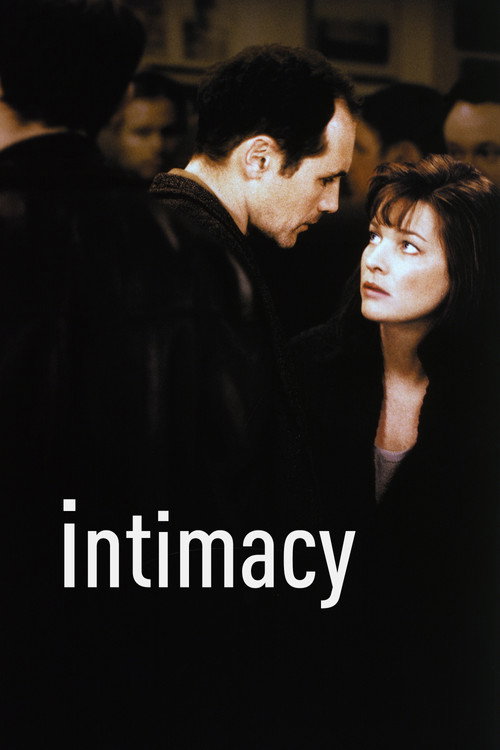
Intimacy2001
Shahid Malik's film about two strangers meeting only for sex, filmed with unflinching honesty. Explores how desire can coexist with complete emotional absence. Spare, direct, utterly unsentimental.
But Almost no plot and minimal dialogue. The sex scenes are frontally graphic and repetitive. Bleak and emotionally punishing; offers no catharsis or resolution.
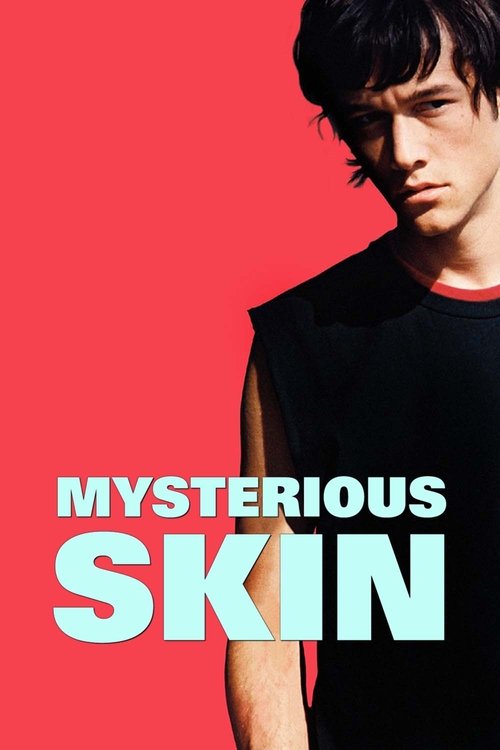
Mysterious Skin2005
Where Oshima shows desire as compulsion that annihilates, Araki shows how compulsion can eventually become choice, and how the body recovers agency. Both use graphic imagery in service of something far deeper than sensation. Both refuse easy redemption narratives.
Gregg Araki's film about trauma, desire, and false memory following childhood sexual abuse. Devastatingly tender and explicit without exploitation. Uses sex scenes to show healing and connection, not destruction.
But Handles child sexual abuse directly. Some graphic sexual content involving adults. Emotionally punishing; the slow path toward any comfort is excruciating to watch.
Jeanne Dielman, 23, quai du Commerce, 1080 Bruxelles1976
Like Oshima, Akerman uses long takes and refuses to cut away or judge. Both films insist on looking at the body and desire without irony or distance. Both treat the supposedly private as deserving of cinema's full, unflinching attention.
Chantal Akerman's three-hour film about a widow's daily rituals, including her work as a sex worker. Minimalist, repetitive, formally radical. Treats the body and its labor with absolute seriousness and strange tenderness.
But Nearly plotless and deliberately tedious. Scenes of cooking and cleaning take up as much screen time as intimate encounters. Requires surrendering to a glacial pace and accepting boredom as aesthetic choice.

People
Cast
 Eiko MatsudaSada Abe
 Tatsuya FujiKichizo Ishida
 Aoi NakajimaToku
 Yasuko MatsuiTagawa Inn Manager
 Meika SeriMatsuko (Yoshidaya Maid)
 Kanae KobayashiOld Geisha Kikuryû
 Taiji TonoyamaOld Beggar
- Kyōji KokonoeTeacher Ômiya
- Naomi ShiraishiGeisha Yaeji
- Shinkichi NodaStreet Restaurant Owner
- Komikichi HoriMitsuwa Geisha
- Kikuhei MatsunoyaHôkan Jester
Directing
- Masayuki MotomochiAssistant Director
- Saburo LiAssistant Director
- Shizuo SatôAssistant Director
- Yōichi SaiAssistant Director
- Nagisa ŌshimaDirector
Writing
- Nagisa ŌshimaWriter
Production
- Anatole DaumanProducer
- Eiko OshimaProduction Manager
- Hayao ShibataProduction Manager
- Katsue TomiyamaProduction Manager
- Kōji WakamatsuProduction Manager
- Shigeru WakatsukiProduction Manager
- Susumu IwabuchiProduction Manager
Recommended by
The Battle of the Somme, The Burmese Harp, Nine 1/2 Weeks, The Duke of Burgundy, Crazy Love, The Railway Man, Battles Without Honor and Humanity, Belle de Jour, Performance., The Ballad of Narayama, Hear and Now, Cruel Story of Youth, A Colt is My Passport, Youth of the Beast, The Yakuza, Tokyo Vice, Memoirs of a Geisha, Black Rain, Rhapsody in August, Two Women, The Eternal Zero, The Man Standing Next, Love and Honor, A Story of Floating Weeds, The Story of O, Deep Web, The Ceremony, Gozu, Chikamatsu Monogatari, The Outsider, Patlabor 2: The Movie, Chained, The Brig, Rising Sun, An Actor's Revenge, Visitor Q, Violent Cop, The Sergeant, Spanking the Monkey, Blind Woman's Curse, Jealousy, Silk, Fake Famous, Erotique, The Violent Professionals, Hanzo the Razor: Sword of Justice, Heropanti, Working Girls, The Night of the Seagull, Romance, The Bodyguard, Deception, Fires on the Plain, Kiss of the Spider Woman, Minbo, or The Gentle Art of Japanese Extortion, Izo, Strays, Story of a Prostitute, Odd Obsession, Graveyard of Honor, Underworld Beauty, Emmanuelle, Torment, Sound of the Mountain, Flood!, The Hothouse, Drunken Angel, The Story of the Kelly Gang