
Film
Visitor Q
- Family drama
- Strange
Takashi Miike's deliberately provocative 2001 film embeds a Trojan horse of grace inside a family portrait of pure dysfunction. It's uncomfortable, transgressive, often grotesque—and genuinely interested in whether broken people can heal each other. For viewers who prize moral complexity over comfort, and who trust a director's vision even when it appals.
Should you watch it?
Watch it if you like transgressive satire that plays family dysfunction as a deadpan joke, and you can tolerate shocking material in service of a bleak, black-comic provocation.
Skip it if the cruelty and sexual shock are the point, and if you need sympathetic characters or a story that builds momentum, its loose, episodic drift will test you.
What it asks of you: Only 84 minutes, but it demands a stomach and an open mind; it plays rough, flat and jarring, shifting from dry laughs to real revulsion without warning.
Not sure? Find tonight's pick in a minute.
If you liked this
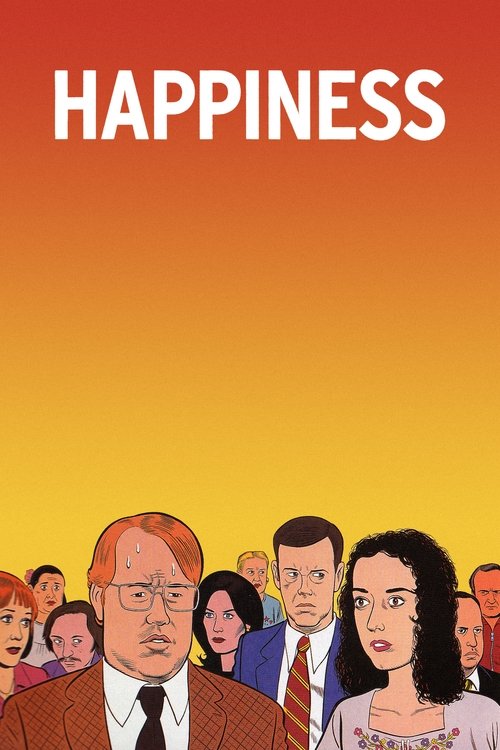
Happiness1998
Todd Solondz's unflinching anatomy of suburban pathology and sexual dysfunction. Like Visitor Q, it refuses to look away from the grotesque and finds unexpected humanity there.
But The misanthropy is relentless. Some scenes are designed to alienate you, and they will.
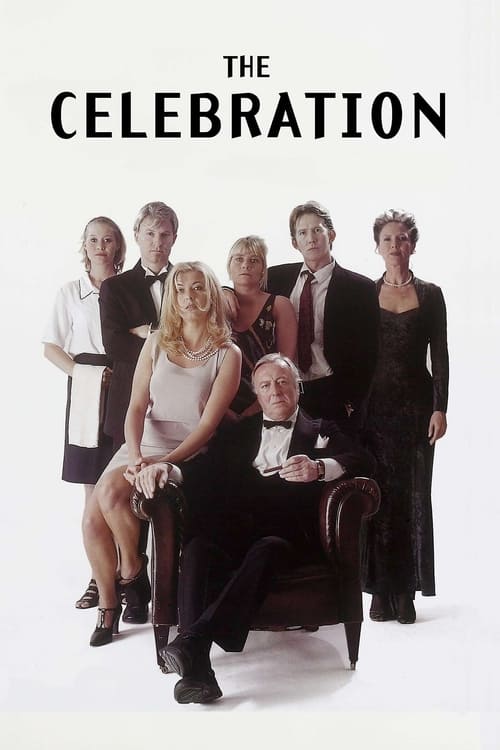
The Celebration1998
Danish Dogme film that excavates family trauma—incest, abuse, denial—at a birthday dinner. The same precision about how damaged families actually function beneath their surfaces.
But The hand-held camera work is intentionally rough. Some may find it more grating than immersive.
Requiem for a Dream2000
Aronofsky's portrait of addiction's grip on a family. The formal control, the refusal to sentimentalize, the belief that showing everything is an act of witness, not exploitation.
But The descent is relentless and designed to be distressing. There are no redemptive moments until the very end.

Not sure tonight? Get a pick in a minute, starting from Visitor Q
The wildcard
Something you would not have found on your own.
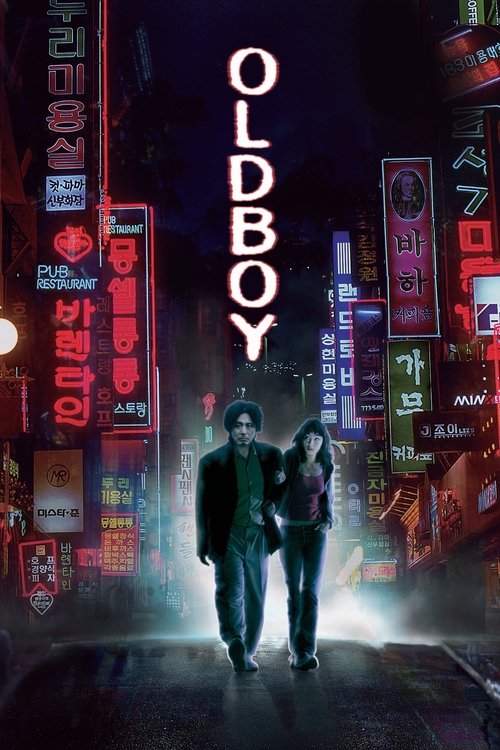
Oldboy2003
Both use a stranger's intrusion to force a damaged family toward grace. Both trust extreme form and content to carry philosophical weight. Both are by Asian directors unafraid of global audiences' discomfort.
Park Chan-wook's revenge thriller has the same DNA as Visitor Q—formal control meeting chaos, a stranger arriving to remake a family's moral axis, the belief that cinema should move and disturb in equal measure. But it's a propulsive thriller, not a provocation.
But The violence is iconic but graphic. And the twist, though brilliant, can feel manipulative on second viewing.
More like this (8)
Come and See1985
Elem Klimov's apocalyptic war film shares Miike's willingness to show atrocity without flinching, and a similar faith that unflinching sight can change people.
But It is arguably harder to watch than anything Miike made. The subject matter is genocide and childhood destruction.

A Prophet2009
Jacques Audiard's prison drama finds transformation and grace inside brutality. The same confidence that a terrible system can teach something about survival and dignity.
But It's nearly two-and-a-half hours and deliberately paced. Patience is required before the emotional payoff arrives.

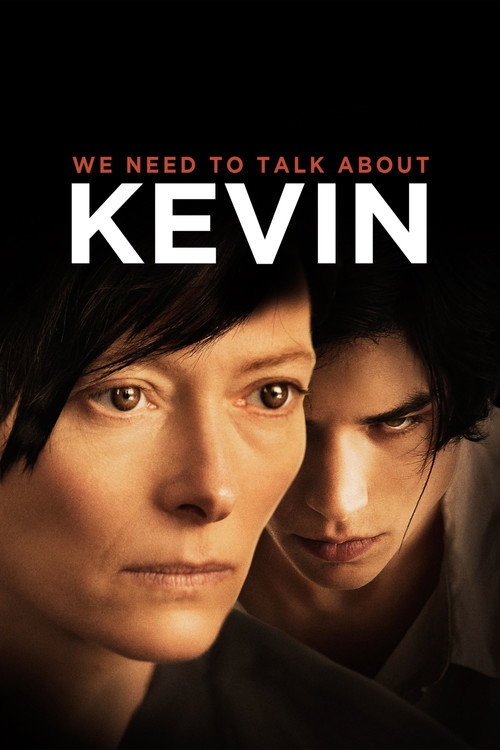
We Need to Talk About Kevin2011
Lynne Ramsay's film about maternal failure and a son's violence. Explores whether family bonds can survive knowledge of unforgivable things.
But The structure is fractured and deliberately hard to follow. Some find it pretentious rather than profound.
Under the Skin2014
Jonathan Glazel's science fiction film is formally radical and genuinely strange. It shares Miike's willingness to trust the audience's patience and discomfort as a form of engagement.
But Very little happens. If you require conventional narrative momentum, you will be bored and frustrated.

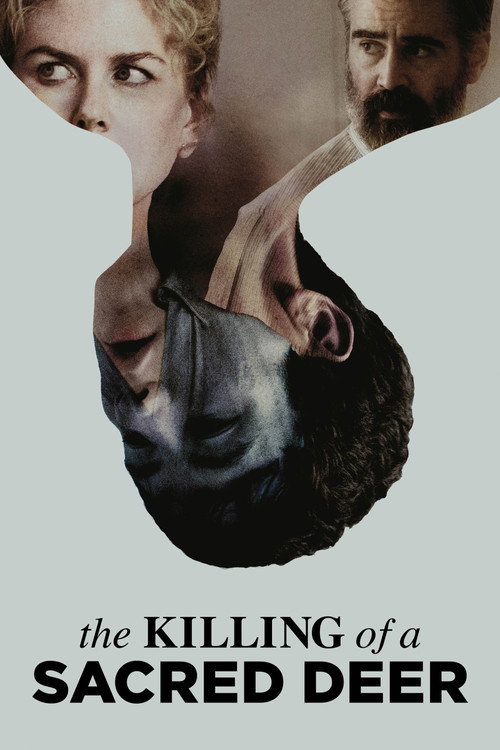
The Killing of a Sacred Deer2017
Yorgos Lanthimos builds unbearable tension from a family's complicity in a stranger's designs. Icy, controlled, and convinced that form matters as much as content.
But The artificiality of the performances and dialogue will read as cold rather than unsettling if you're not in its wavelength.
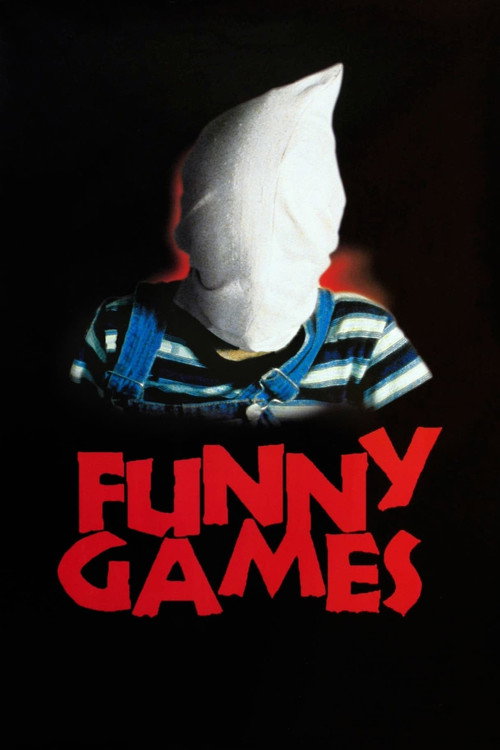
Funny Games1997
Haneke's home-invasion film is a provocation about viewer complicity. It breaks the fourth wall to ask whether you deserve entertainment from other people's suffering.
But It's been remade twice and the original is deliberately designed to make you resent watching it. Some find that intellectually interesting, others find it hostile.
The Act of Killing2012
Both films believe that having someone act out their nature—perform it, examine it—can fundamentally change them. Both trust process over judgment.
Joshua Oppenheimer's documentary asks real perpetrators of genocide to dramatize their crimes. Like Visitor Q, it believes in the transformative power of making people confront what they've done—but it's a documentary asking whether cinema can heal historical trauma.
But At nearly three hours, it depends on slow revelation of character. The subject matter is real mass murder, which carries weight that fiction cannot.

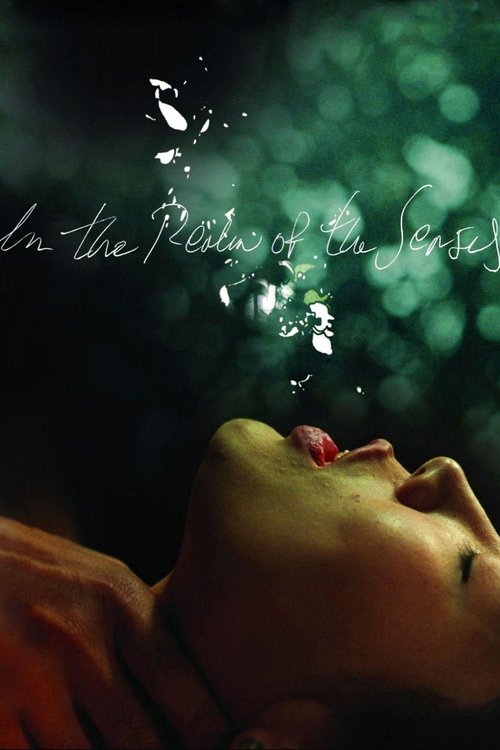
In the Realm of the Senses1976
Both are Japanese films that examine dysfunction through bodies rather than psychology. Both trust visual unflinching over narrative reassurance. Both ask whether taboo subjects become less taboo when you really look at them.
Nagisa Oshima's film about two lovers spiraling into obsessive sexual dysfunction is Japanese, transgressive, and genuinely interested in whether desire can survive its own extremity. It's a completely different mood—erotic rather than grotesque—but the same unflinching gaze at bodies and damage.
But It's a real explicit film from 1976. Even by modern standards, it's not for those who prefer the camera to look away. And the ending is devastating.
People
Cast
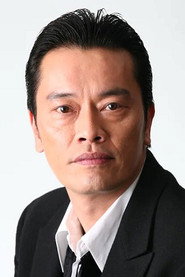 Kenichi EndoKiyoshi Yamazaki / Father
 Shungicu UchidaKeiko Yamazaki / Mother
 Kazushi WatanabeQ / The visitor
- Jun MutôTakuya Yamazaki / Son
 FujikoMiki Yamazaki / Daughter
 Shôko NakaharaAsako Murato
 Ikko SuzukiSasaoka
Directing
- Takashi MiikeDirector
Writing
- Itaru EraWriter
Production
- Akira SaitoExecutive Producer
- Hisanori EndôExecutive Producer
- Reiko ArakawaProducer
- Seiichiro KobayashiProducer
- Susumu NakajimaProducer
Recommended by
Ichi the Killer, Wolf Creek, Rest Stop, Freaked, Grotesque, Ultraman: The Next, The Incomer, Kamen Rider 555: Paradise Lost, Evil Dead Trap, The Challenge, A Chinese Torture Chamber Story