
Film
Kamen Rider 555: Paradise Lost
A lean, muscular sci-fi action film set in a dystopia where humanity is nearly extinct and a shadowy corporation breeds alien replacements. Takumi, who lost his memory as mankind's last champion, must remember who he is and fight back. It's brutal, efficient storytelling with real stakes—the kind of film that trusts you to keep up and doesn't waste a frame.
If you liked this
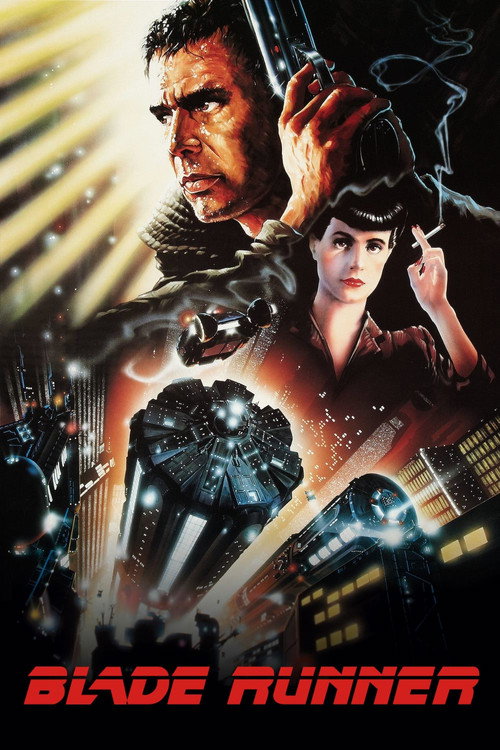
Blade Runner1982
A foundational meditation on what makes someone human, told through neon-lit action and philosophical dread. If Paradise Lost's core question interests you, this is where modern sci-fi began asking it.
But Slower than a modern action film, deliberately so. The pacing is deliberate and demands patience; some find it glacial.
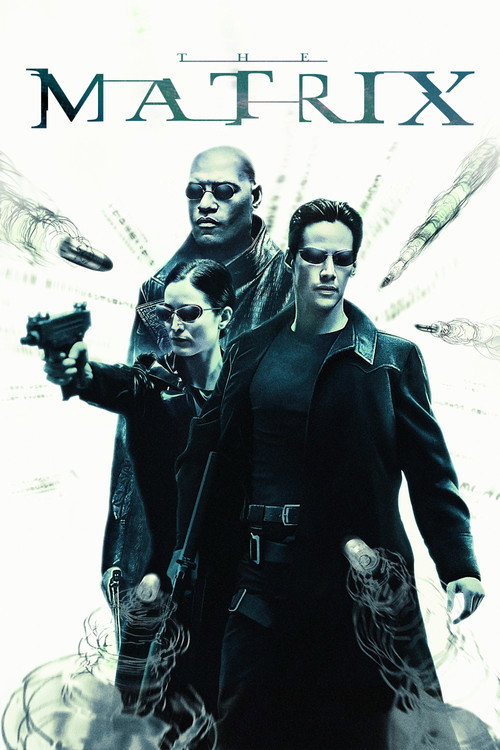
The Matrix1999
Stylish, propulsive sci-fi action built on the same engine: an awakening hero, a shadowy corporation controlling reality, humanity on the brink. It made the template Paradise Lost inherits feel fresh and urgent.
But The sequels damaged its reputation and it's been endlessly imitated. The core film still holds, but you may feel like you've seen it before.
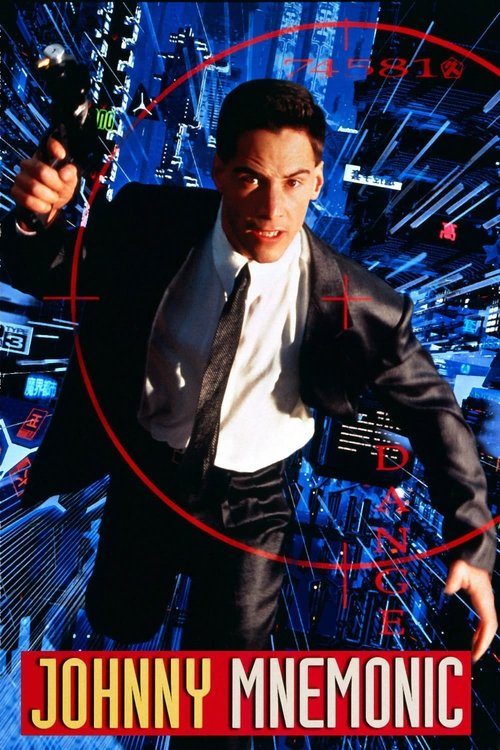
Johnny Mnemonic1995
Another William Gibson adaptation about corporate oppression, amnesiac heroes, and bodies as battlegrounds. Similar low-budget energy and practical effects that ground the sci-fi in something tactile.
But It's visibly a mid-90s film with dated design choices. The narrative gets tangled in its own concept work.
Not sure tonight? Get a pick in a minute, starting from Kamen Rider 555: Paradise Lost
The wildcard
Something you would not have found on your own.
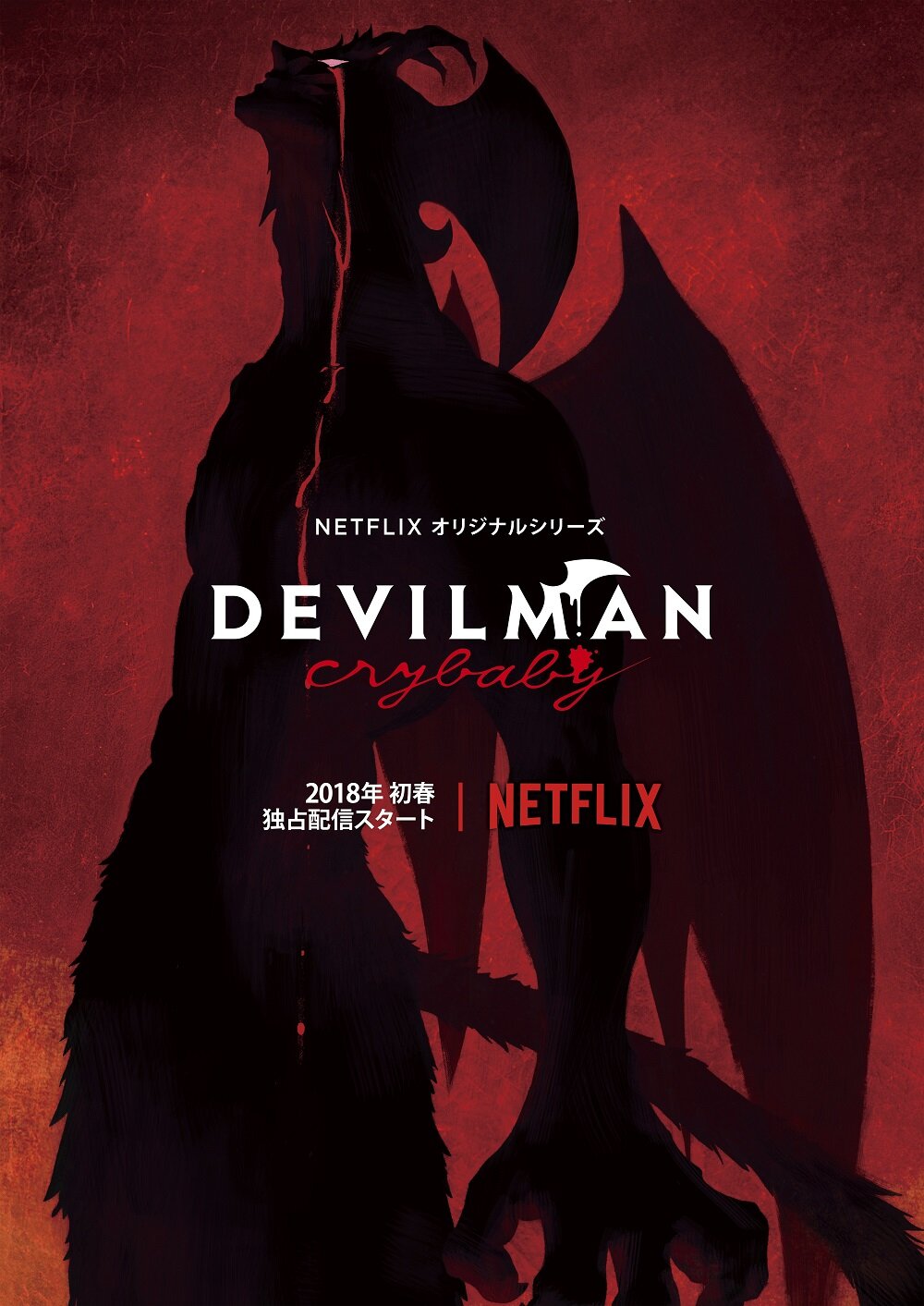
Devilman Crybaby2018
Both are stories about the last human resistance against a superior species wearing human skin. Both refuse to make that comforting. Paradise Lost is live-action efficiency; Devilman is animated apocalypse poetry. Same story in completely different registers.
Anime miniseries about humanity on the brink, bodies transformed into weapons, and fighting an enemy that may already be inside the system. Uses animation to go places live-action can't—more visceral, more mythic, same core dread.
But Extremely graphic violence and body horror. Not for viewers squeamish about grotesque imagery. Also deeply bleak in its final act.
More like this (6)
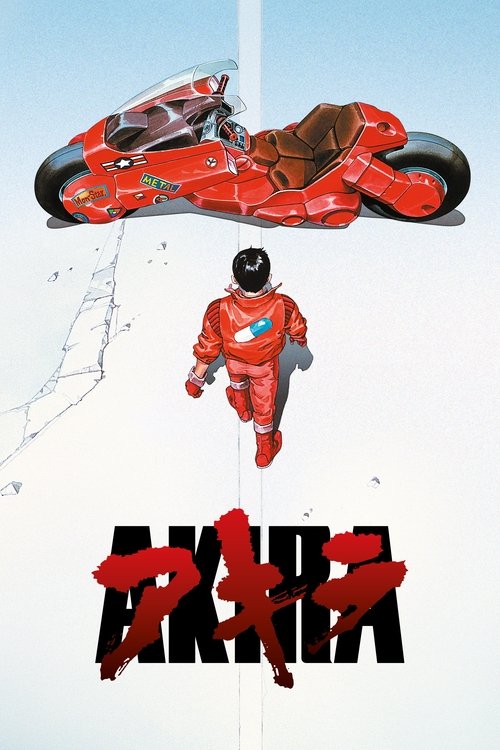
Akira1988
Apocalyptic anime about power, corruption, and young people caught in forces larger than themselves. Shares Paradise Lost's willingness to be visually shocking and morally murky rather than comforting.
But Heavy subtitles and a dense, non-linear plot. If you want passive entertainment, this isn't it.
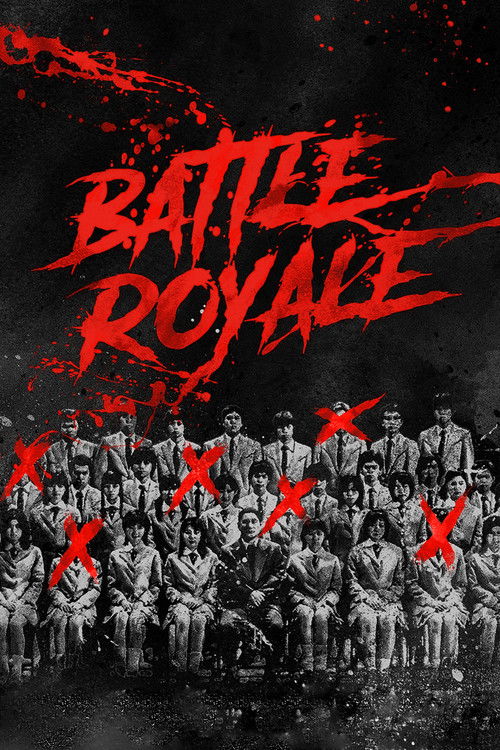
Battle Royale2000
Japanese sci-fi action that's equally committed to practical combat, high stakes, and a world where the system itself is the enemy. Similar willingness to let characters die and situations escalate.
But Genuinely violent. The premise—children forced to kill each other—is designed to provoke, and it does.
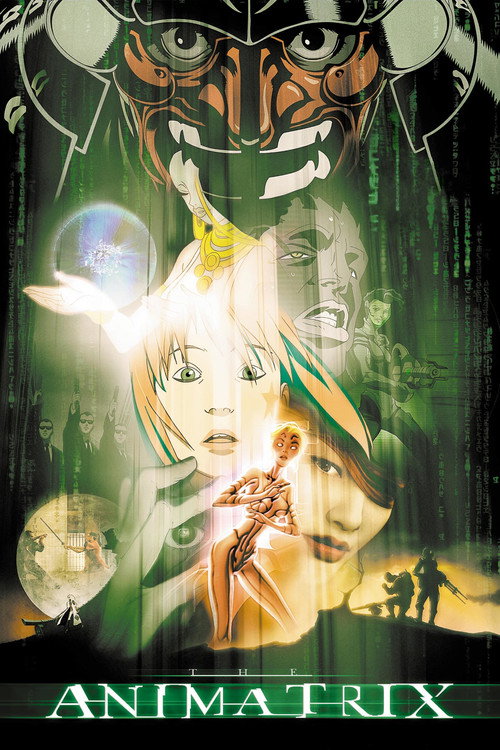
The Animatrix2003
Anthology film exploring the Matrix universe through different animation styles. Shows how the corporate-dystopia-sci-fi template can sustain multiple stories and moods within one world.
But Uneven by design—some segments land harder than others. Requires familiarity with the Matrix films to fully engage.
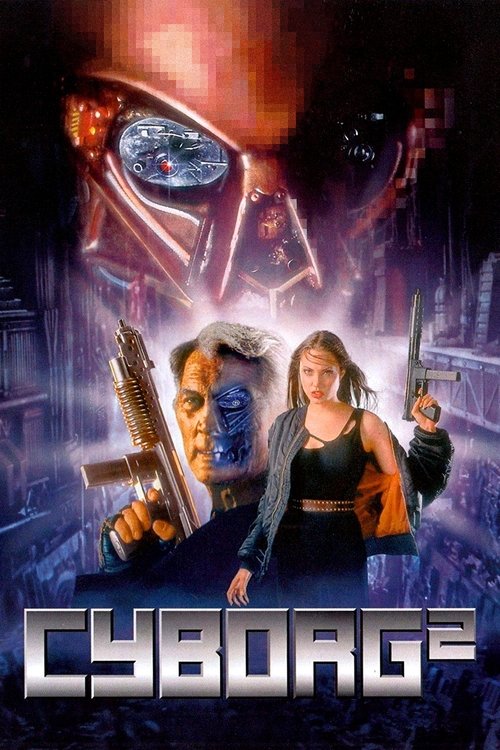
Cyborg 21993
Low-budget sci-fi action where corporate control and identity blur. Scrappy, inventive use of resources; it's doing serious thematic work on a shoestring budget like Paradise Lost does.
But Genuinely feels cheap in ways that don't always work. The plot gets confused and the pacing stalls.
Visitor Q2001
Both are Japanese genre films from the early 2000s that use their stories to explore what happens when the rules break completely. Paradise Lost does it through sci-fi action; Visitor Q does it through transgressive family drama. Both treat their premises with total seriousness.
Takashi Miike's acid-trip provocation about a family under siege. It sounds nothing like Paradise Lost until you notice both are about boundaries dissolving, identity becoming unstable, and systems that consume everyone they touch.
But Deliberately offensive, obscene, and designed to make you uncomfortable. Miike is not interested in your approval. This is art as attack.

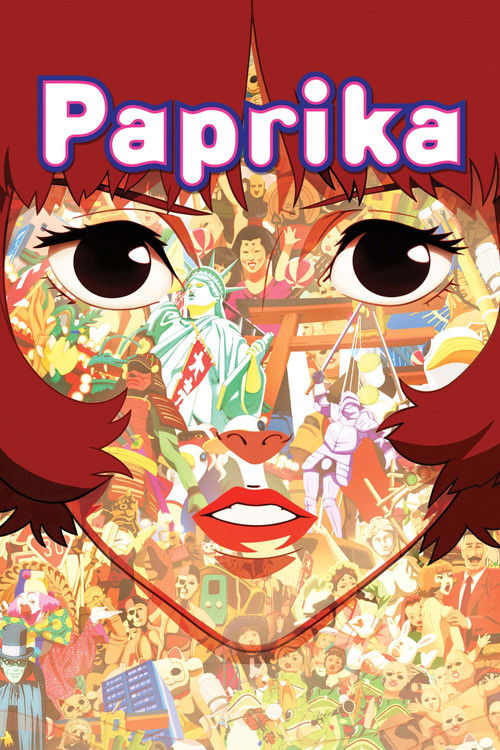
Paprika2006
Both are about the self as a contested space, attacked from outside and within. Paradise Lost uses martial arts and Kamen Rider transformation. Paprika uses animation and a protagonist literally entering other people's minds. Same philosophical problem, solved through completely different visual languages.
Satoshi Kon's dizzying anime about technology invading the mind and reality fragmenting. The action sequences are pure cinema—impossible in live-action—and it shares Paradise Lost's belief that identity is a battleground.
But The plot is deliberately hard to follow and dreamlike. If you need narrative clarity and straightforward resolution, this will frustrate you.
People
Cast
 Kento HandaTakumi Inui / Kamen Rider Faiz
 Yuria HagaMari Sonoda
 Kohei MurakamiMasato Kusaka / Kamen Rider Kaixa
 Ken MizorogiKeitaro Kikuchi
 Masayuki IzumiYuji Kiba / Kamen Rider Orga
 Yoshika GajaYuka Osada
 Mitsuru KarahashiNaoya Kaido
 Katsuyuki MuraiKyoji Murakami
 Hitomi KuriharaSmart Lady
 Mei KurokawaMina
 Mirai ShidaYoung Mina
 Mokomichi HayamiMizuhara
Directing
- Nobuhiro SuzumuraAssistant Director
- Shoji YasuiAssistant Director
- Shunsuke KariyamaAssistant Director
- Sota SakaiAssistant Director
- Yuichi TazawaAssistant Director
- Ryuta TasakiDirector
Writing
- Yoo NakanoStoryboard
- Toshiki InoueWriter
Production
- Chika HamadaProducer
- Hiroshi HayakawaProducer
- Michio FukuyuProducer
- Michio FukuyuProducer
- Naomi TakebeProducer
- Shin-ichiro ShirakuraProducer
- Takaaki UtsunomiyaProducer
- Tsutomu TomariProducer