
Film
The Challenge
Other titles called The Challenge: the 1960 film, the 1998 series (Paramount+).
A down-on-his-luck American boxer stumbles into a centuries-old samurai blood feud when hired to transport a sacred sword to Japan. What starts as a simple job becomes a collision between two worlds—traditional honor and modern ambition—as Rick trains in the way of the samurai and gets pulled into a family war. It's *Rocky* meets *Harakiri*, earnest and occasionally clumsy, for anyone who loves fish-out-of-water stories with real stakes.
If you liked this
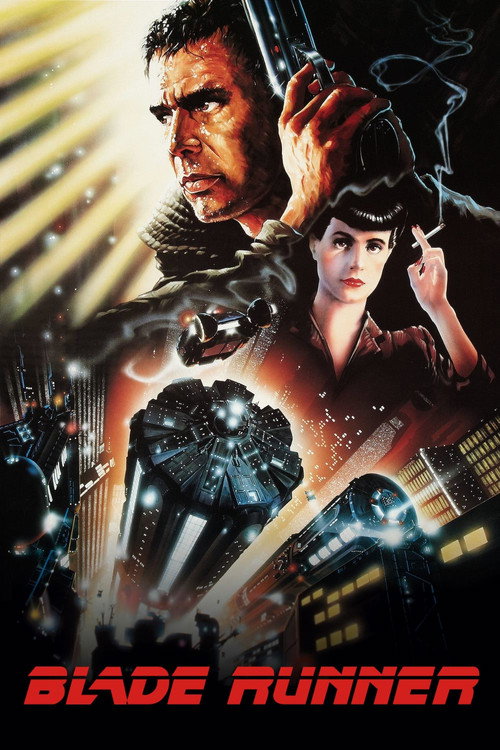
Blade Runner1982
Released the same year, it shares *The Challenge*'s fascination with honor systems clashing against modernity. Scott Glenn plays a man caught between worlds, questioning what loyalty means when everything changes.
But It's a slow, contemplative sci-fi noir that demands patience. If you want action-driven momentum, this will feel deliberate to the point of stalling.
Harakiri1962
The definitive samurai film about honor, duty, and the cost of tradition. Masaki Kobayashi's masterpiece shows why *The Challenge* cares so much about the clash between old codes and new survival.
But It's punishing and bleak, with a climax that strips away any romance from samurai mythology. Not a film that lets you feel good about anything.

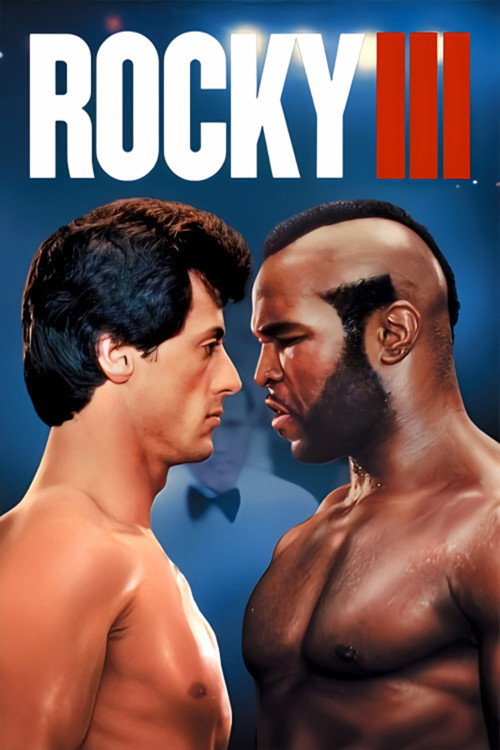
Rocky III1982
Stallone's boxer meets an unpredictable fighter in Apollo Creed; Glenn's boxer meets samurai tradition. Both explore reinvention and finding your way back to yourself through combat training with an unlikely mentor.
But The training montage approach means less character depth than you'd want. It's more about the spectacle of transformation than understanding why it matters.
Not sure tonight? Get a pick in a minute, starting from The Challenge
The wildcard
Something you would not have found on your own.
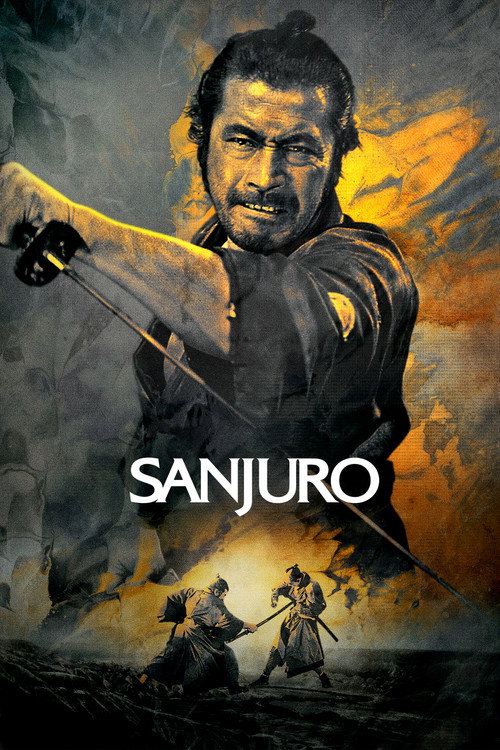
Sanjuro1962
Both films center on an outsider martial artist hired to intervene in a family blood feud, forced to choose loyalty over neutrality. *Sanjuro* is the Japanese template *The Challenge* reimagines with an American protagonist.
Kurosawa's lesser-known samurai film about a ronin caught between warring factions, asked to teach swordsmanship to fighters from opposing sides. It's *The Challenge*'s spiritual ancestor—the same plot of an outsider forced to pick a side in a blood feud.
But It's an earlier, rougher version of what *The Challenge* attempts, and some of Kurosawa's framing choices can feel stilted. Also harder to find than his masterpieces.
More like this (8)
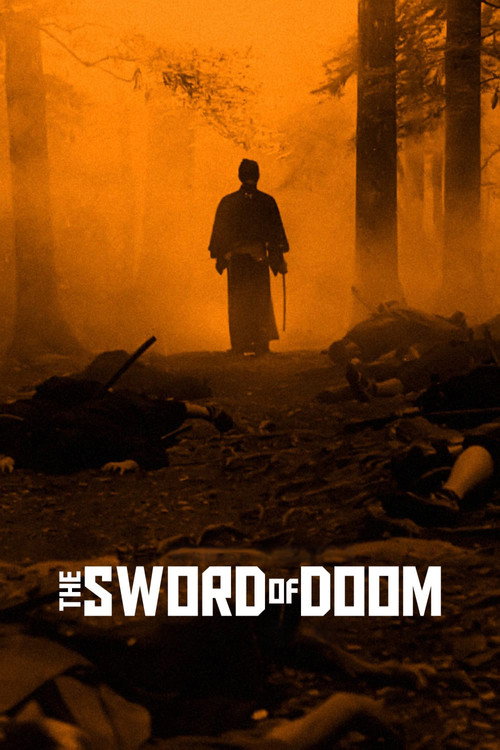
The Sword of Doom1966
Tatsuya Nakadai as a samurai warrior morally adrift in Japan's modernizing society. Like *The Challenge*, it asks what honor means when the world has moved past it, and whether tradition can survive change.
But It's genuinely nihilistic and offers no comfort. The violence is sudden and the worldview is unrelenting.
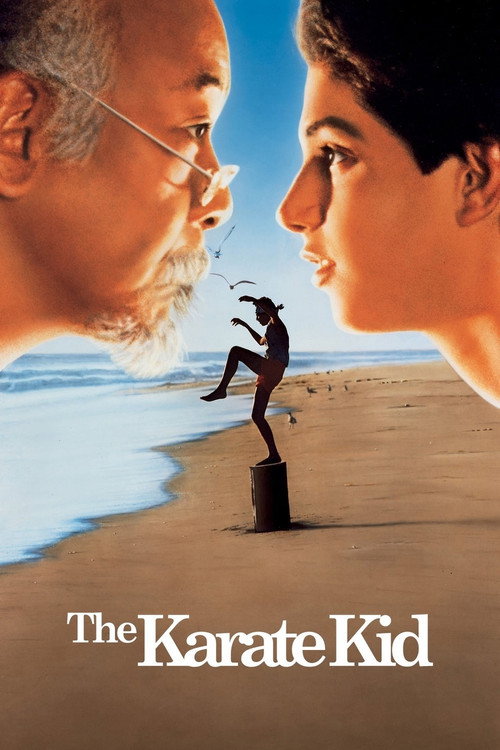
The Karate Kid1984
Another American outsider learning Eastern martial discipline from a mentor with ancient principles. Both films believe in the spiritual value of mastery and the transformation that comes from surrendering your ego to tradition.
But It leans hard into uplift and easy resolution. If you want ambiguity or moral complexity, this is pure wish-fulfillment.
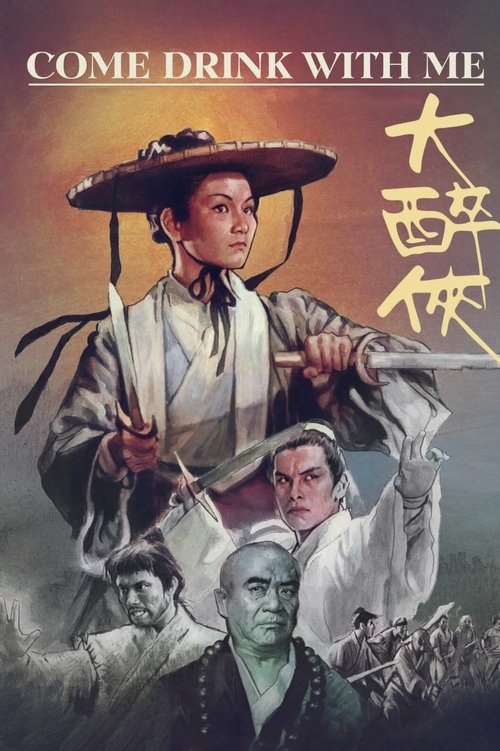
Come Drink with Me1966
King Hu's wuxia masterpiece shows how martial arts cinema can be as much about philosophy and loyalty as action. *The Challenge* owes it a debt in how it treats samurai training as spiritual rather than purely physical.
But It's deliberately paced and stylized in ways that can feel static. Modern audiences sometimes find it slow despite its visual beauty.
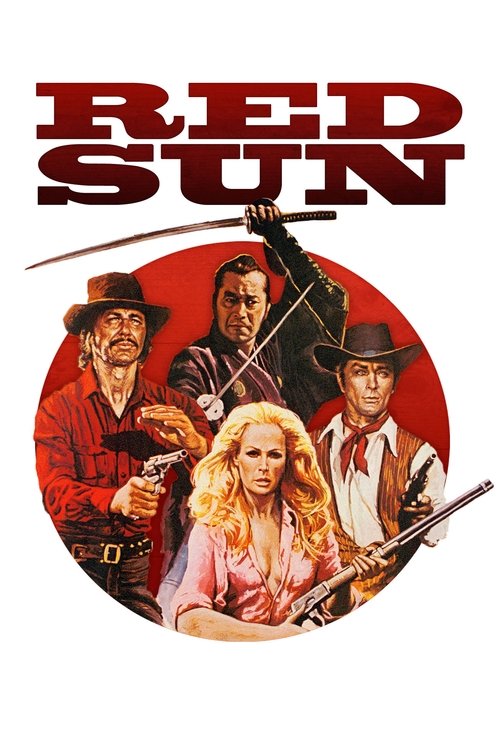
Red Sun1971
Charles Bronson and Toshirō Mifune (who also appears in *The Challenge*) as a cowboy and samurai forced to work together. It's the same collision of cultures and honor codes, proving the idea has real appeal.
But It never quite commits to either Western or samurai idiom, feeling instead like a compromise that satisfies neither tradition fully.
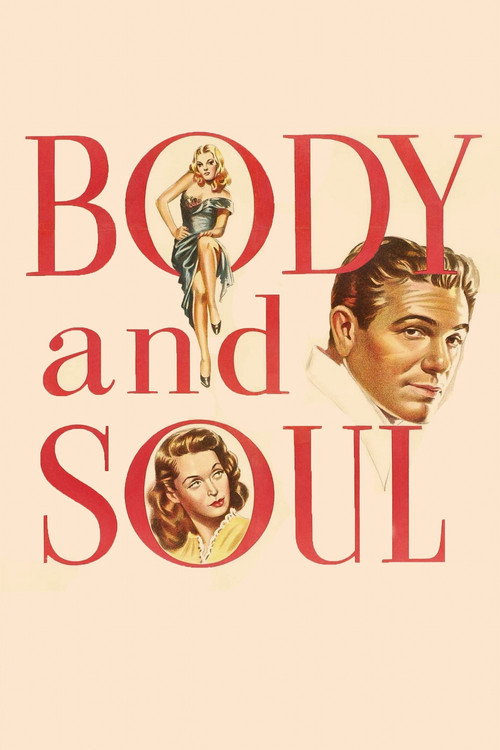
Body and Soul1947
The template for boxer-finds-redemption stories. John Garfield plays a fighter who has to choose between corruption and integrity. *The Challenge* echoes this moral wrestling match, just transplanted to feudal Japan.
But It's a period piece in black-and-white, and the boxing scenes are shot in the style of 1940s newsreels rather than stylized action cinema.
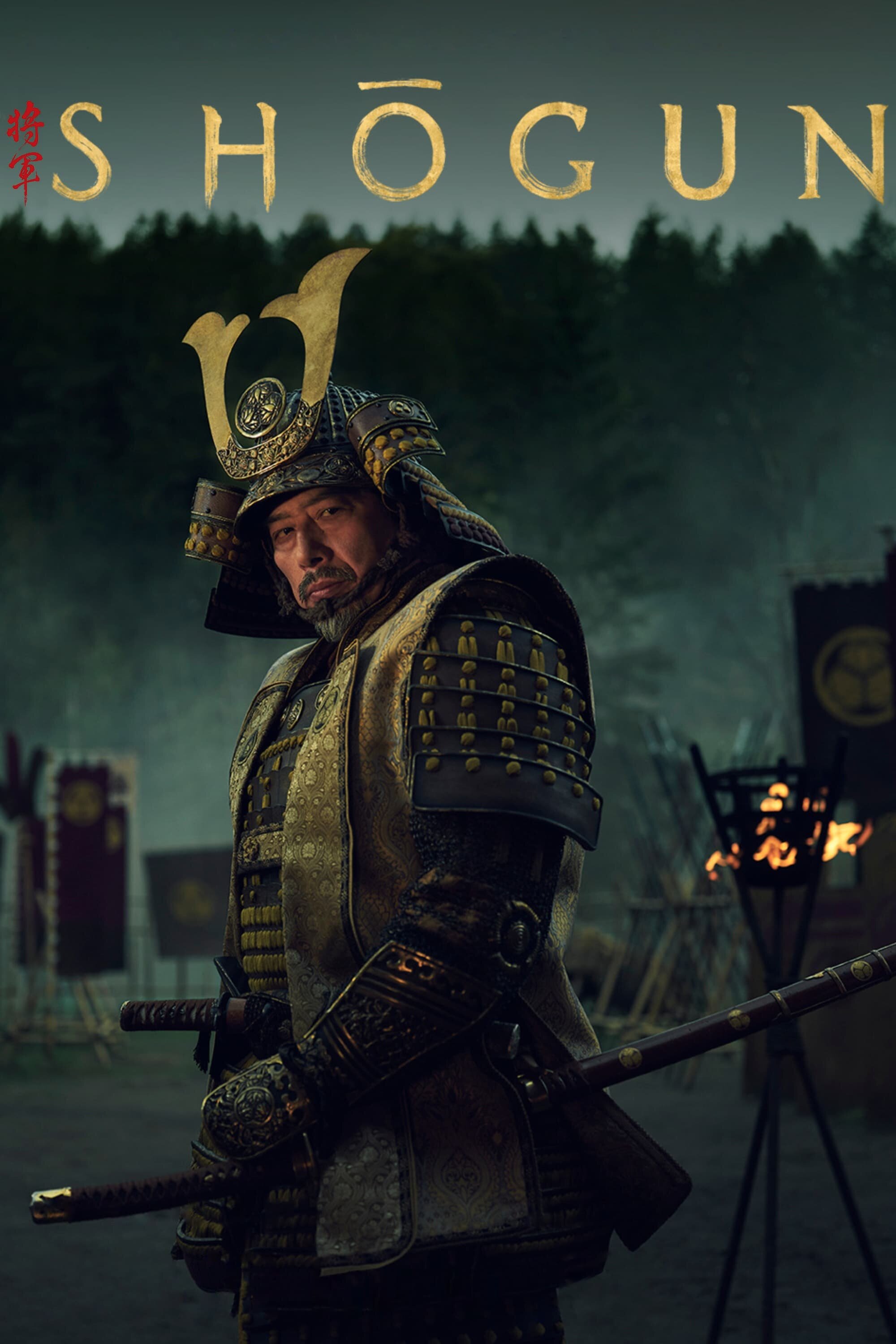
Shōgun2024
A five-hour miniseries about an American sailor learning samurai culture in 17th-century Japan. It's the ur-text for this kind of cross-cultural assimilation story, and *The Challenge* is essentially *Shogun* compressed and dramatized.
But The miniseries format and 1980 TV production values feel dated. Pacing that works across five episodes can feel slack in a two-hour film.
A Prophet2009
Both are structured as initiation narratives where an outsider learns an old code—samurai tradition or prison hierarchy—and rises to become a player in that world. Both ask what it costs to stop being the stranger.
A French prison drama where a young man learns the codes and traditions of an enclosed world, rising through hierarchy and mentorship until he's no longer the outsider. Like *The Challenge*, it's about initiation into an honor system older than the protagonist.
But It's gritty, violent, and bleak—no moment of transcendence or redemption. If you want your outsider to feel spiritually elevated by their training, this will disappoint you.

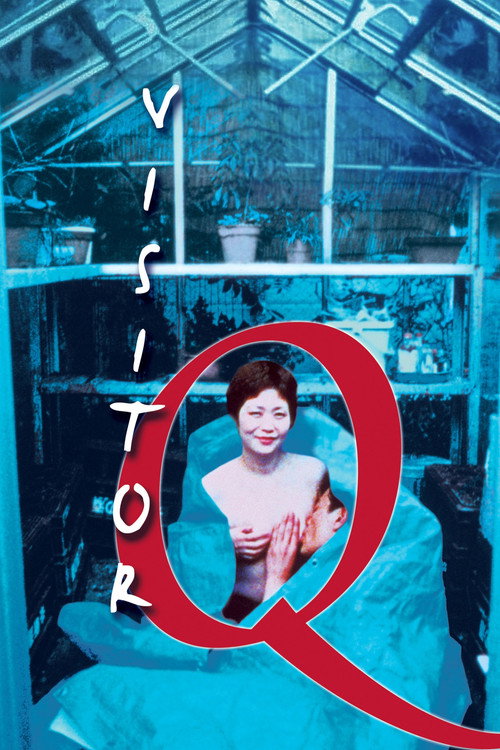
Visitor Q2001
Both films use an outsider—Rick in *The Challenge*, the mysterious Visitor in Miike—as a catalyst that exposes hidden fractures in a family system. But where *The Challenge* offers training and growth, *Visitor Q* offers only contamination.
Takashi Miike's confrontational film about a stranger who disrupts a family and forces them to confront what they've become. Like *The Challenge*, it's about an outsider whose presence in a family system reveals the rot beneath the surface.
But It's deliberately transgressive, obscene, and shocking in ways that feel gratuitous. Miike is testing your patience and decency, not inviting you to enjoy a story cleanly.
People
Cast
 Scott GlennRick
 Toshirō MifuneToru Yoshida
 Donna Kei BenzAkiko Yoshida
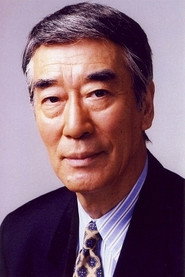 Atsuo NakamuraHideo Yoshida
 Calvin JungAndo
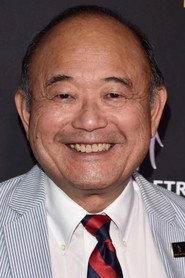
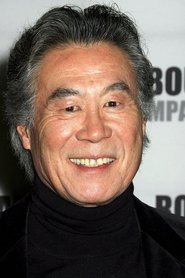 Sab ShimonoToshio Yoshida
- Kiyoaki NagaiKubo
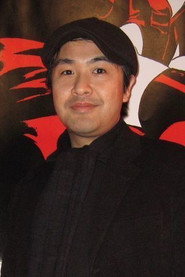 Kenta FukasakuJiro
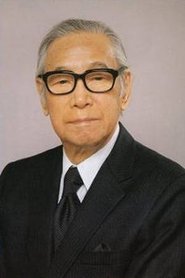 Shōgo ShimadaToru Yoshida's Father
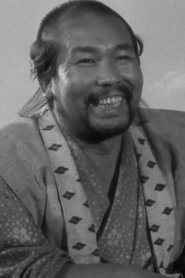 Yoshio InabaInstructor
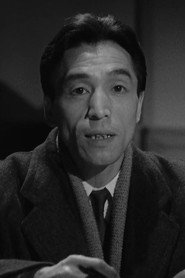 Seiji MiyaguchiOld Man
Directing
- John FrankenheimerDirector
Writing
- Ivan MoffatWriter
- John SaylesWriter
- Richard MaxwellWriter
Production
- Robert L. RosenProducer
- Ron BeckmanProducer