
Film
Rocky III
Rocky III transforms the franchise into pure mythmaking. Stallone directs himself with surprising visual flair, building a film about ego, humiliation, and redemption through montage and sheer will. It's operatic rather than gritty—less interested in boxing realism than in the spiritual dimensions of a comeback. Thrilling for anyone who believes in the power of getting back up.
Should you watch it?
Watch it if you enjoy sports underdog stories that lean into swagger, friendship and crowd-pleasing showmanship, and you don't mind a franchise sequel that trades grit for glossy 1980s bombast.
Skip it if you want the gritty, slow-burn realism of the original, since this entry is brighter, louder and more eager to entertain than to linger on anything painful.
What it asks of you: About a hundred minutes of steady momentum, with training montages, rousing music and open-hearted sincerity; it moves briskly and asks for little patience beyond enjoying the spectacle.
Not sure? Find tonight's pick in a minute.
If you liked this
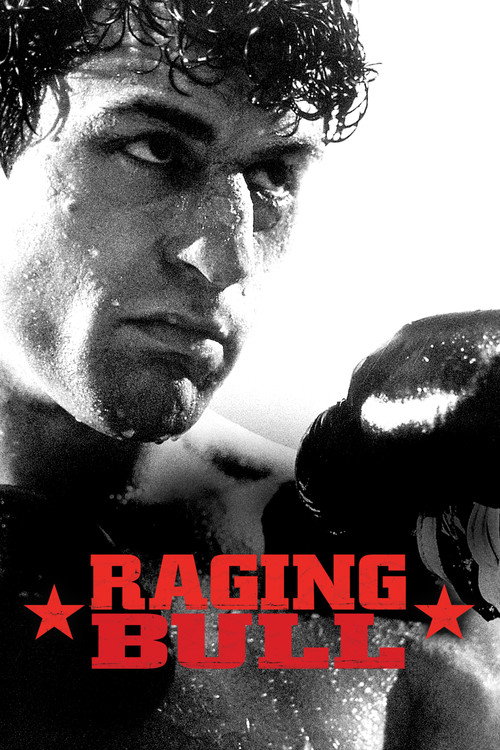
Raging Bull1980
Scorsese's portrait of boxer Jake LaMotta is raw, brutal, and formally daring—a film that uses the ring as a stage for self-destruction and the possibility of grace. It's the anti-Rocky: boxing as psychological horror.
But Black and white, deliberately unglamorous, and relentlessly punishing. The protagonist is almost irredeemable, and the film doesn't flinch from showing us his ugliness.
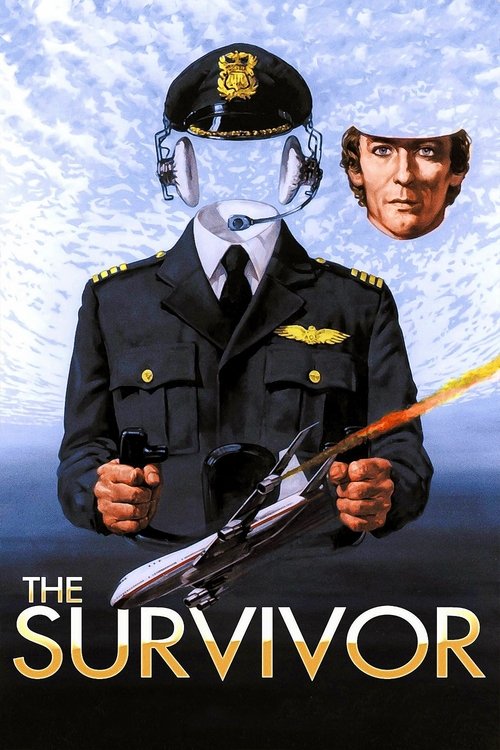
The Survivor1981
An Australian film about a plane crash survivor plagued by inexplicable guilt. Like Rocky III, it's about trauma, haunting, and the body's memory of failure. Quietly devastating and strange.
But Slow-burn psychological unease rather than uplift. The film refuses easy answers and can feel oblique, even now.
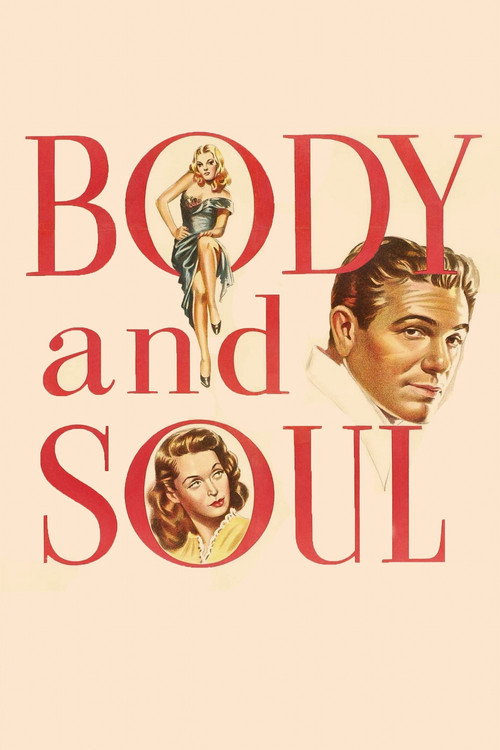
Body and Soul1947
The spiritual ancestor of every boxing-as-redemption film. A young boxer sells his soul for success, then must decide what matters. It's the moral blueprint Rocky III echoes, filmed with genuine noirish atmosphere.
But The pacing is deliberate and the dialogue can feel theatrical. It's a product of its era—some viewers find that dated rather than timeless.
Not sure tonight? Get a pick in a minute, starting from Rocky III
The wildcard
Something you would not have found on your own.
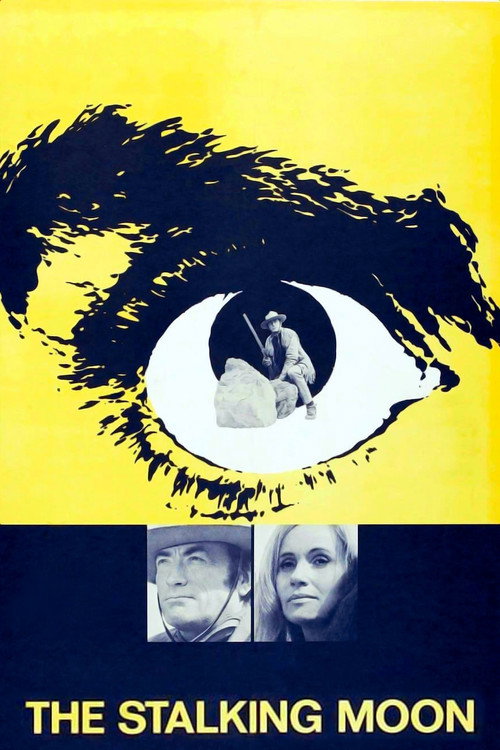
The Stalking Moon1968
Both films are about a man stripped of his dignity by a superior force, forced to align with someone from his past, and learning to fight from a place of spirit rather than ego. The journey matters more than the destination.
Gregory Peck hunted across hostile territory by a Comanche warrior he once defeated. It's a Western where the hero must reclaim something of himself through confrontation with a worthy enemy. That same mythic structure, different saddle.
But A meditative film that spends long stretches on landscape and silence. The action sequences are sparse, and the ending refuses catharsis in a way modern audiences may find unsatisfying.
More like this (7)
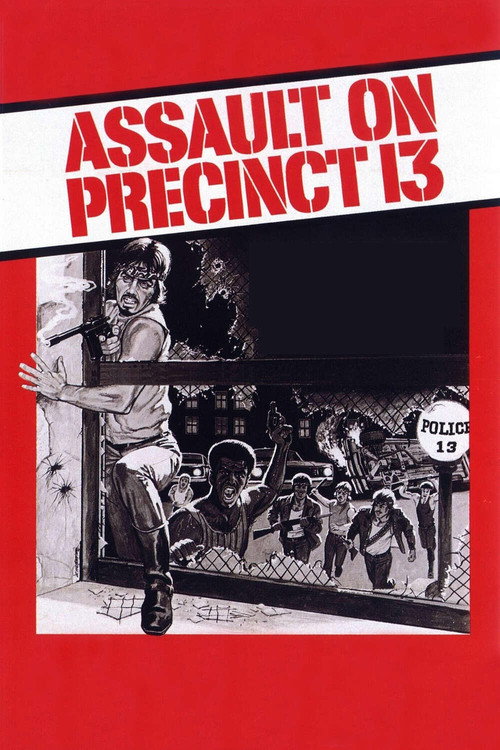
Assault on Precinct 131976
Carpenter's siege thriller has the same DNA as Rocky III: lean, propulsive, visually assured, and driven by a hero who has to find reserves of will he didn't know he had. The execution is flawless.
But A brutal film—casual violence and no sentimentality. The women in it are largely decorative, a limitation of its era that hasn't aged well.
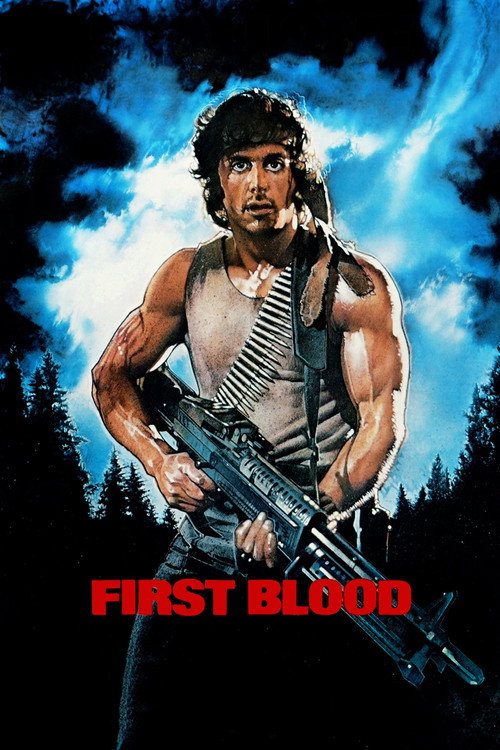
First Blood1982
Released the same year, this is a surprisingly thoughtful action film about a Vietnam vet broken by his own strength and the world's refusal to let him rest. Stallone's rival Schwarzenegger-era action was louder; this whispers and then roars.
But The politics are blunt and the second half leans harder into action than the first. If you're watching for subtlety rather than catharsis, it may feel heavy-handed.
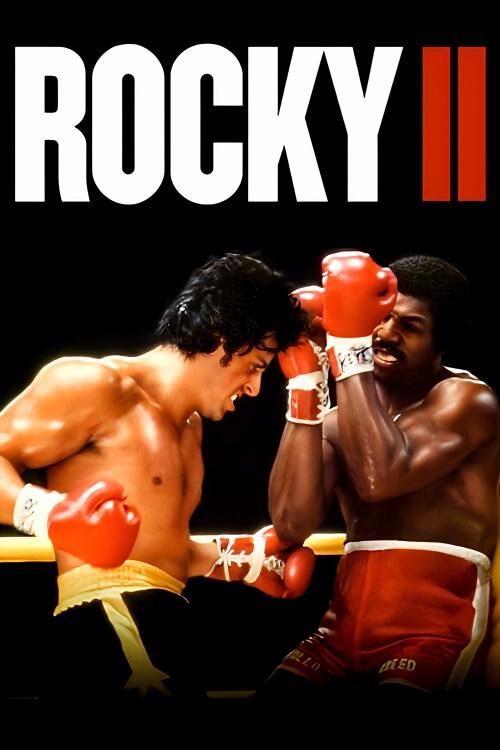
Rocky II1979
Before Rocky III's mythmaking, the first sequel is scrappier and more human—Rocky doubting himself, Adrian's near-fatal pregnancy, a rematch that matters because money matters. It deepens the original rather than just repeating it.
But Slower than the original and thinner on dramatic stakes. Some sequences feel padded, and the happy ending is fairly predictable.
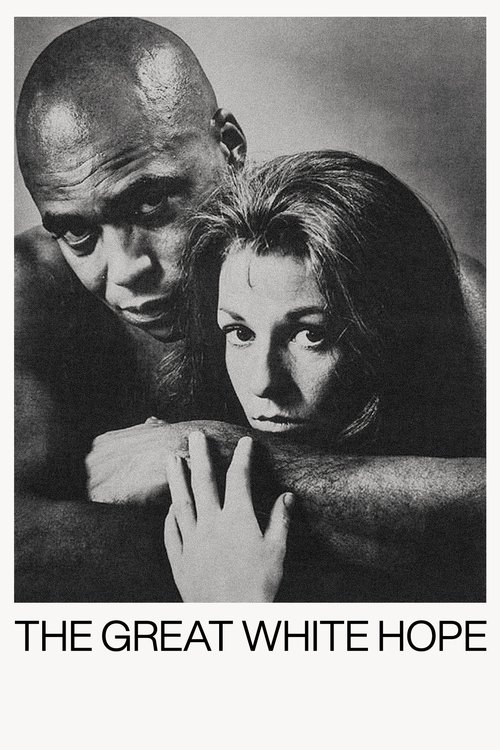
The Great White Hope1970
James Earl Jones as a Black heavyweight champion in Jim Crow America—a film about talent, dignity, and systemic oppression disguised as a sports movie. It has real weight and real anger.
But It's didactic about racism in a way that can feel like a sermon. The film is interested in issues more than character, which some find distancing.
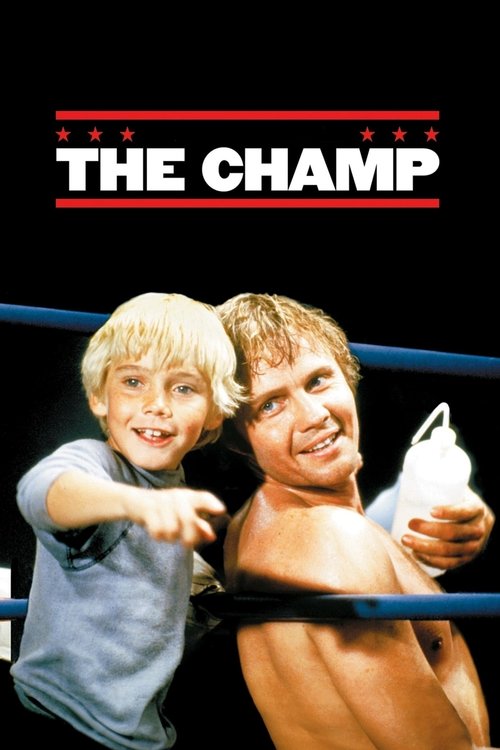
The Champ1979
Jon Voight as a washed-up boxer fighting his way back through love of his son. It's pure emotional machinery—designed to wreck you—and it works. A film that doesn't apologize for its sentiment.
But Manipulative in the best and worst senses. If you're resistant to calculated emotional beats, this will feel heavy-handed rather than moving.
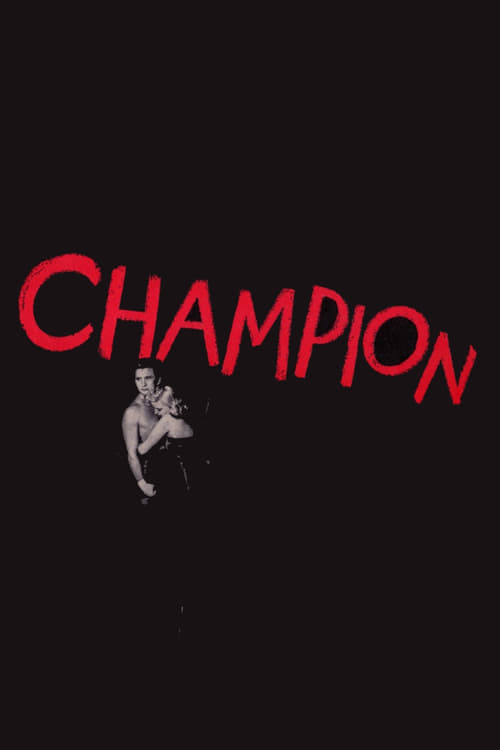
Champion1949
Kirk Douglas as a boxer willing to betray anyone to stay on top—the dark side of the boxing dream. Noir-lit and cynical about ambition in ways Rocky refuses to be.
But The pacing is measured by 1949 standards, which means slow by modern ones. The film is interested in psychology more than action, which some find tedious.
Ikiru1952
Both films ask what it means to reclaim your life after you've lost it, but Kurosawa answers the question with mortality and grace while Rocky answers with fire and will. One is about becoming worthy; one is about deciding you already are.
A Japanese bureaucrat discovers he's dying and spends his last months finding meaning in having built a children's playground. It's about choosing significance over ego, and the peace that comes from it. A film about getting back up when you've already fallen.
But Japanese cinema from 1952, in black and white, with a pace that requires patience. The emotional devastation is existential rather than triumphant—there's no stadium, no crowd, no redemption arc. It ends in acceptance, not victory.

People
Cast
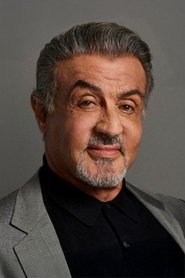 Sylvester StalloneRobert 'Rocky' Balboa
 Talia ShireAdrianna 'Adrian' Balboa
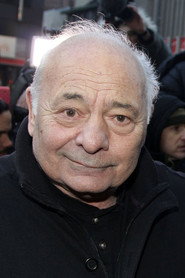 Burt YoungPaulie Pennino
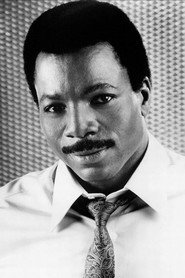 Carl WeathersApollo Creed
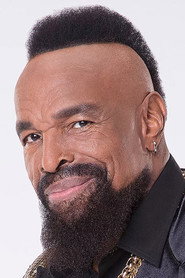 Mr. TClubber Lang
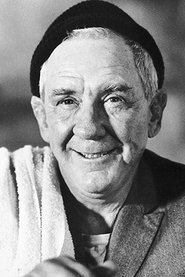 Burgess MeredithMickey Goldmill
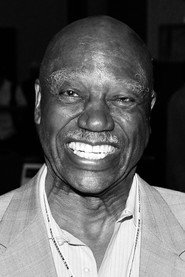 Tony BurtonTony 'Duke' Evers
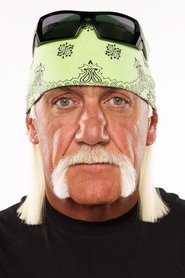 Hulk HoganThunderlips
- Ina FriedRobert 'Rocky' Balboa Jr.
 Wally TaylorClubber Lang's Manager
- Jim HillSportscaster
Directing
- Sylvester StalloneDirector
- Clifford C. ColemanFirst Assistant Director
- Julie PitkanenScript Supervisor
- Hope R. GoodwinSecond Assistant Director
- Jack R. ClintonSecond Assistant Director
Writing
- Frankie SullivanLyricist
- Jim PeterikLyricist
- Sylvester StalloneWriter
Production
- Rhonda YoungCasting
- Herb NanasExecutive Producer
- Dale BensonLocation Manager
- Irwin WinklerProducer
- Robert ChartoffProducer
- Linda HornerProduction Executive
- James D. BrubakerProduction Manager
- JoAnn May-PaveyProduction Office Coordinator
Recommended by
Rocky IV, Youngblood, Lucha Underground, No Retreat, No Surrender, The Fish That Saved Pittsburgh, American Flyers, The Challenge