
Film
The Great White Hope
James Earl Jones gives a towering performance as Jack Jefferson, a Black heavyweight champion in early 1900s America, navigating racism, love, and the brutal machinery of boxing and politics determined to destroy him. It's a historical drama with real stakes, adapting a Broadway play with theatrical intensity. For anyone interested in American racial history, boxing, or powerhouse acting.
Should you watch it?
Watch it if you want a stage-born drama with big, declamatory performances and a hard look at how a sporting myth gets built and then turned against the man it was built on.
Skip it if you come for the boxing itself, since the fights are brief and the film cares far more about speeches, pressure and the people around the ring than about the sport.
What it asks of you: It runs about 103 minutes, with a theatrical pace, long talky scenes and a heavy, unbroken seriousness that keeps you leaning in rather than letting you relax.
Not sure? Find tonight's pick in a minute.
If you liked this
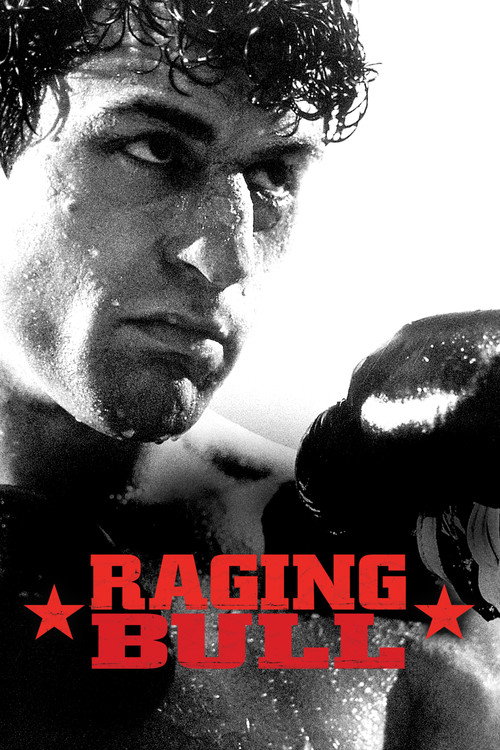
Raging Bull1980
Scorsese's magnum opus: a boxer's internal destruction told through violent, poetic cinema. Robert De Niro's transformation and the black-and-white cinematography create something unforgettable about ambition and self-sabotage.
But It's punishing to watch—bleak, repetitive at times, and the protagonist is detestable. Nearly three hours of a man destroying himself and everyone around him.
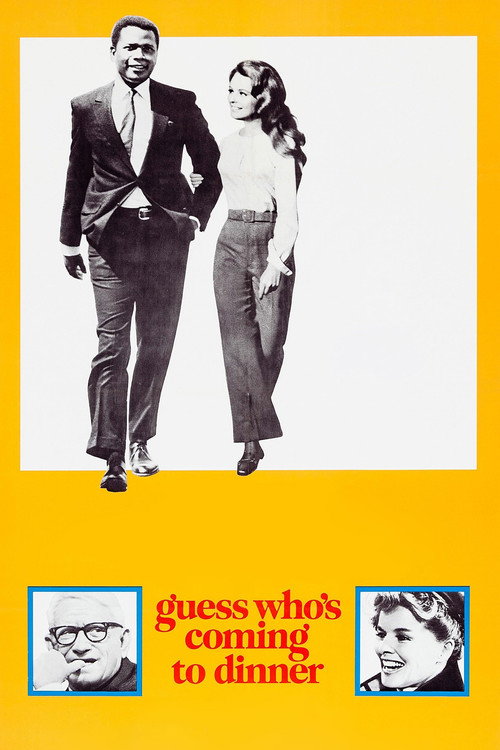
Guess Who's Coming to Dinner1967
Sidney Poitier and Spencer Tracy in a film that directly confronts American racism through the lens of an interracial relationship. Intelligent dialogue, tremendous performances, and it matters historically and emotionally.
But The theatrical setup can feel a bit neat for something addressing such urgent issues. The resolution is more about appeasing white anxiety than radical change.
The Godfather Part II1974
Parallel narratives of power, corruption, and legacy across generations. Coppola's direction is flawless, and it captures how institutions grind down individuals while elevating ruthless men—thematically kindred to Jefferson's struggle.
But It's long, dense, and requires attention. If you haven't seen the first one, start there. The pacing is deliberate to the point of testing patience.

Not sure tonight? Get a pick in a minute, starting from The Great White Hope
The wildcard
Something you would not have found on your own.
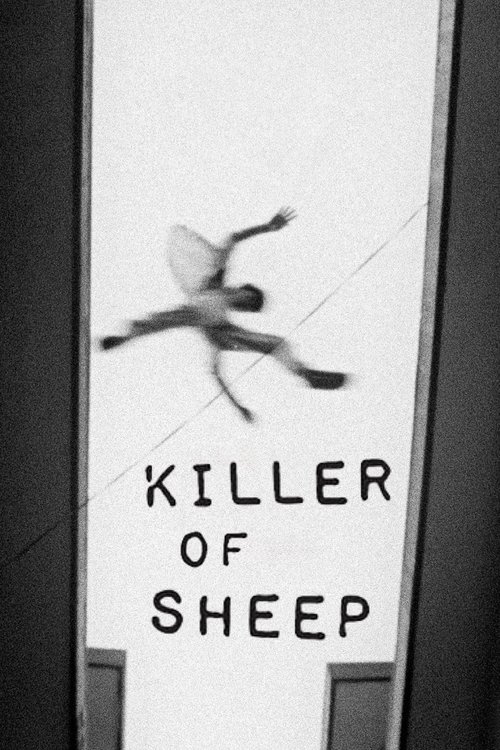
Killer of Sheep1978
Where The Great White Hope is a man fighting back against the system, Killer of Sheep is about a man simply surviving within it with grace. Both are about Black resilience, but Burnett's vision is quieter and more radical—less about triumph than endurance.
Charles Burnett's experimental, poetic portrait of a Black slaughterhouse worker in Los Angeles living a life of quiet dignity amid economic oppression. Shot in crisp black-and-white with jazz and blues, it's meditative and mournful without self-pity.
But There's no conventional plot. It moves like a visual essay, requiring patience and attentiveness. The experimental approach will frustrate anyone wanting narrative momentum.
More like this (6)
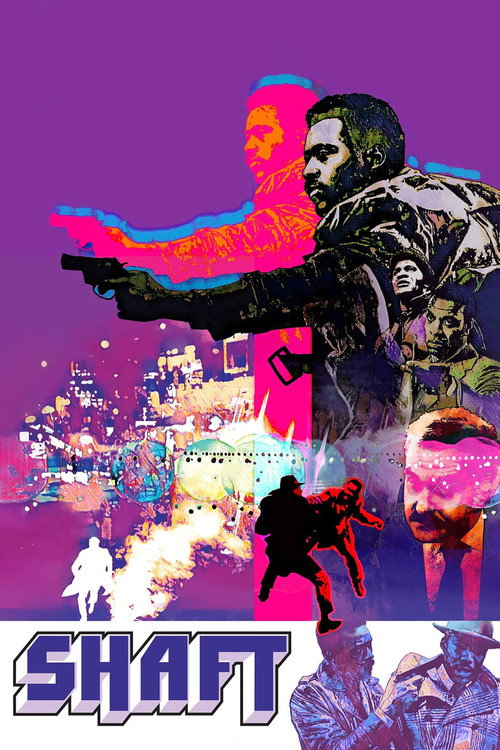
Shaft1971
A Black private detective navigates New York with style and fury, taking on corrupt cops and criminals. It's politically charged blaxploitation with real anger at systemic racism, and Isaac Hayes' score is iconic.
But The plot is serviceable at best; you're here for the attitude and the era. Some of it has aged into camp, which is entertaining but not always intentional.
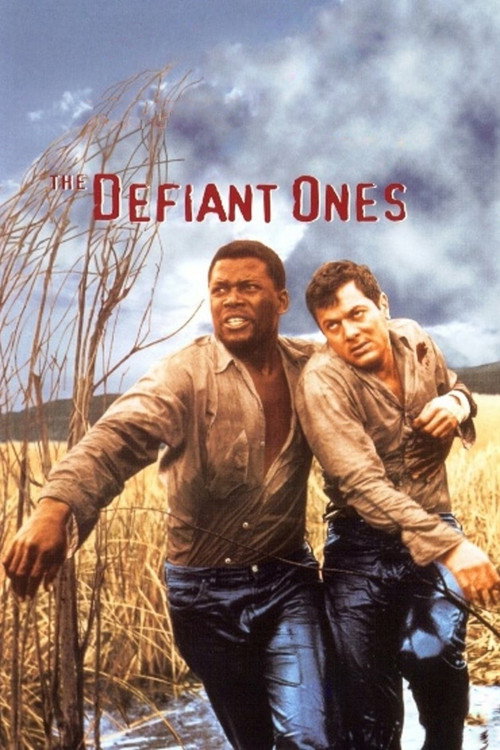
The Defiant Ones1958
Sidney Poitier and Tony Curtis as escaped convicts chained together, forced into an uneasy alliance. Sharp social commentary wrapped in a tense thriller, with genuine chemistry and wit between the leads.
But It's a message picture first and an entertainment second, which sometimes shows. The optimism about race relations feels period-bound in ways that sting now.
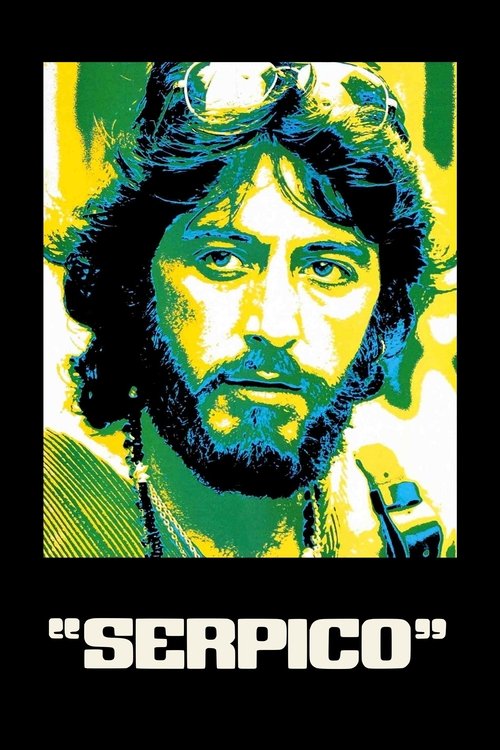
Serpico1973
Al Pacino as a cop trying to expose corruption within the NYPD. Gritty, morally complex, and genuinely tense. It captures institutional corruption and the cost of integrity with unflinching clarity.
But It's procedural and unglamorous, which is the point but can feel slow. The ending offers no catharsis, just exhaustion.
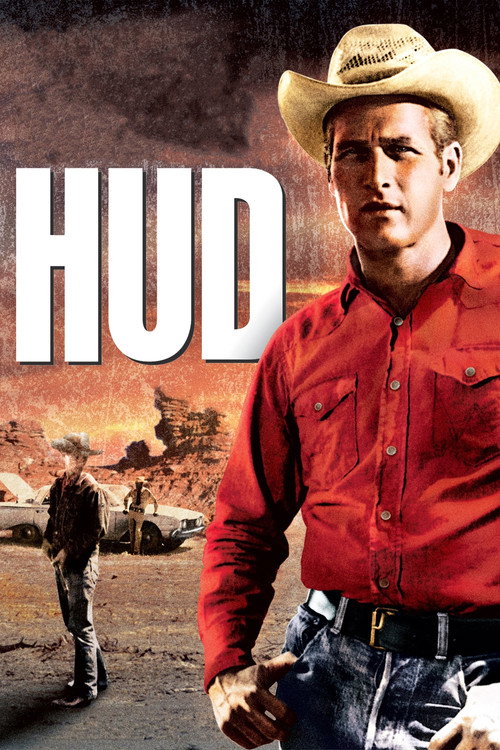
Hud1963
Paul Newman as a charming, amoral cattle rancher destroying everyone close to him. Black-and-white cinematography that's gorgeous and cold, and a portrait of American corruption disguised as ambition.
But Newman's character is repellent and unredeemed. If you need to like your protagonist, this will frustrate you. It's also quite slow-burn.
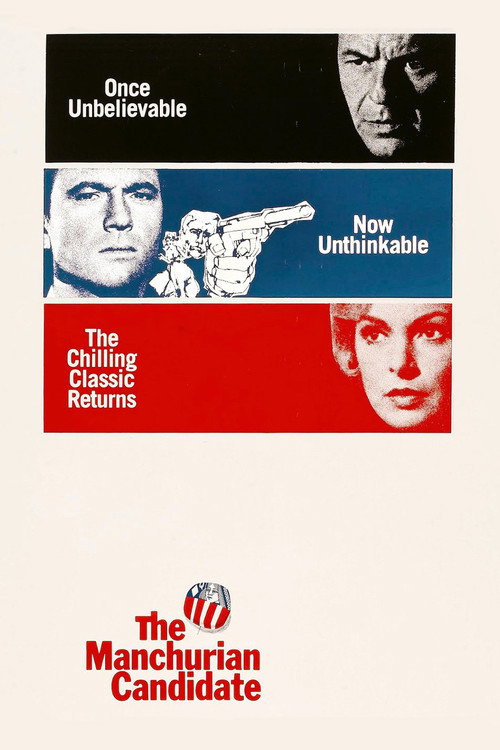
The Manchurian Candidate1962
Political paranoia, mind control, and assassination conspiracies wrapped in a brilliantly constructed thriller. Frank Sinatra and Angela Lansbury are electrifying, and it's genuinely unsettling about power and manipulation.
But The plot is intricate to the point of confusion on first viewing. And it's deeply pessimistic about democracy in ways that can feel nihilistic.
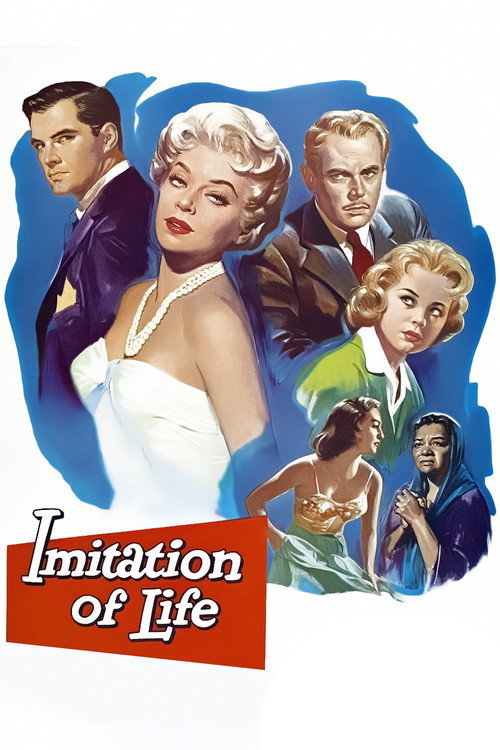
Imitation of Life1959
A melodrama about race, identity, and maternal love centered on a light-skinned Black woman passing for white. Douglas Sirk directs with lush intensity, and it's genuinely moving beneath the Hollywood sheen.
But It's a '50s melodrama—emotional manipulation is the form itself. The ending is devastating in ways that feel almost cheap. And the ending funeral sequence, while powerful, can read as exploitative.
People
Cast
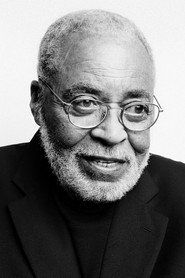 James Earl JonesJack Jefferson
 Jane AlexanderEleanor
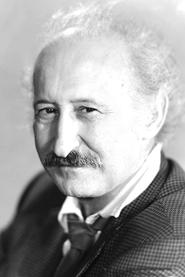 Lou GilbertGoldie
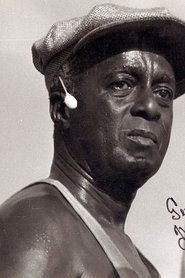 Joel FluellenTick
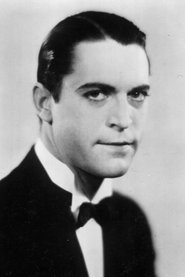 Chester MorrisPop Weaver
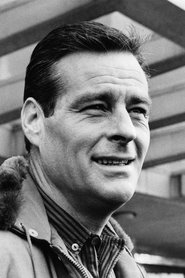 Robert WebberDixon
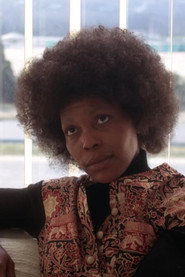 Marlene WarfieldClara
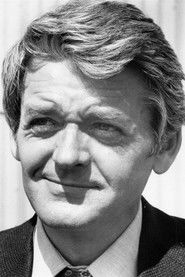 Hal HolbrookCameron
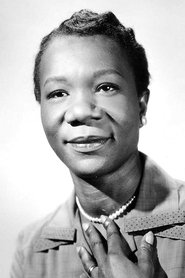 Beah RichardsMama Tiny
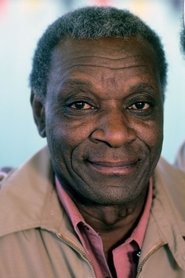 Moses GunnScipio
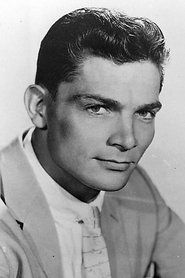 Larry PennellBrady
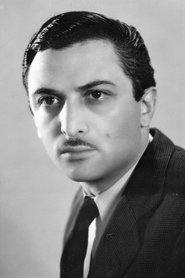 Marcel DalioFrench Promoter
Directing
- Jerry ZiesmerAssistant Director
- Tim ZinnemannAssistant Director
- Martin RittDirector
- Marvin WeldonScript Supervisor
Writing
- Howard SacklerScreenplay
- Howard SacklerTheatre Play
Production
- Lawrence TurmanProducer