
Television series
Muhammad Ali
Ken Burns' four-part portrait leans on Ali's own voice, mountains of archival footage, and patient PBS pacing to trace the full arc: mouthy Louisville upstart, exiled conscientious objector, embattled elder statesman silenced by Parkinson's. No reenactments, no tidy hagiography — just decades of contradiction laid out in order, at a stately gait, for anyone who wants the entire complicated man rather than the highlight reel.
If you liked this
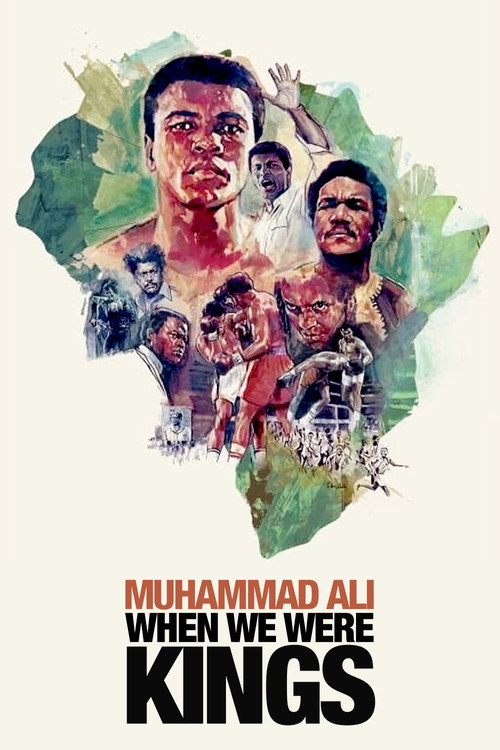
When We Were Kings1996
The Rumble in the Jungle captured live, with Ali at his most electric and self-mythologizing, years before this documentary was even assembled — pure charisma on camera.
But Covers only one fight and one trip to Zaire, not the sweep of his whole life.
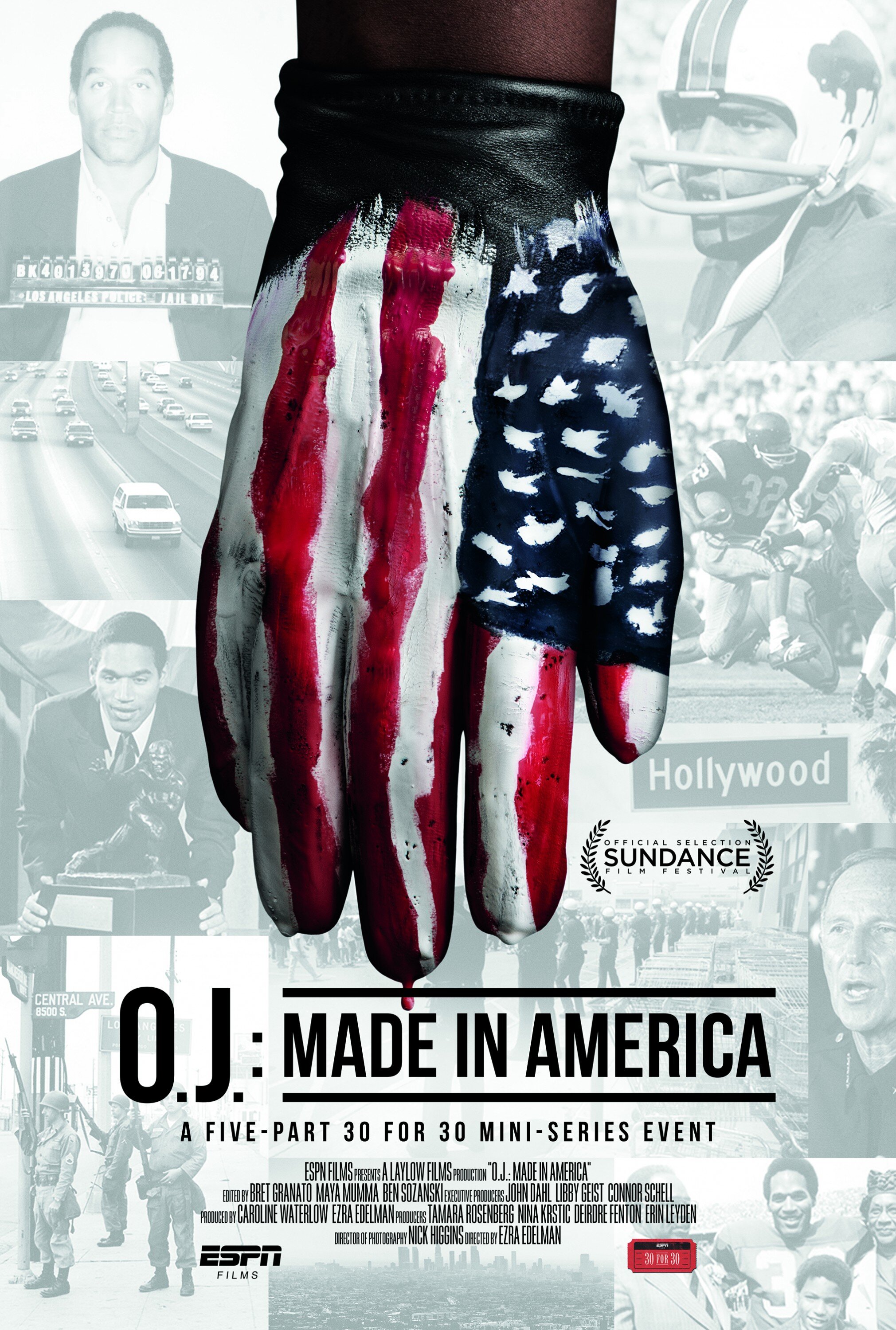
O.J.: Made in America2016
Same ambition — race, celebrity, and sport braided into one American story about a Black icon who refused to be simple, told with the same forensic patience.
But Nearly eight hours, and it ends somewhere much darker than triumph.
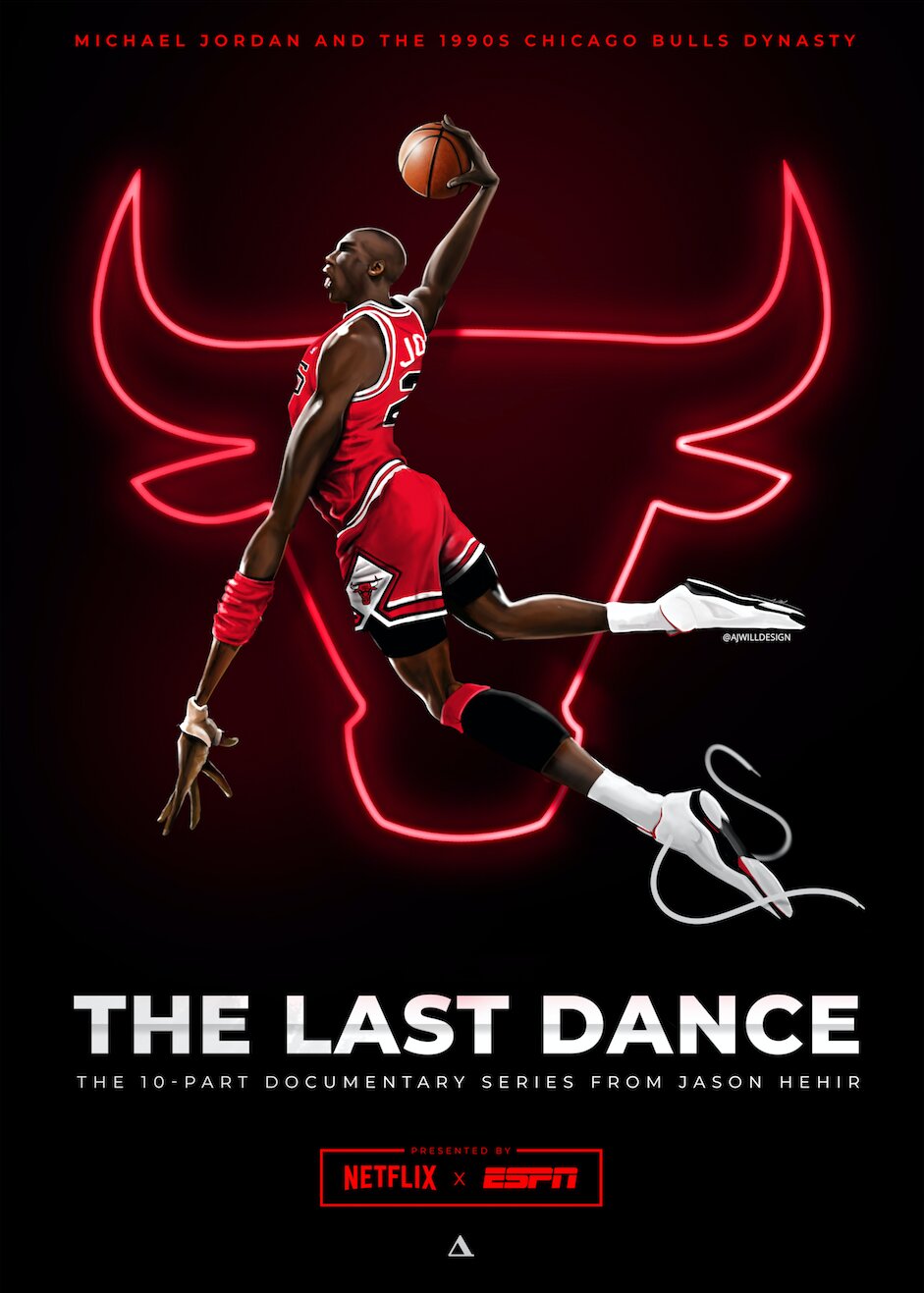
The Last Dance2020
The same trick of making a beloved, complicated icon fresh again through unprecedented access and a willingness to let the ego show alongside the greatness.
But Basketball, not boxing, and far less politically weighted.
The wildcard
Something you would not have found on your own.
The Great White Hope1970no page yet
Ali openly modeled his persona on Johnson; this is the myth machine already running decades before Ali stepped into it, so watching it recontextualizes his whole act as a repeat, not an invention.
A 1970 drama about Jack Johnson, the first Black heavyweight champion, hounded and jailed for the sin of refusing to be humble about beating white men.
But Stagey, dated production, and it's fiction dramatizing history, not documentary.
More like this (7)
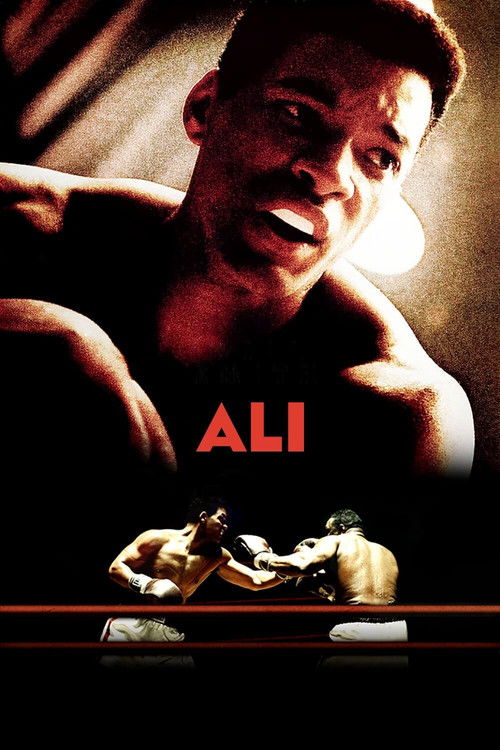
Ali2001
Will Smith physically transforms into the man; you get the swagger and the punches dramatized rather than just narrated, with Michael Mann's muscular direction.
But Compresses decades into two hours and smooths over the messier contradictions for myth.
The Trials of Muhammad Ali2013no page yet
Zooms all the way into the Vietnam refusal and the Supreme Court case that nearly ended him — the single bravest chapter, given room to breathe.
But Narrower focus, more legal procedure than boxing spectacle.
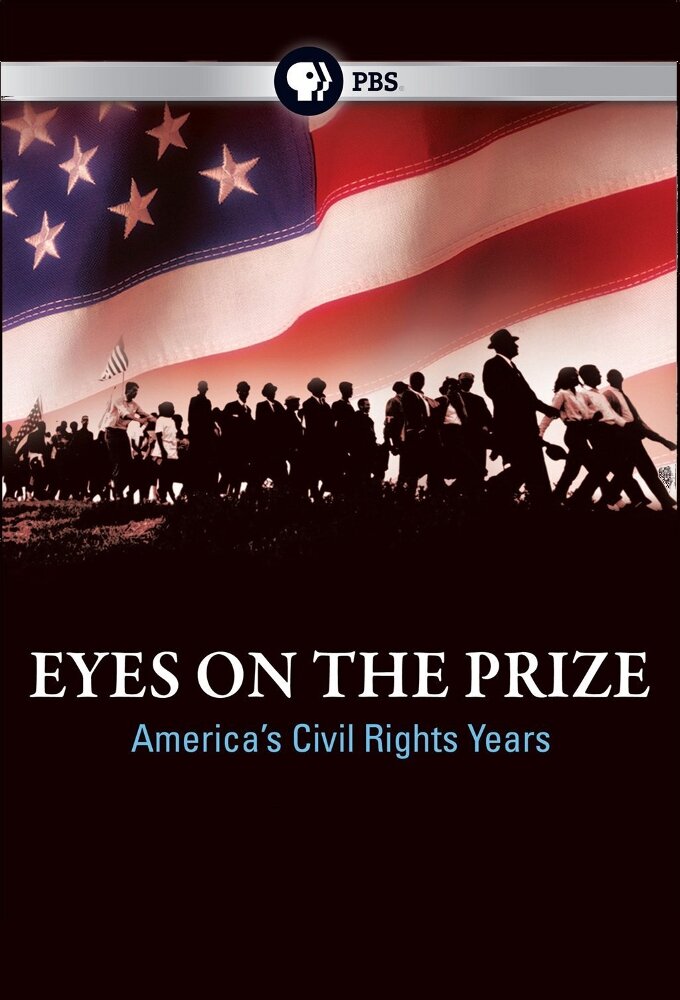
Eyes on the Prize1987
The essential civil rights documentary series that supplies everything happening around Ali while he was busy becoming a symbol of it.
But Ali barely appears; this is about the movement, not the man.
Jazz2001no page yet
Same director, same appetite for tracing a Black American genius across a century of American contradiction — just with a horn instead of a fist.
But Nothing to do with boxing, and it's a ten-part commitment.
Facing Ali2009no page yet
Hear it from the other side — the men he actually fought, decades later, still sorting out what happened to them in the ring with him.
But Repetitive interview structure and modest production values.
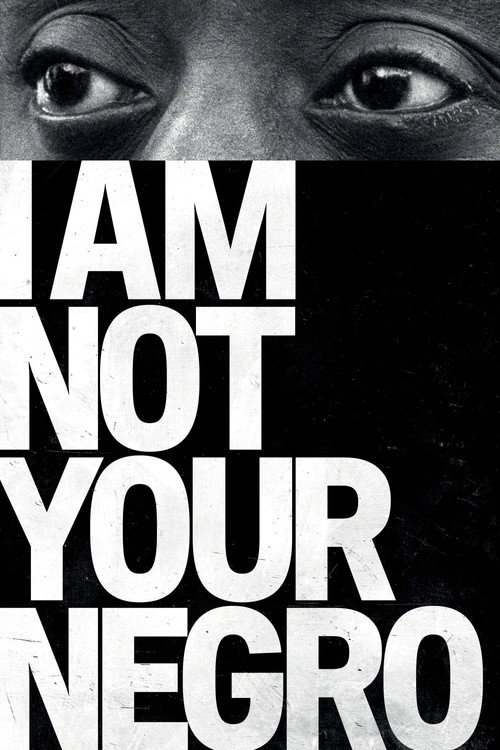
I Am Not Your Negro2017
Baldwin and Ali were contemporaries who wrote about and admired each other; this shows the literary conscience of the exact era Burns covers, the same fire in a completely different register.
James Baldwin's unfinished book brought to the screen as furious essay-film, capturing the same moment and the same stakes from the writer's side of the rope line.
But No boxing, no narrative arc — it's ideas and archival collage, demanding patience rather than action.
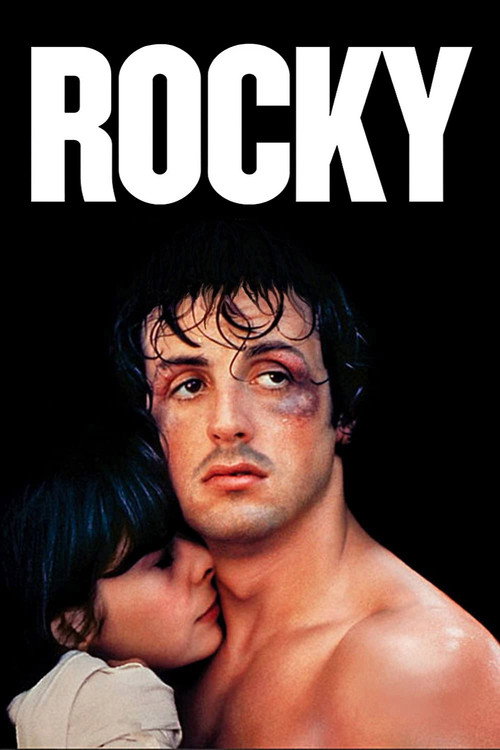
Rocky1976
Stallone built the story from Ali's 1975 bout against journeyman Chuck Wepner; seeing it after the documentary reveals how thoroughly America preferred the comfortable fiction to the actual, thornier man.
Pure Hollywood myth-making about the same sport — an underdog fable so uplifting it won Best Picture, and openly inspired by a real Ali fight against a nobody.
But Entirely fictional, scrubs out race and politics completely, purely feel-good triumph.
People
Cast
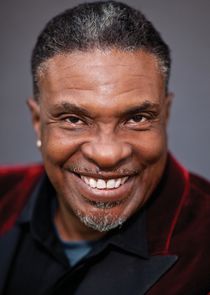 Keith DavidNarrator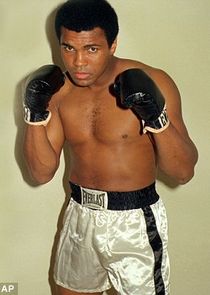
Recommended by
Requiem for a Heavyweight, The Last Dance, Ashita no Joe, When We Were Kings, Ali