
Film
Requiem for a Heavyweight
Adapted from Rod Serling's Emmy-winning teleplay, this is a quiet gut-punch about what happens after the final bell rings for good. Anthony Quinn's punch-drunk fighter, cut loose by his exploitative manager, scrambles for some kind of dignity and direction outside the ring. Slow, aching, theatrical in the best sense — for anyone who wants character over spectacle and doesn't mind sitting with sadness.
If you liked this
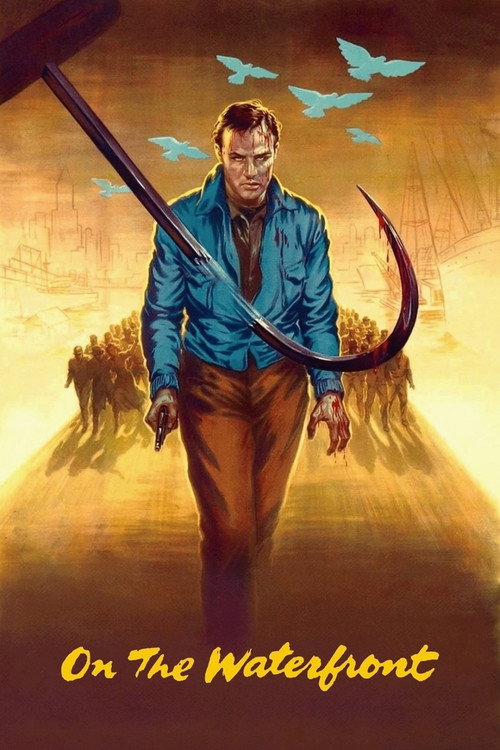
On the Waterfront1954
Brando's washed-up boxer turned dockworker delivers the 'I coulda been a contender' speech for a reason — it's the same story of a man discarded by the sport and the men who profited from him, told with equal tenderness.
But The moralizing and church symbolism can feel heavy-handed now, and it's very much a product of its Cold War politics.
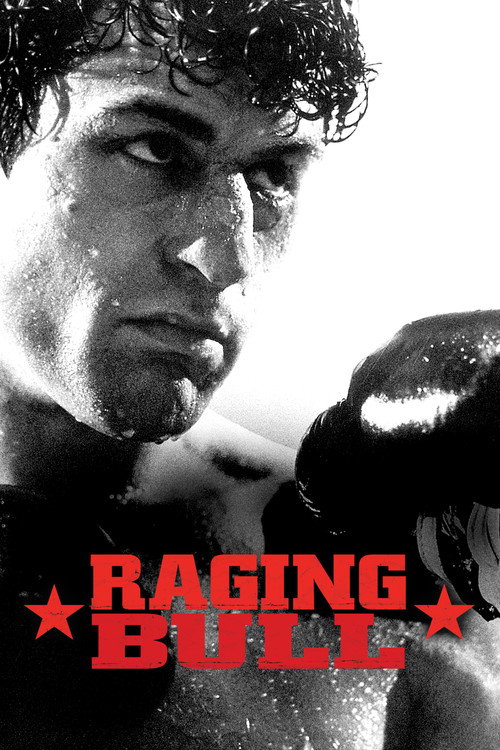
Raging Bull1980
Scorsese and De Niro turn a boxer's decline into something operatic and brutal, following Jake LaMotta from champion to washed-up has-been with unflinching honesty about what the sport costs a man.
But It's punishing rather than comforting — LaMotta is far less sympathetic than Mountain Rivera, and the violence, in and out of the ring, is relentless.
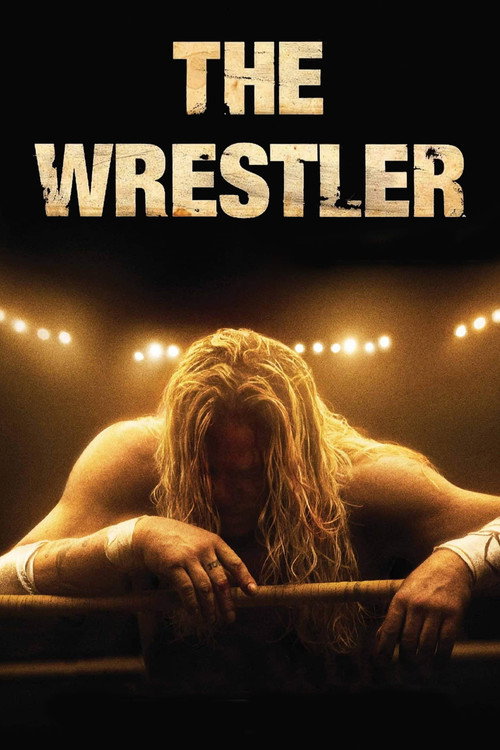
The Wrestler2008
Mickey Rourke's aging pro wrestler clinging to relevance is the closest modern cousin to Mountain Rivera — same battered body, same manager problems, same ache of a man who only knows one way to be loved.
But The wrestling world it depicts is seedier and more graphic than boxing, and the ending offers even less comfort.
The wildcard
Something you would not have found on your own.
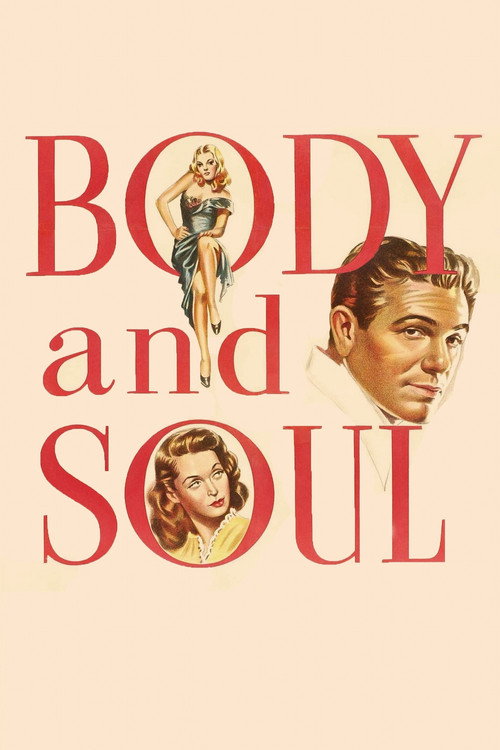
Body and Soul1947
It's the film Requiem is quietly answering — the same corrupt-manager, exploited-body boxing story, but from a decade and a half earlier, before television drama got hold of the genre and made it smaller and sadder.
John Garfield's fighter gets chewed up by gambling and management exactly like Mountain Rivera, but fifteen years earlier and with the visual bite of postwar noir — all shadows, smoke, and moral rot.
But The dialogue is pure 1940s tough-guy patter, and the resolution is more triumphant than Requiem allows itself to be.
More like this (8)
Fat City1972no page yet
John Huston's shaggy, unglamorous portrait of small-time boxers in Stockton, California, has the same weary compassion for men who never quite made it, wandering strip malls instead of parading a title.
But It's slower and more meandering than a typical boxing film, with barely any actual fighting on screen.
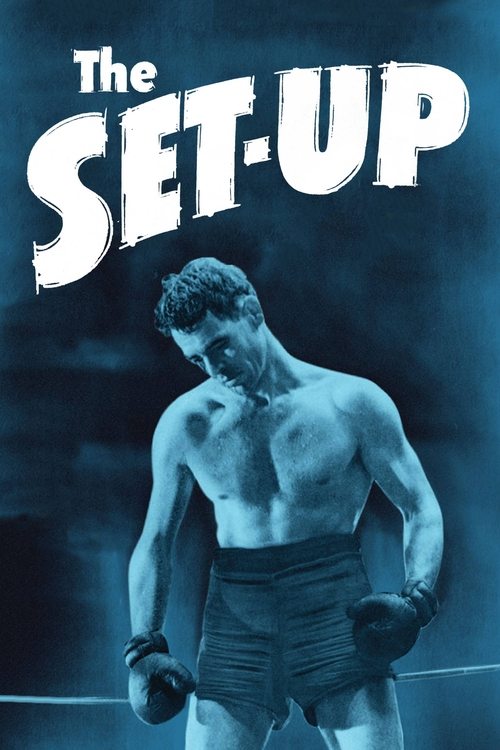
The Set-Up1949
A tight, real-time noir about a boxer paid to throw a fight he doesn't know is fixed, with the same corrupt-manager-versus-decent-fighter tension, compressed into one tense night.
But Its noir stylization and 1940s pacing feel stagier than Requiem's naturalism, and it's less interested in life after boxing.
Champion1949
Kirk Douglas plays the flip side of Mountain Rivera — a fighter who claws his way up by becoming as ruthless as the men who exploit boxers, which makes for a bruising counterpoint.
But It's more melodramatic and less sympathetic to its lead than Requiem, with a moral tidiness that feels old-fashioned.

Somebody Up There Likes Me1956no page yet
Paul Newman's early star turn as real-life boxer Rocky Graziano covers similar ground — poverty, exploitation, the fight as the only way out — but leans toward redemption rather than requiem.
But Its biopic gloss and happy-ending shape make it a much gentler, less bruising watch than Requiem.
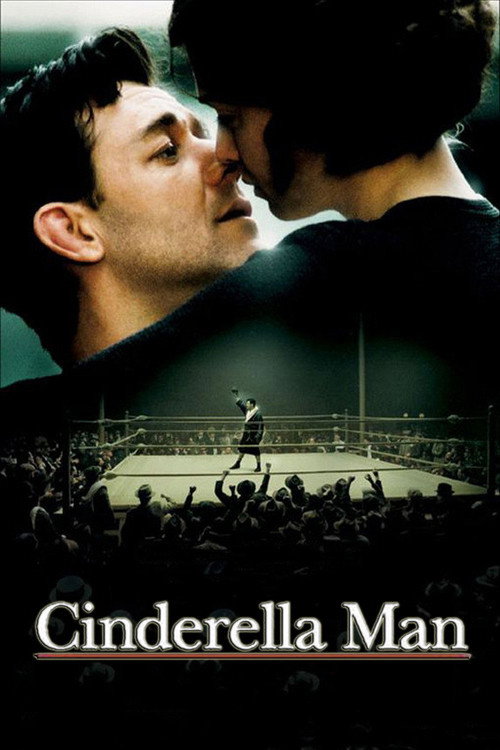
Cinderella Man2005
Russell Crowe's Jim Braddock story offers the inspirational mirror image of Mountain Rivera's fall — a fighter given one last shot instead of being told it's over — for when you want the uplift version.
But It's glossy Hollywood prestige filmmaking, sentimental where Requiem is stark, and doesn't sit with defeat the way this film does.
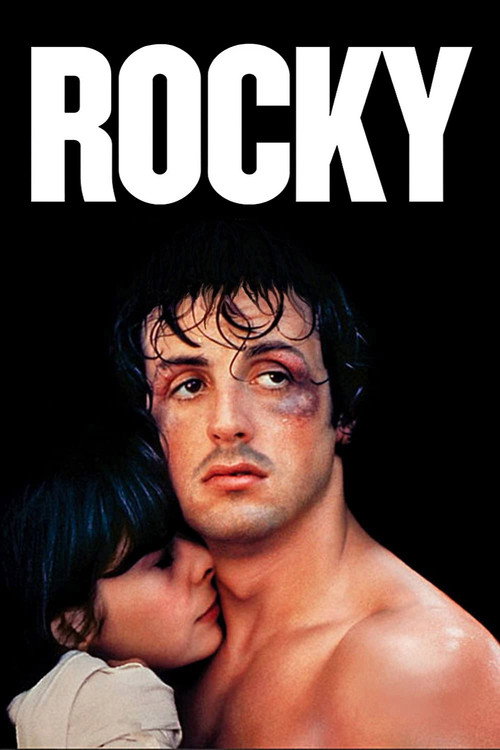
Rocky1976
The most famous boxing underdog story of all still works because it understands what Requiem understands — that dignity, not the belt, is the real prize — just approached from the opposite emotional direction.
But Its warmth and eventual triumph make it a fundamentally different experience — you're watching for hope, not elegy.
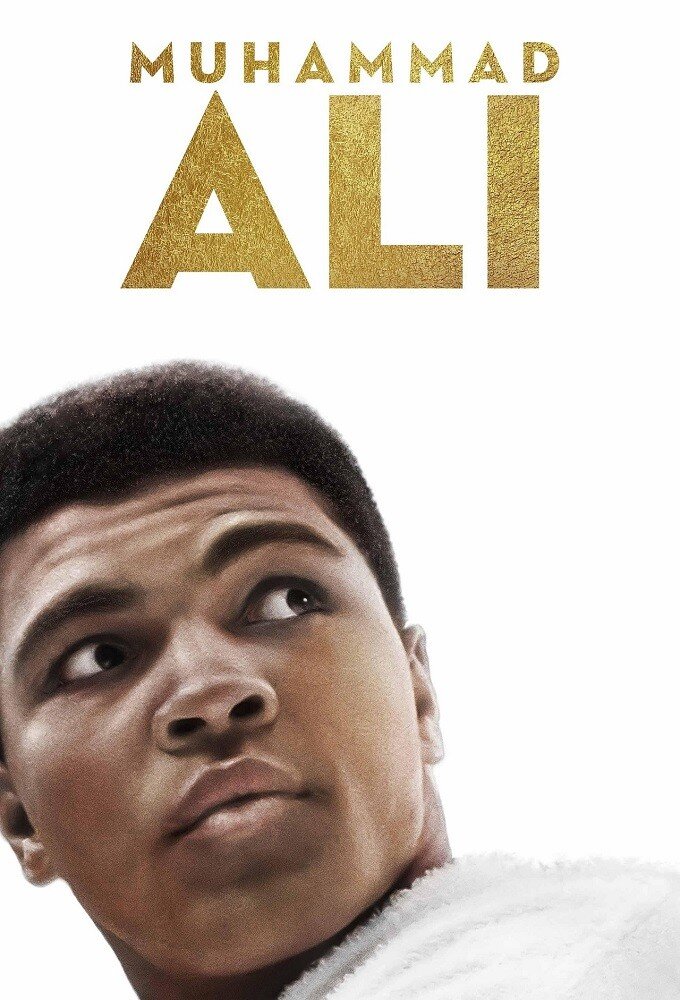
Muhammad Ali2021
Same subject — a fighter's body as public property, spent and then discarded — but told as sprawling nonfiction television instead of one tight, fictional evening.
Ken Burns's multi-part documentary follows a real fighter's whole arc, including the years after the punches stopped landing well and his body kept the bill — the true-life version of what Mountain Rivera fears becoming.
But It's several hours across multiple episodes, a totally different commitment than a 95-minute film, and Ali's story carries a political dimension Requiem never touches.
The Fortune Cookie1966no page yet
Same premise — exploiting a man's damaged body for someone else's financial gain — restaged as sharp-elbowed comedy instead of tragedy, proving how flexible the idea really is.
Billy Wilder's comedy about a cameraman whose crooked lawyer brother-in-law turns his minor injury into a manufactured meal ticket runs on the exact same engine as Requiem — a man's body used as someone else's payday — just played for laughs.
But It's a wisecracking farce, not a drama, so anyone wanting the ache of Requiem will find this too flip and cynical-funny by comparison.
People
Cast
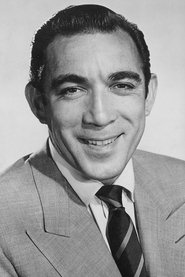 Anthony QuinnLewis 'Mountain' Rivera
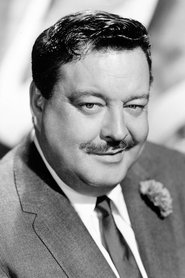 Jackie GleasonMaish Rennick
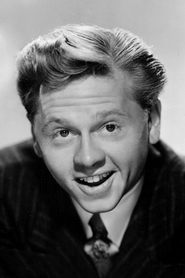 Mickey RooneyArmy
 Julie HarrisGrace Miller
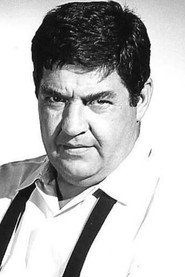 Stanley AdamsPerelli (as Stan Adams)
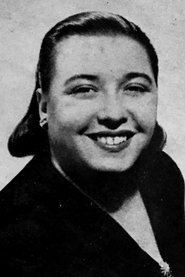 Madame SpivyMa Greeny
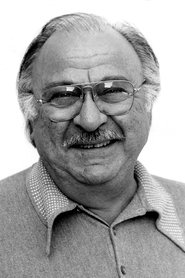 Val AveryYoung fighter's promoter
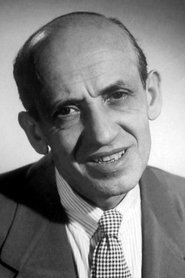 Herbie FayeCharlie, the Bartender
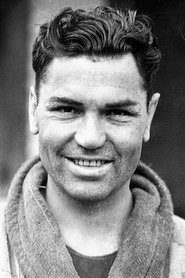 Jack DempseyHimself
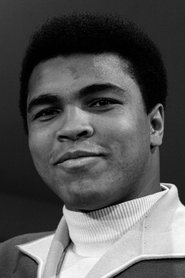 Muhammad AliHimself (as Cassius Clay)
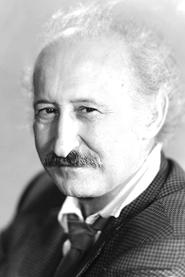 Lou GilbertDr. Gilbert
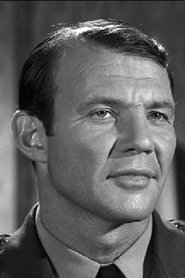 Michael ConradMa Greeny's Thug
Directing
- Ralph NelsonDirector
- Winifred Leah LauranceScript Supervisor
Writing
- Rod SerlingScreenplay
Production
- Jack GrossbergAssociate Producer
- David SusskindProducer
- David GoldenProduction Manager
Recommended by
Dark Side of the Ring, The Set-Up, Any Given Sunday, Champion, Rocky Balboa