
Film
Fat City
- Sports drama
- Very dark
John Huston's 1972 portrait of two boxers whose lives cross in California's Central Valley. It's not a boxing film so much as a story about hunger—for glory, connection, money, escape—and the quiet devastation of settled failure. Grainy, tender, utterly unsentimental. For anyone who loves character studies that refuse easy answers.
Should you watch it?
Watch it if you like quiet, bruised character studies where the ring is a backdrop for loneliness, and you don't need the bout to deliver a big payoff.
Skip it if you want boxing as spectacle, with crowd-pleasing fights and a clear arc of triumph; the sport here is grubby, slow in stretches, and mostly about the walk between fights.
What it asks of you: At 97 minutes, it moves at a patient, almost drifting pace, with long silences and small scenes that accumulate rather than announce themselves.
Not sure? Find tonight's pick in a minute.
If you liked this
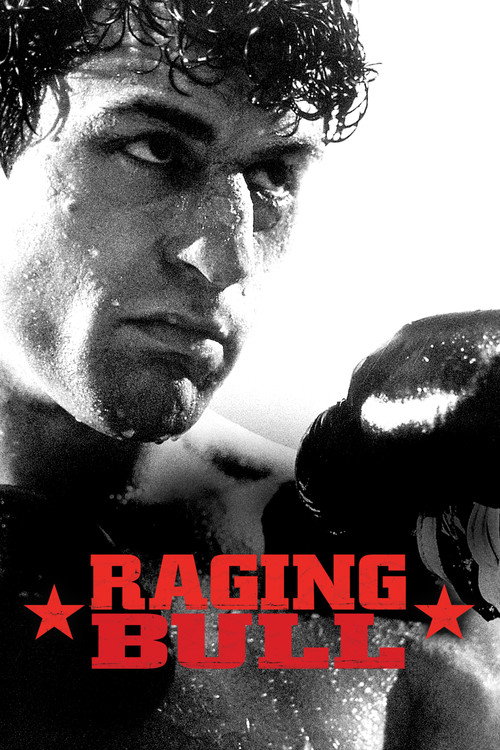
Raging Bull1980
Scorsese's masterpiece about another boxer consumed by his own demons. De Niro's savage performance and the black-and-white cinematography create something mythic and unforgettable.
But Nearly three hours, brutally violent, and so psychologically claustrophobic it can feel punishing rather than cathartic.
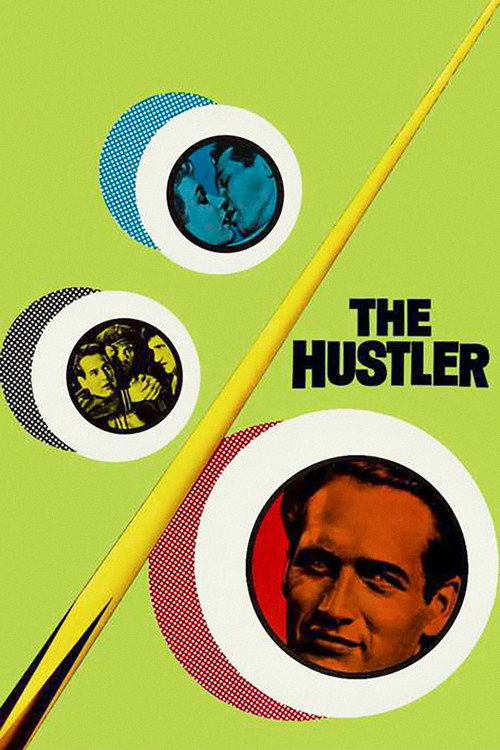
The Hustler1961
Paul Newman in an earlier Huston film about obsession and small-time grit. Pool instead of boxing, but the same unflinching look at men chasing something just out of reach.
But The pacing is slow and deliberate; if you need plot momentum, this will feel like watching paint dry.
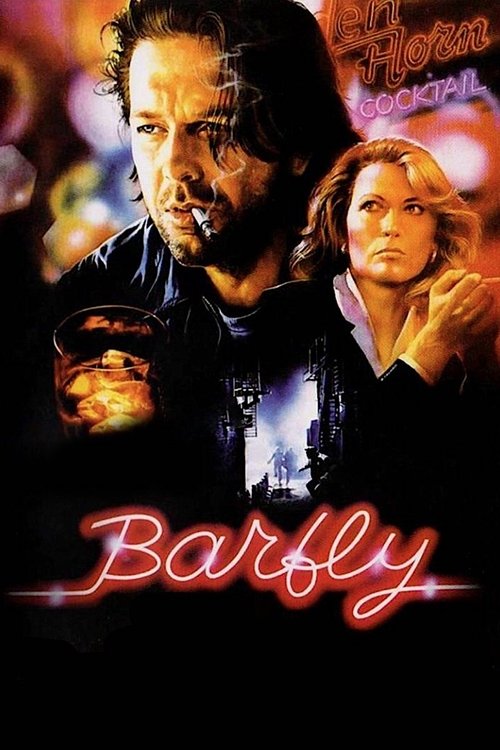
Barfly1987
Faye Dunaway and Mickey Rourke as perpetual drifters in dive bars. Captures the same texture of failure and strange tenderness, with dark humour that cuts deep.
But It's ugly and repetitive by design—if you find alcoholism grim rather than poetic, the whole thing will feel like an endurance test.
Not sure tonight? Get a pick in a minute, starting from Fat City
The wildcard
Something you would not have found on your own.
Harakiri1962
Both are elegies for men destroyed not by personal vice but by structures larger than themselves. Both refuse to sentimentalise their suffering.
Masaki Kobayashi's 1962 masterpiece about a ronin seeking ritual suicide in a samurai household. A completely different world and culture, but the same tragic anatomy of hope meeting a system designed to crush it.
But Japanese, subtitled, and formally demanding. The emotional devastation is real and complete—not a film you watch for entertainment.

More like this (8)
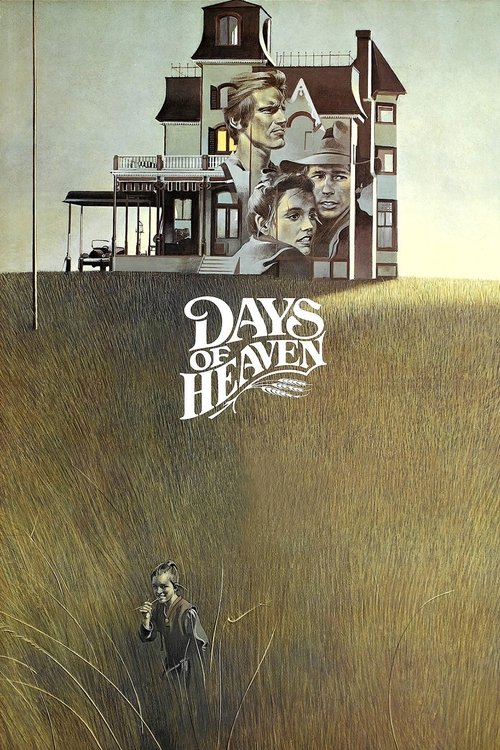
Days of Heaven1978
Terrence Malick's visual poetry about migrant workers and forbidden desire. Uses landscape and light the way Huston uses silence—to say what words cannot.
But Almost wordless, deliberately paced, shot through with tragedy. Malick's style demands patience and gifts none of the comfortable catharsis drama usually offers.
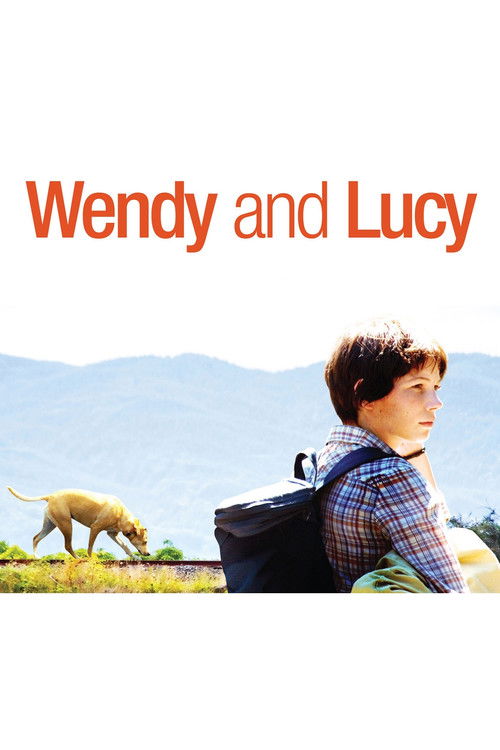
Wendy and Lucy2008
Kelly Reichardt's quiet demolition of a woman trying to survive on nothing. Achieves Fat City's compassion for the overlooked without ever being maudlin or explanatory.
But Minimal plot, minimal dialogue, minimal everything. It's a film about the absence of options, which can feel as confined as the life it depicts.
A Prophet2009
Jacques Audiard's film about power, ambition, and survival in a closed world. Follows a similar arc of young hunger meeting institutional reality, beautifully made.
But Prison film—violent and intense. The visual style is slick in a way that might feel distant from Fat City's grittiness.

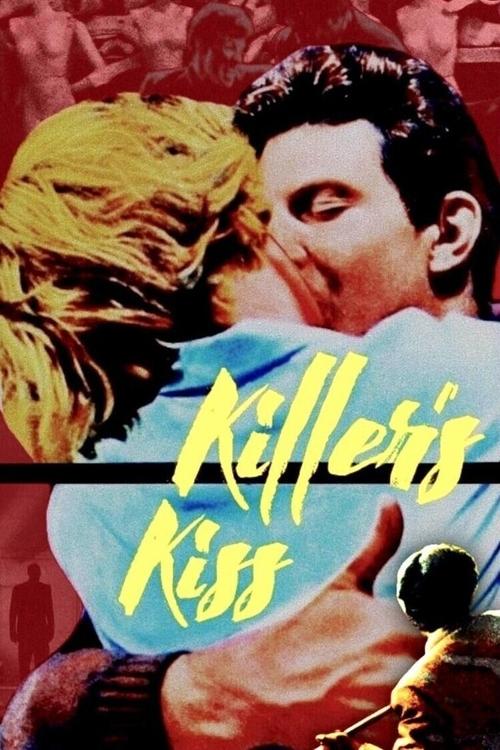
Killer's Kiss1955
Kubrick's early noir about boxers and small-time criminals in New York. Stylish but sad, interested in how people trap themselves.
But Shot in stark black-and-white on a tiny budget; some will find it too mannered or dated to connect with.
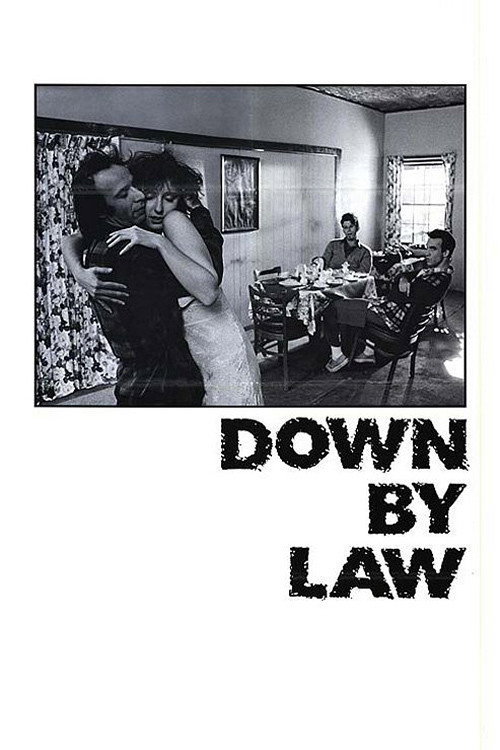
Down by Law1986
Jim Jarmusch on drifters, bad luck, and the strange bonds that form between broken men. Poetic and funny in equal measure, with the same deadpan humility.
But Deliberately strange and slow. If you want conventional narrative or character development, Jarmusch will frustrate you.
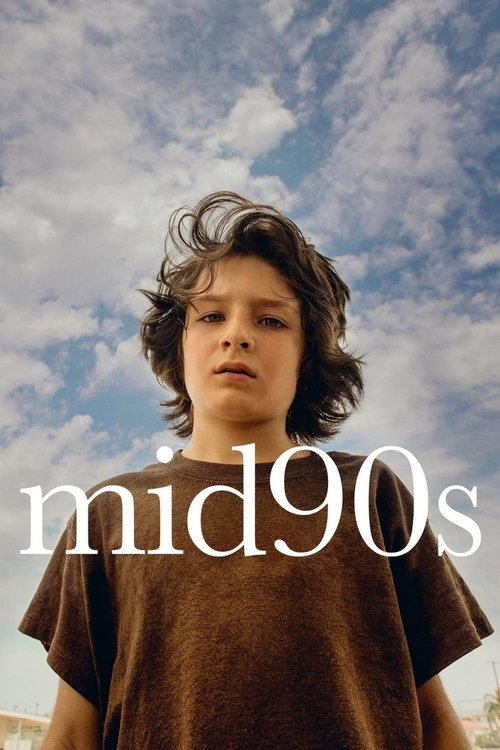
mid90s2018
Jonah Hill's direction captures a world of young men finding identity and community in small scenes and small stakes. The same intimate attention to failure and friendship.
But Shot on Mini DV with a teenage sensibility; some will find it thin or self-conscious, more vibe than substance.
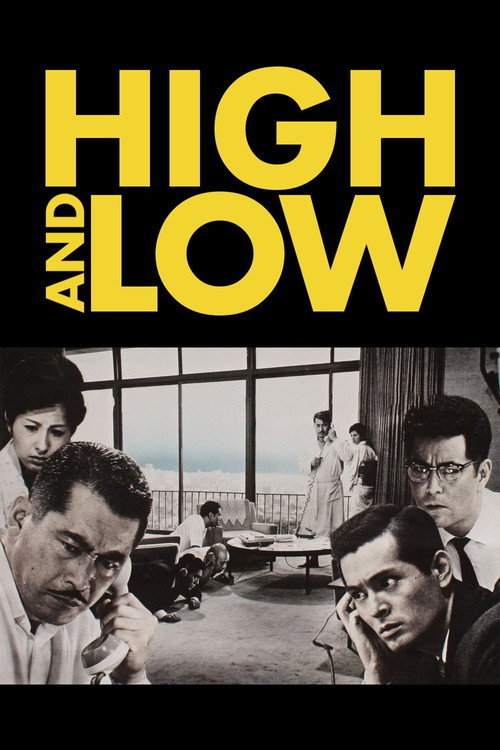
High and Low1963
Like Fat City, it's interested in how economic desperation warps character and choice. Compassion for the desperate doesn't mean excusing their damage.
Kurosawa's crime thriller that shifts halfway from kidnapping procedural to a study of class, guilt, and what we owe each other. Tense but genuinely philosophical.
But Nearly three hours, and the second half abandons the thriller's momentum for moral questioning. Audiences trained on plot will feel the shift as a problem.
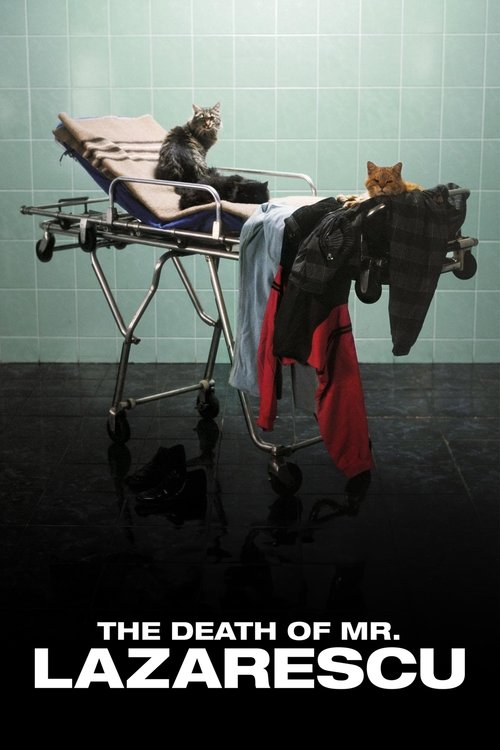
The Death of Mr. Lazarescu2005
Same patient gaze at men without power or options. Both refuse the consolation of conventional ending or meaning—the world is indifferent, and the film doesn't apologise for that.
Cristi Puiu's four-hour Romanian epic about an old man having a stroke, moving through hospital bureaucracy. Exhausting, realist, unbearably tender. Captures dignity in systems designed to strip it away.
But A film about waiting and watching. Four hours of real-time observation with minimal plot. Most viewers will find it tedious before they find it transcendent.
People
Cast
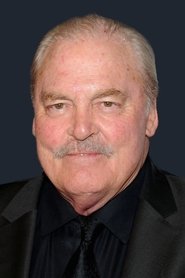 Stacy KeachTully
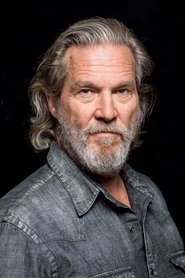 Jeff BridgesErnie
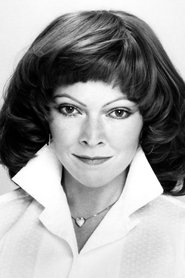
 Candy ClarkFaye
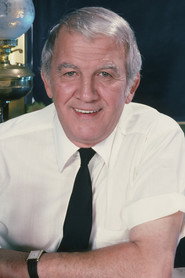 Nicholas ColasantoRuben
- Art AragonBabe
- Curtis CokesEarl
- Sixto RodriguezLucero
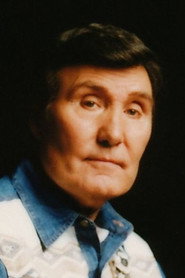 Billy WalkerWes
- Wayne MahanBuford
- Ruben NavarroFuentes
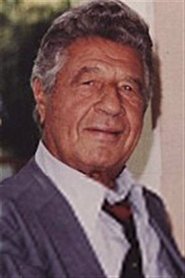 Al SilvaniReferee at Tully-Lucero Fight (uncredited)
Directing
- John HustonDirector
- Marshall SchlomScript Supervisor
Writing
- Leonard GardnerNovel
- Leonard GardnerScreenplay
Production
- David DworskiAssociate Producer
- Fred RoosCasting
- Jennifer ShullCasting
- John HustonProducer
- Ray StarkProducer
Recommended by
Requiem for a Heavyweight, Body and Soul, The Set-Up, The Champ, Requiem for a Heavyweight, Somebody Up There Likes Me, Everybody's All-American, Downhill Racer, Personal Best, Cockfighter, Play It to the Bone, The Great John L., Hard Times, Jannal Oram