
Film
Requiem for a Heavyweight
Other titles called Requiem for a Heavyweight: the 1962 film.
- Sports drama
- Very dark
A stark, unsparing portrait of a washed-up boxer destroyed by years in the ring and abandoned by everyone around him. Jack Palance is devastating—physically brutalized, mentally diminished, desperately clinging to dignity that's already gone. It's claustrophobic and sad, a reminder that some doors, once closed, don't open again. Essential viewing.
Should you watch it?
Watch it if you love actors-driven dramas about dignity and decline, where a single tender scene can hit harder than any punch in the ring, and you don't mind a 1950s teleplay sensibility.
Skip it if you want fast boxing spectacle or a plot that keeps moving; the fights are sparse and the drama lives in long conversations, so it can feel talky and stagey.
What it asks of you: It runs barely over an hour and keeps a slow, wordy rhythm, asking you to sit with a man's quiet humiliation rather than be entertained by it.
Not sure? Find tonight's pick in a minute.
If you liked this
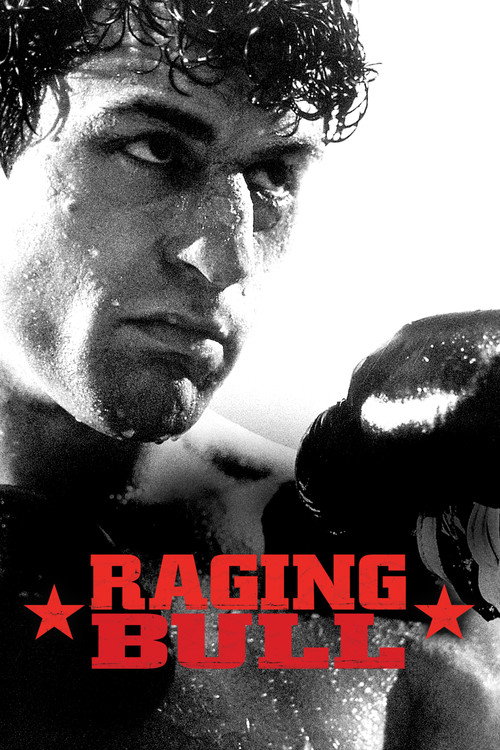
Raging Bull1980
Scorsese's masterpiece about a boxer consumed by rage and self-loathing. Like Requiem, it's fascinated by the toll boxing takes—physical, psychological, moral—and refuses to look away from the ugliness.
But Black and white, long, deliberately punishing to watch. It demands patience and can feel punitive in its refusal to offer comfort.
The Wrestler2008
Mickey Rourke as an aging performer past his prime, exploited and alone. Same DNA as Requiem: the pathos of a man whose body is his only currency, watching it fail him.
But Grim and repetitive by design. The bleakness can feel relentless, and there are no easy resolutions.

Champion1949
Kirk Douglas as a brutal boxer clawing his way up, then rotting from the inside. Examines how the sport corrupts character. Earlier and rawer than most boxing films.
But The protagonist is genuinely unlikeable. Some find the cynicism about the sport exhausting rather than enlightening.

Not sure tonight? Get a pick in a minute, starting from Requiem for a Heavyweight
The wildcard
Something you would not have found on your own.
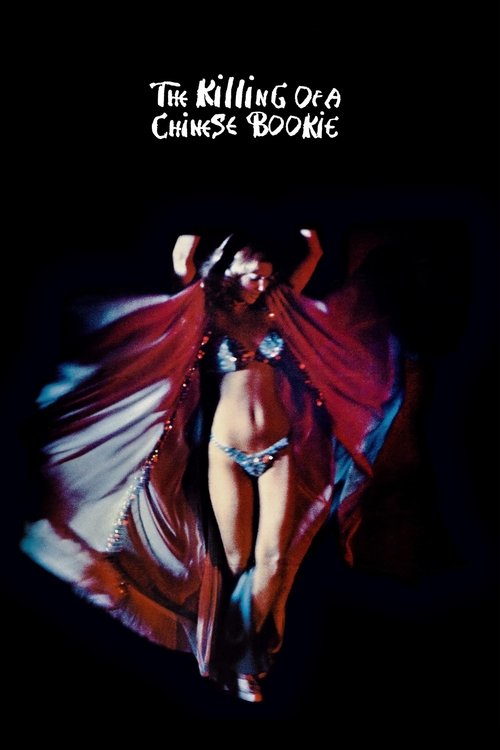
The Killing of a Chinese Bookie1976
Both are character studies about ordinary men ground down by systems larger than themselves, told without sentimentality or score. Both trust the actor's face to carry the emotional weight.
Cassavetes' film about a nightclub owner trapped by debt and gangsters, trying to maintain dignity while circumstances strip it away. Medium shot, minimal plot—it's about presence and slow deterioration, exactly like Requiem but in a completely different register.
But Deliberately opaque and slow. The dialogue is elliptical, the editing choppy. It requires active viewing and rewards patience, but many find it frustrating rather than profound.
More like this (8)
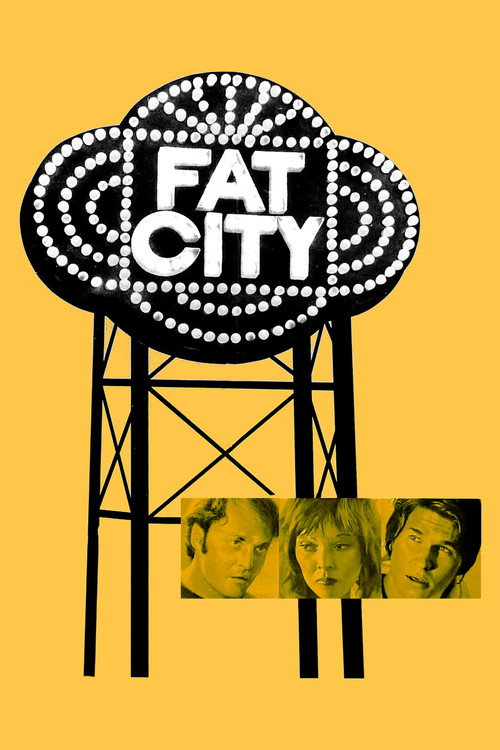
Fat City1972
Huston's masterpiece about failed boxers in California, drifting through poverty and alcohol. Captures the same sense of people left behind by life, trying to matter.
But Slow, unglamorous, deliberately anti-climactic. Nothing happens the way you want it to. Some find it depressing rather than moving.
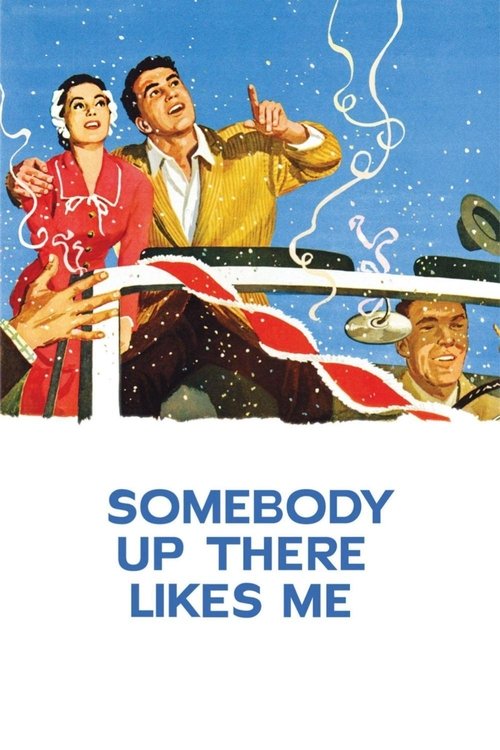
Somebody Up There Likes Me1956
Paul Newman as Rocky Graziano, a boxer fighting his way out of poverty. Made the same year as Requiem, but it's a redemption story where Requiem is a tragedy.
But Feels dated and earnest by modern standards. The boxing footage doesn't have the visceral power of later films.
The Killing1956
Kubrick's debut about a doomed racetrack heist. Same year, same studio system cynicism. Ordinary people destroyed by circumstances and their own weakness.
But The non-linear structure was innovative then; some find it confusing. It's a heist film, so the tone is harder than Requiem's pathos.

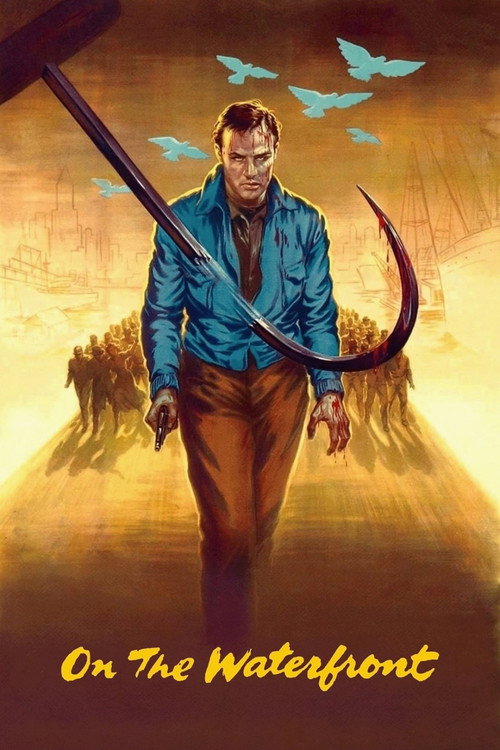
On the Waterfront1954
Brando as a damaged boxer-turned-dock worker, trying to find redemption. Post-trauma, trying to rebuild. The moral corruption of institutions mirrors Requiem's exploitation.
But More hopeful than Requiem—some find that false note unconvincing given the setup.
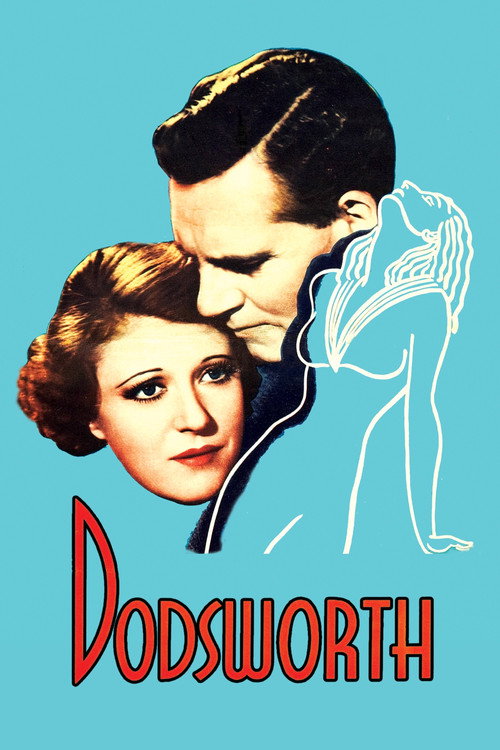
Dodsworth1936
Walter Huston as a retired industrialist adrift without purpose. Same theme: what happens to a man when his defining role ends and nobody needs him anymore.
But It's from the 1930s and feels it. The pacing is leisurely and the emotional register is restrained by modern standards.
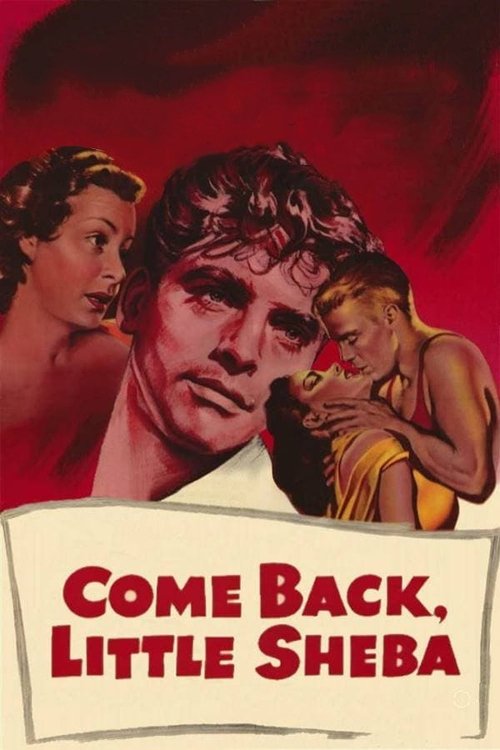
Come Back, Little Sheba1953
Burt Lancaster as an aging alcoholic whose past glories are gone. Domestic decay, failed dreams, the slow erosion of self-respect. Raw performances, real pain.
But Extremely bleak. There's no subplot or respite; it's relentless domestic misery from start to finish.
Ikiru1952
Both are about men confronting their irrelevance and mortality. Both are uncompromising about the absence of easy answers or redemptive narratives.
Kurosawa's masterpiece about a Japanese bureaucrat dying of cancer, searching for meaning before death. A boxer past his prime and a dying man both confront the question: what was any of it for? Profound without being pretentious.
But Entirely in Japanese, subtitled. The pacing is slow and meditative rather than dramatic. Some Western audiences find the restraint alienating.

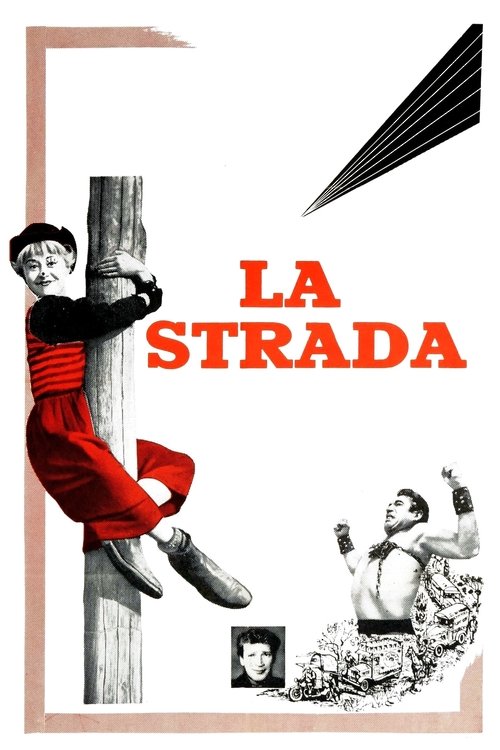
La Strada1954
Like Requiem, it uses a physical performer (the strongman, the boxer) as the site of human vulnerability. Both examine how society discards people it has finished using.
Fellini's haunting film about a woman bound to a brutal circus strongman. It's about exploitation and the dignity of small people crushed by larger personalities. Shot in a dreamlike style that makes the pain stranger and deeper.
But Surreal and symbolic rather than naturalistic. Some find it pretentious; it doesn't offer plot satisfaction. The ending is deliberately devastating.
People
Cast
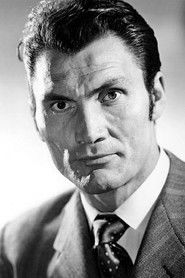 Jack PalanceHarlan 'Mountain' McClintock
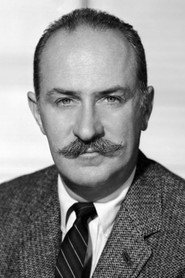 Keenan WynnMaish Rennick
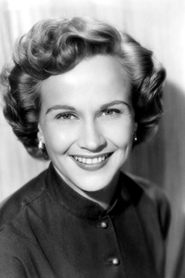 Kim HunterGrace Carney
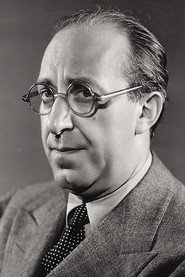 Ed WynnArmy
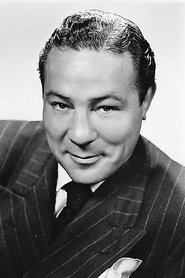 Max BaerMike
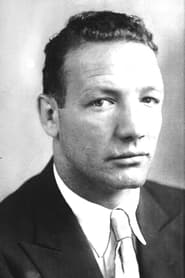 Maxie RosenbloomSteve
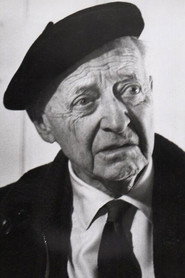 Edgar StehliDoctor
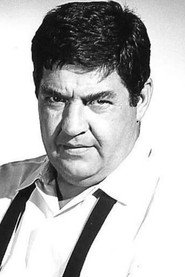 Stanley AdamsPirelli
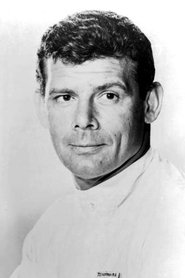
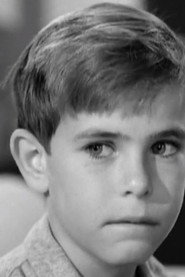 Charles HerbertJeffrey
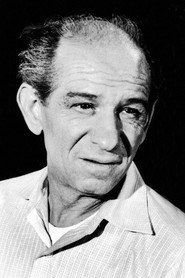 Ned GlassBartender
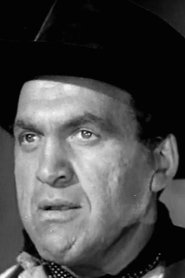 Frank RichardsFighter in Bar
Directing
- Ralph NelsonDirector
Writing
- Peter KortnerStory Editor
- Rod SerlingWriter
Production
- Julian ClamanAssociate Producer
- Martin ManulisProducer
- Shirley CohenProduction Assistant