
Film
Hard Times
A Depression-era bare-knuckle boxing film where a taciturn drifter partners with a fast-talking hustler in New Orleans. Charles Bronson embodies lean efficiency—all muscle and silences—while James Coburn chatters away fortunes. It's a character study dressed as sports drama, built on male partnership and the grinding economics of survival. Austere, unglamorous, utterly convincing.
Should you watch it?
Watch it if you like lean, unshowy films where the violence is brief, ugly and mostly wordless, and where the pleasure lies in two men sizing each other up amid the grimy texture of a hard era.
Skip it if you need the story to move briskly, since its middle stretches can feel loose and its dialogue is sparse, so momentum arrives in fits.
What it asks of you: It runs a lean ninety-three minutes and asks you to read faces and gaps rather than follow exposition; the mood stays low and unhurried.
Not sure? Find tonight's pick in a minute.
If you liked this
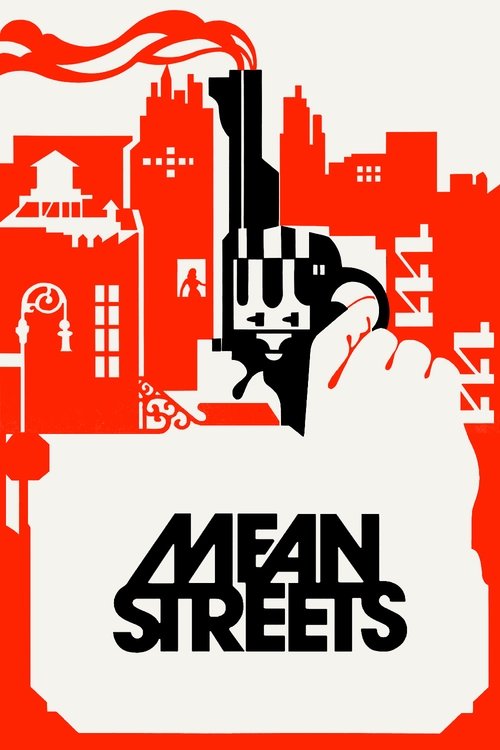
Mean Streets1973
Scorsese's scrapbook of street life and masculine obligation in a tight community. Travis and Charlie's moral friction mirrors Chaney and Speed's symbiosis. The camera moves like a fist, and the dialogue breathes.
But It's loose and episodic rather than plot-driven. Urban 1970s New York mythology may feel dated or overwrought on first viewing.
The Killing1956
Kubrick's racetrack heist is all precision and desperation. Like Hard Times, it watches men try schemes and watch money slip away. Crooked plans and bent partnerships; the structure is clockwork.
But Shot in black-and-white on a modest budget. It moves fast and trusts you to keep up—not a movie that holds your hand.

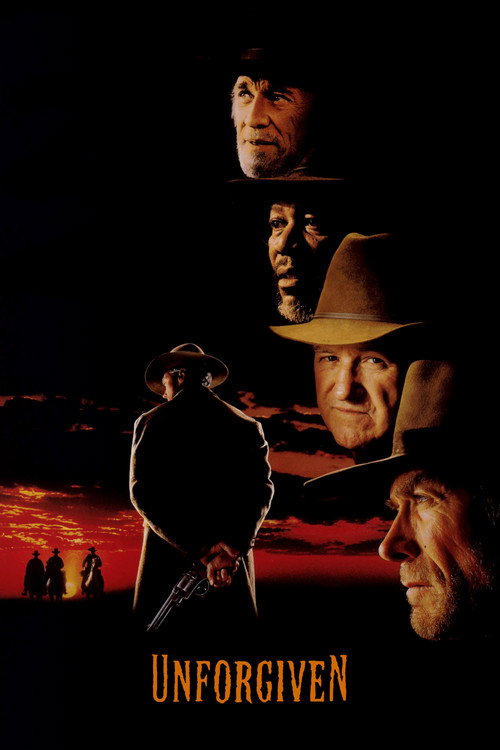
Unforgiven1992
Eastwood's meditation on ageing male competence and the real cost of violence. Two men past their prime trying one last job. It has Bronson's economy of gesture and moral weight without sentimentality.
But It's slow and reflective. If you want action spectacle, this is the opposite. The violence, when it comes, is brief and ugly.
Not sure tonight? Get a pick in a minute, starting from Hard Times
The wildcard
Something you would not have found on your own.
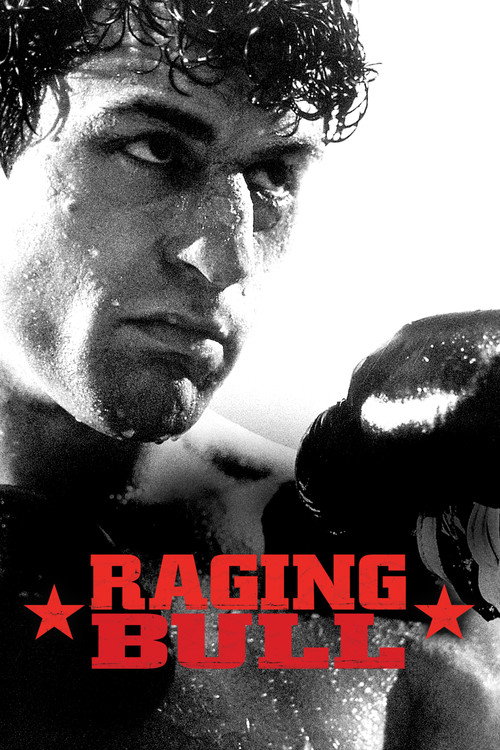
Raging Bull1980
Both films use boxing as metaphor for economic desperation and male identity, but Raging Bull inverts Hard Times' code—De Niro's Jake LaMotta destroys everything in reach, while Chaney survives by refusing to want anything.
Scorsese's black-and-white descent into boxing violence and masculine narcissism. Not about strategy or sport but the animal inside the man. De Niro's fury matches Bronson's ice; both explore what fighting costs the fighter.
But It's visually expressionistic and emotionally brutal. The main character is nearly unwatchable. Some find it beautiful; others find it punishing.
More like this (8)
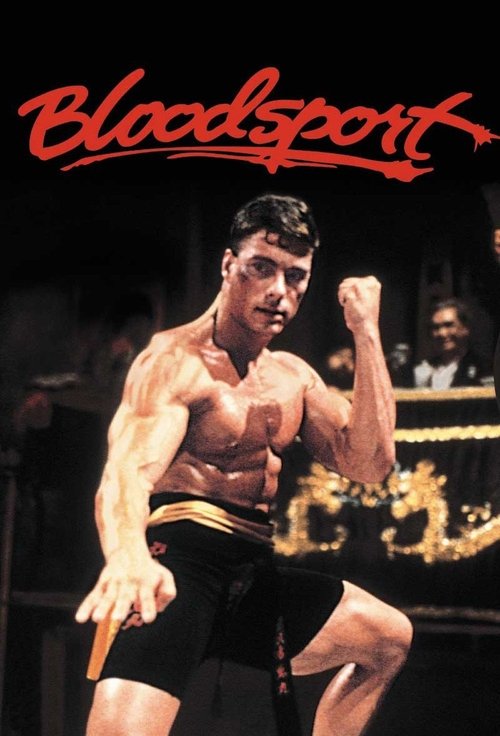
Bloodsport1988
Van Damme in underground martial arts tournaments. Street fighting as economy and identity. Chaney's world transplanted to the 1980s. Raw, physical, indifferent to polish. A guilty pleasure that earns it.
But The acting is wooden and the plot skeletal. It's more interested in pain and spectacle than character nuance.
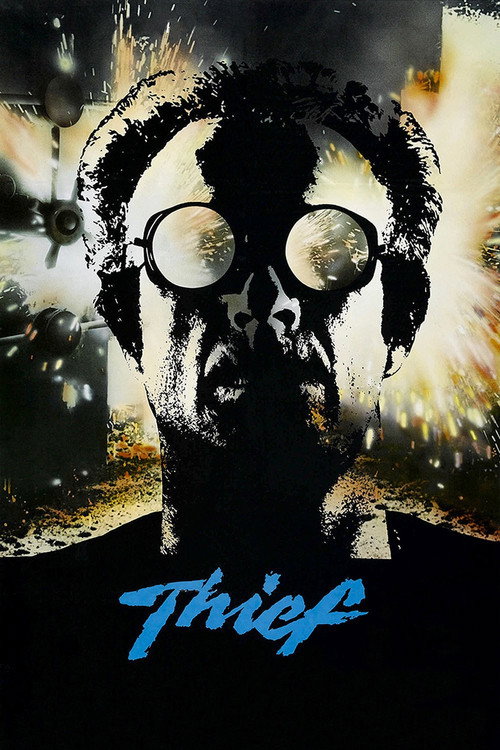
Thief1981
Michael Mann's study of a career criminal and his fixer. Glacial cool, nocturnal Los Angeles, the mathematics of theft and betrayal. Dialogue is sparse; style is everything. A masterwork of masculine alienation.
But Deliberately remote and detached. Some find it cold. If you need warmth or comedy relief, you won't find it here.
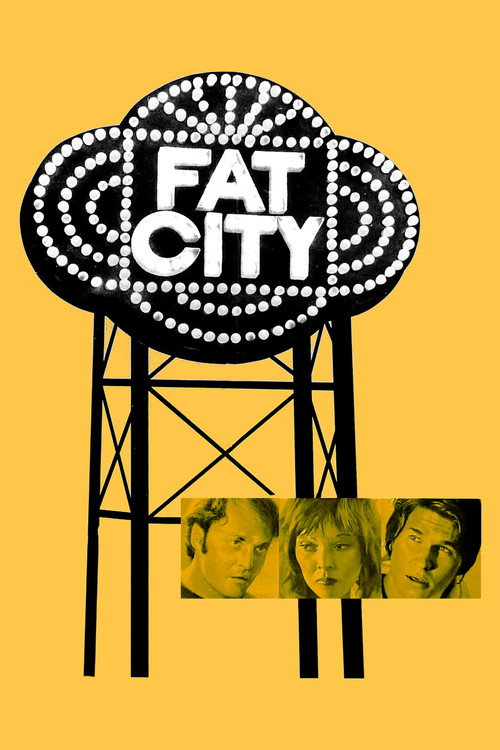
Fat City1972
Huston's boxing film about washed-up fighters and the trap of small dreams. Existential and sad in ways that creep up on you. Bronson's spiritual cousin to Stacy Keach's stumbling, dignified desperation.
But It's bleak and slow, with long passages of quiet degradation. There's no victory, only endurance. Some viewers find it depressing rather than moving.
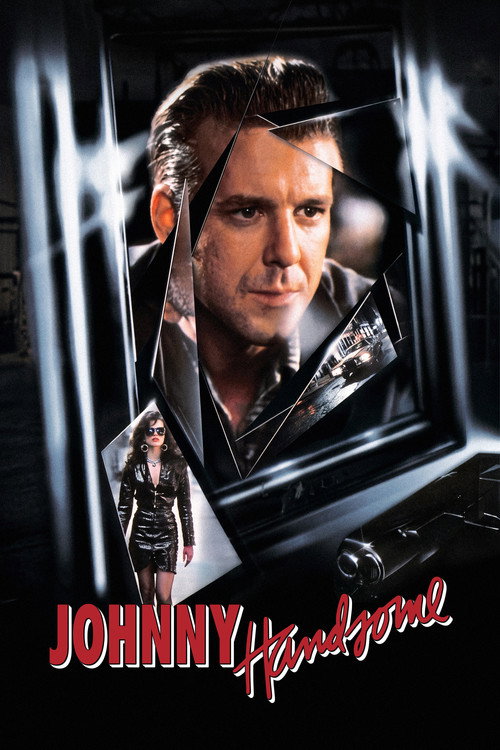
Johnny Handsome1989
Walter Hill directing Mickey Rourke as a small-time crook trying reinvention. Similar partnership dynamics and street-level moral economy. Gritty, kinetic, and deeply weird about male friendship and betrayal.
But The screenplay is convoluted and the ending feels forced. Rourke's performance, though committed, can feel mannered.
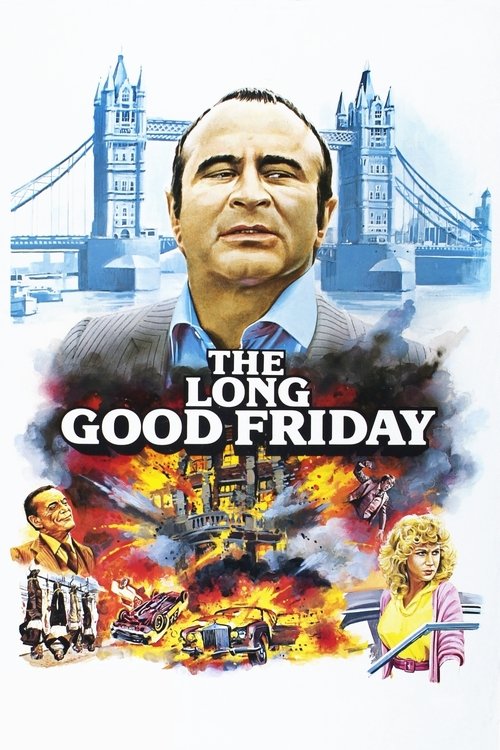
The Long Good Friday1980
Bob Hoskins as a London gangster losing control. Tense, talky where Hard Times is quiet, but both track the erosion of power and the men who cling to it. A masterclass in performance and mounting dread.
But Thematically bleak and the ending is deliberately ambiguous. IRA subtext may feel dated or murky on first watch.
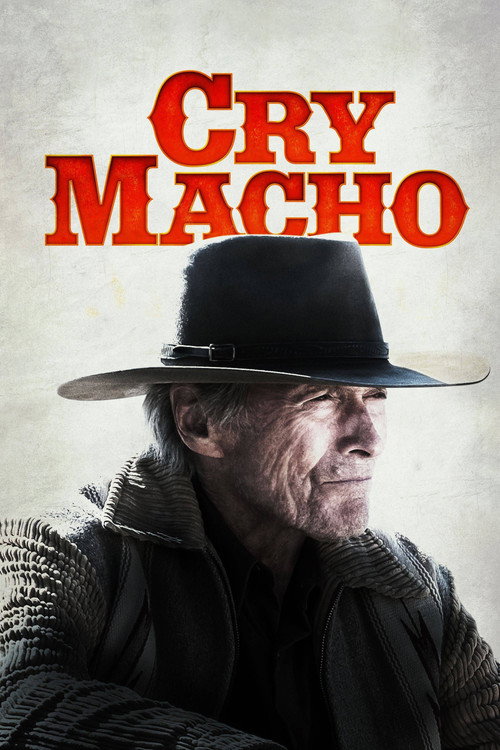
Cry Macho2021
Eastwood's final film as director and star. An old man and a boy crossing Mexico. Echo of Bronson's restraint and the quiet dignity of masculine mentorship. Late-period reflection on the code.
But It's elegiac and gentle, almost a parody of the Western hero. Some find it too sentimental for what Eastwood has earned. Pacing is deliberate to the point of stasis.
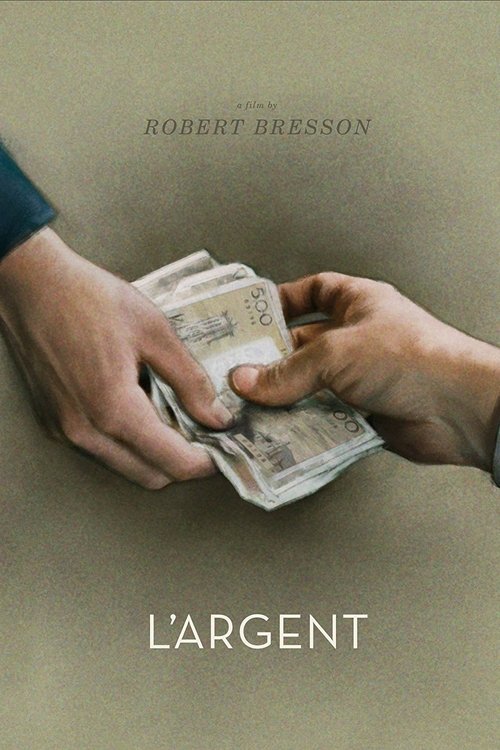
L'Argent1983
Both follow men through Depression-like economies where money flows wrong and partnerships corrode. But where Hard Times is a character study, L'Argent is theological—observing how systems destroy the individual with the weight of inevitability.
Bresson's final film: a counterfeit note destroys lives in a cascade of moral dominos. A meditation on money, chance, and survival. Shot like a psalm—austere, inevitable, devastating. The spiritual inverse of Speed's hustling optimism.
But Bresson's minimalism can feel cold or didactic. Nonprofessional actors deliver lines flatly. The moral scheme is unforgiving and European in register—distant from American pragmatism.
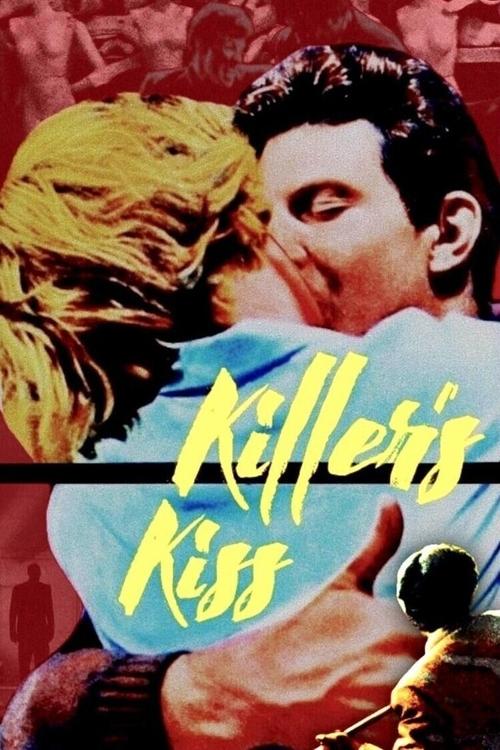
Killer's Kiss1955
Both are working-class fight narratives set in cities where money is scarce, but Killer's Kiss fractures the realism with modernist form and romantic obsession—the opposite of Hard Times' steady documentary eye.
Kubrick's debut: a boxer and a dancer in New York low-life. Shot on a shoestring in black-and-white with dream logic and street realism colliding. Chaney and Lucy's relationship distilled to surrealism. Violent, tender, weird.
But The narrative is fragmented and the dialogue sometimes awkward. It's a young director showing off—experimental in ways that can feel dated or pretentious.
People
Cast
 Charles BronsonChaney
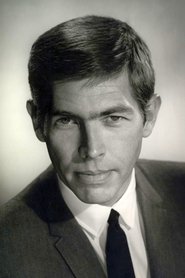 James CoburnSpencer "Speed" Weed
 Jill IrelandLucy Simpson
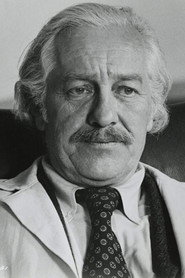
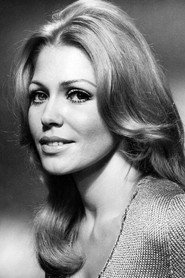 Margaret BlyeGayleen Schoonover
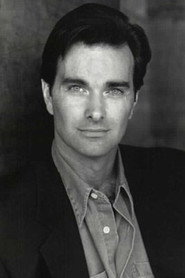 Michael McGuireGandil
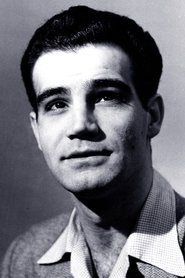 Felice OrlandiLe Beau
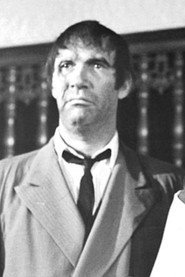 Edward WalshPettibon
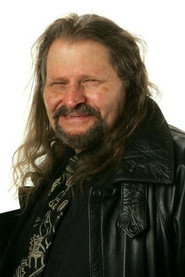 Bruce GloverDoty
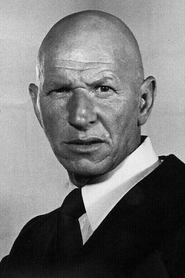 Robert TessierJim Henry
- Nick DimitriStreet
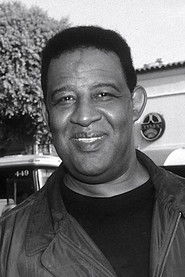 Frank McRaeHammerman
Directing
- Michael DavesAssistant Director
- Walter HillDirector
- Bonnie PrendergastScript Supervisor
- Nathan HaggardSecond Assistant Director
Writing
- Bruce HenstellScreenplay
- Bryan GindoffScreenplay
- Walter HillScreenplay
- Bruce HenstellStory
- Bryan GindoffStory
Production
- Fred LemoineAssociate Producer
- Jane FeinbergCasting
- Mike FentonCasting
- Paul MaslanskyExecutive Producer
- Howard R. SchusterFinance
- Norman WebsterLocation Coordinator
- Lawrence GordonProducer
- Elaine GyorkeProducer's Assistant
- Buzz FeitshansProduction Executive
- Karen RaschProduction Secretary
- Ernest AndersonPublicist
- Fred LemoineUnit Production Manager
Recommended by
Every Which Way but Loose, Mr. Majestyk, The Great Scout & Cathouse Thursday