
Film
L'Argent
Other titles called L'Argent: the 1928 film.
- Social drama
- Con-artist caper
- Very dark
Bresson's final film follows a counterfeit note through the hands of ordinary people, each transaction a small moral test. It's a study in how circumstance and indifference can destroy an innocent person. Austere, devastating, and hypnotic—cinema as moral reckoning rather than entertainment.
Should you watch it?
Watch it if you are drawn to cold, precise filmmaking where a single object drives the story and the camera watches people with unhurried, unsentimental patience, much like Bresson's austere moral chess.
Skip it if you want warmth, momentum or a character to root for; this one keeps its distance and its people rarely offer the comfort or release a crime story usually promises.
What it asks of you: It runs about eighty-five minutes but feels deliberate, with long still takes and sparse dialogue, so it asks you to sit with silence and notice small gestures rather than be carried along.
Not sure? Find tonight's pick in a minute.
If you liked this
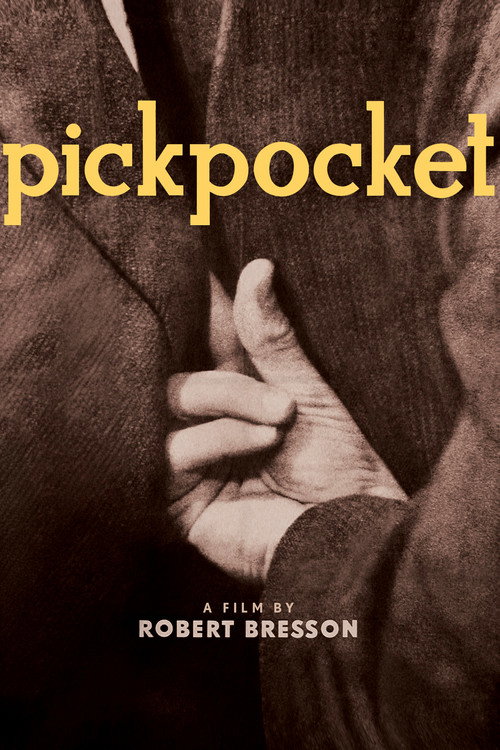
Pickpocket1959
Also Bresson's masterwork about a thief and grace. The same crystalline style and refusal to judge, just observe how lives splinter and reform around a single compulsion.
But No conventional narrative satisfaction. Long static shots of hands and faces. You have to surrender to its rhythm or it feels glacial.
Tokyo Story1953
Ozu's portrait of a family visit that goes nowhere and everywhere. Like Bresson, it finds the weight in small gestures and the way time passes over people who can't quite reach each other.
But Barely any plot. Shot composition is methodical, almost geometric. Patience with silence is non-negotiable.

Come and See1985
A Soviet war film that uses the camera to show how a person is unmade by circumstance. Like L'Argent, it doesn't look away from cruelty's random targeting of the innocent.
But Intensely, viscerally bleak. Not a film you 'enjoy.' Long, grueling, and morally serious in ways that can feel punishing.

Not sure tonight? Get a pick in a minute, starting from L'Argent
The wildcard
Something you would not have found on your own.
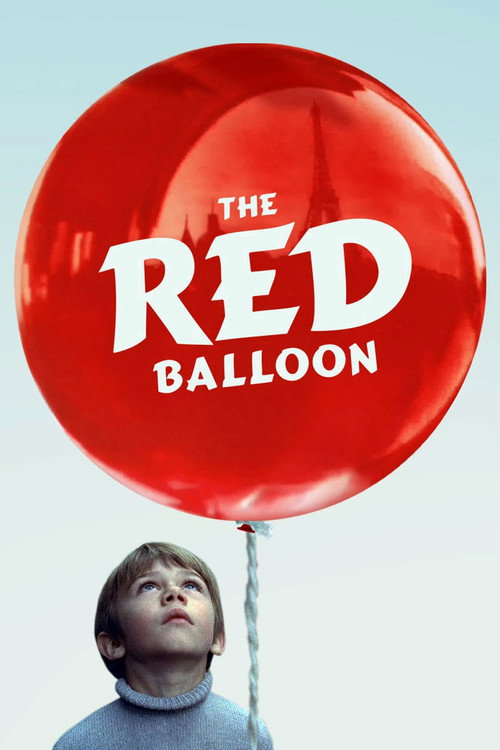
The Red Balloon1956
Both are about an innocent and an object moving through indifferent urban space, but Bresson's object corrupts while Vigo's redeems. Mirror images of the same moral question.
A boy follows a balloon through Paris in this 34-minute poem. Where L'Argent shows how systems corrupt innocence, this shows innocence moving through the world unchanged by its logic—a counterweight, almost a prayer.
But It's a children's film in form, though not in feeling. The abstraction and wordlessness can feel precious if you resist it.
More like this (8)
La Haine1995
A 24-hour fragment in the lives of three young men in the banlieue. Follows Bresson in seeing how social machinery grinds people down through indifference rather than active malice.
But Stylish in a way Bresson never is. Some viewers find the aesthetics overpower the politics it's trying to articulate.

The Seventh Seal1957
Bergman confronting mortality and meaning through a man's encounter with Death. Shares L'Argent's interest in how grace and damnation sit next to each other, disguised as ordinary life.
But Deliberately theatrical and symbolic. If you want subtlety, you won't find it. Every scene announces itself.

Bicycle Thieves1948
A father's day-long search for his stolen bike becomes a portrait of desperation and the systems that fail ordinary people. Neo-realism at its most humane and heartbreaking.
But The sentimentality can feel heavy-handed to modern eyes. Some scenes strain toward pathos rather than trusting the material.

A Prophet2009
A young man enters prison and becomes transformed by circumstance and his own will. Like L'Argent, it shows how institutions and chance conspire to reshape a person irreversibly.
But Prison cinema is familiar territory. The second half loses some of the moral clarity of the first.

Stalker1979
Tarkovsky's metaphysical journey into a mysterious zone. Both films ask what happens when people confront something they can't control and can't fully understand.
But Glacially slow. Over three hours. The philosophical framework will alienate anyone looking for plot momentum.

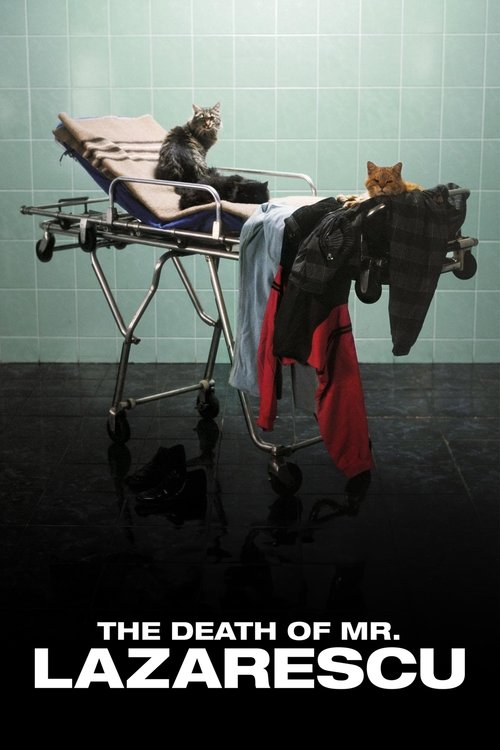
The Death of Mr. Lazarescu2005
A sick old man spends a night being moved between hospitals, treated with varying degrees of indifference. Like L'Argent, a systemic dismantling of someone powerless to stop it.
But Exhausting to watch by design. Real-time pacing and bureaucratic frustration without narrative catharsis. Tests patience severely.
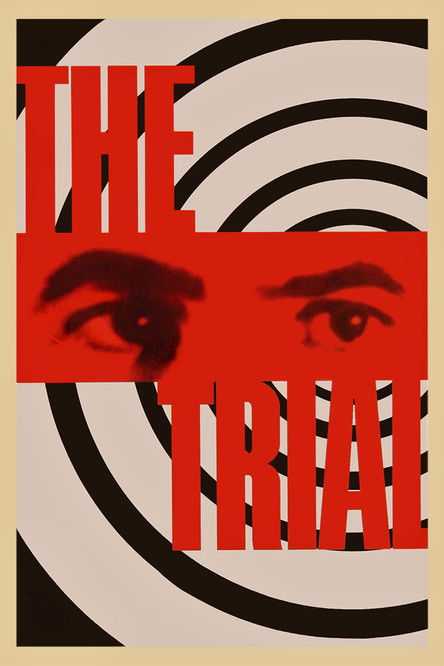
The Trial1962
Both center on an innocent caught in systems that grind forward regardless of guilt or innocence. Welles makes it nightmarish and visual; Bresson makes it quiet and devastating.
Welles adapts Kafka's novel with Kafkaesque cinema—a man accused of nothing by authorities he can't reach or understand. Both films show the innocent destroyed not by malice but by machinery that doesn't see them.
But Baroque, expressionist, deliberately disorienting. Some find it more style than substance; the narrative circularity exhausts rather than deepens.
The Turin Horse2011
Both are late works of cinema as moral philosophy. Where Bresson shows how one corrupted note ruins one life, Tarr shows what happens when that logic consumes everything—style and substance indistinguishable.
Béla Tarr's final film, a black-and-white descent into entropy where a man, a woman, and a horse await some final collapse. It's L'Argent's logic taken to its absolute end—the note becomes the whole world.
But Punishingly bleak. Monochrome, slow, repetitive by design. Not uplifting; feels like watching the light fail.

People
Cast
- Christian PateyYvon Targe
 Vincent RisterucciLucien
- Sylvie Van Den ElsenGrey Haired Woman
 Michel BriguetGrey Haired Woman's Father
 Caroline LangElise
- Marc Ernest FourneauNorbert
- Jeanne AptekmanYvette

Directing
- Robert BressonDirector
Writing
- Leo TolstoyStory
- Robert BressonWriter
Production
- Antoine GannagéExecutive Producer
- Daniel Toscan du PlantierProducer
- Jean-Marc HenchozProducer
- Richard DupuyUnit Production Manager
Recommended by
Little Dorrit, Great Expectations, The China Hustle, Jean de Florette, Napoleon, The Caine Mutiny Court-Martial, Foolish Wives, Hit!, Canyon Passage, Hard Times, Rubí, Les Dames du bois de Boulogne, Tristan and Isolde, La Roue, Dear Mr. Prohack, Colisión, Nana