
Film
Hit!
A 1973 revenge thriller where a federal agent assembles a ragtag crew—including Richard Pryor and Billy Dee Williams—to hunt down the drug dealers who killed his daughter. Grimy, propulsive, and anchored by genuine anger rather than spectacle, it's a '70s crime drama that feels lived-in and morally messy. For viewers who want their action grounded in real consequences.
Should you watch it?
Watch it if you like revenge thrillers grounded in street-level grit, with a rough, unglamorous texture and a sense of a cause driving a crew of hard-luck recruits.
Skip it if you want a lean, fast-moving thriller, because at 135 minutes it spends real time on backstory and can feel generous for a revenge plot.
What it asks of you: Settle in for over two hours of unhurried, hard-edged storytelling, shifting between brooding stretches and sudden bursts of violence, with little room for lightness.
Not sure? Find tonight's pick in a minute.
If you liked this
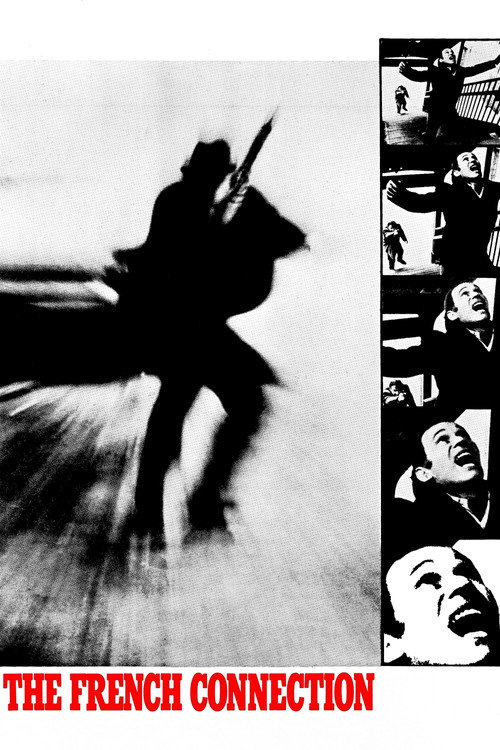
The French Connection1971
The definitive '70s drug-war procedural: patient, detailed, and driven by an obsessive cop willing to break rules. If you loved Hit's griminess and European chase sequences, this is essential.
But Slower than you'd expect from an action film, with long stretches of surveillance and paperwork that won't satisfy anyone wanting constant movement.
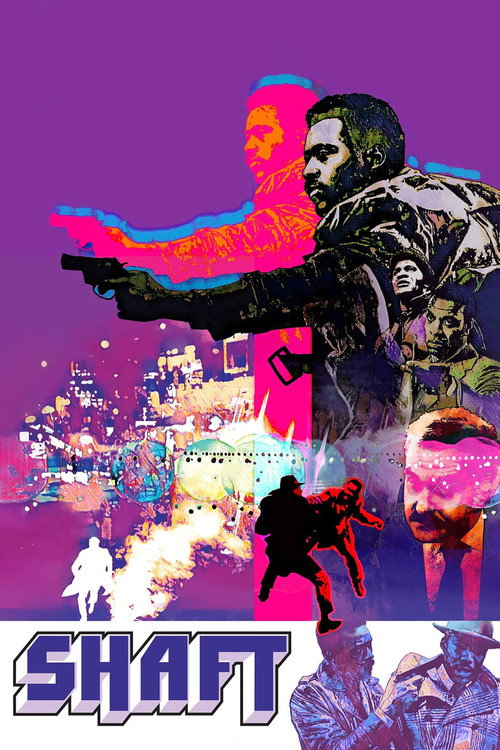
Shaft1971
Black detective navigating a corrupt system with style and rage. Like Hit, it's a '70s crime film that uses its Black cast and perspective as its foundation, not window dressing. Propulsive and muscular.
But The dialogue and slang are so specifically 1971 that some modern viewers find it campy, even though it wasn't meant to be.
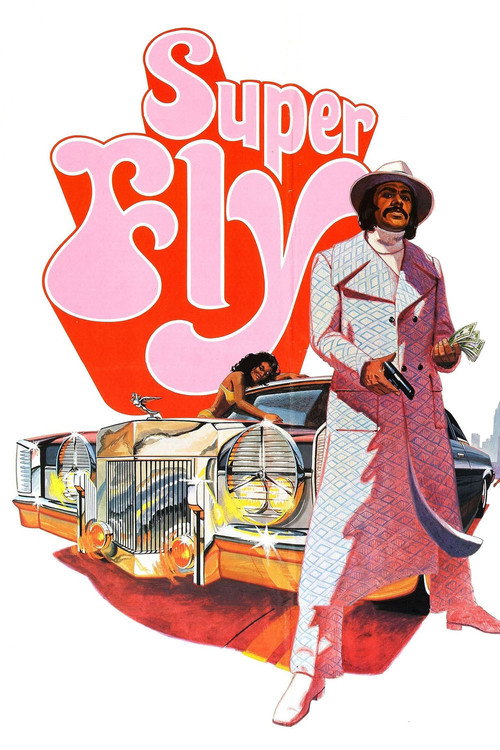
Super Fly1972
A dealer planning one last score. It has Hit's moral complexity—you're rooting for someone doing terrible things—plus Curtis Mayfield's immortal score. Stylish, cynical, and utterly of its moment.
But Shorter than Hit and some find it slight compared to its reputation, though the style paper over any structural weakness.
Not sure tonight? Get a pick in a minute, starting from Hit!
The wildcard
Something you would not have found on your own.
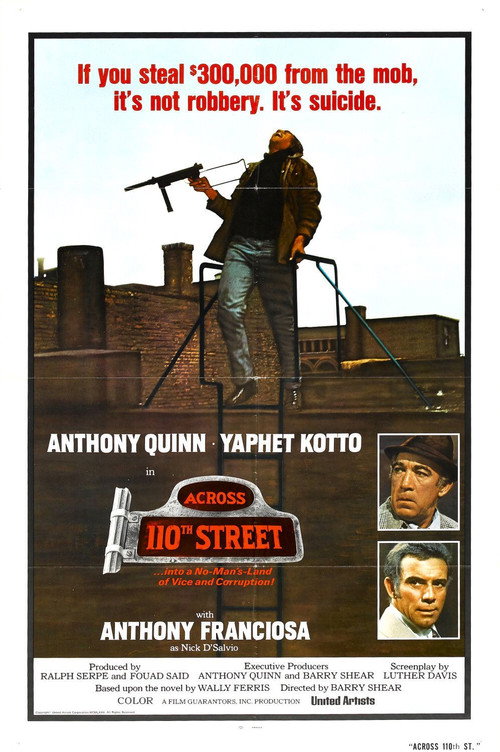
Across 110th Street1972
Both are ensemble crime films where the machinery of justice and the drug trade are two sides of the same coin, and the film refuses to let you feel clean watching either.
A robbery, two detectives (one Black, one white) pursuing it through Harlem, and a moral geography where everyone—crooks and cops—exists in the same corrupted ecosystem. Same year as Shaft, same conviction that the system is what's criminal.
But Rough, episodic, and doesn't resolve neatly. Some viewers find the structure meandering, though that's precisely its point about a city that doesn't care about narrative closure.
More like this (8)
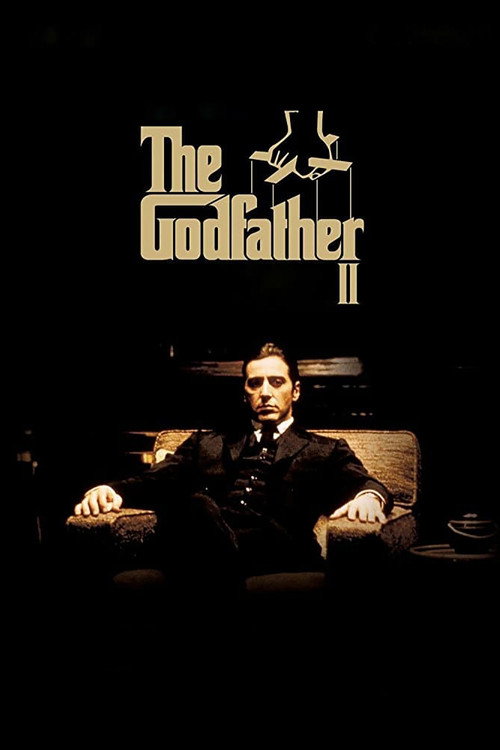
The Godfather Part II1974
An epic that does what Hit reaches for: sprawling, morally corrosive, moving between crime and consequence across continents. Infinitely more resources, but the same DNA about power, loyalty, and rot.
But Nearly four hours and demands patience. Its scope can feel overwhelming if you want something tighter and meaner.
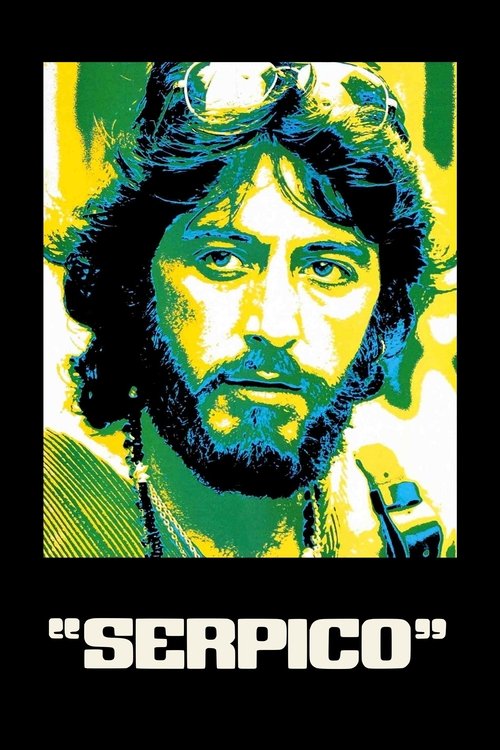
Serpico1973
Al Pacino as an honest cop in a corrupt system, hunted from within. Released the same year as Hit, it shares that period's willingness to show institutions as hopelessly compromised.
But Biographical and somewhat reverential toward its subject in ways that undercut the anger Hit maintains throughout.
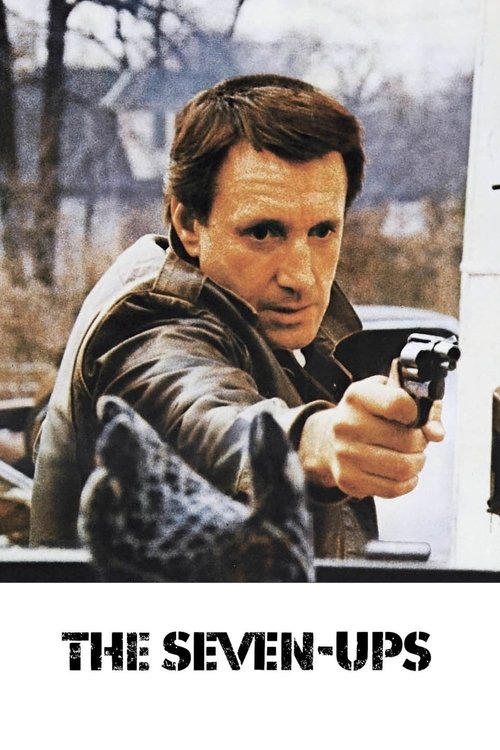
The Seven-Ups1973
A squad targeting major criminals. Another 1973 film with the same gritty New York feel, car chases that feel real, and supporting actors bringing actual weight to their roles.
But Less well-remembered than it deserves, possibly because it doesn't have a star pulling focus—which is also why it's so good.
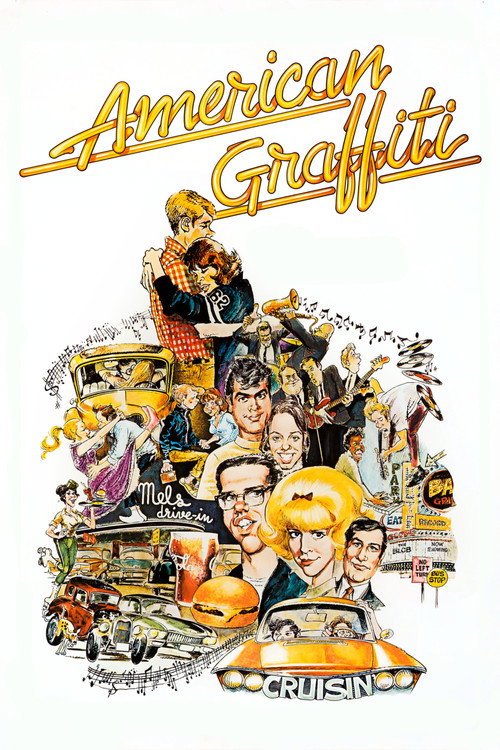
American Graffiti1973
George Lucas's ensemble piece set in one night. Like Hit, it juggles multiple characters, uses the period setting as texture not costume, and finds depth in small interactions.
But It's not a crime film; the tonal shift from Hit might feel jarring if you want more of the same darkness.
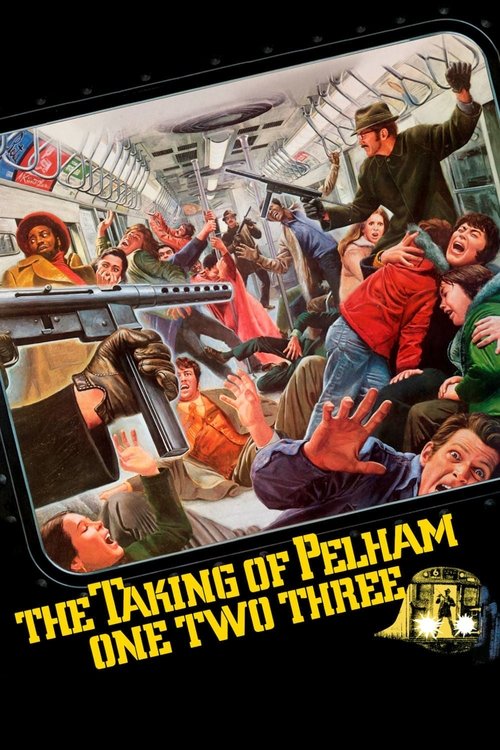
The Taking of Pelham One Two Three1974
Criminals and cops in real time over a subway crisis. Terrifically entertaining, with the same '70s grime and the sense that the city itself is a character trying to grind you down.
But Straightforward thriller without the moral weight Hit carries; lighter fare even when it's tense.
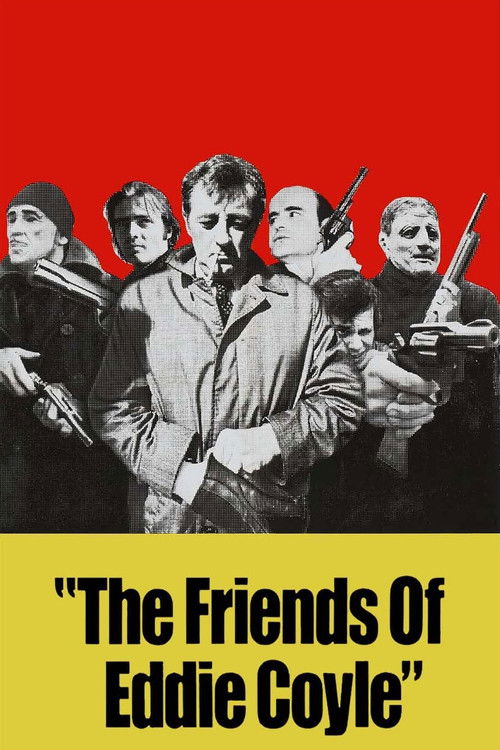
The Friends of Eddie Coyle1973
A career criminal facing the end. Quiet, novelistic, and brutally unsentimental about how the system uses people and discards them. Robert Mitchum is perfect.
But Deliberately anticlimactic and reflective rather than exciting; asks you to mourn a man society has already forgotten.
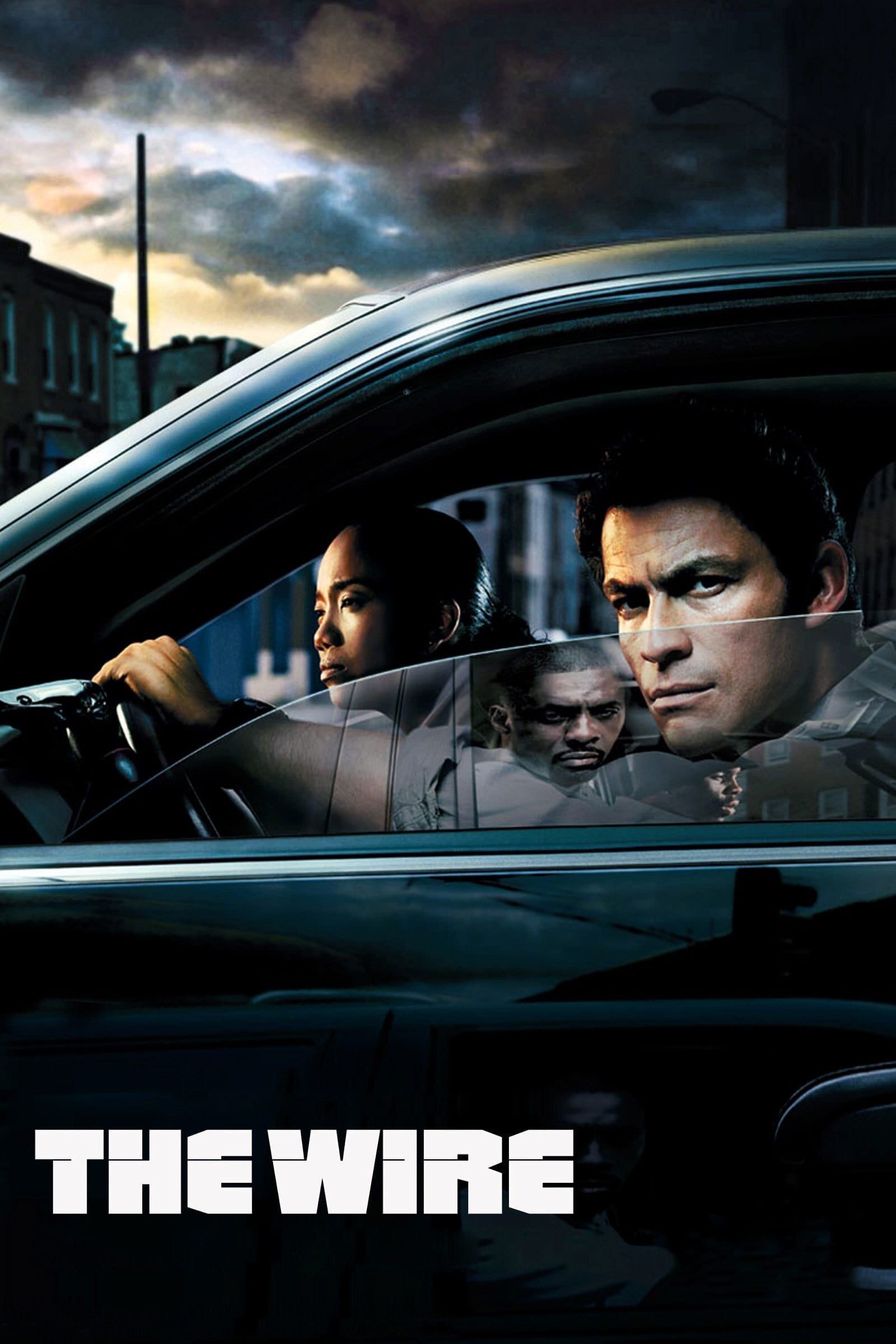
The Wire2002
Hit's revenge plot versus The Wire's systematic anatomy of the same problem. One is emotion seeking catharsis; the other is reason showing why catharsis is impossible. Watch them back-to-back and you'll understand why the second is necessary.
Five seasons examining Baltimore's drug trade from dealer to mayor. HBO's series does what Hit aims for across a city's systems: showing how power corrupts absolutely, how good people enable evil, and how rage alone never solves anything.
But Slow to start, dense with characters, and demands real attention. It's a novel you have to read carefully, not a film you can half-watch.
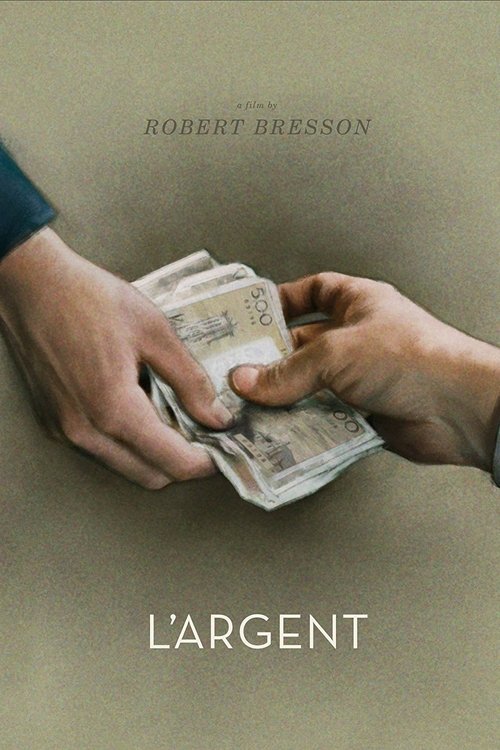
L'Argent1983
Hit asks if violence can fix what violence broke. L'argent demonstrates why it can't—that desire for solution is itself the error. Different registers, same wound.
Bresson's final film: a counterfeit bill destroys a man's life, which destroys another, which destroys another. Austere, mathematical, and devastating. Not about crime solving crime, but about how the system grinds innocents.
But Slow, sparse, and emotionally distant. Bresson shows suffering without sentiment, which some find cold, though it's actually mercy.
People
Cast
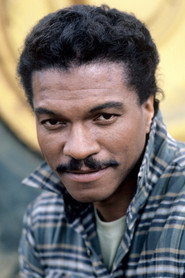 Billy Dee WilliamsNick Allen
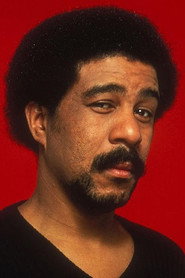 Richard PryorMike Willmer
- Paul HamptonBarry Strong
 Gwen WellesSherry Nielson
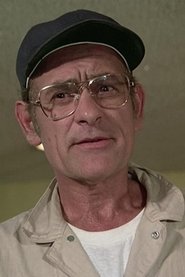 Warren J. KemmerlingDutch Schiller
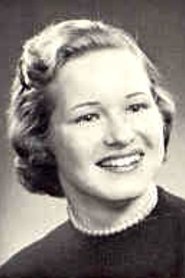 Janet BrandtIda
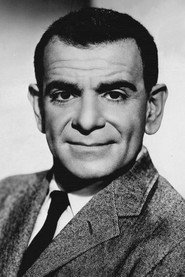 Sid MeltonHerman
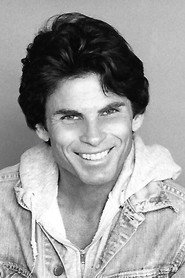 Zooey HallCarlin
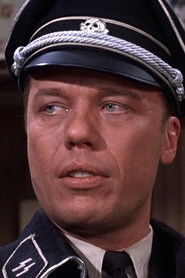 Todd MartinCrosby
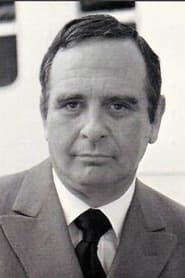 Norman BurtonThe Director
 Jenny AstrucMmme. Frelou
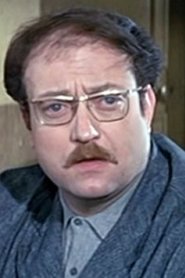 Yves BarsacqRomain
Directing
- Sidney J. FurieDirector
- Robin S. ClarkFirst Assistant Director
- Terry TerrillScript Supervisor
- Robert GranerSecond Assistant Director
Writing
- Alan TrustmanWriter
- David M. WolfWriter
Production
- Gray FredericksonExecutive Producer
- Harry KorshakProducer
- Robin S. ClarkProduction Manager