
Film
L'Argent
Other titles called L'Argent: the 1983 film.
Marcel L'Herbier's silent epic follows a charismatic banker's rise and catastrophic fall in 1920s Paris, driven by greed and speculation. Visually audacious—all geometric sets, dramatic lighting, dizzying camera movement—it's a film that *moves*, where money itself becomes a character. A masterpiece for those hungry for cinema's formal possibilities and moral reckoning with capitalism.
If you liked this
Sunrise: A Song of Two Humans1927
Murnau's masterpiece of visual storytelling without dialogue. Like L'Argent, it uses every tool of cinematic form—shadow, composition, camera motion—to express inner turmoil. A stunning companion piece from the same year.
But It moves slowly by modern standards, and the emotional beats are conveyed entirely through image and performance, not exposition.

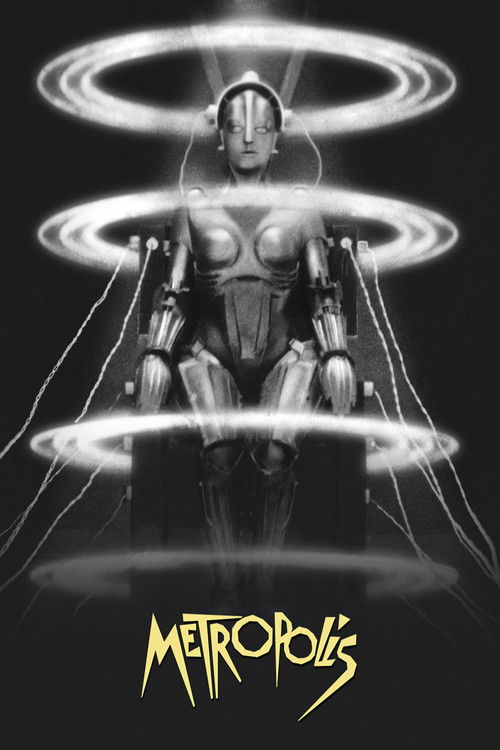
Metropolis1927
Fritz Lang's futurist vision shares L'Argent's critique of greed and social collapse, plus the same operatic scale and visual invention. Both use spectacular set design to make ideology visible.
But The restored version is long, and both films demand active watching—you cannot half-watch them and expect payoff.
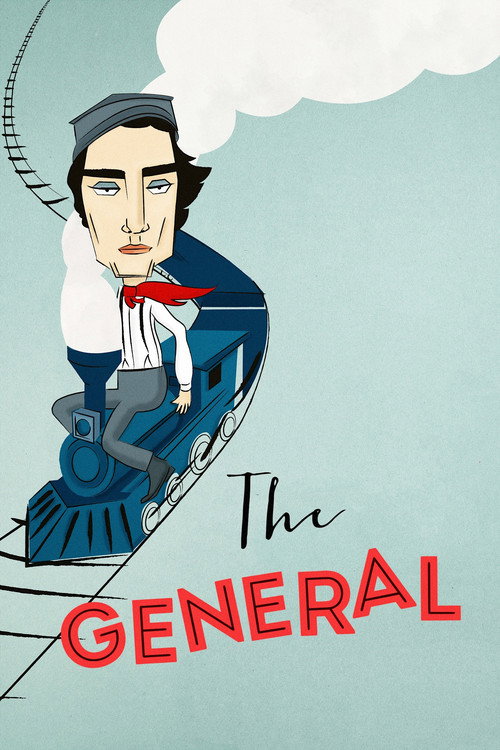
The General1926
Buster Keaton's comedy of precise, escalating chaos. Like L'Argent, it's pure cinema—no intertitles needed, just perfect visual narration. Different tone, same mastery of form.
But It's a comedy, so if you're in the mood for moral weight, the lightness might feel like whimsy rather than genius.
Not sure tonight? Get a pick in a minute, starting from L'Argent
The wildcard
Something you would not have found on your own.
The Red Shoes1948
Both are structured as moral spirals: the protagonist's vision becomes indistinguishable from their self-destruction. Both ask if greatness requires sacrifice, and whether that's tragedy or just logic.
Powell and Pressburger's obsession with artistic ambition and the cost of creation echoes L'Argent's portrait of ambition consuming the ambitious. Here it's ballet, not banking, but the engine is identical: desire as a force that destroys.
But It's in Technicolor and uses an entirely different visual language—if you come for silent-film austerity, the beauty might feel like betrayal.

More like this (7)
The Phantom Carriage1921
Sjöström's haunting Swedish masterpiece also uses cinematography as a storytelling engine, with supernatural elements amplifying emotional and moral truth. That same weightlessness and visual poetry.
But It's melancholic and slow-moving, with a supernatural register that might feel dated if you're expecting realism.

Intolerance: Love's Struggle Throughout the Ages1916
D.W. Griffith's ambitious four-story epic about power and money across history. Massive scale, cutting-edge technique, and a clear-eyed view of how systems crush individuals. Visionary and vast.
But At nearly four hours, it's exhausting. The narratives don't always click together, and the pacing can feel elephantine.

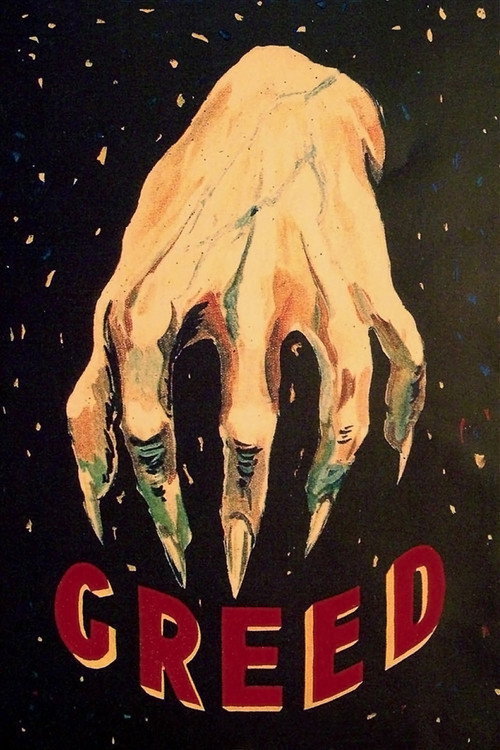
Greed1924
Stroheim's adaptation of *McTeague* traces obsession and moral decay with the same unflinching eye L'Argent applies to money. Both believe form and obsession go hand-in-hand.
But Stroheim's pacing is glacial, and the moral ugliness builds relentlessly—it's punishing by design.
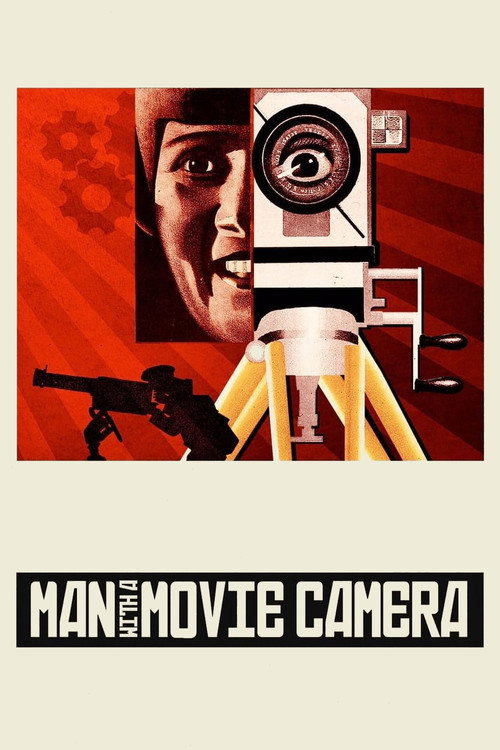
Man with a Movie Camera1929
Dziga Vertov's documentary symphony of urban life uses montage and camera tricks as language itself. A pure celebration of cinema's capacity to shape perception—the same impulse that animates L'Argent.
But It has no plot, dialogue, or traditional narrative. If you need story, you'll be frustrated.
Pandora's Box1929
Pabst's portrait of fatal desire and social decay, with Brigitte Helm (who's brilliant in L'Argent). Same Weimar sensibility, same conviction that desire and money are intertwined forces.
But It's bleak and sexually frank for 1929—the despair can feel relentless and the ending is devastating.

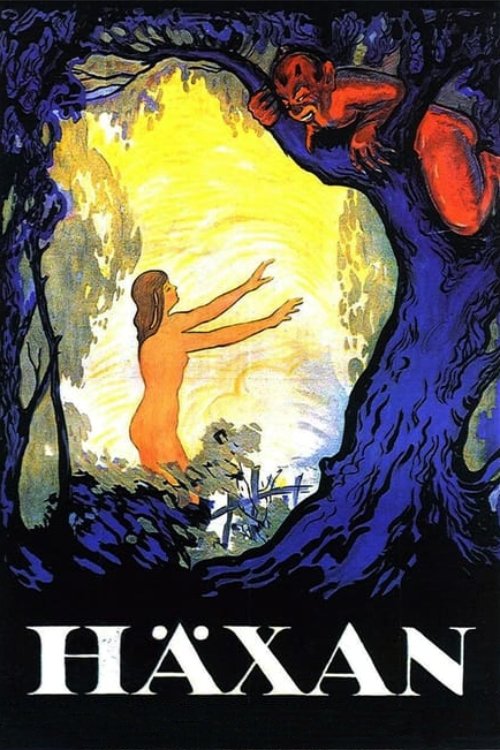
Häxan1922
Christensen's occult documentary-drama uses cinema trickery to make the invisible visible, just as L'Herbier uses formal technique to embody financial abstraction. Both are experiments in filming the immaterial.
But It's a strange, unclassifiable thing that veers between education and nightmare—it won't sit still for you.
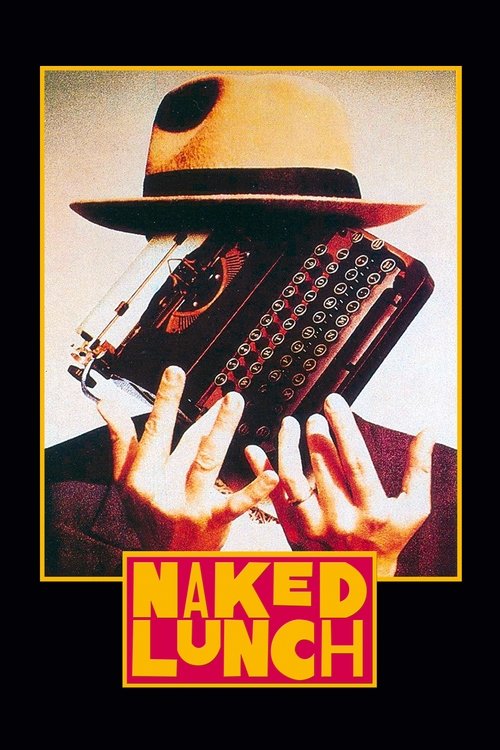
Naked Lunch1991
Both use cinema to render invisible forces (money, addiction, power) as palpable, bodily experiences. L'Herbier uses geometry and light; Cronenberg uses mutation and bodily horror. Same impulse, opposite aesthetics.
Cronenberg's adaptation of Burroughs' hallucinatory novel about addiction, corruption, and hallucination. Like L'Argent, it makes abstraction physical and visible—money becomes flesh, capitalism becomes disease. Visually transgressive and genuinely disorienting.
But It's deliberately incoherent, graphic, and grotesque. If clarity and beauty matter to you, this will feel like punishment.
People
Cast
 Pierre AlcoverNicolas Saccard
 Brigitte HelmBaronin Sandorf
 Henry VictorJacques Hamelin
 Marie GloryLine
 Alfred AbelAlphonse Gunderman
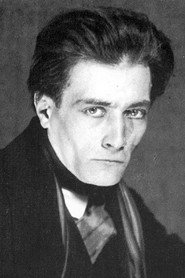 Antonin ArtaudMazaud
- Jules BerryHuret
 Yvette GuilbertLa Méchain

Directing
- Marcel L'HerbierDirector
Writing
- Émile ZolaNovel
- Arthur BernèdeScreenplay
- Marcel L'HerbierWriter
Production
- Jean SapeneProducer