
Film
Spies
Fritz Lang's 1928 masterpiece of espionage and desire. A silent thriller about a spy network, seduction, and the collision between duty and passion. Kinetic, visually baroque, genuinely tense—and proof that silent cinema could do psychological complexity as well as spectacle. For anyone who thinks silent film is slow or quaint.
Should you watch it?
Watch it if you love silent crime cinema built on elaborate machinery, where a villain's obsessive control of his web of informants is as thrilling as any chase.
Skip it if you need dialogue and quick cuts to stay hooked, since this is a patient, long silent picture where the intrigue unfolds through staging and gesture rather than talk.
What it asks of you: Nearly two and a half hours of unhurried, meticulous plotting, with romance and surveillance woven slowly rather than rushed.
Not sure? Find tonight's pick in a minute.
If you liked this
Metropolis1927
Lang's most famous work, equally ambitious in scale and vision. Futuristic, romantic, devastating—a complete world built on screen. The template for science fiction as social allegory.
But The pacing is deliberate. Some versions are incomplete or poorly restored. It demands patience, and that's before you've committed to two and a half hours.

M1931
Lang's sound debut: a city gripped by a child murderer, a detective closing in, and a criminal underworld taking justice into its own hands. Morally unsparing, visually inventive, one of cinema's great thrillers.
But The subject matter is genuinely dark. The social commentary can feel heavy-handed. And Peter Lorre's performance, though extraordinary, is so unsettling it stays with you uneasily.

Sunrise: A Song of Two Humans1927
Murnau's chamber piece about infidelity and redemption. A man is tempted to murder his wife; instead, the film becomes about forgiveness and the fragility of marriage. Tender, visually sophisticated, human-scaled.
But It's less kinetic than Lang—more poetic, less plot-driven. If you're after espionage thrills, this is quieter and more introspective.

Not sure tonight? Get a pick in a minute, starting from Spies
The wildcard
Something you would not have found on your own.
Intolerance: Love's Struggle Throughout the Ages1916
Both are films that use scale, spectacle, and cutting-edge technique to tell stories about hidden networks and power—but Griffith spreads across history while Lang compresses into a single, tense present.
D.W. Griffith's four-part epic across centuries, arguing that intolerance causes all human suffering. A technical marvel—parallel editing on a scale no one had attempted. Ambitious almost to the point of madness, visually staggering.
But It's nearly four hours long and structurally experimental—cutting between four stories, which can be disorienting. Griffith's didacticism is relentless, and the politics are complicated by his other work.

More like this (8)
Pandora's Box1929
Pabst's tragic masterpiece about Lulu, a woman whose sexuality destroys everyone around her, including herself. Louise Brooks is hypnotic. A study in how desire and ambition can become weapons.
But Bleak and sexually explicit for 1929. The fatalism is complete—no one learns, no one escapes. If you need hope in your narrative, this will frustrate you.

The Phantom Carriage1921
Sjöström's ghost story about a drunken man visited on New Year's Eve by a phantom who shows him his wasted life. Haunting, visually inventive, genuinely moving about regret and redemption.
But Swedish melodrama, which means it's earnest about emotions in ways modern audiences can find over-the-top. The supernatural premise isn't played for scares.

Battleship Potemkin1925
Eisenstein's revolutionary montage-driven account of a naval mutiny. The Odessa Steps sequence alone changed cinema. Propagandistic, yes, but formally brilliant and genuinely kinetic.
But It's a political film with a message, which means subtlety isn't the priority. The acting style is operatic by modern standards. It can feel like watching ideas rather than characters.

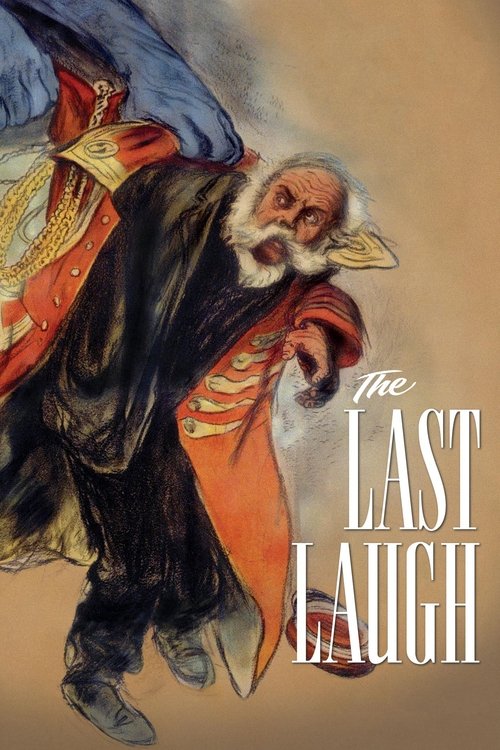
The Last Laugh1924
Murnau's camera-driven tragedy about a doorman's humiliation. Nearly plotless, entirely visual—the camera moves, flows, distorts to match emotion. A masterclass in cinematic storytelling without intertitles.
But Virtually no plot in the conventional sense. The emotional register is resigned and melancholic. If you need narrative propulsion, you'll find it glacial.
Nosferatu1922
Murnau's Dracula adaptation—the vampire as plague, as inevitability, as dread made visible. Shadows and silhouettes used to suggest terror. Still genuinely unsettling a century later.
But The pacing is slow and ritualistic. It's more atmosphere than action. And the print quality varies wildly; what you watch depends heavily on which restoration you find.

The Cabinet of Dr. Caligari1920
Wiene's Expressionist fever dream about a somnambulist forced to murder by a mad hypnotist. Warped sets, psychological horror, a twist that recontextualizes everything. A cornerstone of German cinema.
But The distorted geometry and stagey acting can seem camp to modern eyes. The narrative is deliberately unreliable. It's more interested in mood and unease than plot clarity.

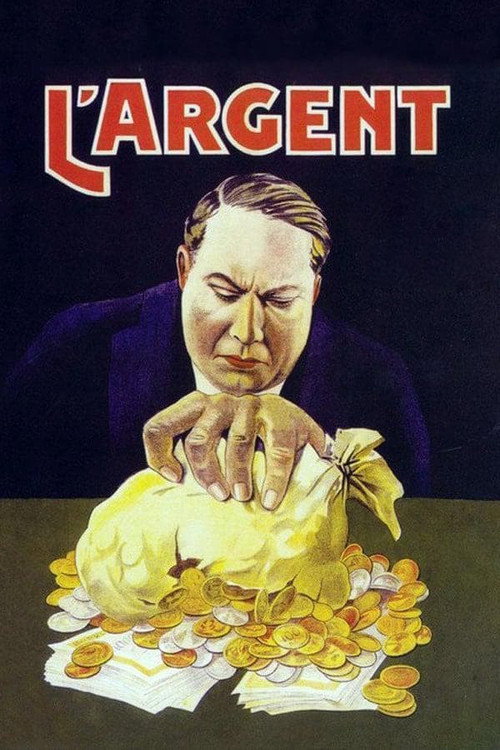
L'Argent1928
Both follow a chain of cause and effect through a society, with individuals caught in systems larger than themselves. But where Lang's spy network is deliberately concealed, Bresson's moral machinery is invisible until it's too late.
Bresson's final film—a young man inherits counterfeit notes that destroy everyone who touches them. A meditation on fate, guilt, and moral causation. Austere, hypnotic, spiritually devastating. Bresson would make it again later in sound; this silent version is purer.
But Slow by any standard. Bresson's style is minimalist to the point of severity—no music, no performance, every gesture economical. It requires active attention; it gives nothing easily.
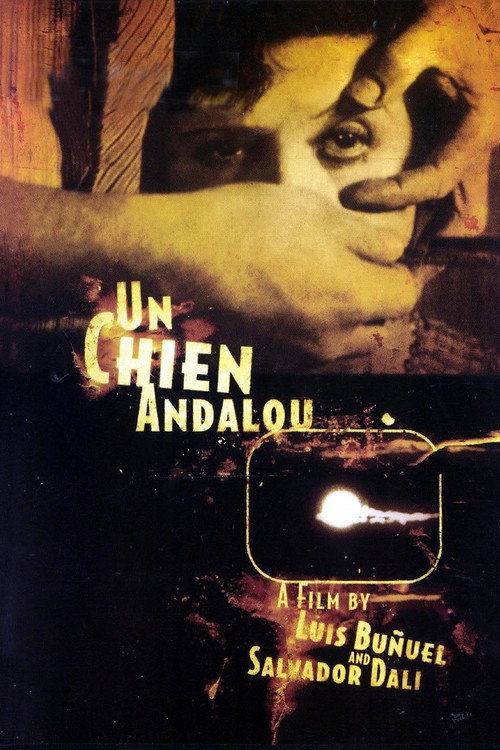
Un Chien Andalou1929
Where Spies is about hidden identities and concealment within rational systems, Buñuel dissolves all systems entirely. Both ask what lies beneath surfaces, but Buñuel answers with dreams and Freud rather than espionage.
Buñuel and Dalí's sixteen-minute surrealist short: no plot, no logic, images that follow dream logic and the unconscious. Shocking, funny, disorienting in the best way. An antidote to plot-driven narrative.
But It's deliberately irrational and grotesque. There's violence and sexual imagery. It offers no meaning, only sensation and provocation—some find that liberating, others find it pointless.
People
Cast
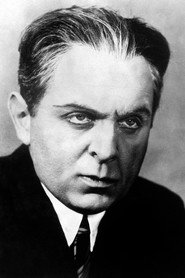 Rudolf Klein-RoggeHaghi
 Gerda MaurusSonya Baranilkowa
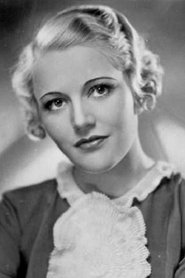 Lien DeyersKitty
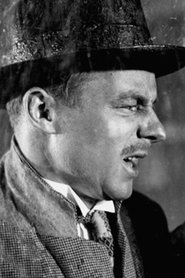 Louis RalphHans Morrier
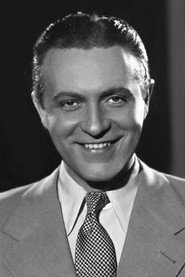 Willy FritschNo. 326
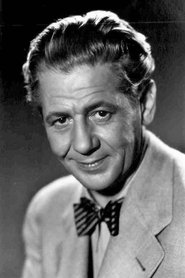 Paul HörbigerFranz, Chauffeur von "No. 326"
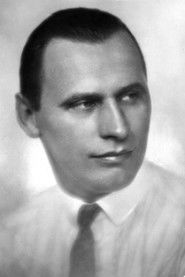 Fritz RaspCol. Jellusic - Ivan Stepanov
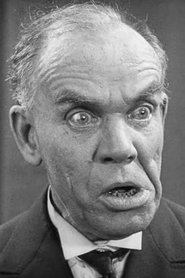 Craighall SherryBurton Jason / Miles Jason
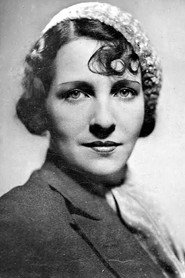 Hertha von WaltherLady Leslane
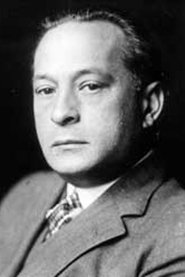 Lupu PickDr. Masimoto
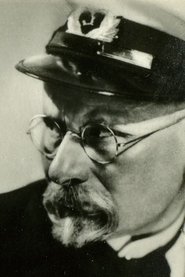 Julius FalkensteinHotelmanager (uncredited)
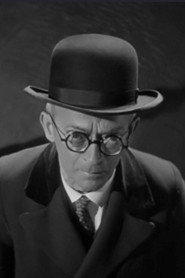 Heinrich GothoPoliceman at the end (uncredited)
Directing
- Fritz LangDirector
Writing
- Thea von HarbouNovel
- Thea von HarbouScreenplay
- Fritz LangWriter
Production
- Erich PommerProducer