
Film
The Crimson Ghost
A 1946 serial adventure where a mysterious villain in a skull mask pursues a powerful electrical weapon. Episodic, pulpy, and packed with cliffhangers, stunts, and creaky special effects. For anyone curious how Saturday matinees once held audiences rapt, or who loves vintage adventure stripped of modern irony.
If you liked this
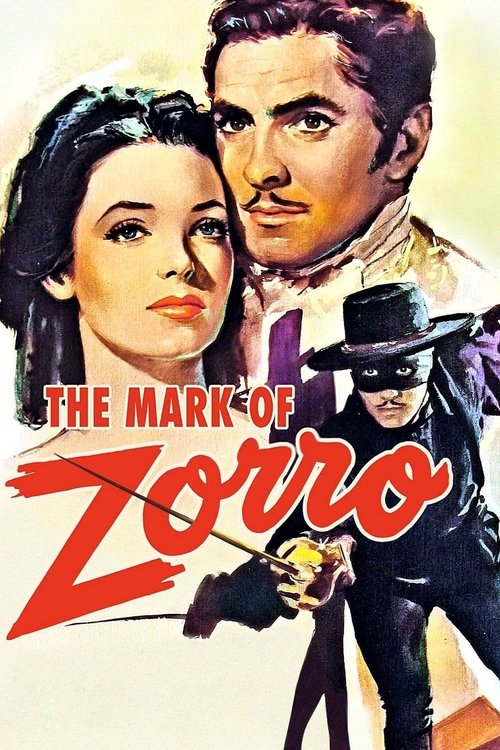
The Mark of Zorro1940
Tyrone Power as the charming swordsman fighting tyranny in Old California. The template for every masked hero since: elegance, humor, genuine swashbuckling craft. Essential cinema that still moves.
But Slower pacing than modern action. The romance subplot will feel slight to contemporary viewers, though it's the film's emotional core.
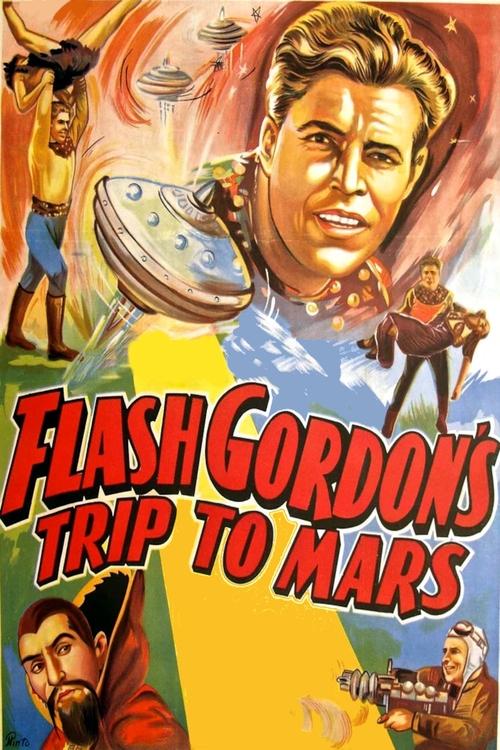
Flash Gordon's Trip to Mars1938
Buster Crabbe, rocket ships, death rays, and a genuinely weird aesthetic. The serial form at its most confident, with Ming the Merciless and otherworldly sets that still charm. Pure escape.
But Extremely dated acting and effects. The plot exists only to string together action beats; if you need narrative coherence, this isn't it.
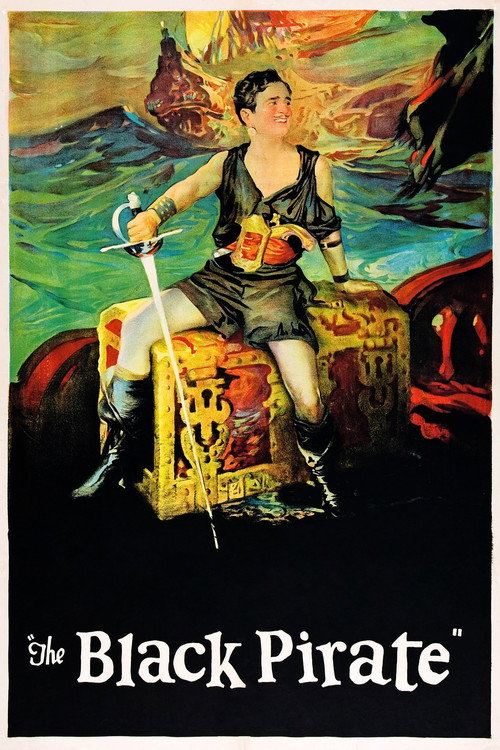
The Black Pirate1926
Douglas Fairbanks in full acrobatic glory: sword fights, ship escapes, ingenuity as the hero's real weapon. Silently masterful in ways sound later buried. A direct ancestor to what The Crimson Ghost is chasing.
But Silent film demands adjustment. No dialogue means zero exposition; you either read intertitles or feel lost.
Not sure tonight? Get a pick in a minute, starting from The Crimson Ghost
The wildcard
Something you would not have found on your own.
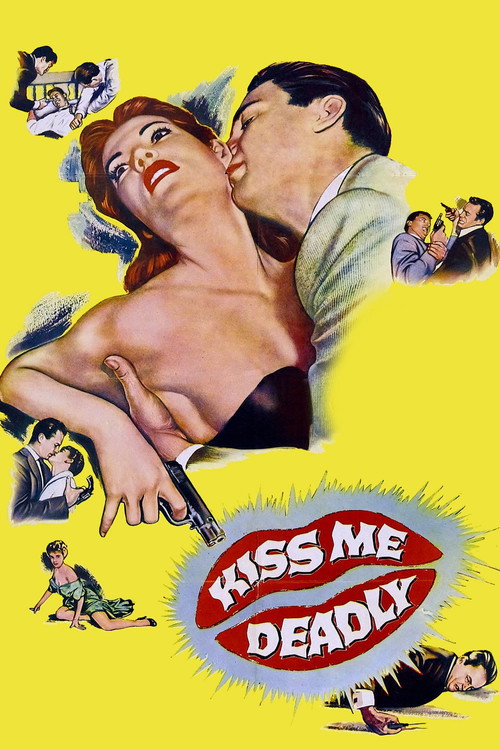
Kiss Me Deadly1955
Both chase a world-ending device. But Aldrich asked what pulp adventure would look like if the world really were as dark as the villain's mask. Serial innocence replaced with atomic paranoia.
Robert Aldrich's violent, hallucinatory noir about a private eye chasing a MacGuffin called 'the great whatsit.' Surreal, brutal, morally blank—it takes the serial's pursuit-and-device plot and submerges it in atomic dread and corruption.
But Nihilistic. Violence is ugly, not heroic. The ending is ambiguous and apocalyptic; if you want triumph, this offers only ruin. Also: older than you might expect for the style.
More like this (5)
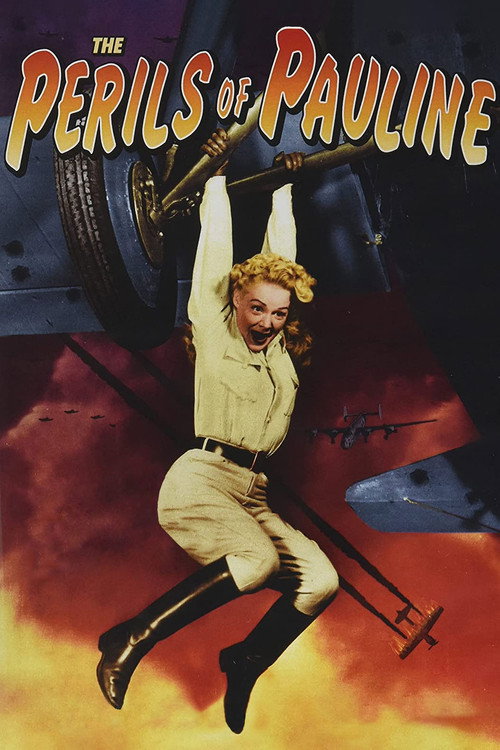
The Perils of Pauline1947
Betty Hutton in a loving pastiche of serial adventure itself. Self-aware fun about cliffhangers and damsels, but with genuine period charm and one of cinema's most winning performances.
But Campy tone isn't for everyone. If you want your adventure played straight, the winking will annoy you.
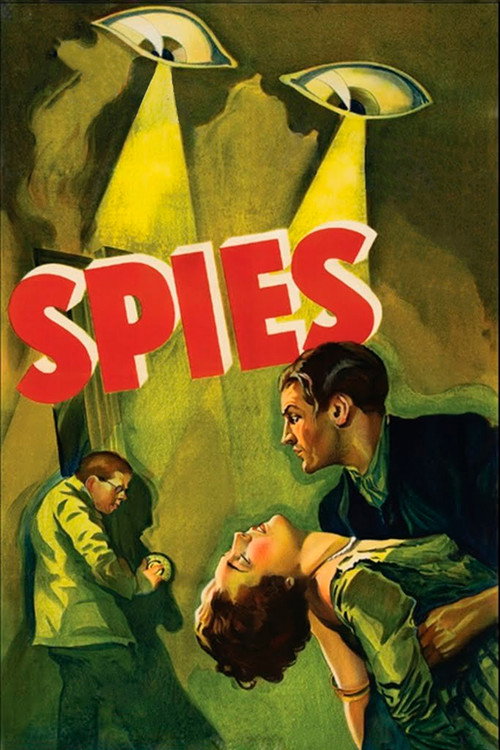
Spies1928
Fritz Lang's silent spy thriller. Criminal masterminds, gadgets, double-crosses, and a pace that hasn't aged a day. The visual language is pure cinema—no dialogue needed.
But Silent film. Long stretches of plot development with minimal action. Requires active viewing rather than passive entertainment.
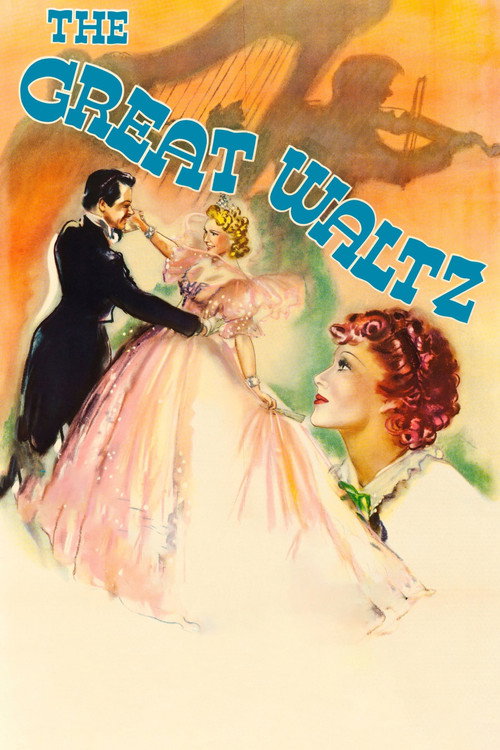
The Great Waltz1938
MGM spectacle at peak opulence. No daring escapes or masked villains, but the same 1930s-40s studio craftsmanship that made serials tick—everything built, designed, performed with care.
But Musical biography about Strauss. If you came for adventure, this is the opposite; it's meditative and romantic.
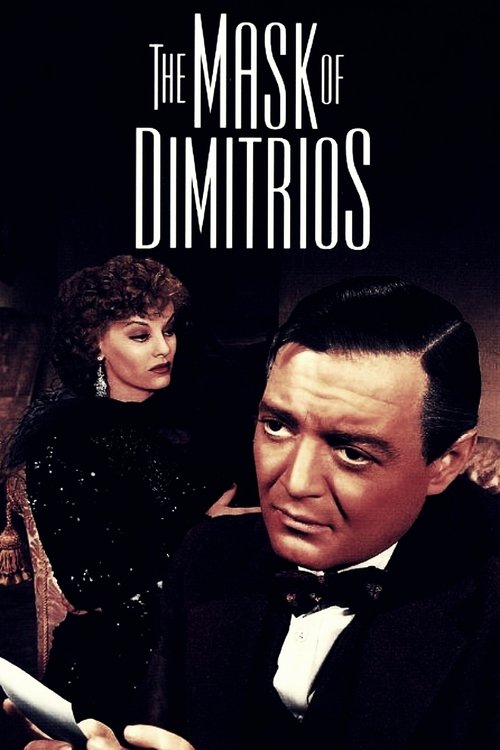
The Mask of Dimitrios1944
Peter Lorre and Sydney Greenstreet in a stylish crime thriller with genuine noir atmosphere. A criminal mastermind seen through shadows and moral ambiguity, far more sophisticated than pulp adventure.
But Slow burn. The pleasure is in mood and intrigue, not action; if you want spectacle, you'll find this talky and internal.
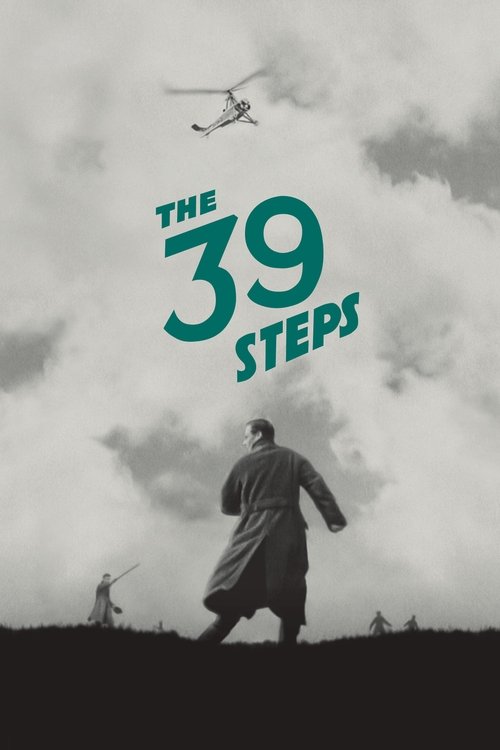
The 39 Steps1935
Hitchcock's perfect thriller: chase, conspiracy, wrongful accusation, and a pace that feels modern even now. The prototype for intelligent adventure that thinks while it runs.
But British restraint. The emotional register is dry; some will find it cool rather than thrilling.
People
Cast
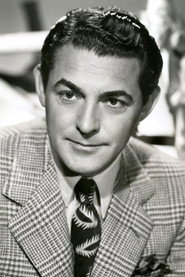 Charles QuigleyDuncan Richards
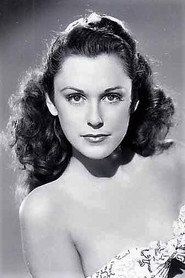 Linda StirlingDiana Farnsworth
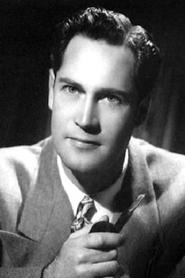 Clayton MooreLouis Ashe
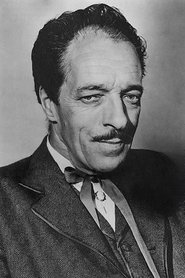 I. Stanford JolleyDr. Blackton [Ch. 11]
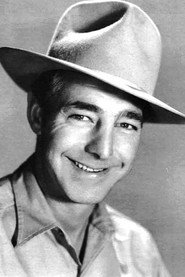 Kenne DuncanDr. Chambers [Chs. 1-2, 8]
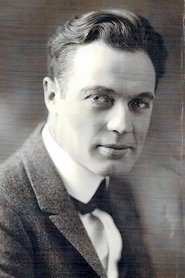 Forrest TaylorProf. Van Wyck
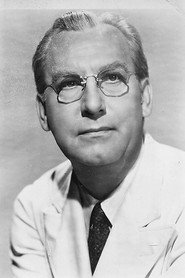 Emmett VoganAnderson [Chs. 1-4]
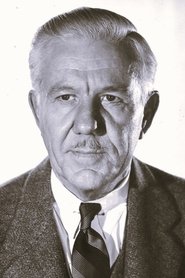 Sam FlintMaxwell
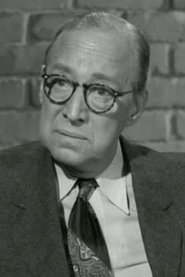 Joseph ForteProf. Parker (as Joe Forte)
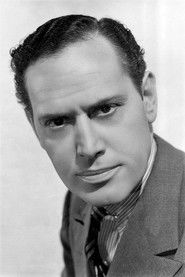 Stanley PriceCount Fator [Chs. 11-12]
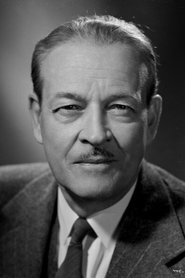 Wheaton ChambersWilson [Ch. 1]
- Tom SteeleHenchman Stricker [Chs. 4, 7, 9]
Directing
- Fred C. BrannonDirector
- William WitneyDirector
Writing
- Albert DeMondScreenplay
- Basil DickeyScreenplay
- Jesse DuffyScreenplay
- Sol ShorScreenplay
Production
- Ronald DavidsonAssociate Producer