
Film
Zorro's Fighting Legion
A 1939 serial following Zorro as he leads a fighting legion against a villain called Don Del Oro and his Yaqui conspirators. Shot in twelve fast-moving chapters, it's pure swashbuckling spectacle—sword fights, masked heroics, and adventure piled on adventure. For anyone who wants their thrills served without irony or hesitation.
Should you watch it?
Watch it if you love old-fashioned swashbuckling serials where the masked hero keeps slipping in and out of trouble, and the chapter breaks are engineered to pull you onward.
Skip it if you need tight, modern pacing, since this runs over three hours of creaky dialogue, broad acting and repeated fight-and-escape set pieces that can drag.
What it asks of you: About three and a half hours, split into chapter-sized chunks, with horseback chases and sword fights, so it wants patience for stretches of plain talk between the action.
Not sure? Find tonight's pick in a minute.
If you liked this
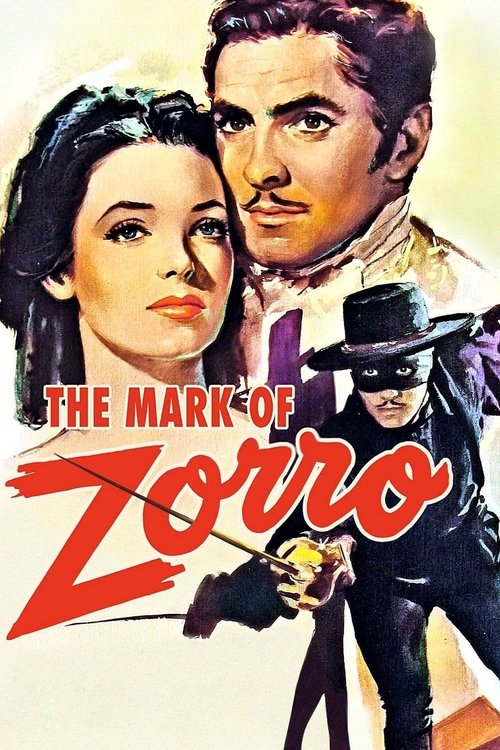
The Mark of Zorro1940
Tyrone Power's definitive Zorro, made just a year after this serial. It's the template: wit, elegance, genuine stakes. More polished and romantic than the serial, but the same DNA.
But It's a Hollywood smoothing of the rougher serial energy. If you want pure chapter-play velocity, this refines it into something more sophisticated, which some find dilutes the fun.
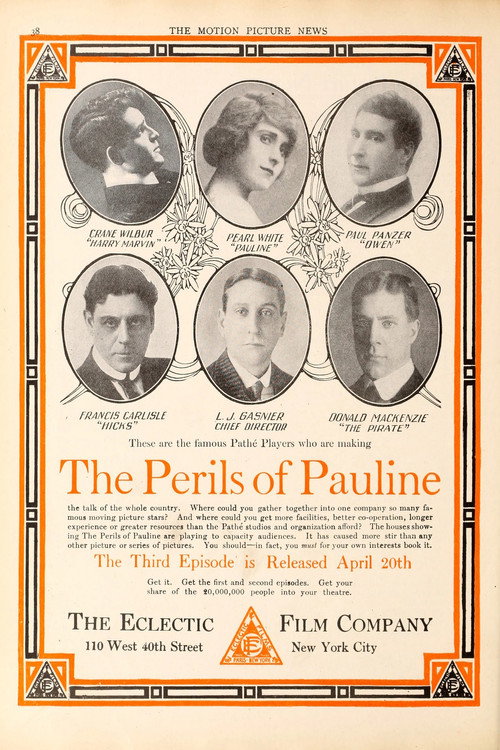
The Perils of Pauline1914
The serial that invented the form. Pearl White hanging from cliffs, escaping death traps weekly. This is the direct ancestor of what you're watching—the template for everything that follows.
But Silent, obviously, and the pacing is genuinely alien to modern viewing. The melodrama is so heightened it can feel camp, even if it wasn't meant to be.
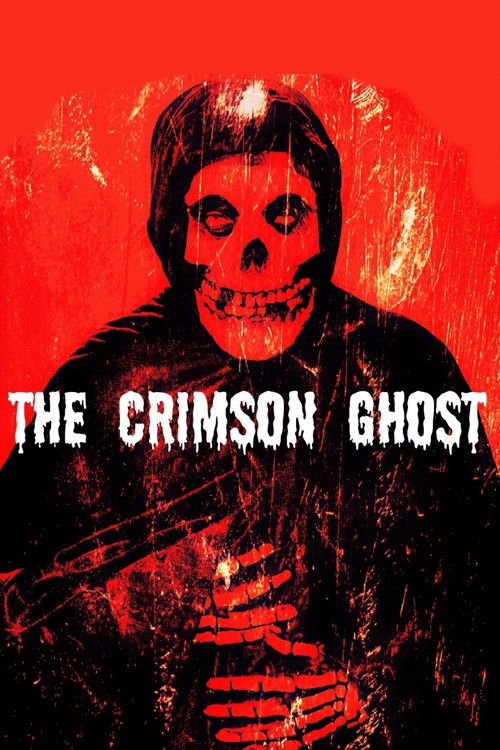
The Crimson Ghost1946
Another twelve-chapter serial from the same era, same spirit. A masked avenger, outlandish plots, relentless cliffhangers. If you loved the propulsive energy of Zorro's Fighting Legion, this delivers identical thrills.
But It hasn't aged better. The acting is broad, the logic is nonexistent. You're either on board with serial storytelling or you're not.
Not sure tonight? Get a pick in a minute, starting from Zorro's Fighting Legion
The wildcard
Something you would not have found on your own.
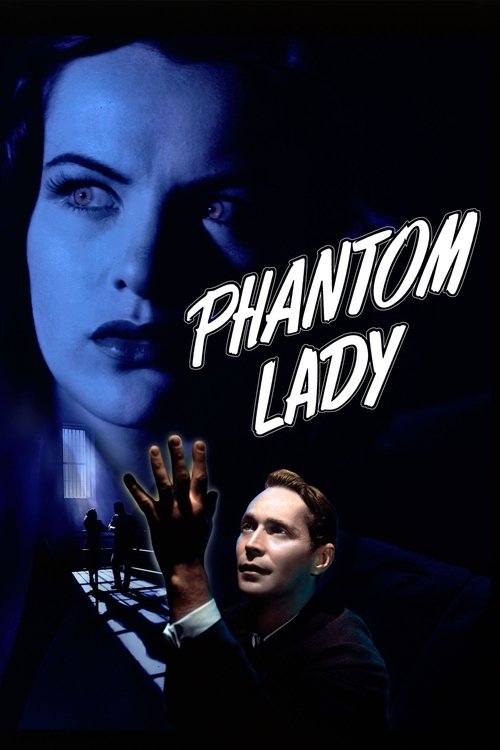
Phantom Lady1944
Both rely on hidden identities and elaborate deception to fight injustice, but one does it in sunlight with a sword and one does it in darkness with lies.
A film noir about disguise, deception, and a woman building an elaborate ruse to trap a killer. It's the same engine as Zorro—secret identities, masks (though metaphorical), a protagonist using misdirection as a weapon—but painted in shadows and moral ambiguity instead of adventure.
But It's a thriller, not an adventure. Dark, often claustrophobic, with no heroes in masks fighting tyranny—just flawed people in danger. The mood is paranoid, not exhilarating.
More like this (8)
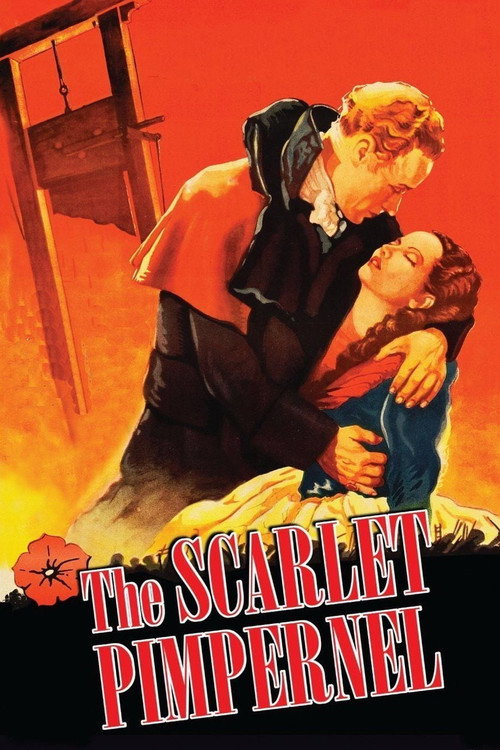
The Scarlet Pimpernel1934
Leslie Howard as an English aristocrat who's secretly an adventurer saving lives during the Terror. The same class-clash comedy, the secret identity thrill, and swashbuckling action. Beautifully made.
But It's slower and more romantic than a serial. The adventure is wrapped in drawing-room wit, which some find distracting from the action.
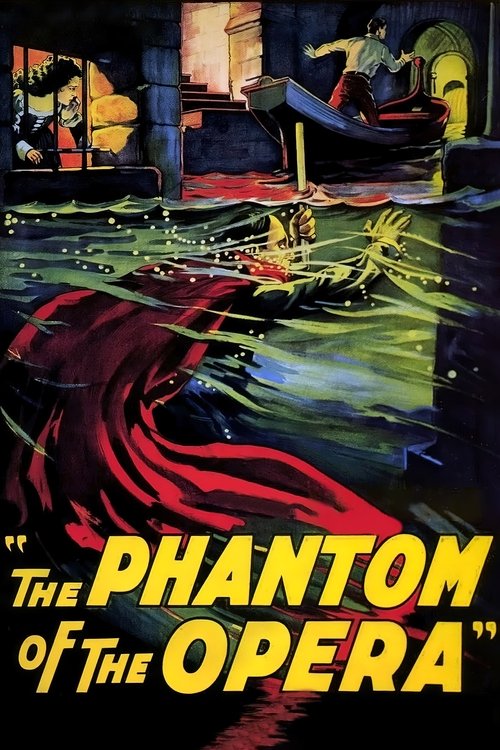
The Phantom of the Opera1925
Lon Chaney in the silent original, dripping with gothic atmosphere and practical effects spectacle. A masked figure, elaborate sets, genuine horror wrapped in melodrama. The operatic register is completely different from the serial.
But Silent film requires patience. The pacing and acting style are far removed from 1939 sound serials. The tragedy doesn't sit easily alongside the adventure.
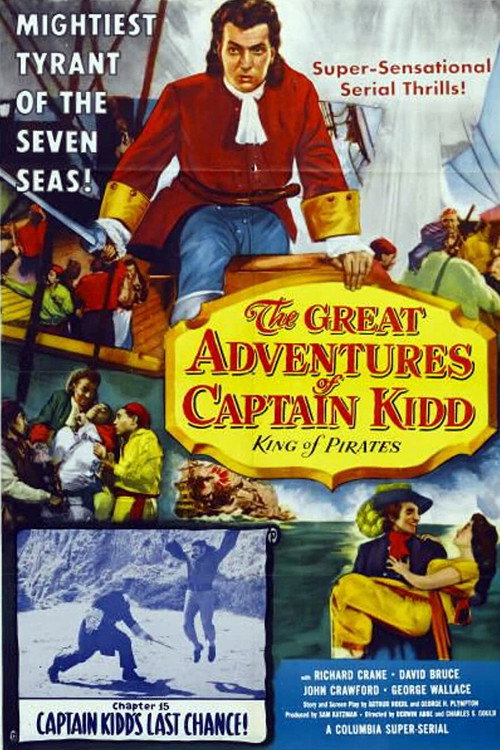
The Great Adventures of Captain Kidd1953
Pirate serial with the same chapter-play energy and earnest heroism. Sword fights, treasure plots, weekly escapes. It's what happened to the form in the 1950s—still boisterous, still unapologetic.
But By the 1950s, serials were becoming quaint. The format was dying, and you can feel it in the slight desperation of the action.
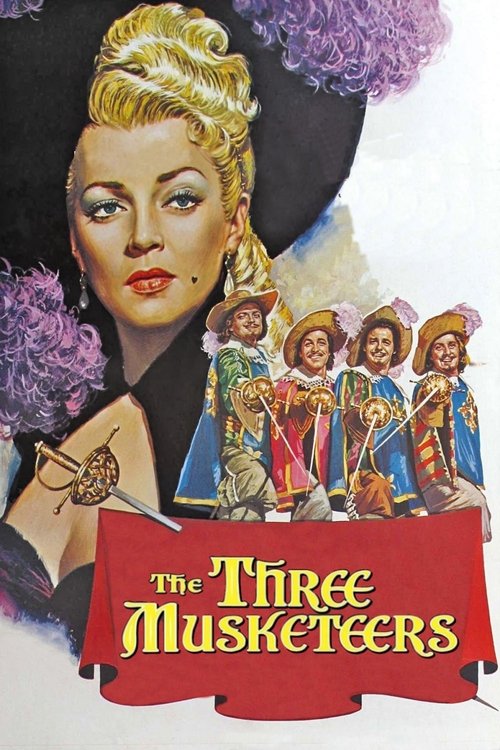
The Three Musketeers1948
Gene Kelly and Lana Turner in a Technicolor romp that captures the spirit of masked heroism and acrobatic action. It's what happens when Hollywood money gets behind the swashbuckle.
But It's so polished and romantic it can feel overstuffed. The spectacle sometimes crowds out the simple joy of sword fights and clever escapes.
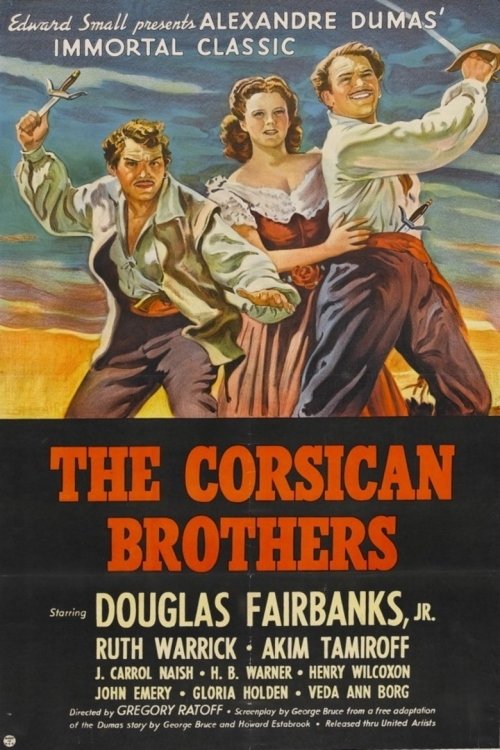
The Corsican Brothers1942
Douglas Fairbanks Jr. with double identities, sword fights, and revenge. It's a Hollywood adventure film that speaks the same language as the serial—masked figures, secret identities, constant motion.
But It's trying to be both a serious drama and an adventure film, and that split attention weakens both. The tone wavers.
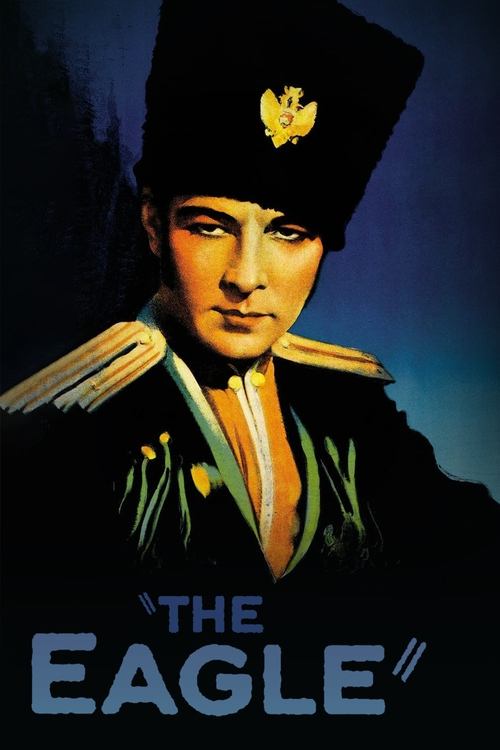
The Eagle1925
Rudolph Valentino as a masked Russian avenger in the silent era. It predates Zorro by years and hits similar notes—class consciousness, disguise, romance, action. A genuine influence.
But It's silent, which is a hurdle. And Valentino's theatrical acting, while stunning, exists in a different emotional register than sound-era serials.
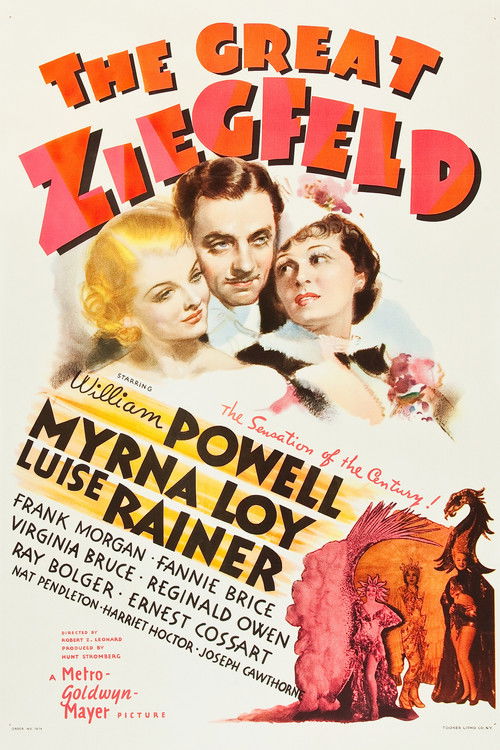
The Great Ziegfeld1936
Both are built around the thrill of performance—the hero playing a role, maintaining a secret self. One does it to fight crime, one to create beauty, but the structure of disguise is identical.
A sprawling Hollywood musical-drama about spectacle, performance, and illusion. No masks or swords, but built on the same idea: the gap between public and private self, between the person you are and the persona you perform. Three hours of pure theatrical energy.
But It's a backstage epic with no action, no villains to defeat. If you came for sword fights, this is all dialogue, music, and emotional complexity. The pacing is completely different.
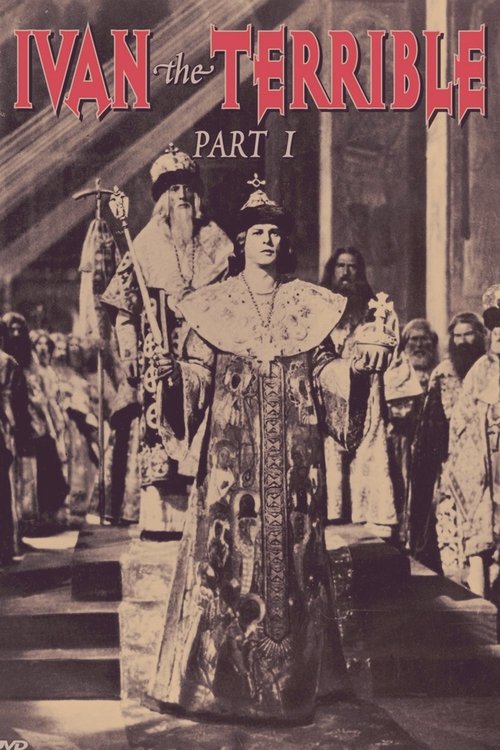
Ivan the Terrible, Part I1944
Both feature a masked figure commanding a fighting force against corruption, but Eisenstein's is about how power corrupts even the righteous, while the serial is about heroism remaining pure despite everything.
Sergei Eisenstein's towering Soviet epic, operatic and visually stunning, about absolute power and the man who wields it. Black-and-white, expressionistic, heavy with symbolism. A masked leader commanding legions, just like Zorro, but reimagined as tragedy and political horror.
But It's 96 minutes that feel like four hours. Shot in stark shadows, composed like painting, with minimal plot and maximum atmosphere. There is no fun here, only weight.
People
Cast
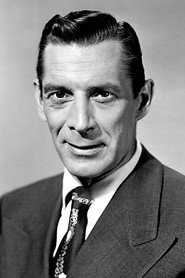 Reed HadleyDon Diego Vega / Zorro
- Sheila DarcyVolita
- Leander De CordovaGovernor Felipe
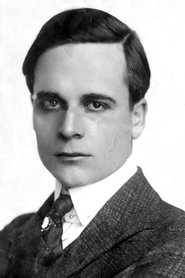 Edmund CobbManuel Gonzalez
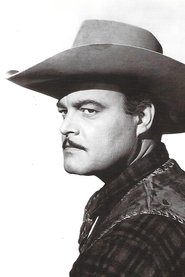 John MertonCommandante Manuel
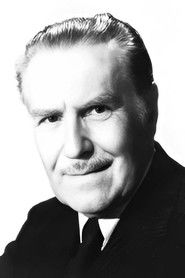 C. Montague ShawChief Justice Pablo
- William CorsonRamon
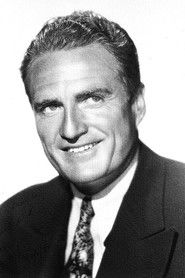 James PierceHenchnam Moreno
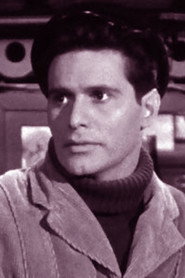 Paul MarionKala
- Joe MolinaTarmac -Yaqui Chief
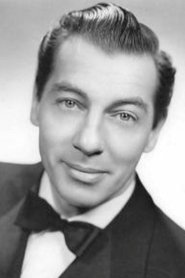 Carleton YoungBenito Juarez
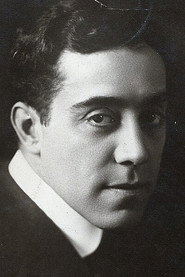 Guy D'EnneryDon Francisco
Directing
- John EnglishDirector
- William WitneyDirector
Writing
- Johnston McCulleyNovel
- Barney A. SareckyScreenplay
- Franklin AdreonScreenplay
- Morgan CoxScreenplay
- Ronald DavidsonScreenplay
- Sol ShorScreenplay
Production
- Hiram S. Brown Jr.Producer