
Film
The Corsican Brothers
Other titles called The Corsican Brothers: the 1985 film.
A 1942 adventure film where separated twin brothers—one refined, one roguish—discover their telepathic bond and reunite to avenge their parents. Fairbanks Jr. delivers swashbuckling charm in a Dumas-inspired romp that prioritizes personality and spectacle over plausibility. Ideal for fans of classical Hollywood adventure who don't mind melodrama with their swordplay.
If you liked this
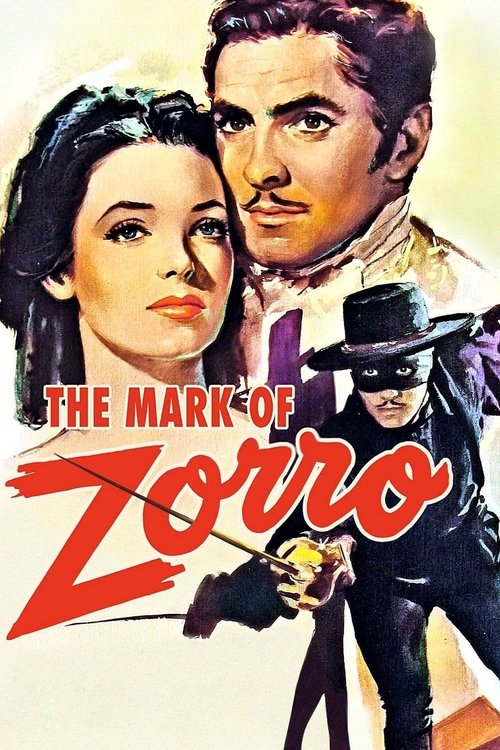
The Mark of Zorro1940
Tyrone Power as the masked avenger in a thrilling precursor to superhero cinema. Witty, acrobatic, and genuinely suspenseful—this is adventure filmmaking at its most purely entertaining.
But The pacing is deliberate by modern standards, and the romance subplot will feel overwrought to those allergic to Golden Age sentiment.
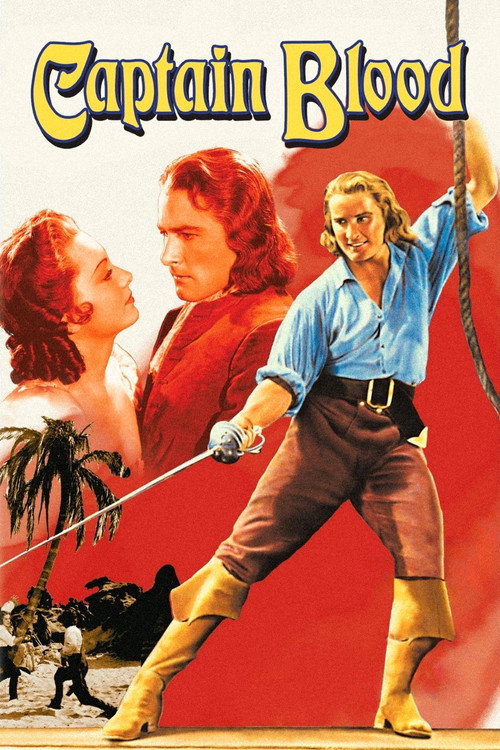
Captain Blood1935
Errol Flynn at peak charisma as a wronged man turned pirate. Lavish action sequences, rousing adventure, and genuine wit. The template for everything Fairbanks Jr. aspired to.
But The colonial attitudes and some of the supporting characterizations have aged poorly, and the film is nearly two-and-a-half hours long.
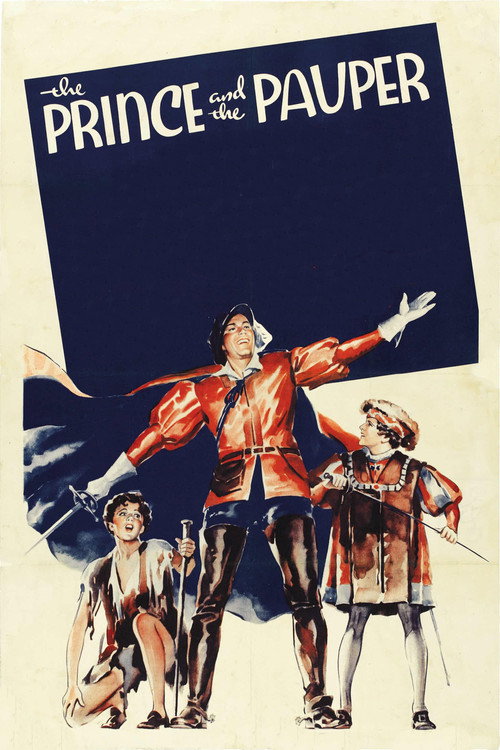
The Prince and the Pauper1937
Errol Flynn trades places with lookalike twins in Tudor England. Sumptuous production, clever plot mechanics, and Flynn's natural ease with both drama and humor make it effortlessly watchable.
But The historical liberties are extreme, and if you find the switching premise narratively exhausting, this will test your patience.
Not sure tonight? Get a pick in a minute, starting from The Corsican Brothers
The wildcard
Something you would not have found on your own.
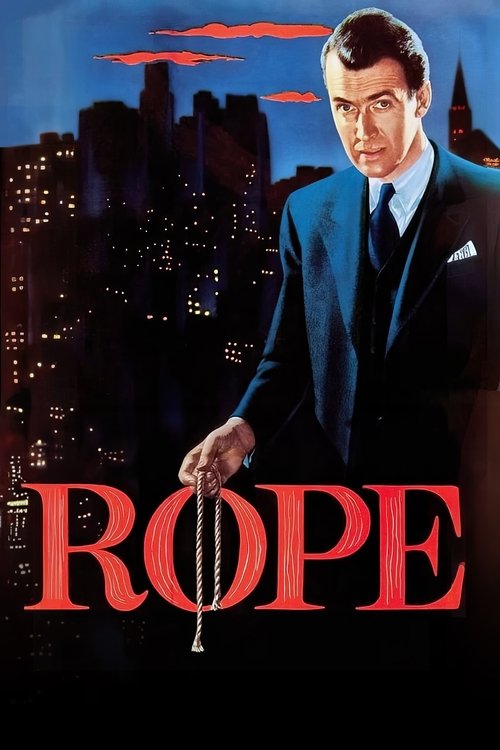
Rope1948
Both are about twins (of a kind) forced to confront conflicting versions of identity—but where The Corsican Brothers plays it as adventure, Rope treats it as pathology, turning the mirrored-self theme into something genuinely unsettling.
Hitchcock's camera never leaves a single room as two men hide the corpse of a former teacher they've murdered. Filmed in real time across three acts with mounting psychological dread. The technical audacity is staggering.
But The gimmick is the film. Once you see how Hitchcock achieves the illusion of continuous shooting, the artificiality becomes hard to ignore, and the human drama underneath feels thin.
More like this (8)
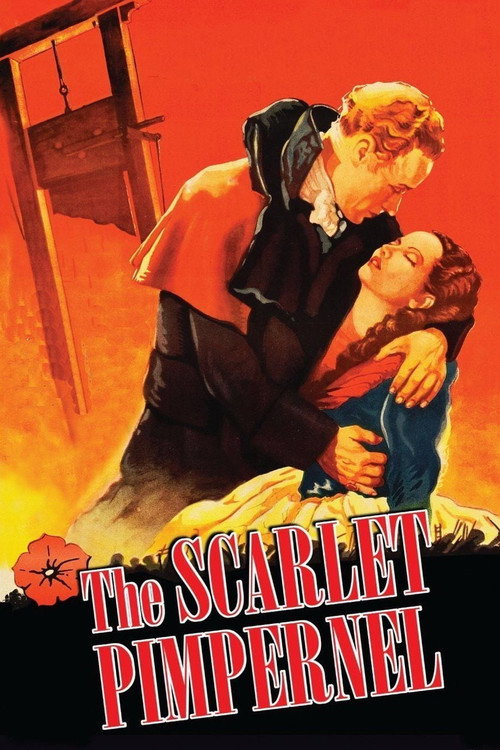
The Scarlet Pimpernel1934
Leslie Howard as the foppish aristocrat hiding revolutionary credentials. Taut, romantic, and endlessly inventive about disguise and double identity. British cinema at its most confident.
But The pacing is episodic and sometimes stalls; the Merle Oberon romance feels obligatory rather than earned.
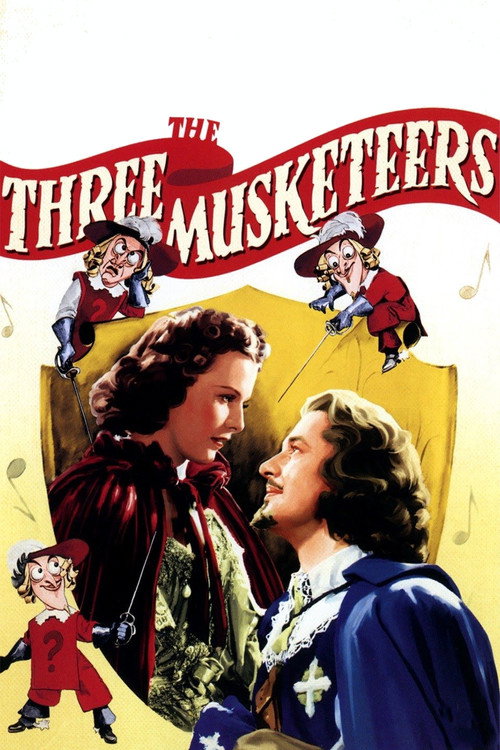
The Three Musketeers1939
Don Ameche, The Ritz Brothers, and ensemble derring-do in Dumas's Paris. Energetic, funny, and committed to both spectacle and character interplay. A genuine crowd-pleaser.
But The comedy occasionally overshadows the drama, and the slapstick will feel dated if you're not in the mood for it.
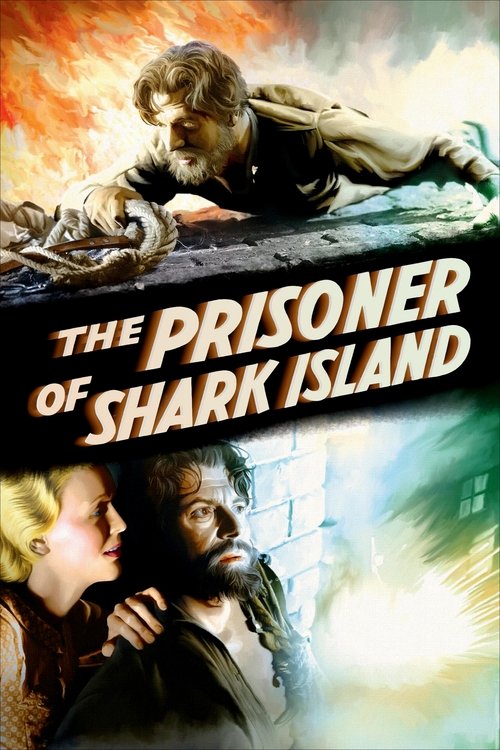
The Prisoner of Shark Island1936
Warner Baxter as the Army doctor wrongly imprisoned for Lincoln's assassination. Tense, moving, and genuinely gripping—adventure with moral weight and human stakes.
But It's heavy and melancholic for a swashbuckler, and the historical subject matter makes it harder to enjoy as pure escapism.
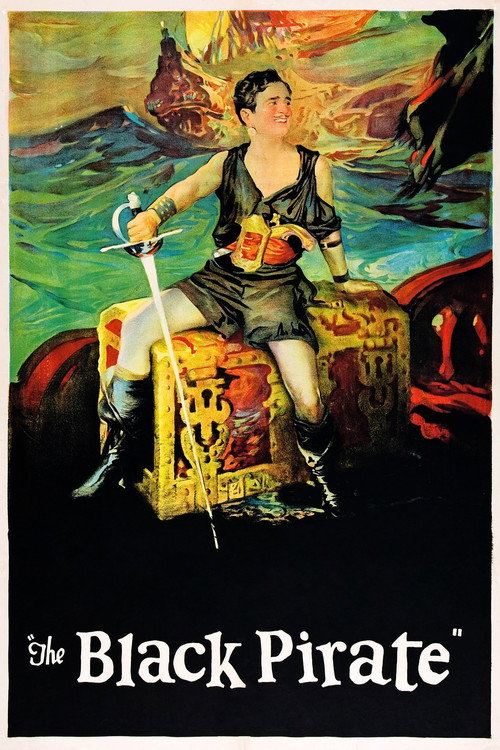
The Black Pirate1926
Douglas Fairbanks Sr. in silent splendor—acrobatic, inventive, and shot in vibrant two-color Technicolor. A masterclass in physical storytelling from cinema's greatest stuntman.
But It's silent, and while that adds charm, the plot is paper-thin and the pacing occasionally glacial by sound-era standards.
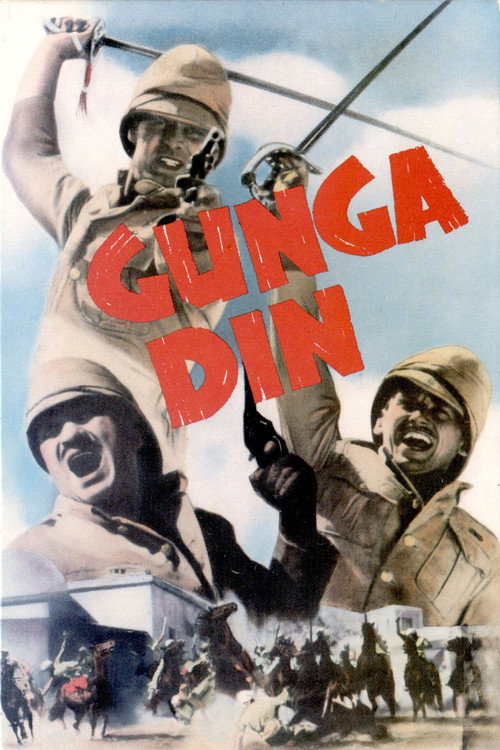
Gunga Din1939
Cary Grant, Douglas Fairbanks Jr., and Victor McLaglen as British soldiers in colonial India. Loose, funny, chaotic, and genuinely affectionate—adventure that doesn't take itself seriously.
But The colonial attitudes are rampant, and the tonal whiplash between comedy and action will perplex anyone preferring consistency.
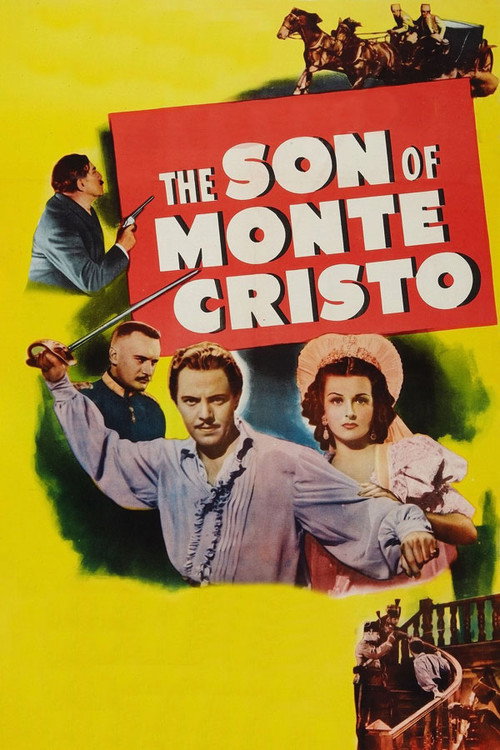
The Son of Monte Cristo1940
Louis Hayward inherits his father's vendetta and masked identity. Smaller-scale than its inspirations but earnest, competently made, and genuinely entertaining if you meet it on its own terms.
But It's minor even by the standards of '40s adventure, and the plot relies heavily on coincidence and contrivance.
Ikiru1952
The Corsican Brothers hinge on two halves of one self learning to be whole. Ikiru is the inverse: a whole self learning, too late, what wholeness might have meant. Both films quietly ask what it costs to live only half a life.
Akira Kurosawa's Japanese masterpiece about a dying bureaucrat discovering what it means to have lived. Achingly human, funny without cynicism, and technically perfect. One of cinema's greatest films about purpose and connection.
But It is profoundly sad, asks you to sit with grief, and offers no easy resolutions. If you came for Fairbanks Sr.'s swashbuckling style, this will feel like a different planet entirely.

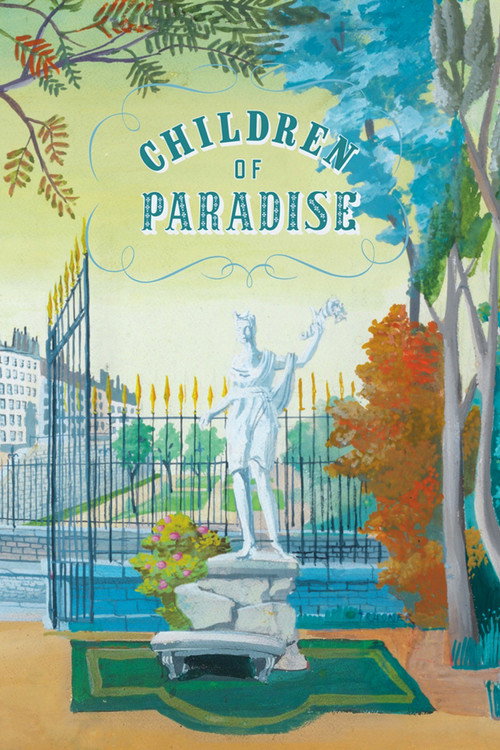
Children of Paradise1945
Both are period adventure tales centered on brothers-in-arms (literal and spiritual) trying to outwit powerful men. But where Corsican is kinetic and clear, Paradis is lyrical and dense—a reminder that the same story DNA produces radically different textures depending on who's holding the pen.
Carné's French masterpiece—a backstage romance and theft narrative set in 19th-century theater. Baroque, tender, formally exquisite. Often called the greatest film ever made. A love affair with cinema itself.
But It's three hours, in French with subtitles, and the plot is deliberately baroque and sometimes hard to follow. The pace is stately and the film refuses to hurry toward resolution.
People
Cast
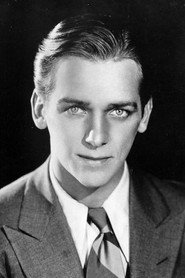 Douglas Fairbanks Jr.Lucien Franchi / Mario Franchi
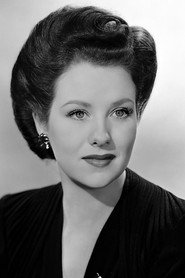 Ruth WarrickCountess Isabelle Gravini
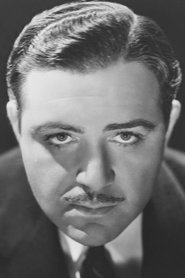 Akim TamiroffBaron Colonna
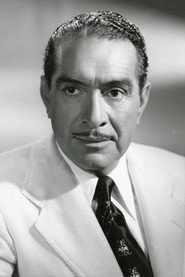 J. Carrol NaishLorenzo
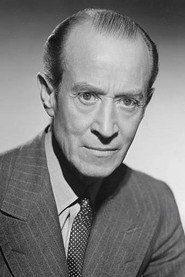 H.B. WarnerDr. Enrico Paoli
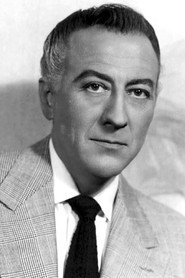 John EmeryTomasso
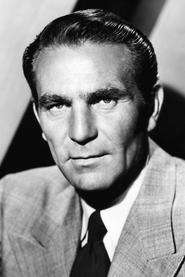 Henry WilcoxonCount Victor Franchi
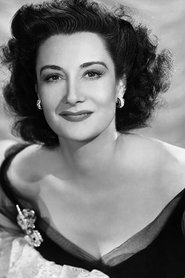 Gloria HoldenCountess Franchi
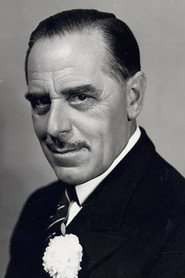 Walter KingsfordMonsieur Dupre
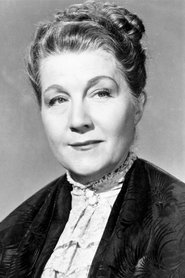 Nana BryantMadame Dupre
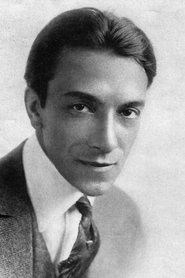 Pedro de CordobaCount Gravini
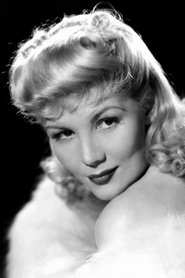 Veda Ann BorgMaria
Directing
- Sam NelsonAssistant Director
- Gregory RatoffDirector
Writing
- George BruceAdaptation
- Howard EstabrookAdaptation
- Alexandre DumasNovel
- George BruceScreenplay
Production
- Edward SmallProducer
- Grant WhytockProducer's Assistant
- Max GoldenProduction Manager
Recommended by
Against All Flags, The Black Swan, Son of Fury: The Story of Benjamin Blake, The Master of Ballantrae, Sword of Freedom, Kidnapped, Zorro's Fighting Legion, Prince of Foxes