
Film
Children of Paradise
Marcel Carné's three-hour epic, shot in secret during the Nazi occupation, is less a love story than a meditation on performance itself — mimes, actors, thieves and aristocrats all competing for one unreachable woman on the Boulevard du Crime. It's lush, theatrical, and unhurried, built for patient viewers who love period atmosphere, doomed romance and cinema that treats artifice as its own kind of truth.
If you liked this
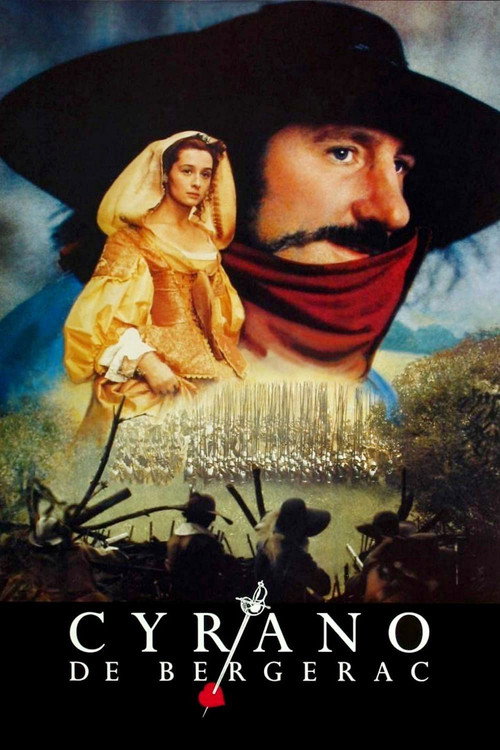
Cyrano de Bergerac1990
Gérard Depardieu's swordsman-poet channels the same ache of loving from behind a mask, wooing by proxy, words as both weapon and confession — French romantic tragedy at its most eloquent and heartbroken.
But The rhyming verse dialogue, even subtitled, demands patience, and the tragic ending offers no comic relief to cushion the fall.
The Red Shoes1948
A ballerina torn between art and love, filmed in Technicolor so lush it practically bleeds — obsession with performance as destiny rather than choice, exactly like Baptiste's stage.
But The ballet sequences run long and surreal; if you want plot momentum over spectacle, it may test you.

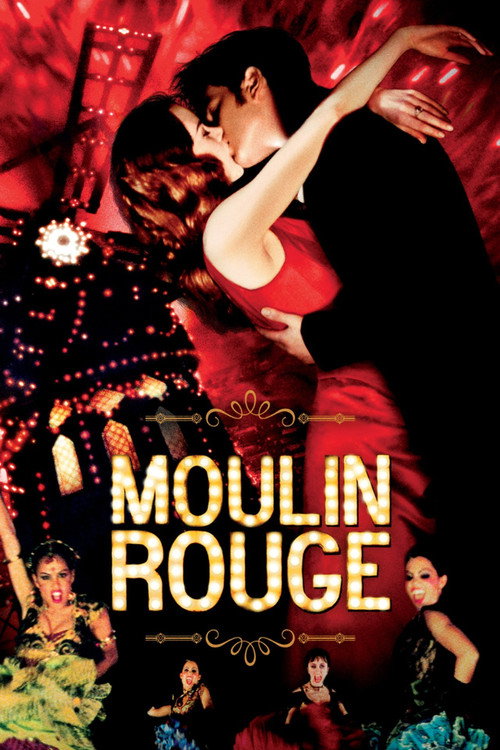
Moulin Rouge!2001
Paris nightlife, a courtesan loved by more men than she can hold, theatrical spectacle colliding with real heartbreak — the same bohemian tragedy, dialed up to eleven with jukebox musical numbers.
But Baz Luhrmann's frantic editing and anachronistic songs are the polar opposite of the original's slow classical grace.
The wildcard
Something you would not have found on your own.
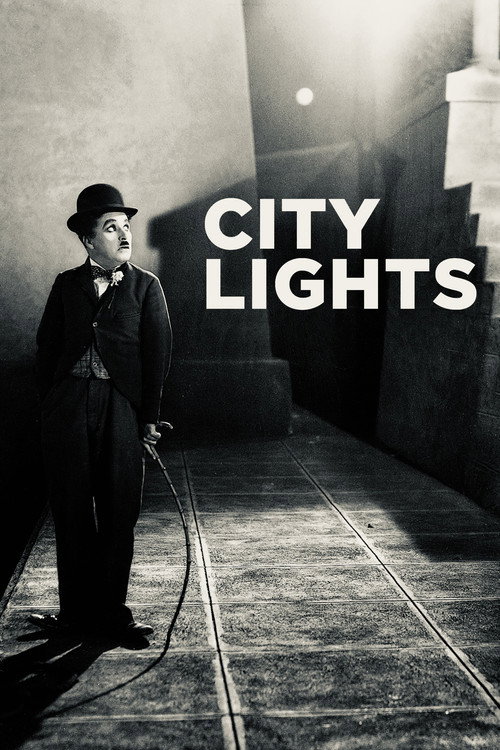
City Lights1931
Baptiste is a mime who loves in silence; Chaplin invented that exact grammar of unspoken longing a decade earlier, using gesture as Children of Paradise uses theatre-within-theatre.
Chaplin's tramp loves a blind flower girl and never says a word about it — pure pantomime carrying more heartbreak than pages of dialogue could, the same trick Baptiste pulls on stage.
But Silent comedy with intertitles instead of speech asks you to adjust your ear before you can hear its heart.
More like this (7)
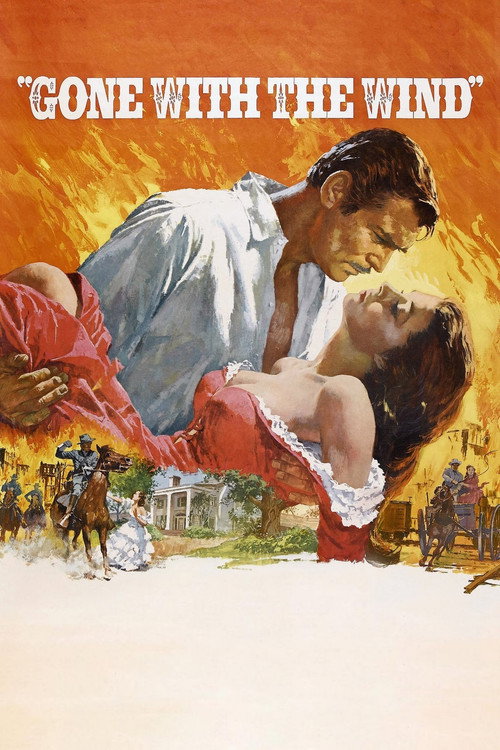
Gone with the Wind1939
An epic love story stretched across years and war, a woman pursued by men who each want a different version of her — grand old Hollywood romance on the largest possible canvas.
But Nearly four hours, and its treatment of race and the Civil War South has aged into something you have to watch with your eyes open.
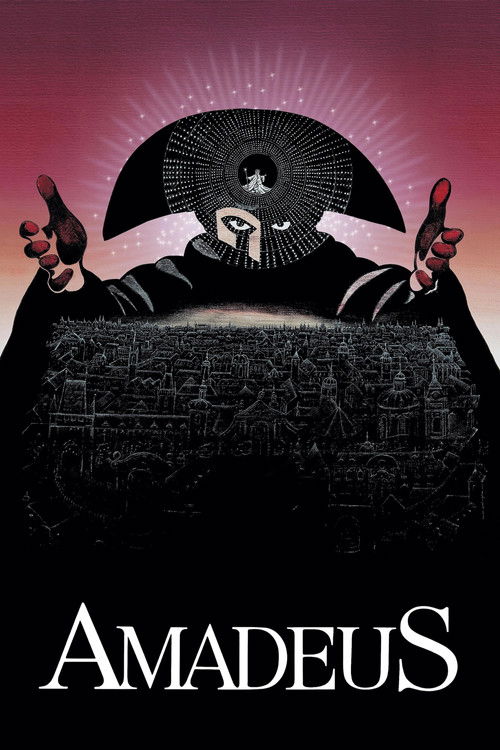
Amadeus1984
Genius, jealousy, and theatrical Vienna instead of theatrical Paris — a rival's poisonous obsession with an artist he can never equal, told with the same operatic sweep and doomed inevitability.
But It's about music and envy rather than romance, so the emotional register is colder and more bitter.
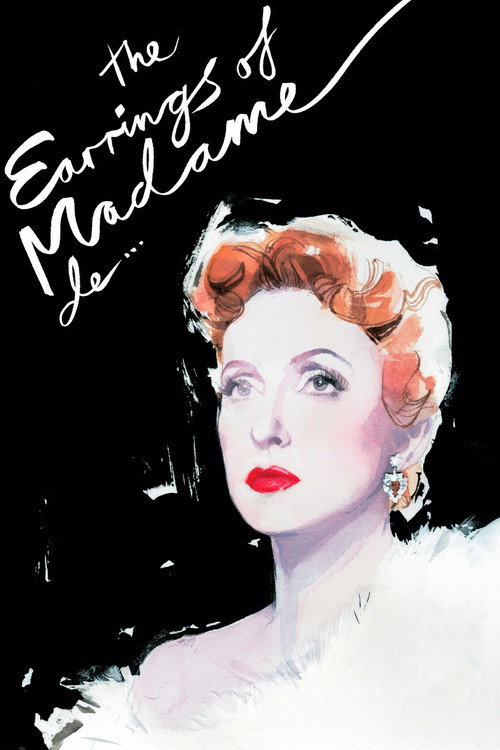
The Earrings of Madame de...1953
Max Ophüls' camera glides through ballrooms the way Carné's glides through the Boulevard du Crime — a doomed love affair told with the same swooning, circular elegance.
But It's quieter and more restrained; if you came for spectacle and crowds, this drawing-room tragedy will feel small by comparison.
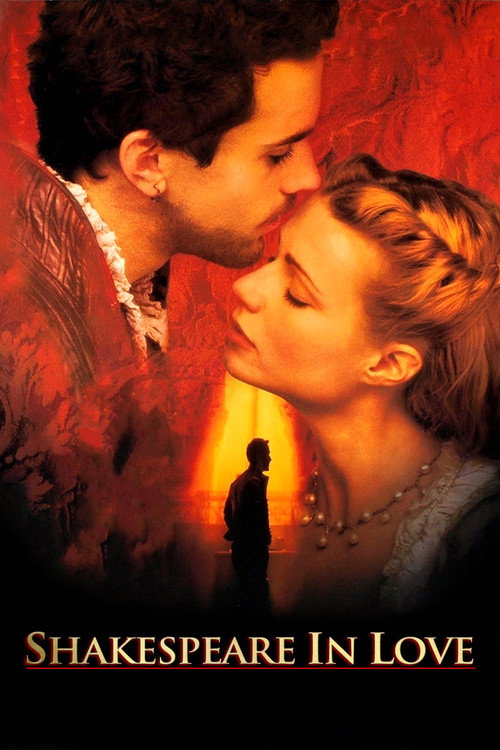
Shakespeare in Love1998
Backstage theatre, mistaken identities, and a love affair that can never be kept — a lighter, funnier cousin to the world of actors and impresarios that Children of Paradise takes so seriously.
But It's romantic comedy at heart, with none of the political undertow or tragic weight of the original.
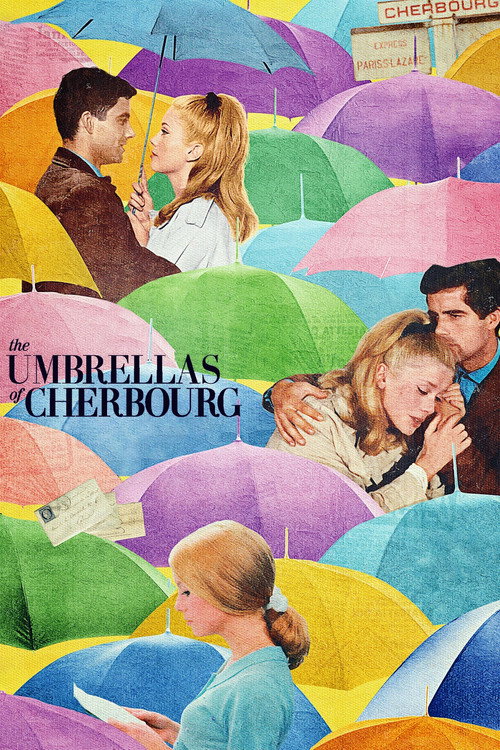
The Umbrellas of Cherbourg1964
A French romance derailed by time, class, and circumstance, sung rather than spoken — heartbreak as inevitable as weather, in colours as vivid as Carné's theatrical Paris.
But Every line is sung-through, which some viewers find charming and others find exhausting after twenty minutes.
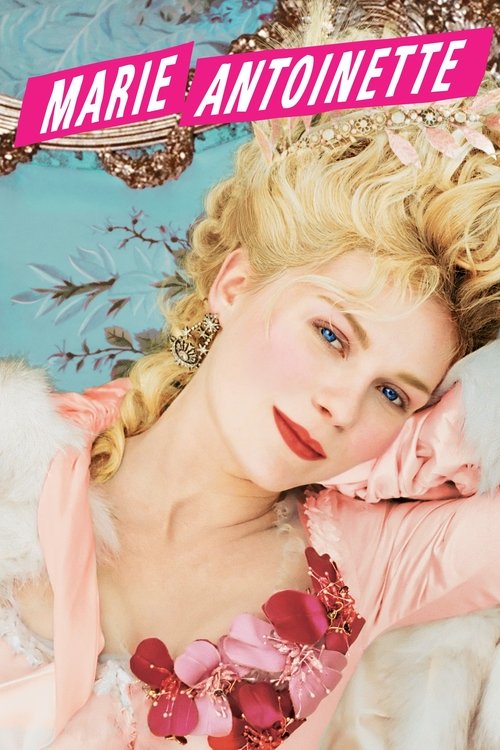
Marie Antoinette2006
Sofia Coppola's opulent, doomed aristocratic world shares the same appetite for beautiful surfaces hiding heartbreak underneath, plus a costume budget Carné would have envied.
But It's moody and impressionistic rather than plot-driven, more mood board than melodrama.
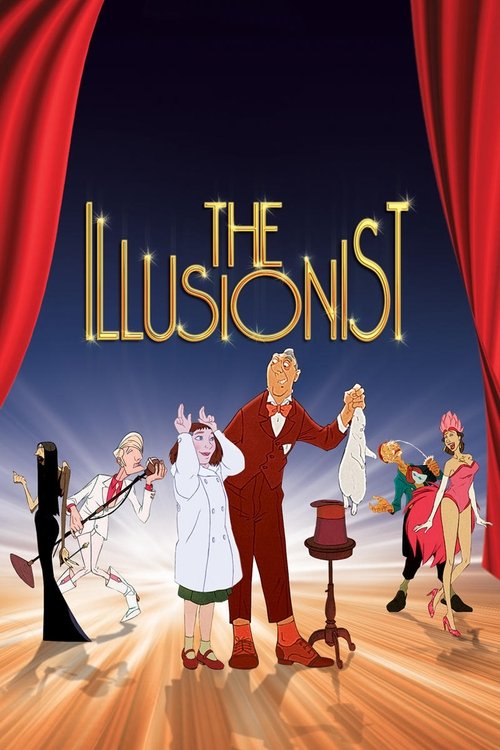
The Illusionist2010
Sylvain Chomet's film, like Carné's, treats the theatrical performer's devotion as a love that can only be expressed through the stage, never claimed outside it.
A near-wordless animated film about an ageing stage performer whose art is dying and whose love goes unspoken — the same melancholy about performance as a vanishing, noble, doomed profession.
But It's slow, largely silent, and quietly sad rather than dramatic — a mood piece, not a story with big turns.
People
Cast
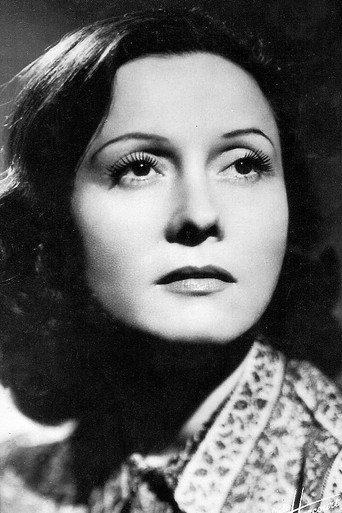 ArlettyClaire Reine, dite Garance
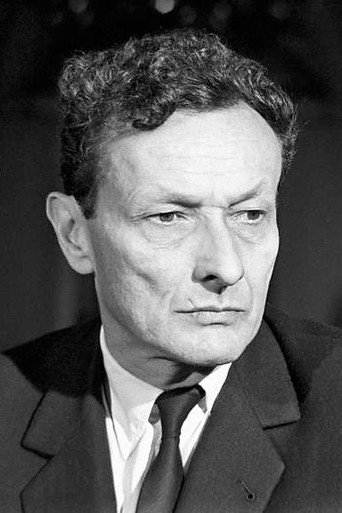 Jean-Louis BarraultBaptiste Debureau
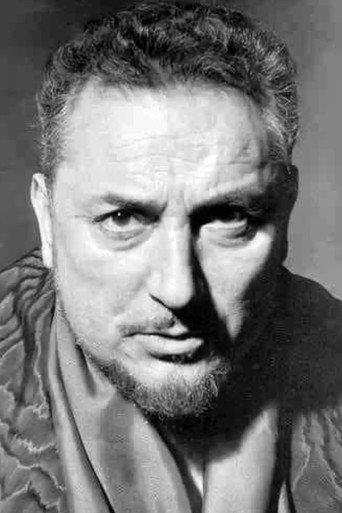 Pierre BrasseurFrédérick Lemaître
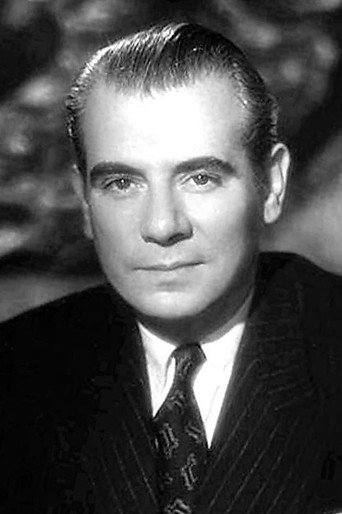 Marcel HerrandPierre-François Lacenaire
 María CasaresNathalie
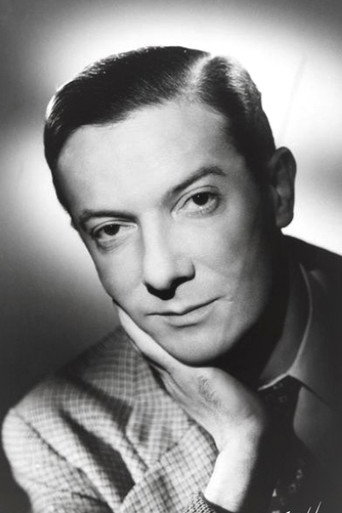 Louis SalouÉdouard comte de Montray
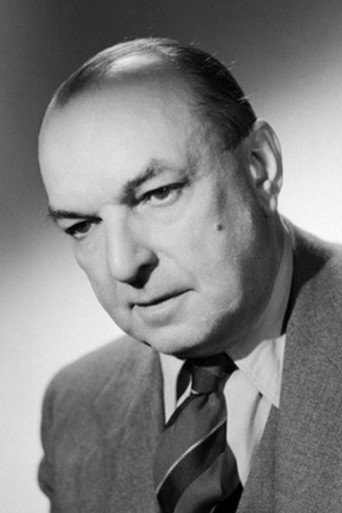 Pierre RenoirJericho
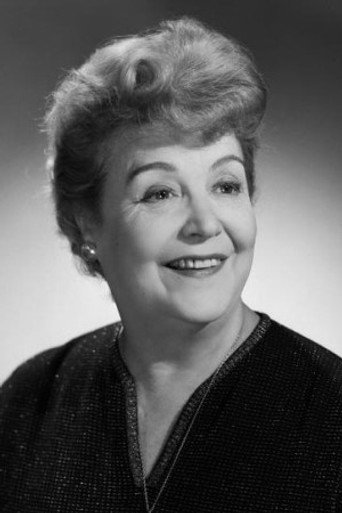 Jane MarkenMme Hermine
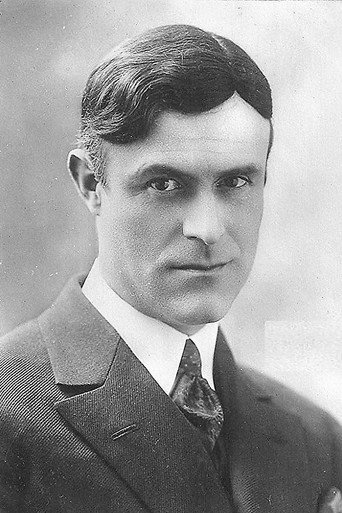 Gaston ModotFil de Soie
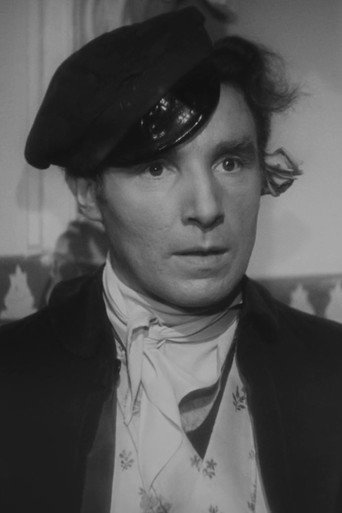 Fabien LorisAvril
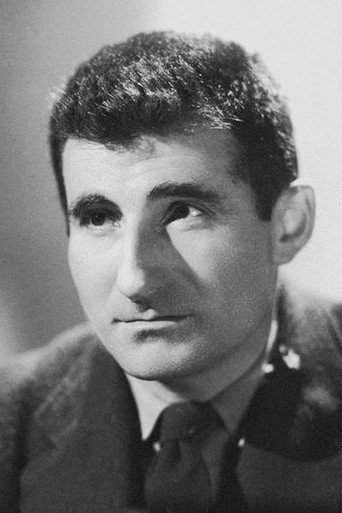 Marcel PérèsLe directeur des Funambules
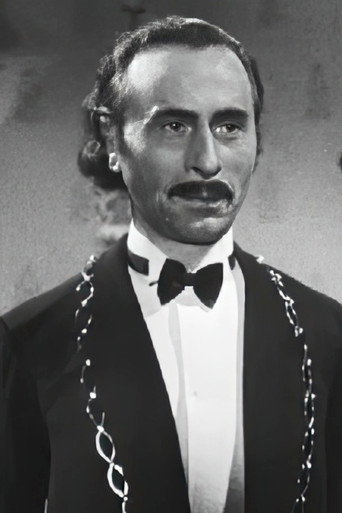 Etienne DecrouxAnselme Debureau
Directing
- Bruno TireuxAssistant Director
- Pierre BlondyAssistant Director
- Marcel CarnéDirector
Writing
- Jacques PrévertScreenplay
Production
- Fred OrainProducer
- Raymond BorderieProducer
- Fred OrainProduction Manager