
Film
Manon
A post-war French noir about a young woman fleeing accusations of Nazi collaboration and the man who protects her. Sweeping, desperate, and morally complicated—Clément's film moves between intimate character drama and large-scale adventure with remarkable fluidity. For anyone drawn to grown-up European cinema that doesn't resolve its ethical tangles.
If you liked this
The Third Man1949
Carol Reed's Vienna-set masterpiece of betrayal and espionage, shot in shadows and rubble. Like Manon, it captures postwar moral chaos through a doomed romance and asks what survival costs.
But Orson Welles' famous entrance arrives late. Some find the zither score sentimental rather than haunting.

In the Mood for Love2000
Wong Kar-wai's film about desire thwarted by circumstance and propriety. Both films make you feel the weight of what characters cannot say or do, shot through with visual beauty that contrasts their desperation.
But Deliberately slow and repetitive in its staging. Its emotional power depends on surrendering to its rhythm, not plot.

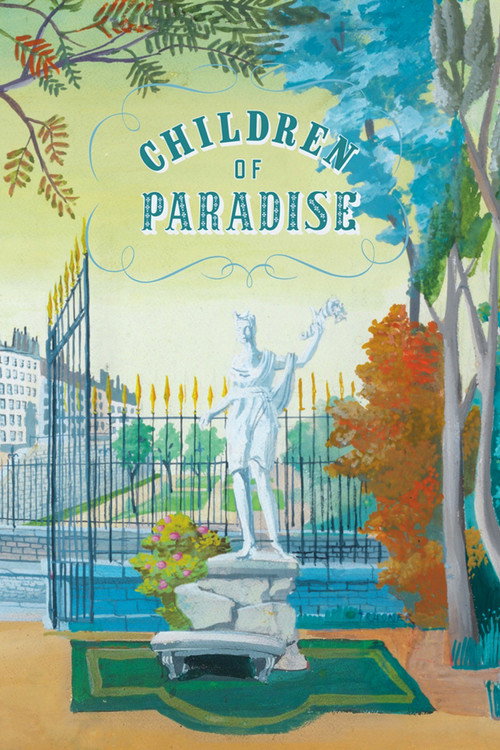
Children of Paradise1945
Carné and Prévert's towering work of French cinema. Like Manon, it interweaves street-level romance and adventure across an entire world, with a heroine whose morality is ambiguous and compelling.
But Over three hours, densely plotted, and assumes familiarity with period Paris. It asks patience.
Not sure tonight? Get a pick in a minute, starting from Manon
The wildcard
Something you would not have found on your own.
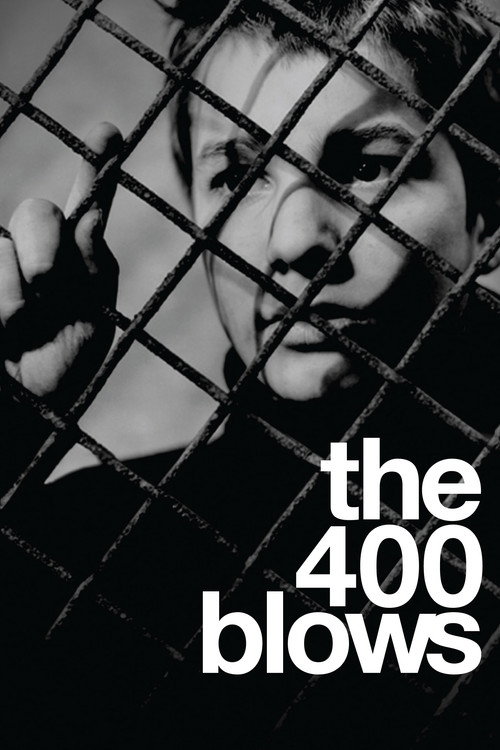
The 400 Blows1959
Both use postwar France and youth in moral crisis as their engine; both suggest that society's judgment matters less than what it does to those it abandons.
Truffaut's portrait of a young person adrift in postwar Paris, treated with profound tenderness. Like Manon, it refuses easy judgment of its protagonist and sees survival and petty crime as symptoms of social abandonment, not moral failure.
But Technically a coming-of-age film, which might seem sentimental. It isn't. Its final image is ambiguous and unsettling.
More like this (8)
The Killers1946
Siodmak's tight noir about a man waiting to be killed, told in fractured time. Both films explore how past crimes trap characters in present darkness, with moral weight and visual intensity.
But The narrative loops back on itself. Some viewers find the structure frustrating rather than elegant.

Bicycle Thieves1948
De Sica's neorealist heartbreaker about desperation in postwar Rome. Like Manon, it shows ordinary people forced into impossible choices by poverty and circumstance, without sentimentality.
But Devastatingly bleak. There is no comfort here, and the ending offers no redemption.

The Asphalt Jungle1950
Huston's heist film that treats criminals as fully human—tired, afraid, wanting simple things. Manon shares its refusal to judge characters for survival, and its fatalistic view of fate.
But Male-centered and of its era in how it portrays women. The heist itself is almost incidental to character study.

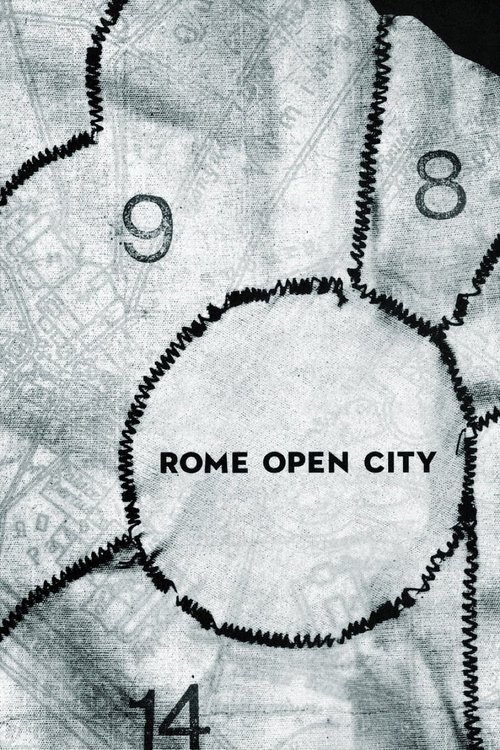
Rome, Open City1945
Rossellini's shattering film about resistance and collaboration in occupied Rome. Both confront what people do to survive under tyranny, and whether survival justifies compromise.
But Graphically violent in its climax. The propaganda elements feel propagandistic, though intentionally so.
Rififi1955
Dassin's French noir about a heist and its unraveling consequences. Like Manon, it moves between intimate drama and adventure, and understands that crime and survival are often the same thing.
But The famous silent heist sequence, though brilliant, can feel like a detour from character. Pacing uneven.

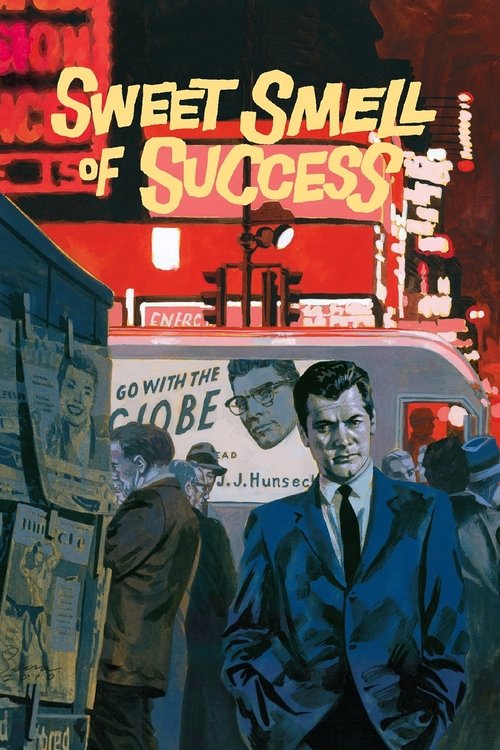
Sweet Smell of Success1957
Mackendrick's venomous New York noir about ambition and corruption. Both films show people compromised by circumstance and desire, trapped in worlds where morality is a luxury.
But Viciously cynical and unpleasant. Every character is compromised, including those you want to like.
Stalker1979
Both are odysseys where external plot (escape, reach the room) is secondary to internal transformation; both suggest that what we pursue and why we pursue it is the real story.
Tarkovsky's metaphysical science-fiction poem about a guide leading others toward a mysterious room. Wildly different from Manon in setting, yet both are journeys through moral landscape where the destination matters less than what the quest reveals about desire and faith.
But Nine minutes long, Soviet, philosophical rather than narrative. Patience is not optional. Many find it tedious.

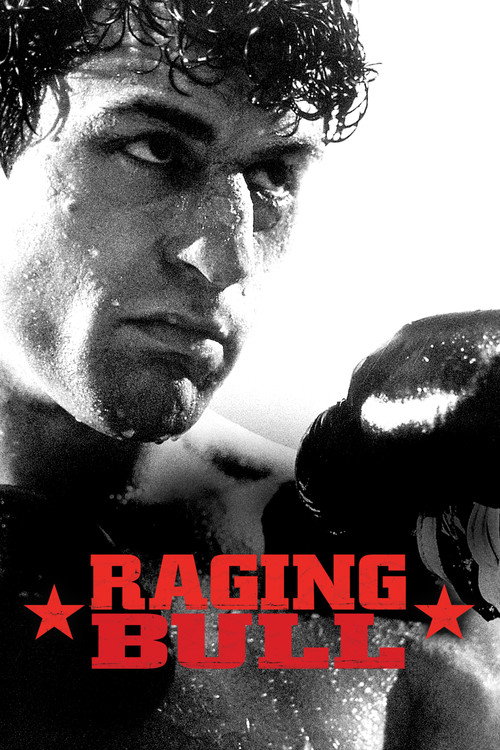
Raging Bull1980
Both present characters trapped by circumstance and desire, unable to escape what they've become; both use visual intensity to make moral entanglement visceral rather than abstract.
Scorsese's brutal black-and-white study of a man destroying everyone around him because he cannot escape himself. Like Manon, it refuses to separate morality from psychology—violence, infidelity, cruelty are all presented as inevitable, not chosen.
But Scorsese's most abrasive film. The central character is almost irredeemable, and the film makes no argument for loving him.
People
Cast
 Serge ReggianiLéon Lescaut
 Michel AuclairRobert Dégrieux
 Cécile AubryManon Lescaut
 AndrexSmuggler
 Raymond SouplexM. Paul
 André ValmyLt. Besnard
 Henri VilbertShip Captain
 Héléna MansonGossipy Woman

 Gabrielle DorziatSaleswoman
 Dora DollJuliette
 Gabrielle FontanMme. Agnès
Directing
- Serge VallinAssistant Director
- Henri-Georges ClouzotDirector
Writing
- Abbé PrévostNovel
- Henri-Georges ClouzotScreenplay
- Jean FerryScreenplay
Production
- Lucien LippensGeneral Manager
- Paul-Edmond DecharmeProducer
- Louis WipfProduction Director