
Film
Camille
Other titles called Camille: the 1936 film, the 2008 film.
A silent masterpiece of doomed romance: a Parisian courtesan and a young aristocrat fall desperately in love, only to be torn apart by family honor and circumstance. Nazimova's performance is hypnotic—all smoldering eyes and trembling hands—and the film moves with genuine emotional weight despite its brevity. For anyone curious about why silent cinema mattered, or what romance looked like before it became cynical.
If you liked this
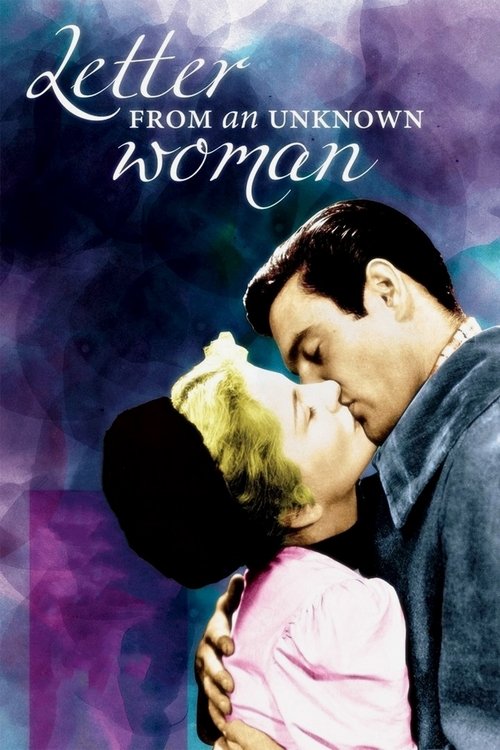
Letter from an Unknown Woman1948
A woman spends her life loving a man who doesn't remember her. Like Camille, it's about passion that survives indifference and time, told with operatic intensity and no apology for its own heartbreak.
But The pacing is deliberate and the emotional register unrelentingly melancholic. Some find it exhausting rather than moving.
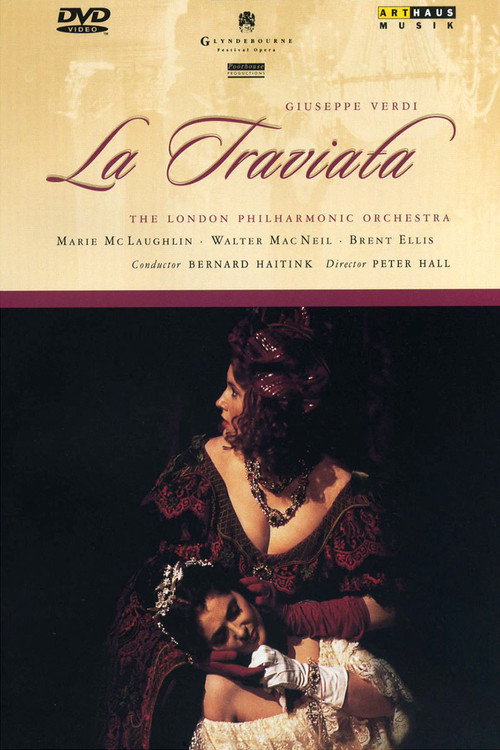
La Traviata1987
Verdi's opera is the musical DNA of Camille's story—the same doomed courtesan, the same impossible love, the same sacrifice. If you loved the film's emotional directness, the opera amplifies it into pure feeling.
But Opera is not everyone's entry point. The story is familiar and the ending is not in doubt, so you're entirely dependent on performance.
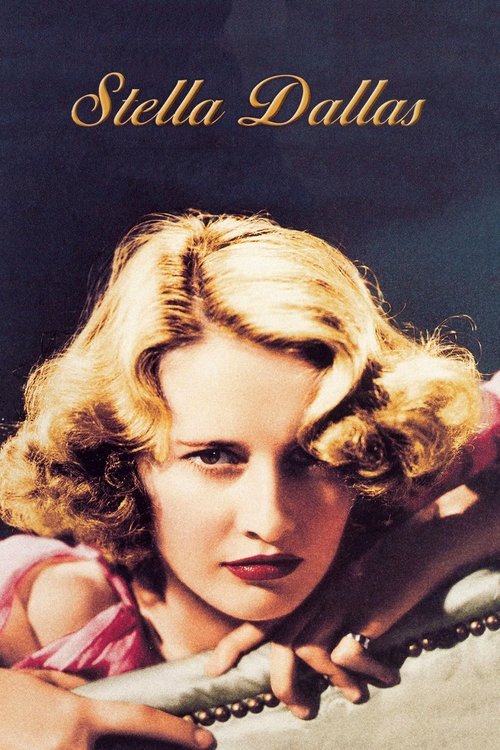
Stella Dallas1937
A mother sacrifices her own happiness to give her daughter a better life—not the exact plot of Camille, but the same emotional architecture of love expressed through renunciation.
But The melodrama is thick. If you need subtlety or irony, this will feel overwrought.
Not sure tonight? Get a pick in a minute, starting from Camille
The wildcard
Something you would not have found on your own.
Sunrise: A Song of Two Humans1927
Both films use the machinery of melodrama to ask whether love can survive the world's cruelty; Sunrise says yes where Camille says no.
F.W. Murnau's masterpiece is also about a couple torn apart by desire and circumstance, but it uses the full vocabulary of silent cinema—expressionist sets, symbolic imagery, the city as character—in ways Camille's more restrained style doesn't. Both films believe in the transcendence of romantic love, but Sunrise shows it can survive temptation and betrayal.
But It's a different emotional tone entirely—less operatic, more dreamlike and strange. The happy ending might feel like it's undercutting the tragedy.

More like this (6)
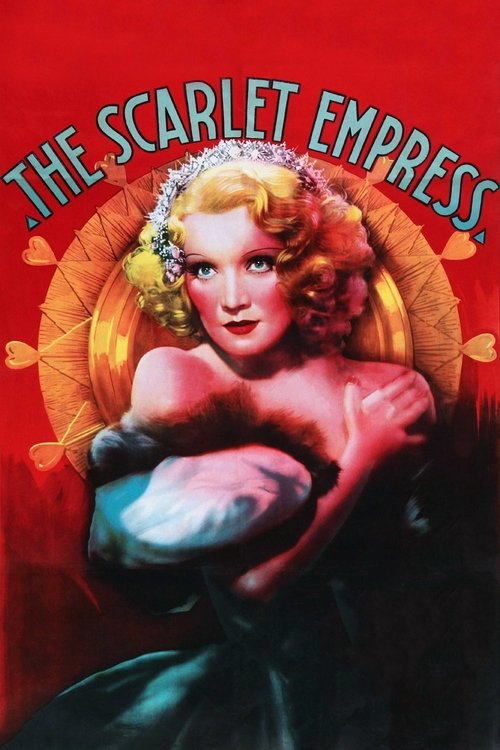
The Scarlet Empress1934
Marlene Dietrich as a woman using beauty and seduction as survival in a hostile world. Visually baroque and sexually knowing in ways that feel genuinely transgressive.
But It's more interested in spectacle and erotic power than emotional realism. The plot takes a backseat to atmosphere.
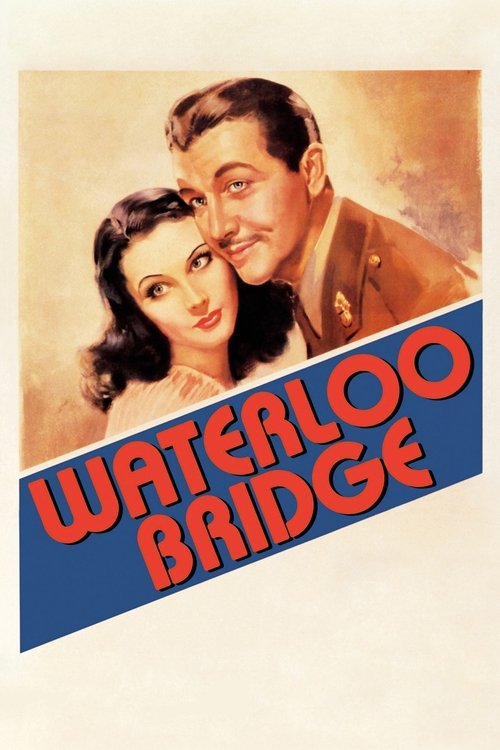
Waterloo Bridge1940
A woman forced into sex work by circumstance falls in love with a soldier. It shares Camille's tragic structure but updates it to wartime, and Vivien Leigh brings raw vulnerability to impossible choices.
But The production code softens the moral complexity. It's more conventional melodrama than silent cinema's stranger intensity.
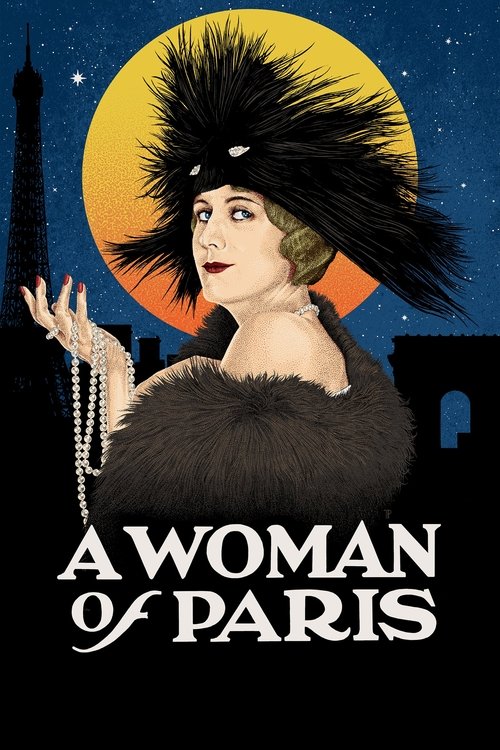
A Woman of Paris: A Drama of Fate1923
Chaplin's only dramatic film, about a woman who becomes a wealthy man's mistress and pays the price for it. Shot with restraint and genuine pathos, it's silent cinema thinking hard about desire and class.
But Chaplin's absence as a comedic figure can feel like something is missing. The social commentary is heavy-handed by modern standards.
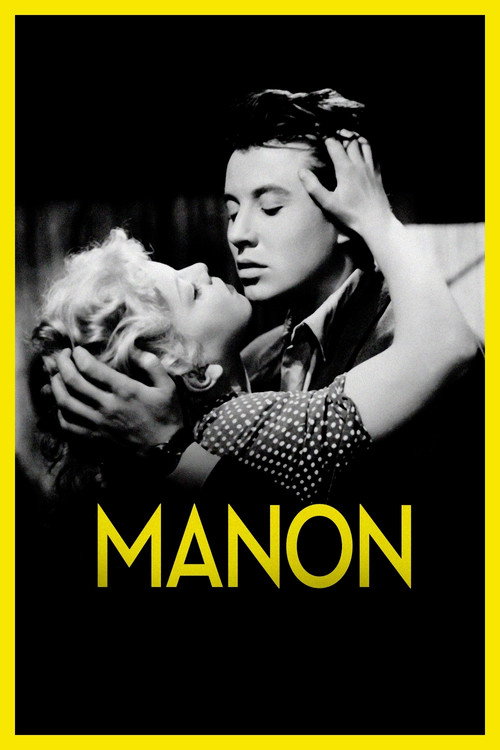
Manon1949
The Abbé Prévost novel that inspired Camille gets its own definitive film adaptation. It's equally tragic, less theatrical, and grounded in post-war moral ambiguity rather than aristocratic melodrama.
But It's darker and more cynical than Camille, which some will find more honest and others will find depressing for its own sake.
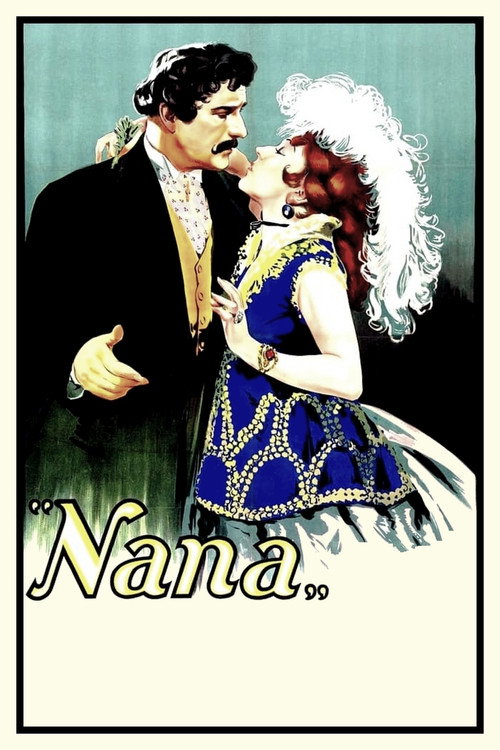
Nana1926
Same archetype, opposite moral stance: Camille pities the courtesan, Nana indicts the society that creates her—and both films.
Jean Renoir's adaptation of Zola is about a courtesan whose beauty and sexuality destroy everyone around her, including herself. It's simultaneously sympathetic to Nana and unsparing about the damage she causes—morally complex in ways Camille doesn't attempt.
But It's much longer and more densely plotted. The sexual content, while not explicit, is directness about female desire that some find uncomfortable. Renoir's cynicism about love may feel like the opposite of what you want.
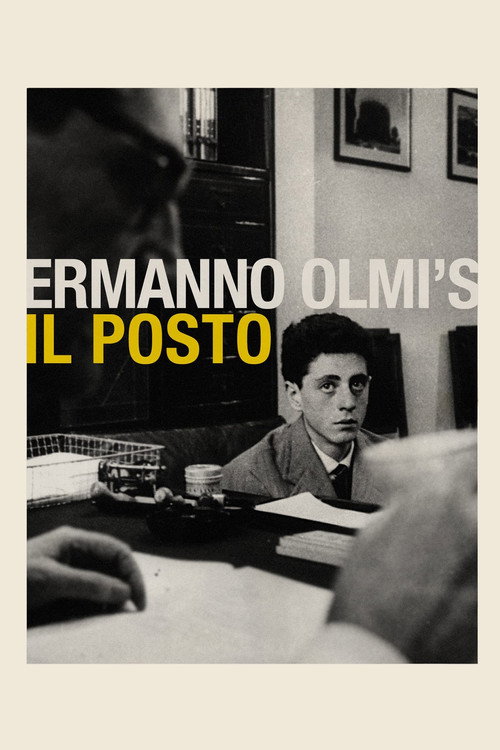
Il Posto1961
Both films argue that decent people are crushed by the world's indifference to their desire—but Il Posto refuses even the dignity of tragedy.
A neorealist film about a young man navigating the indifference of the modern world, it's nothing like Camille in plot, but everything like it in feeling: the helplessness of individuals against systems larger than themselves, the way love and hope get flattened by circumstance. Ermanno Olmi treats bureaucracy with the same gravity Nazimova's film brings to aristocratic cruelty.
But It's painfully slow and utterly without melodrama. The ending is not a climax but a quiet closing of a door. If you need emotional catharsis, this offers only recognition.
People
Cast
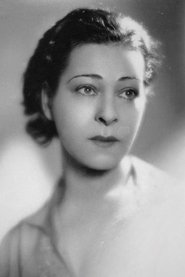 Alla NazimovaMarguerite Gautier
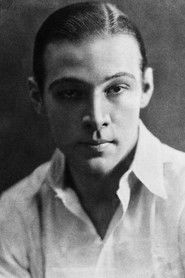 Rudolph ValentinoArmand Duval
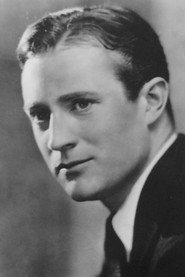 Rex CherrymanGaston Rieux
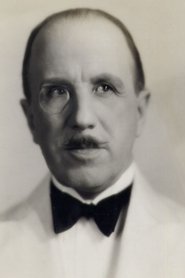 Arthur HoytCount de Varville
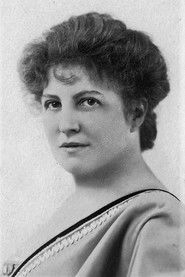 Zeffie TilburyPrudence
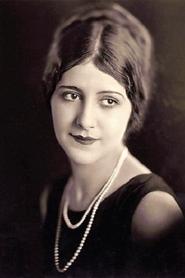 Patsy Ruth MillerNichette
- Elinor OliverNanine
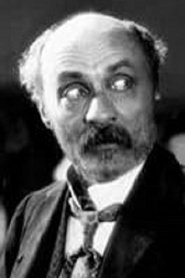 William OrlamondArmand Duval's Father
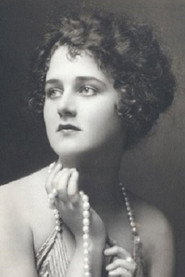 Consuelo FlowertonOlympe
Directing
- Ray C. SmallwoodDirector
Writing
- Alexandre Dumas filsWriter
- June MathisWriter