
Film
La Traviata
Other titles called La Traviata: the 1982 film, the 2006 film.
Verdi's supreme opera about a courtesan choosing love over wealth, captured live at Glyndebourne in its full theatrical glory. A recording of one of opera's most perfect scores, with soaring melodies that lodge themselves in your memory. If you've ever wondered what all the fuss is about, this is the film to start with.
If you liked this
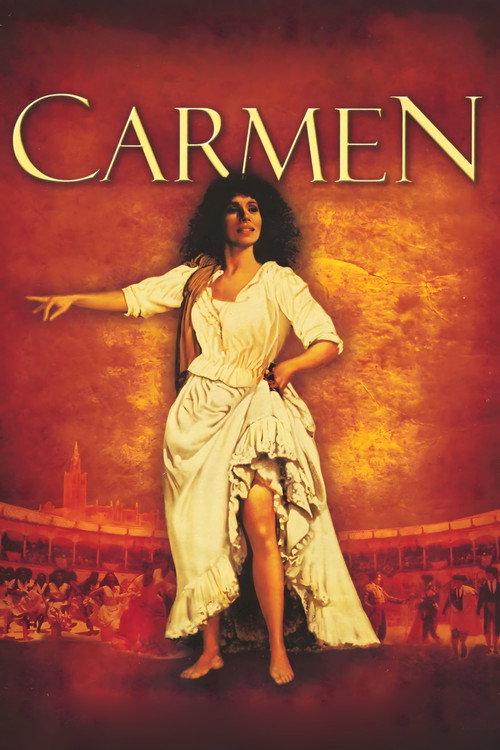
Carmen1984
Rosi's film of Bizet's opera has the same combustible mix of passion, class and death, but sets it among Seville's gypsies and soldiers. Raw energy that reminds you opera is about desire, not just voices.
But It's in French and messier in tone than Traviata—less elegant, more rough. Some find Rosi's staging choices distracting rather than illuminating.
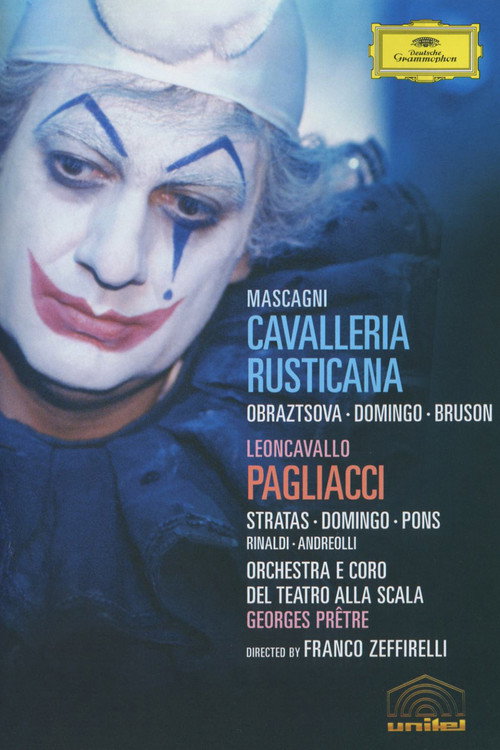
Cavalleria rusticana1982
Leoncavallo's tragedy about a theatre troupe whose private agonies bleed into performance. Shorter and fiercer than Traviata, with the same knife-edge between beauty and heartbreak.
But It's a one-act opera, so barely ninety minutes. Some find the melodrama overwrought, especially the final act's violence.
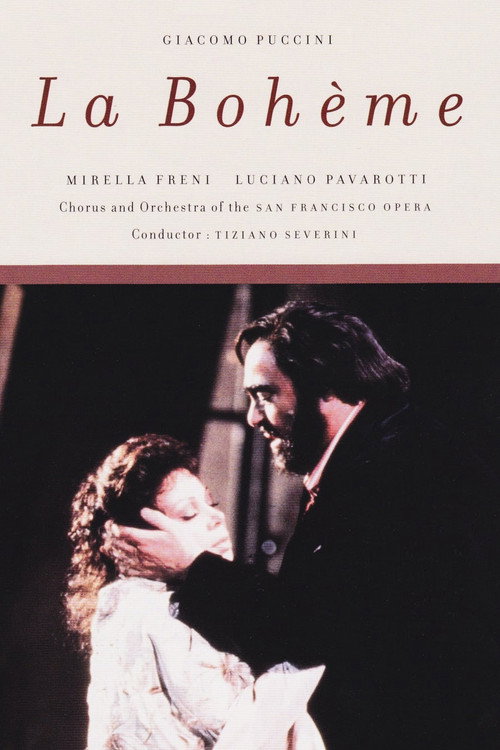
La Boheme1988
Puccini's story of doomed young lovers in Paris—sister to Traviata in mood and music. The famous melodies are even more immediately gorgeous, and the sentiment hits with devastating clarity.
But It's arguably even sadder, and the poverty-porn framing can feel dated. Some viewers find it treacly where Traviata feels tragic.
Not sure tonight? Get a pick in a minute, starting from La Traviata
The wildcard
Something you would not have found on your own.
Synecdoche, New York2008
Both are about the desperate human need to transform private suffering into beautiful form—opera and experimental theatre as containers for what cannot otherwise be said.
Charlie Kaufman's film about a theatre director building an impossible replica of the world inside his warehouse. Like Traviata, it's about art attempting to capture the uncapturable truth of human desire and loss. Same heartbreak, totally different language.
But It's postmodern, digressive, and deliberately obscure. No arias, no melody, no clear plot. Some find it self-indulgent and exhausting rather than moving.

More like this (7)
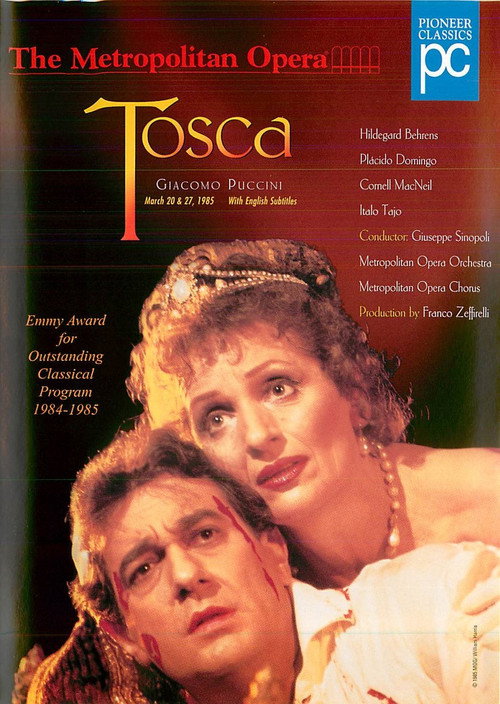
Tosca1985
Puccini's opera of blackmail, political violence and a woman with nowhere to turn. Every scene crackles; it's the closest opera gets to a thriller, with music to match.
But It's grimmer and more cynical than Traviata. The violence is not metaphorical, and the ending offers no consolation.
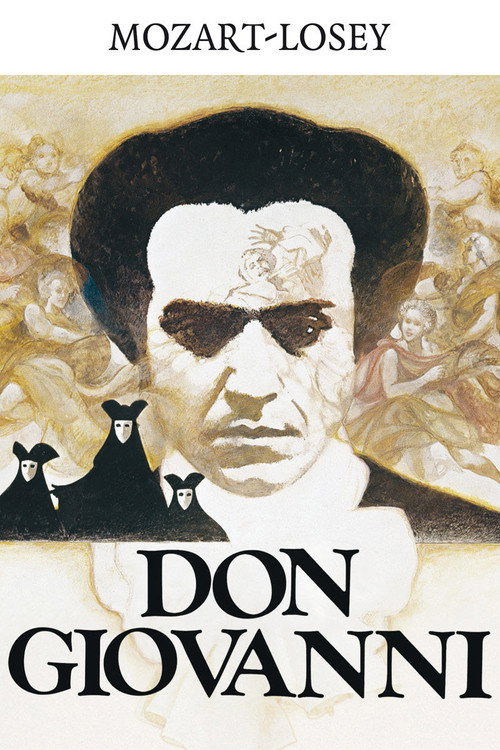
Don Giovanni1979
Mozart's seduction narrative and supernatural reckoning. The music is pellucid and eternally alive in ways that make you hear why he's Mozart. A different register entirely—comic and philosophical at once.
But It's longer and more complex, with a sprawling plot. The Don himself is a monster, and some find the moral structure preachy.
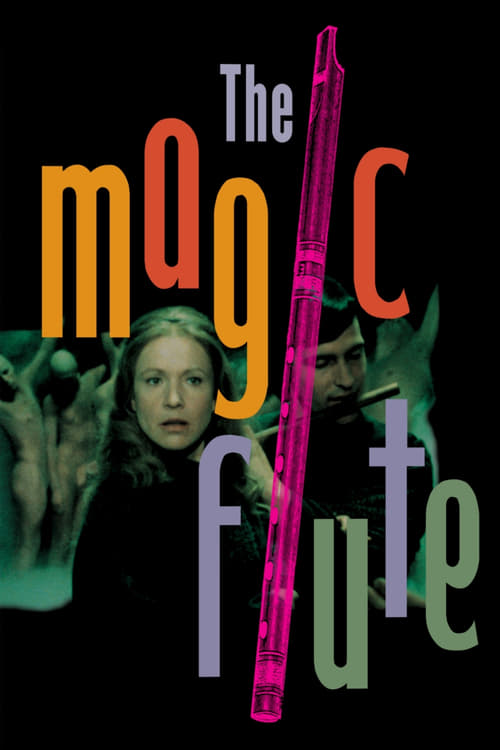
The Magic Flute1975
Ingmar Bergman directs Mozart's wildest opera. Surreal, funny, visually inventive, with music that seems to describe the architecture of joy itself. A masterpiece of cinema that happens to be an opera.
But It's cryptic and symbolic—plot barely matters. Nearly three hours long, and Bergman's staging choices are idiosyncratic in ways that don't suit everyone.
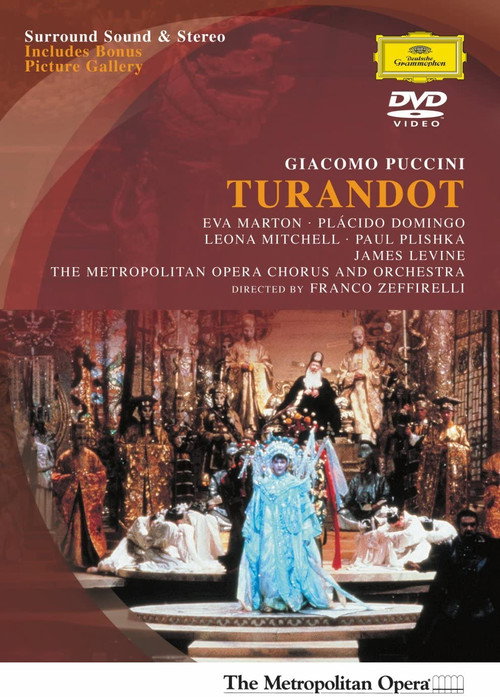
Turandot1987
Puccini's last opera, unfinished and hypnotic. The score is extraordinarily sumptuous, and the story—a man willing to die for love—echoes Traviata's obsession from the other direction.
But It's exotic-orientalist in ways that feel dated, and the final act was completed by another composer. The princess is a cipher, and some find the ending sentimental.
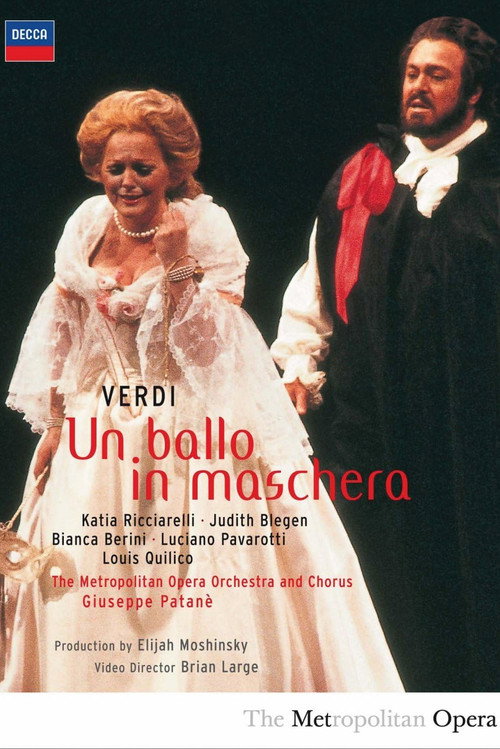
Un Ballo in Maschera1980
Verdi's political opera about murder at a masquerade. It has Traviata's sweep and melody but adds intrigue, betrayal, and the electric charge of men with power being undone by passion.
But It's less familiar than the others, so fewer of the melodies will catch you immediately. The plot is convoluted and the political stakes feel remote now.
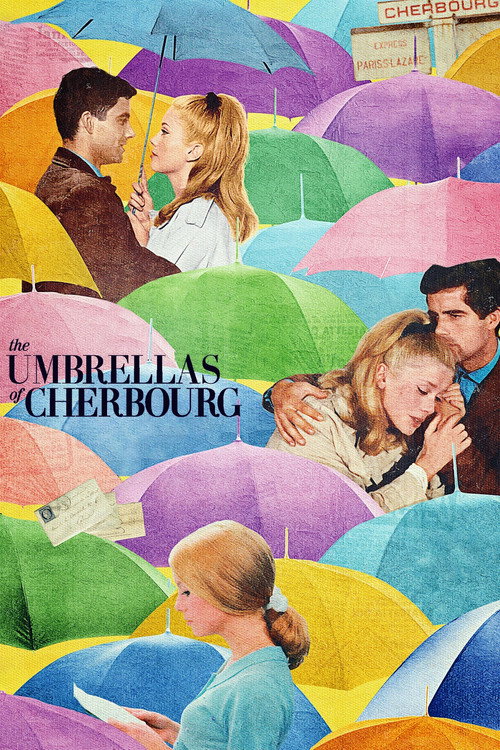
The Umbrellas of Cherbourg1964
Both are sung-through narratives about loving the wrong person, where the form of beauty is inseparable from the content of sorrow. One is opera, one is film musical, but they speak the same language.
Demy's musical about two lovers separated by class and circumstance, told in rhyming couplets and shot in Technicolor so vivid it looks like a painted world. Same architecture as Traviata—impossible love, radiant beauty, resignation—but in a register utterly its own.
But The rhyming dialogue is deeply artificial, and the ending is gentler and less tragic. Some find the artifice cloying, and the colour palette can overwhelm the emotional content.
Requiem for a Dream2000
Both use music as the primary emotional register, both are about desire consuming the person who feels it, and both refuse to sentimentalise that destruction. Traviata makes it beautiful; this makes it unbearable.
Aronofsky's film about addiction—to drugs, to diet pills, to television—uses Clint Mansell's repetitive, escalating score like a sonic Traviata: beautiful melody warped into torture. Four lives destroyed by appetite, filmed with hallucinatory intensity.
But It's relentlessly dark, unflinching about bodily horror, and emotionally punishing. No uplift, no hope, no beauty offered as consolation. Some find it unwatchable.

People
Cast
 Marie McLaughlinVioletta Valéry
- Jane TurnerFlora
 Christopher Thornton-HolmesMarchese d’Obigny
 Gordon SandisonBarone Douphol
- John HallDottore Grenvil
- David HillmanGastone
- Walter MacNeilAlfredo Germont
- Enid HartleAnnina
- Martyn HarrisonGiuseppe
- Brent EllisGiorgio Germont
- Charles KerryCommissionario
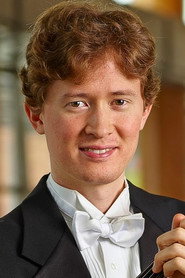 David NolanLeader
Directing
- Peter HallDirector
Writing
- Alexandre Dumas filsNovel
- Francesco Maria PiaveWriter