
Film
La Boheme
Other titles called La Boheme: the 1926 film, the 1982 film, the 1994 film, the 2008 film.
Puccini's masterpiece about poor Parisian artists, love, and mortality, filmed live at San Francisco Opera in 1988. Luciano Pavarotti and Mirella Freni are transcendent as the doomed lovers. It's intimate cinema-opera: you feel the stage warmth, the orchestra's breath, the ache of beauty colliding with real consequence. For anyone who's ever wondered what the fuss is about, this is the answer.
Should you watch it?
Watch it if you want an opera filmed live on stage, where the voices do the heavy lifting and the Freni and Pavarotti pairing is the whole point, with Puccini's sung arias carrying more weight than any camera trick.
Skip it if you come to films for plot momentum or realism; this is a sequence of staged scenes sung in Italian, and the drama moves at the pace of the music rather than the story.
What it asks of you: Settle in for a little under two hours of sung performance, with no dialogue to lean on, and let the stage picture and the singing carry the emotional arc at an unhurried pace.
Not sure? Find tonight's pick in a minute.
If you liked this
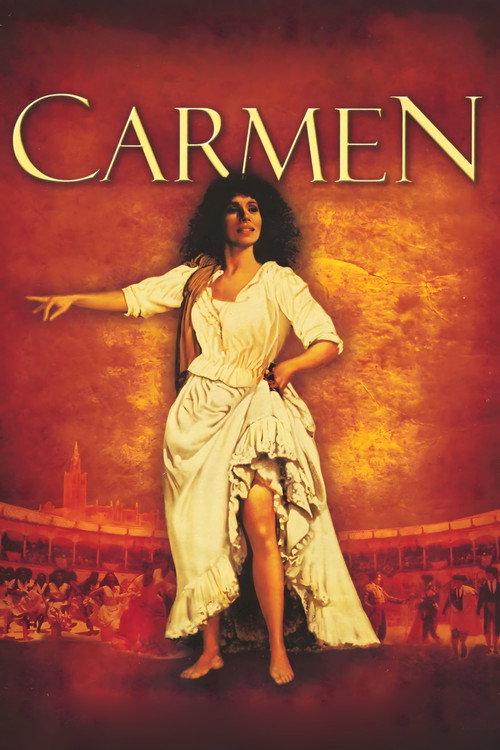
Carmen1984
François Girard's film of Bizet's opera is equally visual and urgent, with a cast that commits body and soul. The passion feels dangerous rather than theatrical—you forget you're watching an opera.
But It's a different kind of beautiful, more raw and less decorative than La Bohème. If you want lush romanticism, this goes for the jugular instead.
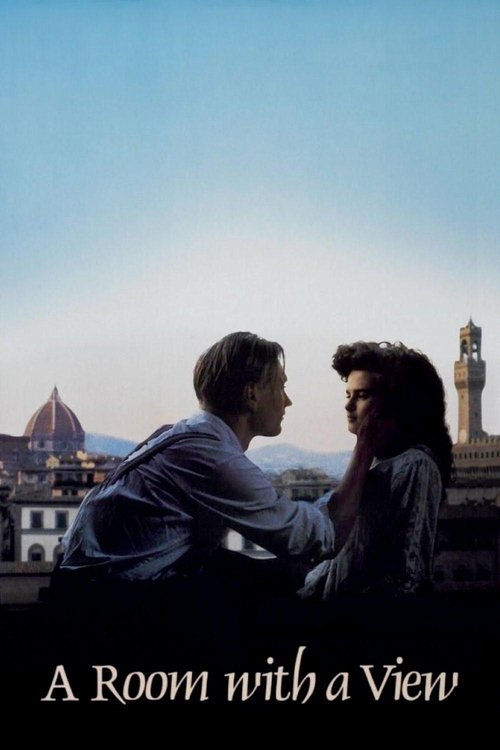
A Room with a View1986
Young people in Europe discovering art, passion, and who they really are. It has La Bohème's romance and idealism, but in Edwardian drawing rooms instead of a garret. The emotional stakes are just as real, the cinematography is sumptuous.
But It moves at a different pace—slow, deliberate, literary. If you want music to carry you, this asks you to sit with quiet scenes and British restraint.
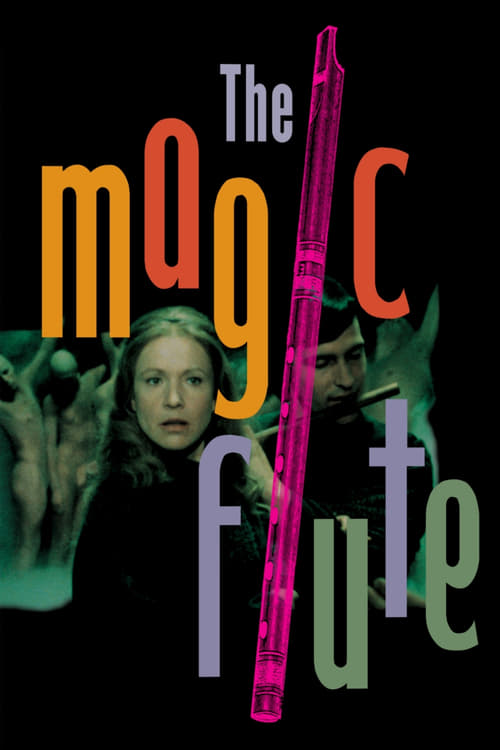
The Magic Flute1975
Ingmar Bergman's Mozart film is painterly and strange, full of theatrical magic and real human yearning. It proves opera can be cinema, not just performance capture. Completely absorbing.
But It's visually eccentric and symbolically dense. If you want straightforward storytelling, you'll be puzzling over Bergman's intentions instead.
Not sure tonight? Get a pick in a minute, starting from La Boheme
The wildcard
Something you would not have found on your own.
Synecdoche, New York2008
Both are elaborate, seemingly impossible projects about artists who can't stop reaching for something that will destroy them.
Charlie Kaufman's film is operatic in structure: a man building a life-size replica of New York inside a warehouse, art consuming reality, love impossibly distant and burning. Like La Bohème, it's about artists destroying themselves for beauty. The connection is tonal and structural—both are elaborate, seemingly impossible projects about people who can't stop reaching.
But It's genuinely difficult and occasionally incomprehensible. The aesthetic is deliberately ugly. You have to work, and some viewers find that exhausting rather than rewarding.

More like this (5)
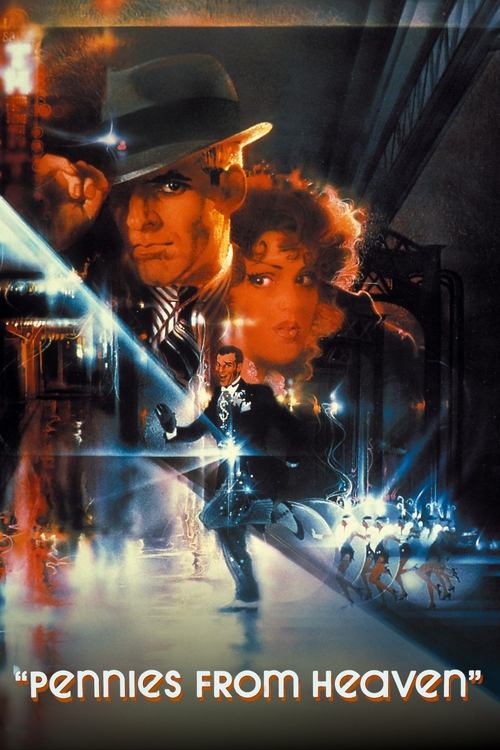
Pennies from Heaven1981
A Depression-era film where characters burst into old songs as emotional release—it's like an opera made from real life and popular music. Deeply melancholic, gorgeously shot, about longing and small joys.
But It's not actually an opera, and the tonal shifts can feel jarring. The sadness is heavier than the beauty, which isn't for everyone.
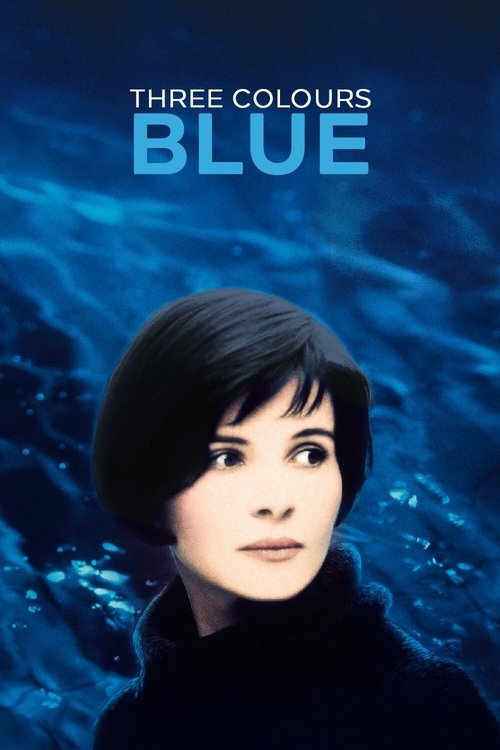
Three Colors: Blue1993
Kieslowski's meditation on loss and silence, with a composer's unfinished opus at its heart. It's a film about music without much music—the space where sound should be is the point. Haunting and precise.
But It's abstract and slow. There's no plot in the traditional sense, just a woman learning to live after grief. You have to surrender to it.
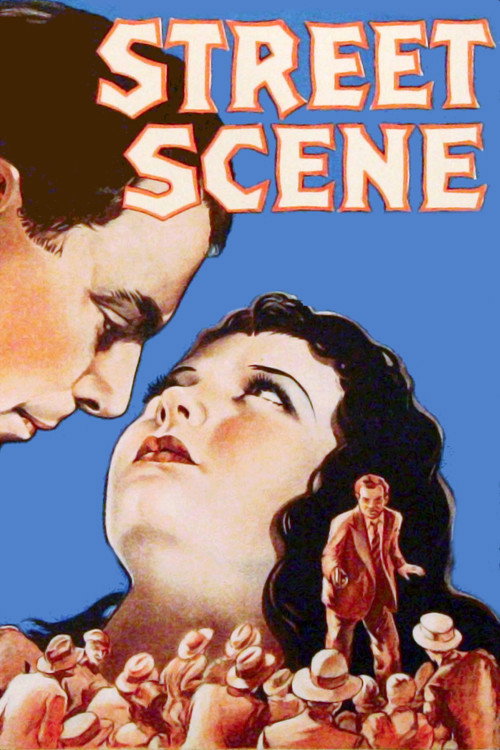
Street Scene1931
An early opera film about ordinary New Yorkers, less polished than La Bohème but rawer and more surprising. Gershwin, Langston Hughes—it catches a moment when American art was still figuring itself out.
But The film quality is poor, the acting is primitive by modern standards, and the plot meanders. It's a historical curiosity more than a seamless viewing experience.
Chungking Express1994
Both are about beautiful, broke young people in a city, where love is lyrical and heartbreak is inevitable—but told through completely different visual languages.
Wong Kar-wai's Hong Kong film has La Bohème's romanticism and melancholy, but it's shot like a neon dream and moves like a music video. Young people in a bustling city, brief encounters, songs, bittersweet endings—it's opera for the MTV generation, but with genuine feeling underneath.
But It's visually overwhelming and narratively loose. If you need clear story beats, the fragmented structure will frustrate you. It's mood over plot.

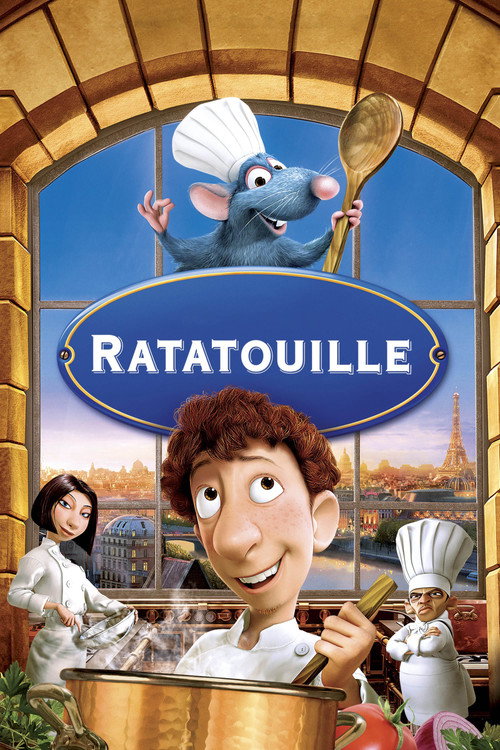
Ratatouille2007
Both locate grandeur and tragedy in ordinary lives in Paris; both understand that art and love are the only things that matter, even when they destroy you.
An animated film about art, Paris, and the collision between high ambition and impossible circumstances. Like La Bohème, it's ultimately about passion—the willingness to stake everything on beauty and craft. Michael Giacchetti's score is operatic without being operatic. It's genuinely moving.
But It's a Pixar film, so it's cheerful and has a happy ending. If you're seeking La Bohème's tragic weight, the optimism will feel saccharine.
People
Cast
- Tiziano SeveriniSelf - Conductor
 Mirella FreniMimì
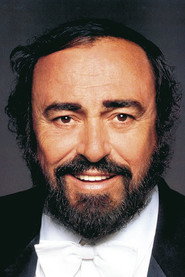 Luciano PavarottiRodolfo
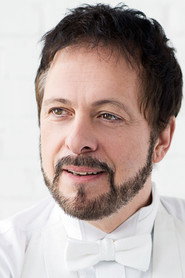 Gino QuilicoMarcello
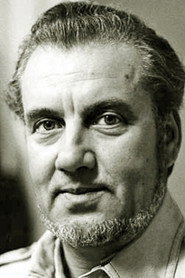 Nicolai GhiaurovColline
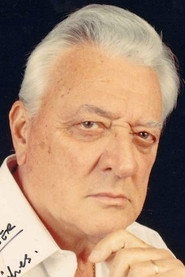
- Orchestra of the San Francisco Opera HouseSelf - Orchestra
- Chorus of the San Francisco Opera HouseSelf - Chorus
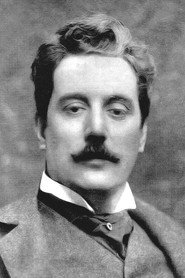 Giacomo PucciniSelf - Composer
Directing
- Brian LargeDirector
- Francesca ZambelloDirector
Writing
- Giacomo PucciniWriter
- Giuseppe GiacosaWriter
- Luigi IllicaWriter
Recommended by
Great Performances, The Magic Flute, Carmen, Don Giovanni, Tosca, The Great Waltz, La Rondine, Tosca, Il Trovatore, Lucia di Lammermoor, Un Ballo in Maschera, Tosca, Don Carlo, Wozzeck, Fidelio, Der Rosenkavalier, The Magic Flute, Dido and Aeneas, Rigoletto, Lucia di Lammermoor, La Traviata