
Film
La Bohème
Other titles called La Bohème: the 1926 film, the 1982 film, the 1988 film, the 2008 film.
Puccini's *La Bohème* arrives as a filmed opera, a 1994 Australian production that captures the intimate beauty of this most-loved score. It's performed by the Australian Opera with lustrous voices and real chemistry between its leads. A perfect entry point if you've heard the music but never seen the story, or if you want to experience operatic passion without the stuffiness of a traditional stage production.
If you liked this
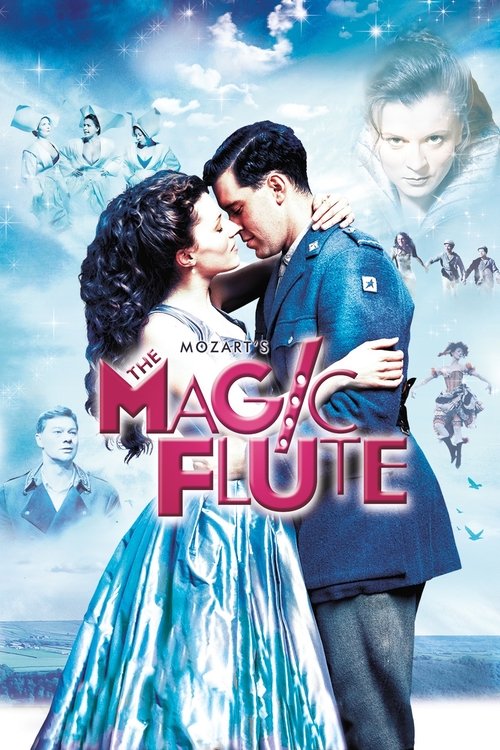
The Magic Flute2006
Ingmar Bergman's filmed opera is visually stunning and deeply human—he treats the music and story as a complete theatrical world, not just a concert with costumes. A masterclass in how cinema can serve opera.
But It's long, dialogue-heavy between arias, and Bergman's sensibility is austere rather than romantic. Not everyone wants to sit with that kind of patient melancholy.
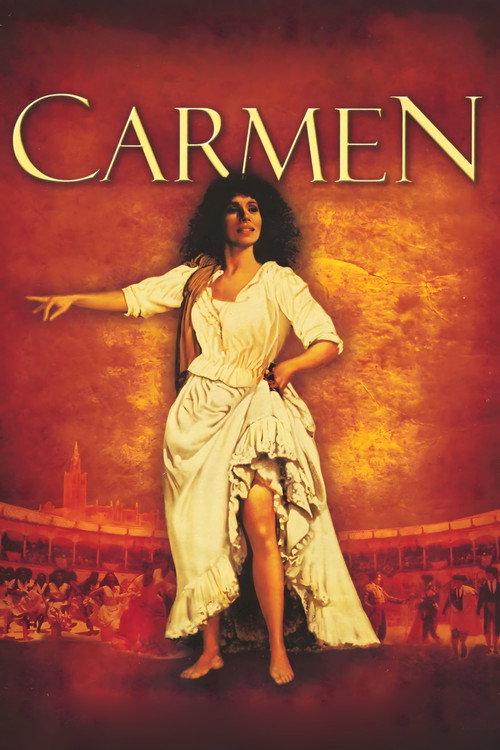
Carmen1984
François Rosi's film transposes the opera into its proper 1880s Seville, with a real toreo and genuine street locations. The passion feels dangerous and consequential rather than theatrical.
But It's darker and grittier than the romance of *La Bohème*, and the ending leaves no room for sentiment. Some find it punishing rather than cathartic.
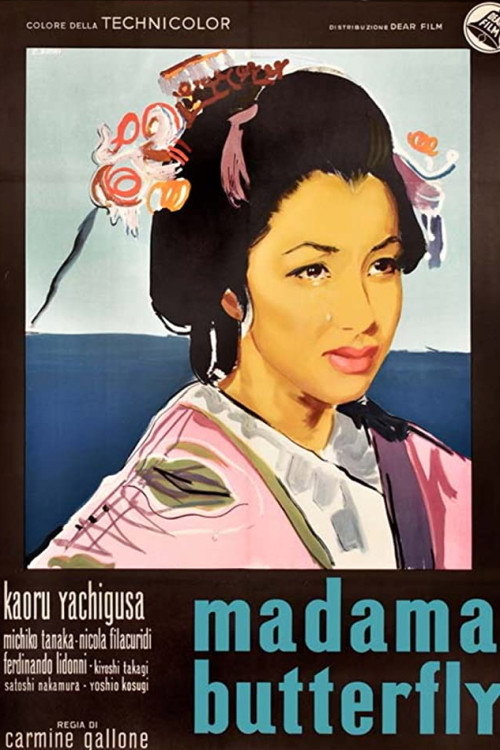
Madame Butterfly1954
The same production company gives Puccini the visual treatment, with Cheryl Barker reprising her gift for wringing tenderness from the score. A companion piece that shares its emotional directness.
But The cultural politics embedded in the story are complicated and sometimes uncomfortable to watch enacted clearly on film. It rewards engagement but doesn't let you look away.
Not sure tonight? Get a pick in a minute, starting from La Bohème
The wildcard
Something you would not have found on your own.
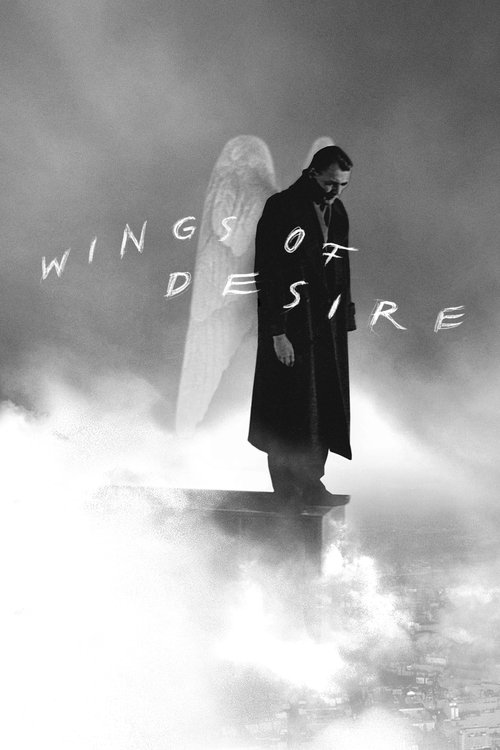
Wings of Desire1987
Both films find transcendence in watching people deeply in love, and both treat the question of mortality—what it means to live fully knowing loss is coming—as the real story.
Wim Wenders' film is about impossible love and the beauty of ordinary human moments in a divided Berlin. Like *La Bohème*, it's about longing and the fragility of connection, but approached as philosophical poetry rather than dramatic narrative. Haunting and strange.
But It's slow, elliptical, and asks you to accept ambiguity and metaphor instead of plot resolution. Patience required; conventional narrative satisfaction not guaranteed.
More like this (7)
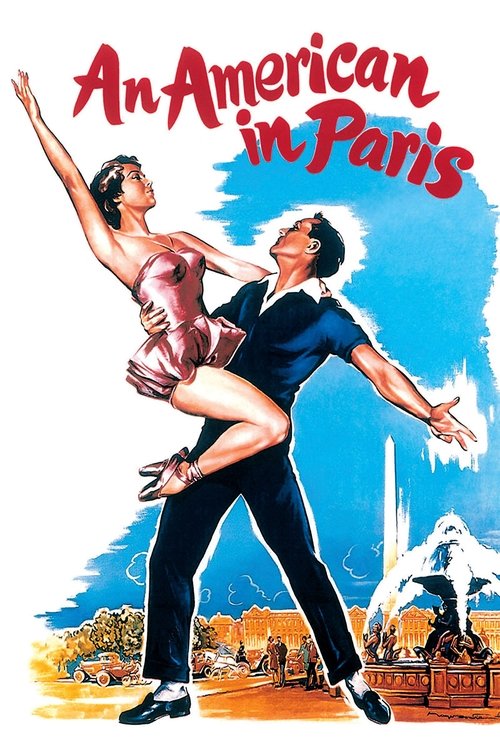
An American in Paris1951
Gene Kelly and Leslie Caron give you the same Paris bohemia but in musical theater form—young artists, doomed romance, the city as character. Pure enchantment shot through with melancholy.
But It's a different beast entirely, more dance than singing, and the plot is deliberately lighter. You won't get the emotional weight you're seeking.
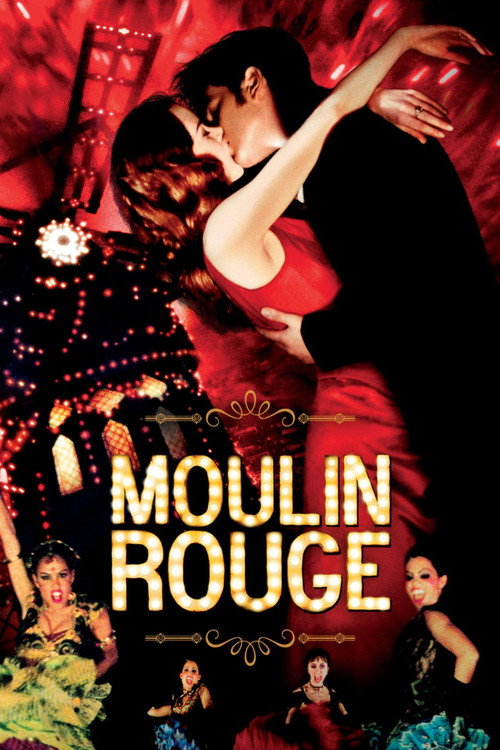
Moulin Rouge!2001
Baz Luhrmann's baroque fever dream also uses *La Bohème* as its skeleton—two poor artists, Parisian nightlife, tuberculosis. Wildly excessive but genuinely moving underneath the spectacle.
But It's aggressively modern and self-aware, loud where *La Bohème* is intimate. The style can overshadow the story for those who prefer restraint.
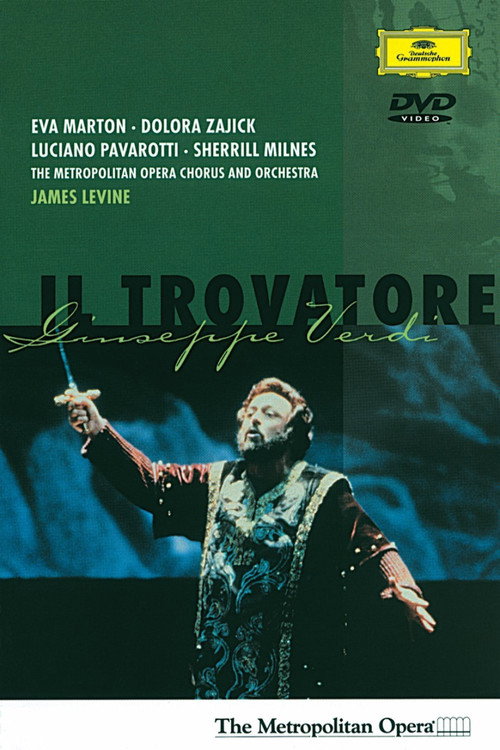
Il Trovatore1988
Rigoletto's cousin in melodramatic intensity, and this BBC production captures the muscular drama Verdi wrote into the score. If you loved how *La Bohème* makes you feel, this will too.
But The plot is genuinely baffling and requires attention to follow. You'll need to accept a lot of contrivance in service of pure emotion.
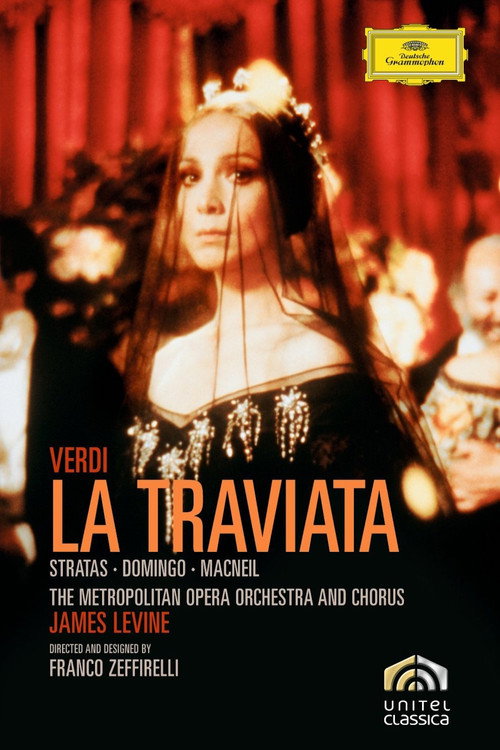
La traviata1982
Verdi's story of a courtesan and a young nobleman who love each other in impossible circumstances. Another opera about poor lovers in grand cities; it has *La Bohème*'s emotional core with more social commentary.
But The heroine's profession is central to the plot in a way that can feel dated or uncomfortable depending on your perspective. The pacing is slower than the passion might suggest.
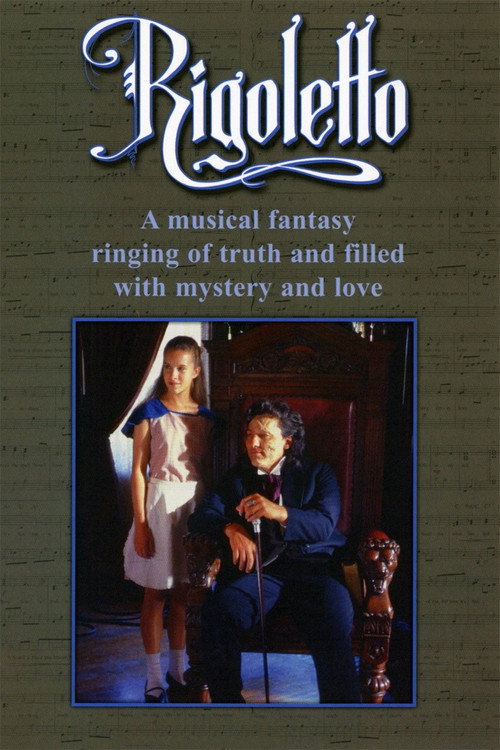
Rigoletto1993
Verdi at full throttle—murder, seduction, a curse, unforgettable melodies. If you're hungry for more opera after *La Bohème*, this is the gateway drug, packed with moments that lodge in your brain forever.
But It's darker and more cynical than *La Bohème*'s romantic tragedy, and the plot hinges on some genuinely terrible behavior. Some find it excessive compared to Puccini's restraint.
Stalker1979
Both *La Bohème* and *Stalker* are structured around a journey toward something precious, and both understand that the real subject is the desire itself, not the destination.
Andrei Tarkovsky's meditation on longing and desire unfolds at glacial pace through industrial landscapes. It's about people moving toward what they most want, and what happens when the wanting matters more than the having. Profound and meditative.
But It's nearly three hours of very slow cinema with philosophical dialogue and long takes of corridors. If you need narrative momentum or conventional emotion, this will feel like waiting for a bus that may never come.

Umberto D.1952
Like *La Bohème*, it finds beauty and humanity in poverty without making poverty beautiful. Both are love letters to people society has forgotten.
Vittorio De Sica's neorealist masterpiece follows an elderly pensioner and his dog in post-war Rome, watching him cling to dignity as poverty closes in. It shares *La Bohème*'s setting and era, its deep compassion for people with nothing, and its refusal to sentimentalize hardship.
But There's no music, no romance, no transcendence—just a quiet, unglamorous decline. It can feel more depressing than moving if you're seeking uplift rather than truth.

People
Cast
- Cheryl BarkerMimì
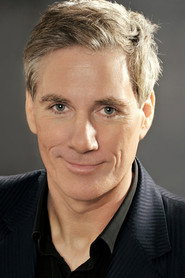 David HobsonRodolfo
- Roger LemkeMarcello
- Christine DouglasMusetta
- Gary RowleyColline
- David LemkeSchaunard
Directing
- Baz LuhrmannDirector
- Geoffrey NottageDirector
Writing
- Giacomo PucciniMusical
- Giuseppe GiacosaWriter
- Henri MurgerWriter
- Luigi IllicaWriter