
Film
Madame Butterfly
Other titles called Madame Butterfly: the 1915 film, the 1932 film, the 1995 film.
Carmine Gallone's 1954 film renders Puccini's tragic opera with operatic splendour and Japanese authenticity. Shot across real locations, it finds visual grandeur in intimate spaces—a Nagasaki garden becomes the stage for heartbreak. A love story that knows, from its first notes, how it will end. For anyone moved by beautiful things that hurt.
If you liked this
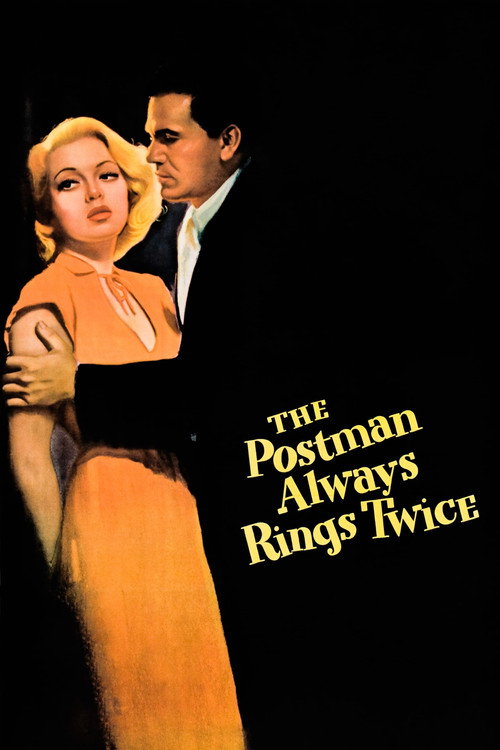
The Postman Always Rings Twice1946
Same tragic engine: a beautiful woman, a charming man, a promise he can't or won't keep, and a doom that tightens with every frame. Noir's fatalism in a different key, but the inevitability is identical.
But Sparse, American, no music or gardens. If you need beauty as well as heartbreak, this is starker than you might want.
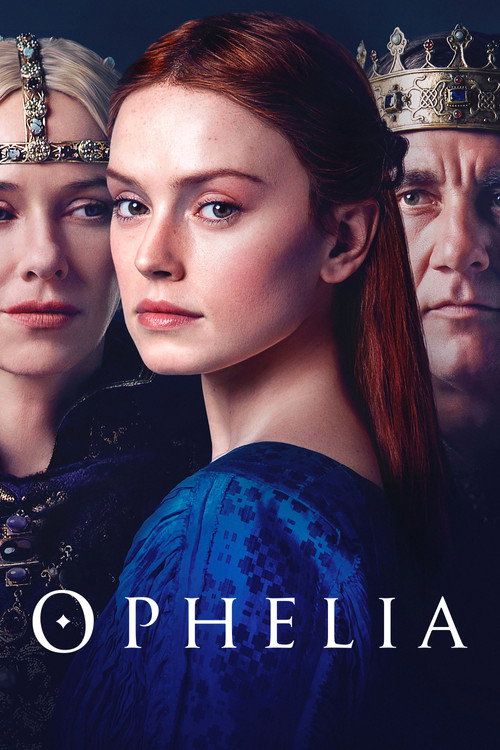
Ophelia2019
Explores the powerlessness of a woman caught between powerful men's agendas, much like Butterfly. Gorgeously shot, with the weight of cultural displacement and impossible loyalty. A feminist reframing of a familiar tragedy.
But Modern adaptation of Shakespeare rather than opera. Some find the self-consciously feminist angle didactic rather than earned.
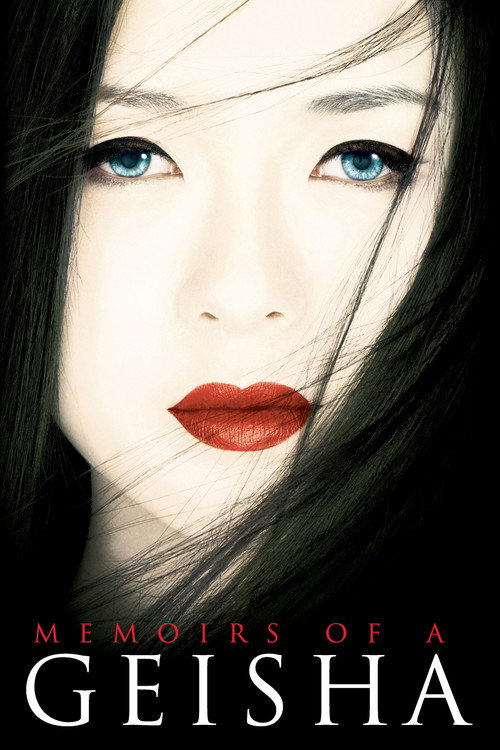
Memoirs of a Geisha2005
Visually sumptuous, deeply concerned with Japanese beauty and female commodification. A woman's agency stripped away by circumstance and culture. The production design matches Gallone's lush approach.
But Rob Marshall's direction feels more like polished fantasy than lived experience. Lacks the operatic weight and emotional devastation you need here.
Not sure tonight? Get a pick in a minute, starting from Madame Butterfly
The wildcard
Something you would not have found on your own.
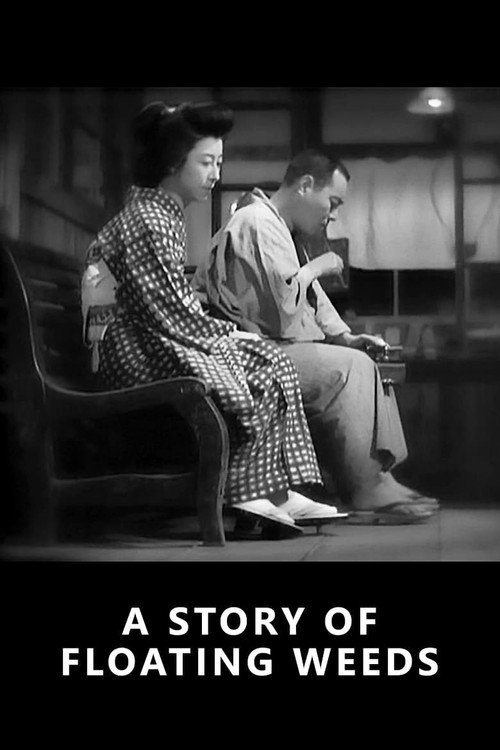
A Story of Floating Weeds1934
Both films belong entirely to a visual and emotional world; both understand that the most devastating moments arrive in stillness, not crescendos. Both grieve what cannot be changed.
Ozu's silent film explores the same collision between traditional Japanese life and outside forces, the same gentleness hiding unbearable sorrow. A visiting troupe disrupts a community; the damage is quiet, permanent, unfixable. Pure cinema, no music needed.
But It's silent and Japanese and demands you sit with long shots of ordinary life. Ozu rewards patience; he punishes impatience.
More like this (7)
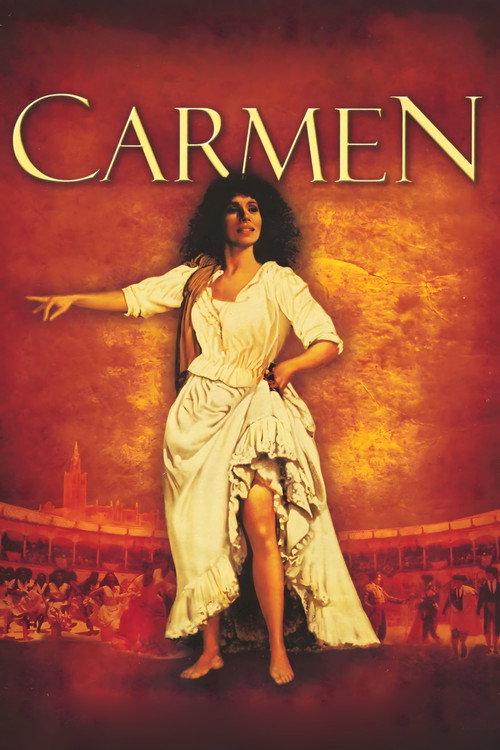
Carmen1984
Another opera filmed with real locations and genuine grandeur. A passionate woman and a man who can't love her enough. Rosi's direction finds tragedy in movement and landscape, not just in singing.
But If you're not already interested in opera cinema, two operas back-to-back might test your patience. This one is also quite long.
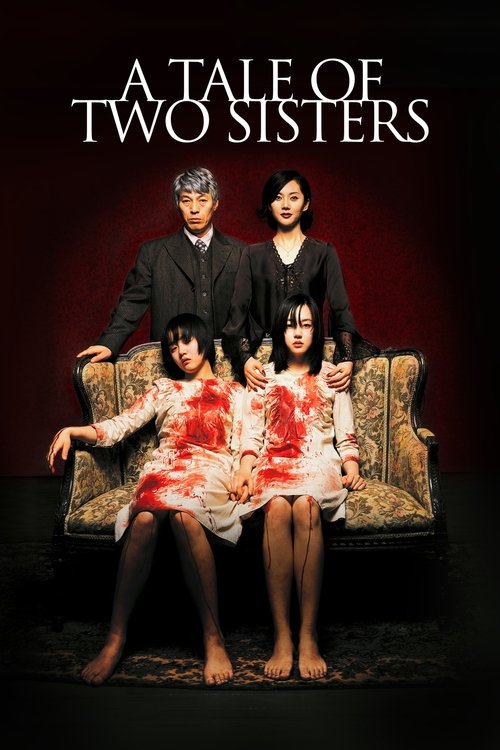
A Tale of Two Sisters2003
A devastated woman caring for a cruel man who controls her utterly. Korean Gothic that explores servitude and beauty with the same quiet, unbearable inevitability. Hypnotic cinematography, profound sadness.
But It's a horror film, so there's real dread alongside the tragedy. If you want pure romance-opera, this tonal shift might jar you.
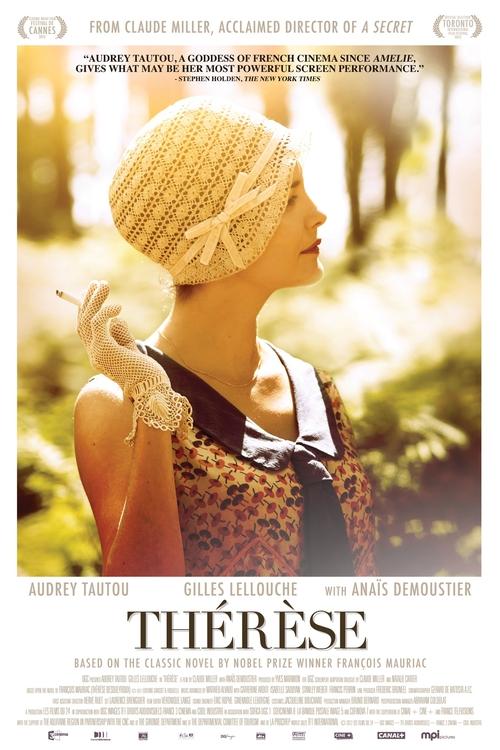
Thérèse2012
Noemie Lvovsky's intimate portrait of a woman shaped entirely by duty and devotion. Quiet, devastating, gorgeously mounted period film. The same erasure of self that Butterfly experiences, handled with immense tenderness.
But Very slow, very interior. There are no grand gestures or sweeping music. It requires patience and an appetite for emotional subtlety.
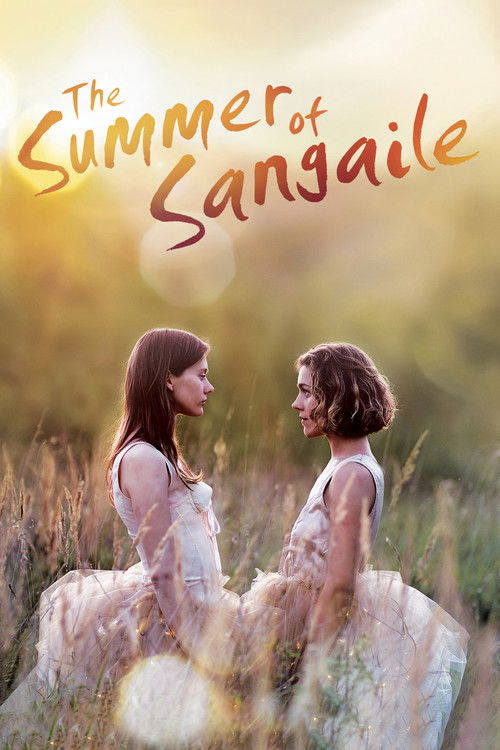
The Summer of Sangaile2015
A young woman in love with someone whose world she can never fully enter. Visually beautiful, achingly romantic, and grounded in the specific experience of impossible longing across a cultural divide.
But Lithuanian indie film, low budget, no opera. A smaller, quieter emotional world than Puccini. Some find the pacing too meditative.
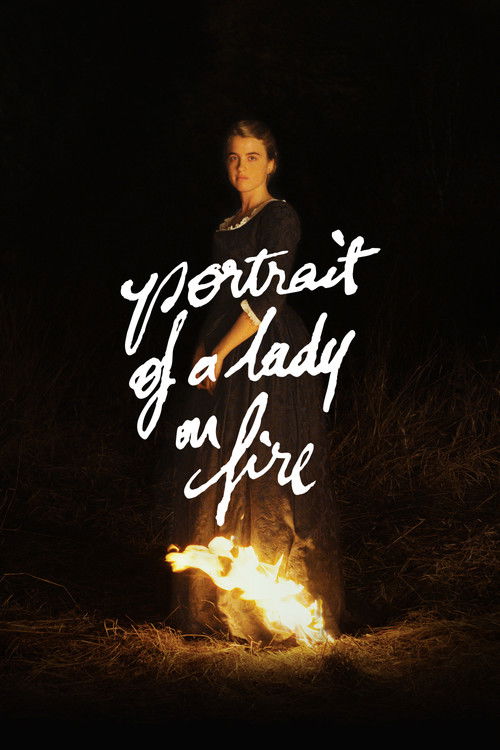
Portrait of a Lady on Fire2019
A brief, doomed romance between two women separated by circumstance and duty. Celine Sciamma creates visual and emotional intensity that lingers long after. Explores the pain of loving someone you'll lose.
But Sapphic romance rather than heterosexual. If you're specifically seeking the Puccini archetype unchanged, this rewrites it substantially.
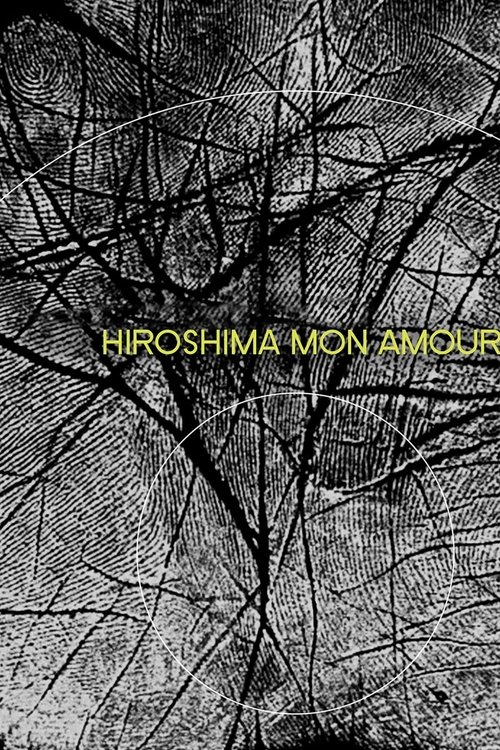
Hiroshima Mon Amour1959
Both films are obsessed with how history and culture collide in romantic love, how desire becomes entangled with geopolitics. Both understand Japan as a place where beauty and tragedy are inseparable.
Alain Resnais' documentary-fiction hybrid about a French actress and a Japanese architect navigating desire, memory, and the weight of history in post-war Japan. Formally audacious, emotionally shattering, shot in black and white with hypnotic editing.
But Experimental narrative structure. If you need plot clarity and emotional directness, Resnais will frustrate you. It operates by suggestion and echo, not exposition.
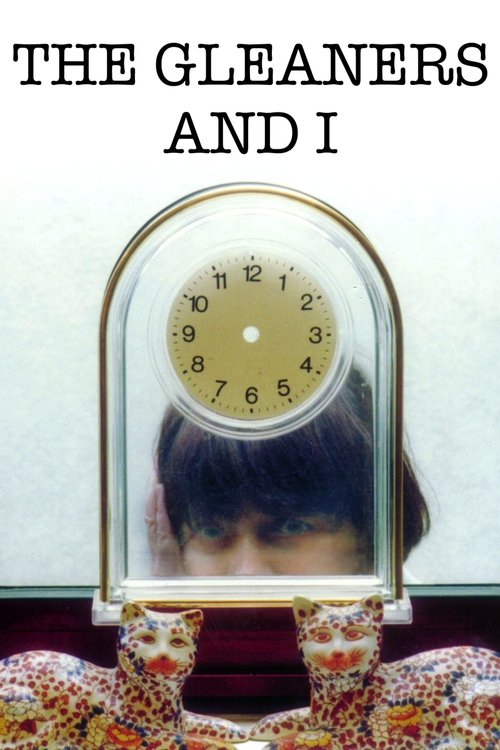
The Gleaners and I2000
Both works honour the lives of people the world deems disposable. Both find beauty and moral weight in what others overlook. Both insist we look, really look, at what we usually ignore.
Agnès Varda's documentary about people collecting scraps, survival, dignity in precarity. Nothing to do with opera, but everything to do with grace under powerlessness. Warm, funny, visually inventive, deeply humane.
But It's a documentary essay, not narrative cinema. You're watching a 82-year-old director think on screen about value and waste. If you need plot, you'll be lost.
People
Cast
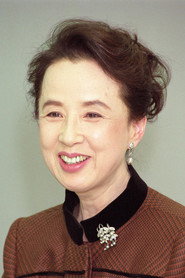 Kaoru YachigusaCio-Cio-San
- Nicola FilacuridiPinkerton
- Michiko TanakaSuzuki
- Ferdinando LidonniSharpless
- Kiyoshi TakagiGoro
 Yoshio KosugiBonze
 Tetsu NakamuraYamadori
- Orietta MoscucciSinger: Cio-Cio San
- Giuseppe CamporaSinger: Lt. Pinkerton
- Josephine CorryKate Pinkerton
- Yoshiko AsahinaGeisha
- Kôko FujinamiGeisha
Directing
- Franco CirinoAssistant Director
- Franco SerinoAssistant Director
- Yasuzō MasumuraAssistant Director
- Yoshio AoyamaAssistant Director
- Carmine GalloneDirector
Writing
- Giacomo PucciniOpera
- Carmine GalloneScreenplay
- Iwao MoriScreenplay
- Carla GervasiScript Editor
- Giuseppe GiacosaStory
- Luigi IllicaStory
- David BelascoTheatre Play
Production
- Angelo RizzoliExecutive Producer
- Guido LuzzattoExecutive Producer
- Iwao MoriExecutive Producer
- Nagamasa KawakitaExecutive Producer
- Kenichiro TsunodaProducer's Assistant
- Giulio FiaschiProduction Manager
Recommended by
Tosca, Tosca, Romance & Cigarettes, Tosca, Strauss: Der Rosenkavalier, La Bohème