
Film
Madame Butterfly
Other titles called Madame Butterfly: the 1932 film, the 1954 film, the 1995 film.
- Drama
- Tragic romance
- Very dark
Mary Pickford's 1915 adaptation of Puccini's opera tells the tragic tale of a young Japanese woman who marries an American officer, only to face heartbreak when he abandons her. Silent cinema at its most emotionally direct, shot with painterly compositions that transform personal devastation into something monumental. For viewers curious about how early film handled cultural collision and female suffering.
If you liked this
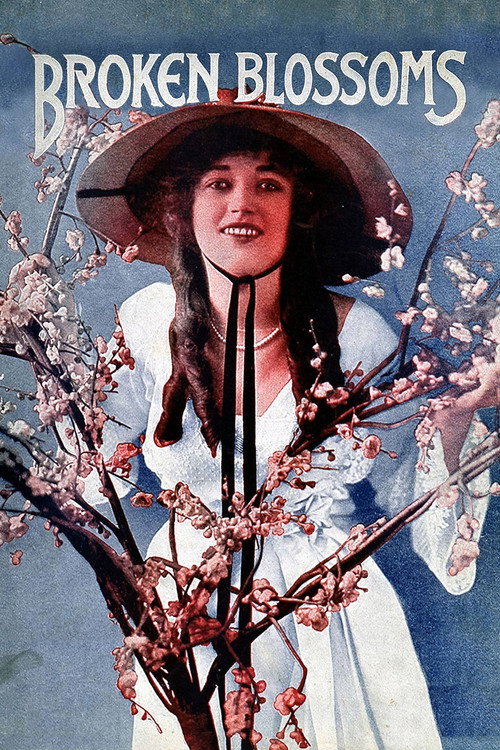
Broken Blossoms or The Yellow Man and the Girl1919
Lillian Gish in D.W. Griffith's meditation on love across cultures and the violence that awaits tenderness. Visually ravishing, deeply felt, and profoundly moving in ways that still work a century later.
But Griffith's politics are abhorrent, and the film doesn't distance itself from them. It's also melodramatic in a way that requires patience with silent-era storytelling conventions.
Sunrise: A Song of Two Humans1927
F.W. Murnau's masterpiece about a marriage tested by temptation and infidelity, told with such visual sophistication and emotional intelligence that it makes most talking pictures look clumsy by comparison.
But The pacing is deliberate. If you're used to modern editing rhythms, the film's unhurried gaze can feel glacial at first.

The Phantom Carriage1921
Vik Sjöström's Swedish ghost story about regret and redemption, told with haunting imagery and a moral weight that rivals any contemporary drama. A masterwork of visual storytelling.
But It's slow and heavy—a film that demands emotional engagement rather than entertainment. The plot hinges on supernatural exposition that feels dated.

Not sure tonight? Get a pick in a minute, starting from Madame Butterfly
The wildcard
Something you would not have found on your own.
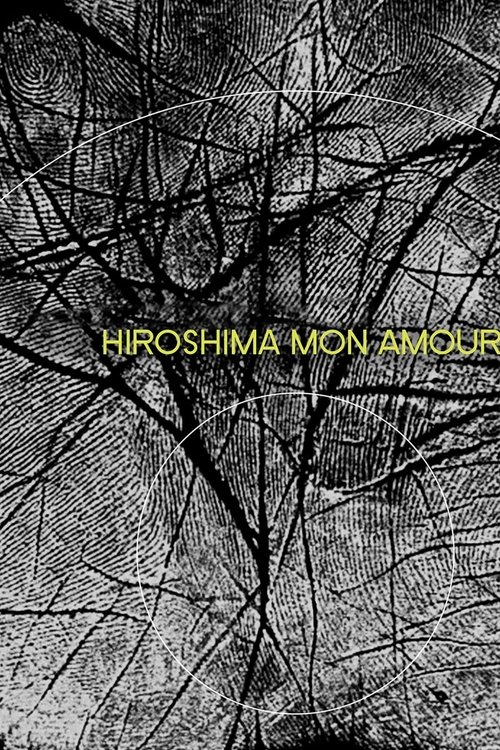
Hiroshima Mon Amour1959
Both films are about impossibly doomed cross-cultural romance, but where Pickford's film is a tragedy played at full emotional volume, Resnais's uses formal fragmentation to suggest that the pain is too large for coherent storytelling.
Alain Resnais's modernist masterpiece about a French actress and a Japanese man attempting love across the wreckage of history. Like Madame Butterfly but stripped of melodrama—fractured, elliptical, devastating in its refusal to resolve.
But It's experimental and difficult. The narrative jumps between past and present without clear markers, and Resnais assumes you'll meet him halfway through uncertainty.
More like this (8)
Nosferatu1922
F.W. Murnau again, this time crafting pure dread from shadow and suggestion. A vampire film that works as both horror and tragedy, with a finale of devastating poignancy.
But The vampire is genuinely unsettling, which some find difficult. It's also a silent film adaptation of a book Murnau didn't have rights to—the legal chaos adds layers of obscurity to prints.

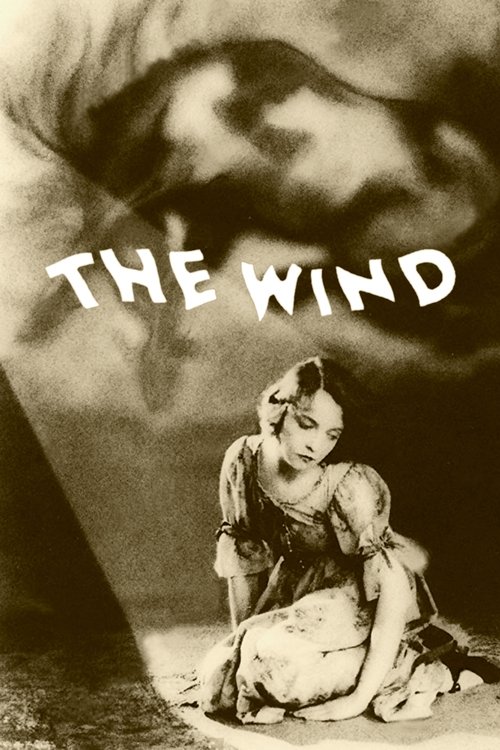
The Wind1928
Lillian Gish again, this time broken by the harsh American frontier—a film about psychological unraveling as beautiful and pitiless as anything in cinema. Victor Sjöström directs with extraordinary control.
But Gish's descent into madness is harrowing. The happy ending feels tacked on because it is—audiences rejected the original, darker finale.
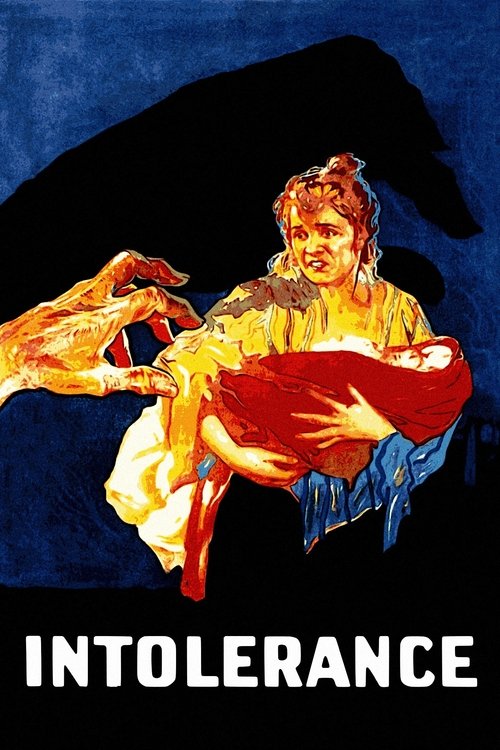
Intolerance: Love's Struggle Throughout the Ages1916
D.W. Griffith's sprawling epic intercuts four historical love stories across centuries, exploring how power crushes individual feeling. Audacious, visually staggering, and genuinely innovative.
But It's nearly four hours long, plotwise confusing, and Griffith's racism remains embedded throughout. The structure, while innovative, can feel repetitive.
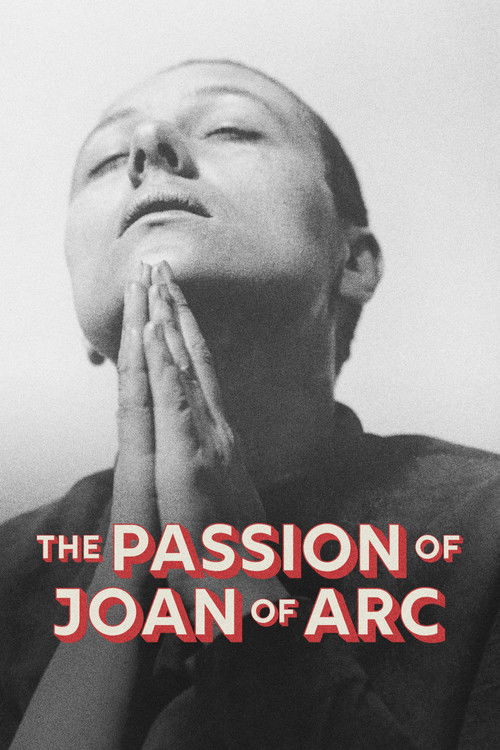
The Passion of Joan of Arc1928
Carl Theodor Dreyer's unbearably intimate close-ups of Renée Jeanne Falconetti transform silent cinema into something like a psychological X-ray. Suffering made transcendent through performance and camera.
But It's relentlessly focused on one woman's face and faith. No relief, no distraction—some find that intensity exhausting rather than cathartic.
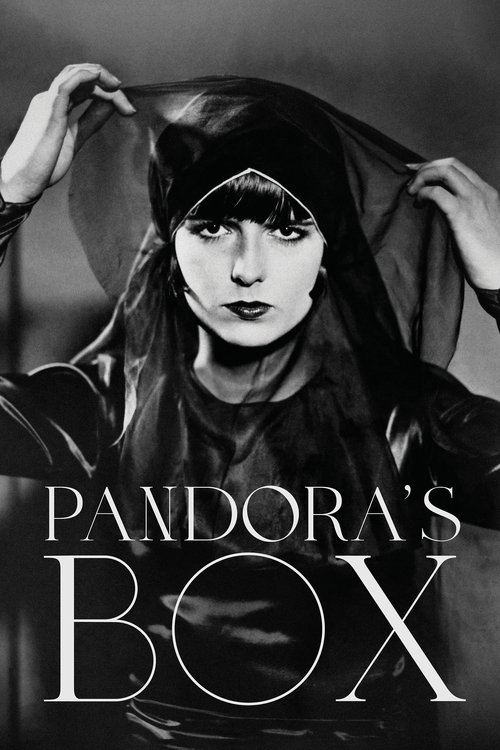
Pandora's Box1929
G.W. Pabst's film about destructive desire and social hypocrisy, with Louise Brooks giving perhaps the greatest silent performance ever recorded. A woman undoes men, and everyone gets what they deserve.
But Lulu is amoral and fascinating rather than sympathetic. The ending is bleak in a way that offers no redemption or explanation.
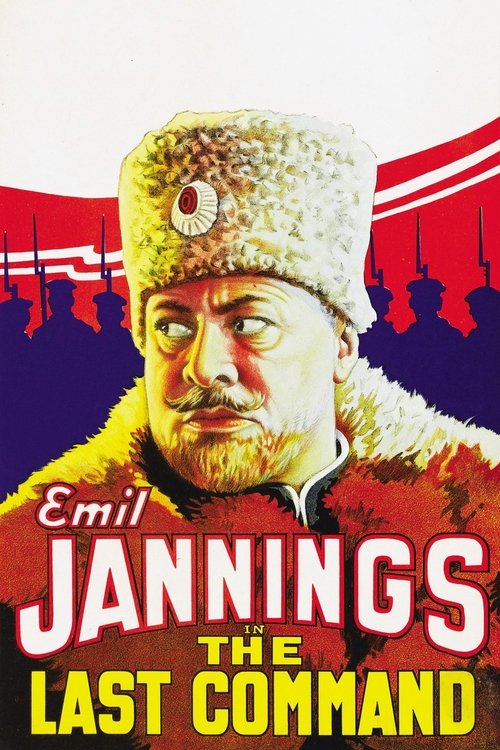
The Last Command1928
Emil Jannings as a deposed Russian general reduced to acting in Hollywood films—a brilliant meta-commentary on exile, pride, and the cruelty of failure. Josef von Sternberg directs with dark sophistication.
But It's a character study more than a plot. The political resonances feel distant without context about the Russian Revolution.
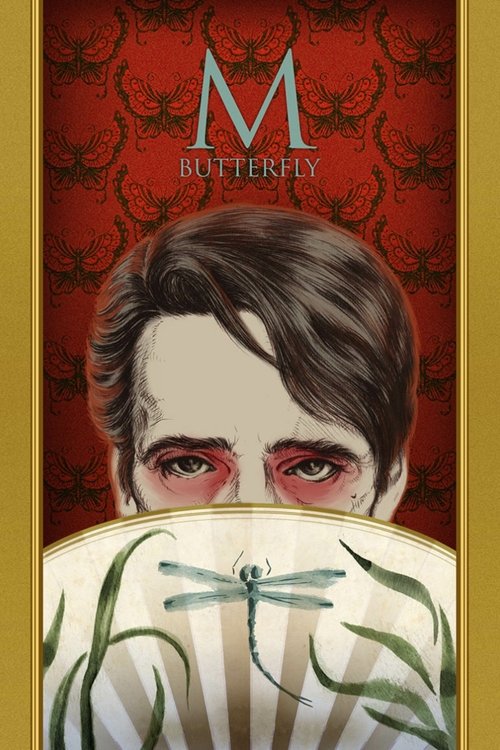
M. Butterfly1993
Both use the Puccini opera as their buried skeleton, but where Pickford told the story straight, Cronenberg and Hwang ask what happens when you question who deserves our sympathy in that tale.
David Cronenberg's film adaptation of David Henry Hwang's play about a French diplomat's decades-long affair with a Peking Opera performer who may not be who he believes. The inverse of Madame Butterfly—here the Oriental is the deceiver, the Westerner is blindly romantic, and the gender politics are deliberately overturned.
But It's sexually explicit and philosophically slippery. Hwang's play made a point about Orientalism; the film sometimes just uses that intelligence as costume for an erotic drama.
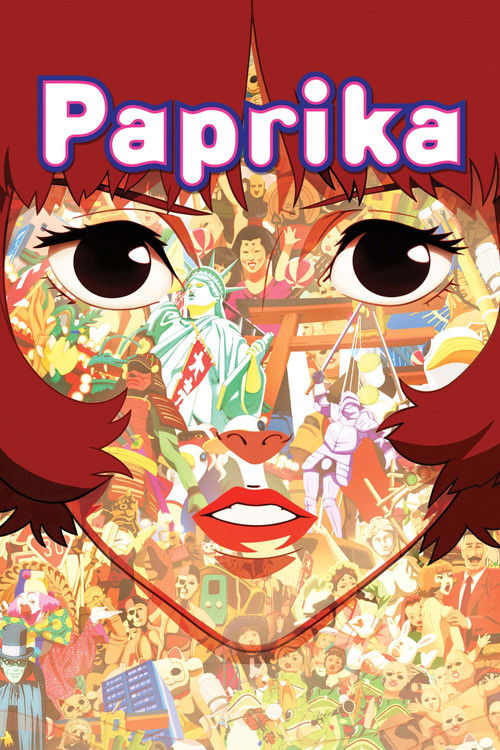
Paprika2006
Like Madame Butterfly, it's fundamentally about a woman—here a therapist—whose consciousness is invaded and ultimately destroyed by forces she cannot control. But where Pickford's film is rooted in historical tragedy, Kon renders the interior collapse in hallucinogenic, almost abstract terms.
Satoshi Kon's anime masterpiece about a dream-therapy device that collapses the boundary between fantasy and reality. It's less a narrative than a gorgeous, dizzying descent into the subconscious—all color and movement and emotional intelligence.
But It's animated, which puts some viewers off immediately. The plot is deliberately confusing, and the ending privileges visual spectacle over narrative resolution.
People
Cast
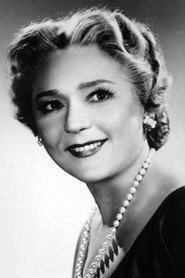 Mary PickfordCho-Cho-San
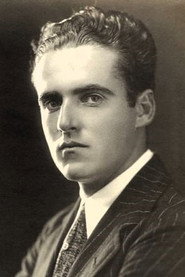 Marshall NeilanLt. Pinkerton
- Olive WestSuzuki
- Jane HallAdelaide
- Lawrence WoodCho-Cho-San's Father
- Caroline HarrisCho-Cho-San's Mother
- M.W. RaleThe Nakodo
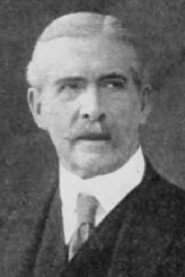 William T. CarletonThe American Consul
- David BurtonThe Prince
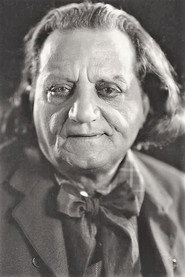 Cesare GravinaThe Soothsayer
- Frank DekumNaval Officer
Directing
- Sidney OlcottDirector
Writing
- John Luther LongNovel