
Film
Madame Butterfly
Other titles called Madame Butterfly: the 1915 film, the 1932 film, the 1954 film.
Frédéric Mitterrand's film of Puccini's opera follows a young Japanese geisha who marries an American naval officer, only to face devastating betrayal. Gorgeously mounted and emotionally shattering, it's opera cinema for people who love visual beauty as much as music—a story about love's cruelty told through some of the most gorgeous melodies ever written.
Should you watch it?
Watch it if you love opera for its voices and its love story told through sung emotion, and want a staging where the singing carries the drama rather than a screen full of action.
Skip it if you need brisk pacing, since nearly all of its two hours and fifteen minutes is sung, and sung dialogue can feel slow to anyone new to opera.
What it asks of you: Settle in for a long, unhurried evening where the music does the work, and expect the emotion to build slowly rather than arrive in jolts.
Not sure? Find tonight's pick in a minute.
If you liked this
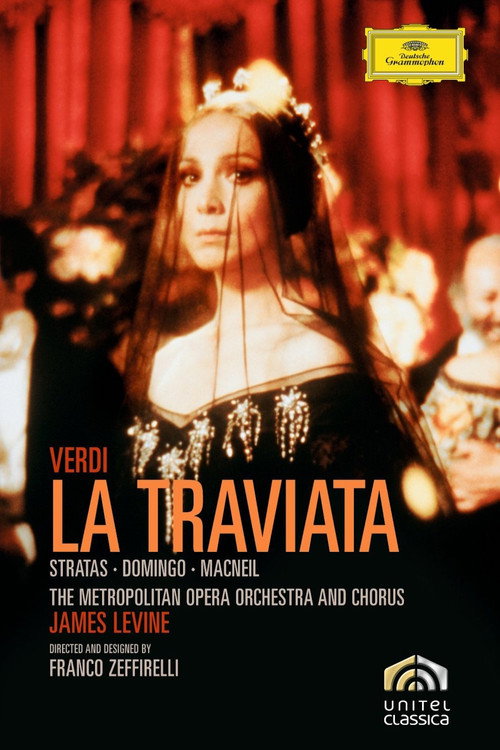
La traviata1982
Franco Zeffirelli's sumptuous operatic romance captures the same lush visual grandeur and tragic romance. Placido Domingo and Teresa Stratas deliver performances of heartbreaking intimacy in this tale of doomed love across class divides.
But If you find 19th-century operatic conventions dramatically creaky, Zeffirelli's reverence for the form won't change your mind. Three hours of longing and loss can feel indulgent.
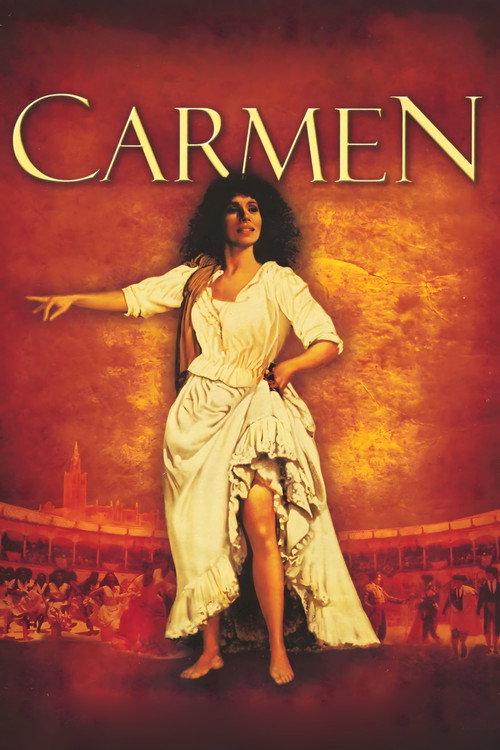
Carmen1984
Another Mitterrand-adjacent jewel: visceral, passionate, and unapologetic about desire and its consequences. Julia Migenes-Johnson is magnetic, and the opera's raw sensuality jumps off the screen with almost dangerous energy.
But The pacing is operatic rather than naturalistic, which means long stretches of pure singing. If you need constant plot movement, you'll fidget.
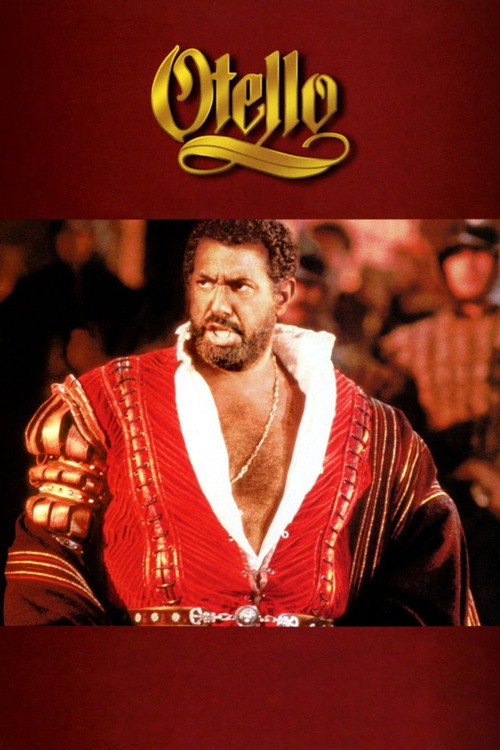
Otello1986
Franco Zeffirelli again, with Plácido Domingo at full force. This is Shakespeare's jealousy tragedy in operatic form—darker and more claustrophobic than Butterfly, but equally devastating in its emotional precision.
But It's punishingly heavy. There's no lightness here, just a man destroying everything he loves. Some find that relentless.
Not sure tonight? Get a pick in a minute, starting from Madame Butterfly
The wildcard
Something you would not have found on your own.
In the Mood for Love2000
Both are about love that cannot be consummated because of circumstance and honour. Both prefer visual beauty and musical accompaniment to conventional dramatic action. Both break your heart quietly.
Wong Kar-wai's aching meditation on desire and restraint—two neighbours slowly discovering they might be in love, but can never act on it. Shot in sumptuous colour and silence, it's Butterfly's emotional core translated into pure cinema. Longing without resolution, beauty without consummation.
But Almost nothing happens. It's a film about the space between words and glances. If you need plot momentum or dialogue, you'll feel like you're watching a music video extended to feature length.

More like this (7)
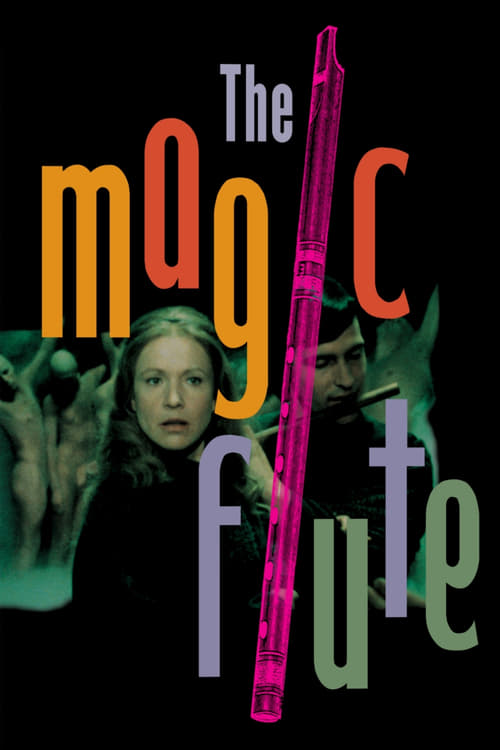
The Magic Flute1975
Ingmar Bergman's wildly inventive film of Mozart's opera is pure cinema—intimate, strange, and visually alive in ways opera on stage can never be. A complete reinvention that trusts the music absolutely.
But It's severely theatrical rather than naturalistic, and Bergman's interpretations are idiosyncratic. If you want a straightforward production, this isn't it.
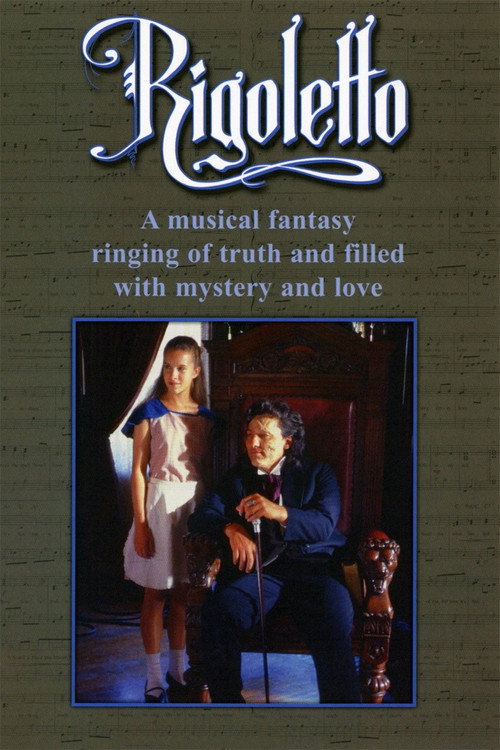
Rigoletto1993
Jean-Pierre Ponnelle's 1993 film has the same painterly elegance and tragic intensity as Butterfly. Luciano Pavarotti in one of his finest roles, exploring fatherhood and powerlessness through Puccini's rival.
But Pavorotti's age shows in his physicality, which can be distracting. The production is ornate to the point of sometimes overwhelming the singers.
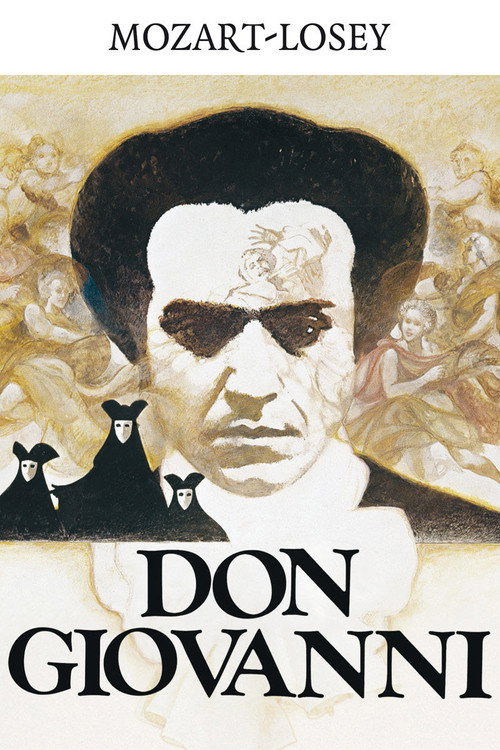
Don Giovanni1979
Joseph Losey's stark, mysterious adaptation plays the opera as moral reckoning rather than romance. The Don's predation is genuinely unsettling, and the film's cool elegance makes the darkness cut deeper.
But It's abstract and slow-paced, with a visual language that feels more like a dark dream than narrative cinema. Patience required; payoff not guaranteed.
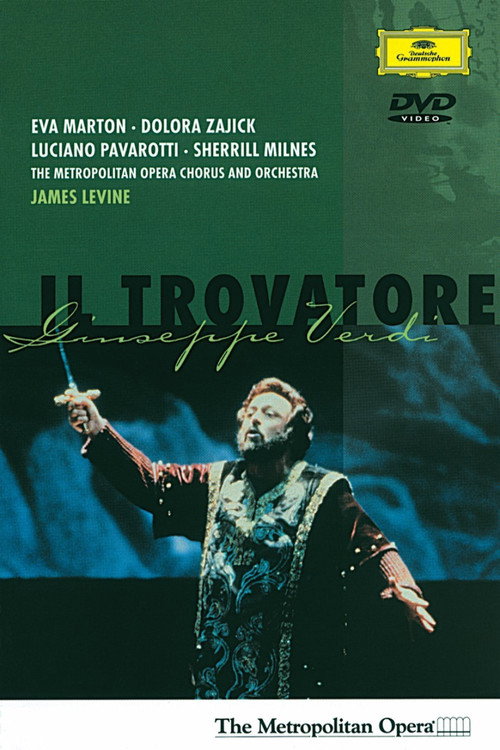
Il Trovatore1988
Puccini's predecessor, but equally operatic and emotionally raw. This film captures the sheer melodramatic force of the score—if you loved Butterfly's music, this is Verdi at maximum intensity.
But The plot is genuinely hard to follow and deeply contrived, even for opera. You'll spend as much time puzzling out what happened as feeling moved by it.
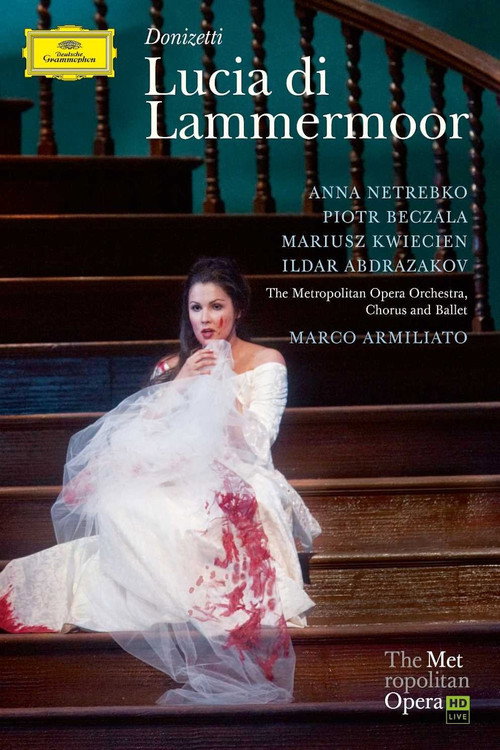
Lucia di Lammermoor2009
Joan Sutherland's final filmed performance is a masterclass in vocal power and operatic storytelling. The mad scene remains the benchmark for dramatic coloratura singing, and the film captures her towering presence.
But Sutherland is elderly here, and while her voice is still extraordinary, her physical presence is a shadow of her earlier years. The production is stiff by modern standards.
Possession1981
Both use formal beauty and heightened emotion to express interior devastation. Both are about love that mutates into something cruel. Both trust the audience to sit with unbearable feeling.
Andrzej Żuławski's baroque nightmare about a marriage dissolving into madness, betrayal, and impossible longing. It's operatic in register—hyperbolic, visceral, unashamed of its own extremity—but expressed through brutal realism rather than formal music.
But It's genuinely disturbing and uses graphic content not for shock value but as emotional language. The pacing is chaotic and the dialogue often shouts. Easy to find unwatchable rather than brilliant.

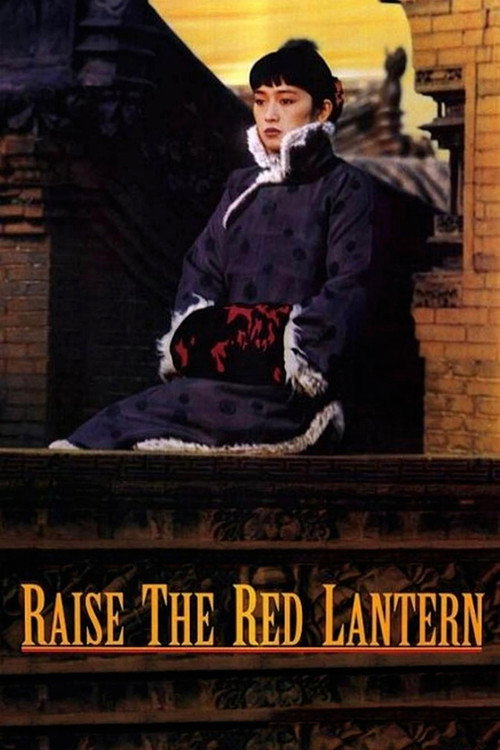
Raise the Red Lantern1991
Both follow a young woman crushed by institutional power (patriarchy, imperialism) that she cannot fight. Both use visual formality—opera's music, cinema's framing—to create distance that makes the tragedy sharper rather than softer.
Zhang Yimou's film about a young woman trapped in a feudal marriage system—visually sumptuous, narratively spare, building toward quiet tragedy. Like Butterfly, it's about a woman's agency destroyed by systems larger than herself, told through color and composition rather than sentiment.
But It's deliberately paced and emotionally austere. The beauty can feel cold. If you need characters to articulate their feelings, the restraint will frustrate you.
People
Cast
 Ying HuangCio-Cio-San
- Richard TroxellLt. Benjamin F. Pinkerton
 Yoshi OidaButterfly's Father
 Ning LiangSuzuki
- Richard CowanSharpless
- Jing Ma FanGoro
- Constance HaumanKate Pinkerton
- Christopheren NomuraPrince Yamadori
- Kusukabe YoUncle Bonze
 Kamel TouatiUncle Yakuside
- Miki-Lou PinardThe Child
- Qing WuImperial Commissary
Directing
- Frédéric MitterrandDirector
Writing
- Ariane AdrianiWriter
- Frédéric MitterrandWriter
- Giuseppe GiacosaWriter
- Luigi IllicaWriter
Production
- Isabelle PartiotCasting
- Daniel Toscan du PlantierProducer
- Pierre-Olivier BardetProducer
Recommended by
Anna and the King of Siam, Testament of Orpheus, Tosca, The Bitter Tea of General Yen, Carmen