
Film
Testament of Orpheus
- Mythological fantasy
- Mystery
- Strange
- Slow-burning
Cocteau's final masterwork is a dreamy, deliberately obscure meditation on art, mortality, and the artist's place in the world. Shot in crisp black-and-white, it's less narrative than fever dream—a poet adrift in time, conversing with ghosts and symbolic figures about beauty and meaning. Demands patience and rewards surrender. For those who prize atmosphere and mystery over plot.
Should you watch it?
Watch it if you love art films that treat the artist himself as the subject, happily chasing a dream-logic where poems, mirrors and classical myth swap places without explaining themselves.
Skip it if you need a story with a spine, because this drifts from one symbolic encounter to the next and shifting meanings can feel more like a lecture than a plot.
What it asks of you: Eighty minutes, but a slow, hushed kind of attention: long stretches of stillness and formal oddity, with little to grab onto and no urgency to keep up.
Not sure? Find tonight's pick in a minute.
If you liked this
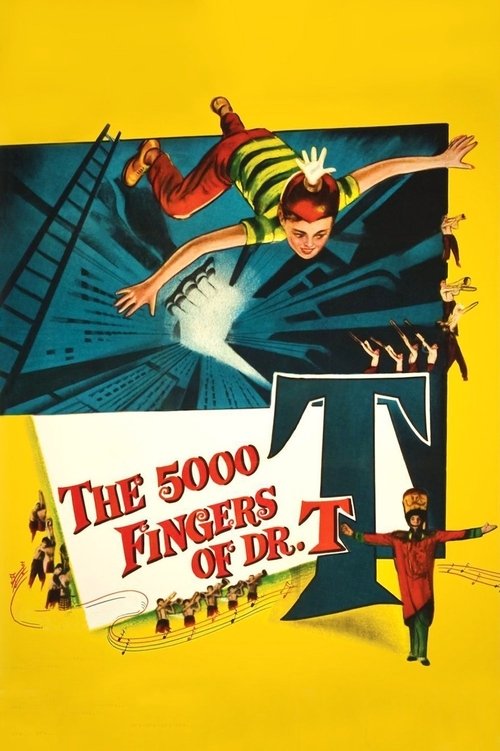
The 5,000 Fingers of Dr. T.1953
A surrealist children's film by Dr. Seuss that shares Cocteau's appetite for dreamlike logic and symbolic grotesquerie. Visually sumptuous, entirely its own thing, and offers similar pleasures without requiring a film studies degree.
But It's aggressively weird and the plot is genuinely thin. Some will find it precious rather than profound.
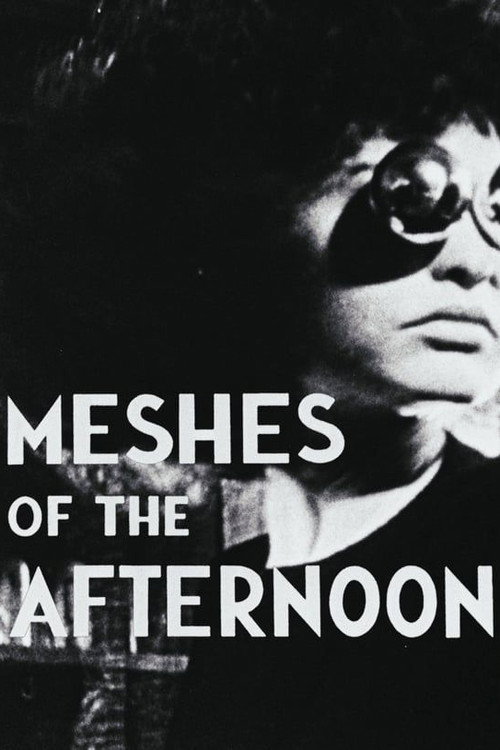
Meshes of the Afternoon1943
Maya Deren's 14-minute experimental film about recursion and desire, shot with the same commitment to visual poetry and enigma. A hypnotic mirror to Orpheus—shorter but equally demanding of active watching.
But Experimental cinema from 1943. If you're expecting narrative clarity or conventional beauty, you'll be frustrated. Some find it genuinely impenetrable.
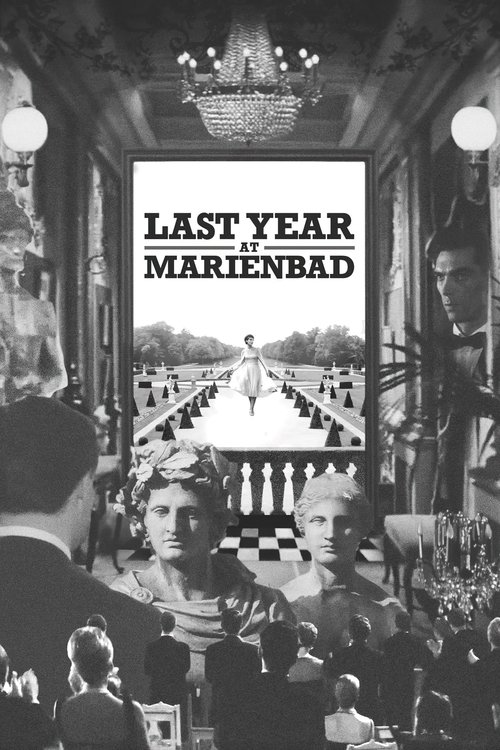
Last Year at Marienbad1961
Robbe-Grillet and Resnais made this labyrinthine puzzle box about memory and time that runs on similar fuel—ornate cinematography, refusal to explain itself, the pleasure of confusion itself as the point.
But It's deliberately resistant to interpretation and some find it cold or pretentious. The narrative ambiguity will frustrate anyone wanting solid ground.
Not sure tonight? Get a pick in a minute, starting from Testament of Orpheus
The wildcard
Something you would not have found on your own.
Contempt1963
Both are artists' films *about* art, using myth and symbolism to interrogate the price of beauty in a world that doesn't always want it.
Godard's Homeric riff on filmmaking as a marriage between art and commerce literally falling apart. Contempt makes art-making itself the subject in almost the same way Orpheus does—less mystical but equally philosophical about whether beauty can survive the world's indifference.
But It's as much essay-film as narrative, and Godard's distancing techniques mean you'll never be emotionally invested in the characters' fate. Long passages of the couple driving through Italy, discussing meaning.

More like this (8)
The Night of the Hunter1955
Charles Laughton's only directorial effort—a nightmare fable in black-and-white with an almost Cocteau-like commitment to visual abstraction over realism. Menacing, poetic, unforgettable.
But The pacing is glacial by modern standards and some scenes feel more like paintings than drama. Robert Mitchum's performance is magnificent but utterly unsubtle.

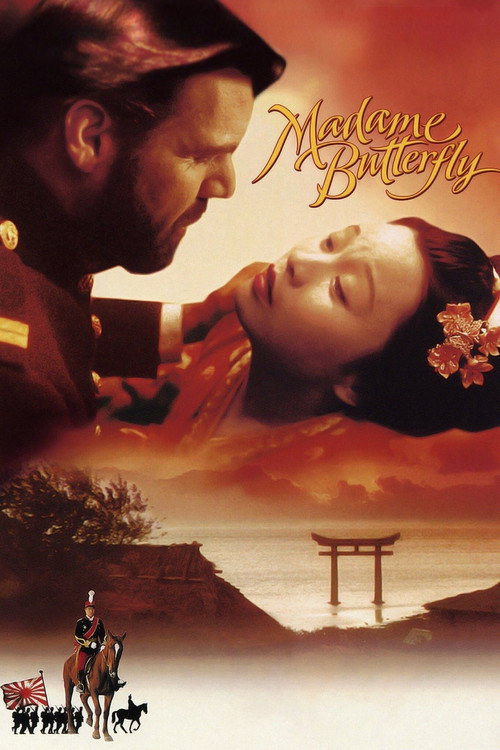
Madame Butterfly1995
Frederic Mitterand's meditative film-essay on the myth itself, on artifice and authenticity and the beautiful lies at the heart of art. Shares Cocteau's fascination with ritual and transformation.
But It's more essay than story, more visual reverie than plot. Very slow, very French, very much in love with its own refinement.
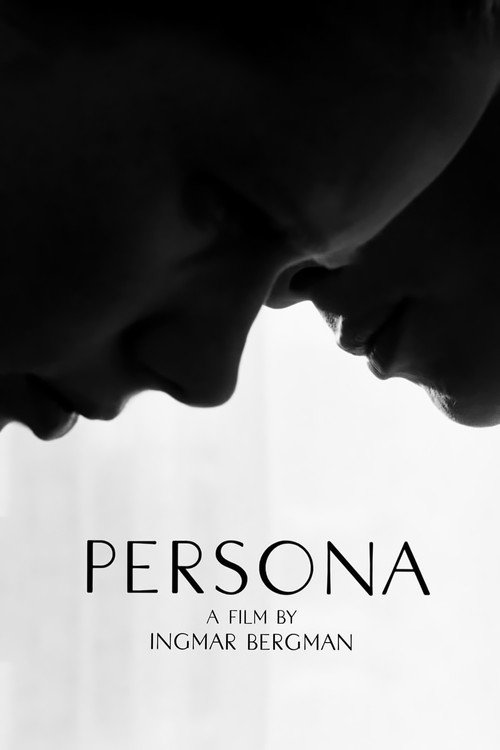
Persona1966
Bergman's profound exploration of identity and performance, two women and the mysteries between them. Dense, beautiful, and genuinely about the inexplicable nature of art and self.
But Glacially paced psychological drama with sustained close-ups that verge on the unbearable. The symbolism can feel heavy-handed, and answers are withheld completely.
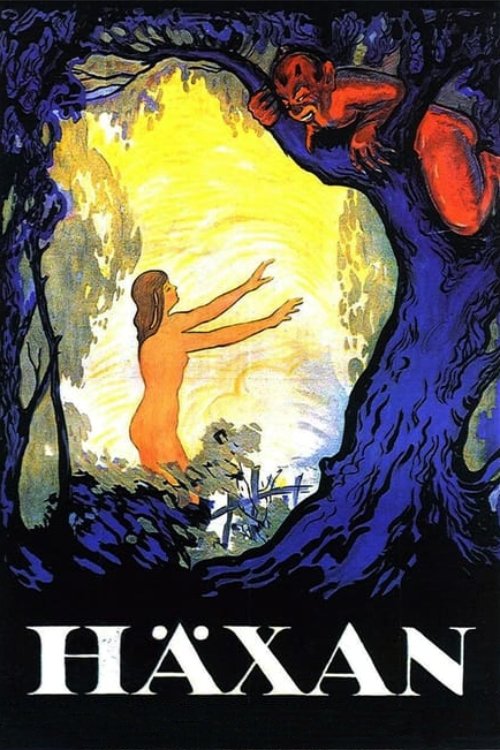
Häxan1922
Christensen's phantasmagoric documentary-fantasy hybrid about witchcraft and hysteria—genuinely eerie, visually baroque, and operating in that same space between history, myth, and the director's imagination.
But It's nearly 90 minutes of unmotivated image-making and the narrative (such as it is) meanders. The silent-film-era acting can feel stilted to modern viewers.
The Holy Mountain1973
Jodorowsky's maximalist fever dream about initiation and enlightenment. Visually overwhelming, symbolically dense, gloriously unconcerned with commercial cinema. A genuine equivalent to Orpheus in ambition and weirdness.
But Graphic sexual violence, animal death, abrupt tonal shifts, and not one frame that isn't aggressively strange. Genuinely disturbing and unapologetic about it.

Synecdoche, New York2008
Kaufman's labyrinthine film about an artist constructing a massive simulacrum of reality within a warehouse. Like Testament, it's about the artist's obsession with capturing truth through artifice and the self-consuming nature of that hunger.
But Narratively baroque to the point of losing viewers entirely. Some will find it solipsistic and exhausting rather than profound.

The Leopard1963
Both films use a protagonist out of step with their time—Cocteau's poet adrift, Visconti's prince—to examine how art and meaning survive the forward march of history.
Visconti's rapturous epic of a Sicily aristocrat watching his world dissolve. Operatic rather than dreamlike, but shares Orpheus's meditation on time, mortality, the impossibility of holding beauty still. A masterpiece of visual poetry that rewards the same patient attention.
But At 205 minutes, it's a commitment. Many restored versions still suffer from cropping that truncates Visconti's carefully composed frames. Its meditation on decay is relentless.

Chungking Express1994
Both directors use the camera not as a window into story but as a way of *seeing*—beauty, emotion, and meaning generated through form rather than plot.
Wong Kar-wai's kaleidoscopic two-part film about loneliness and chance, all neon-soaked aesthetics and melancholy. While opposite in tone—playful where Cocteau is grave—it shares the same commitment to visual beauty as *the* subject, and the same belief that cinema can capture the invisible.
But The narrative is fragmented and oblique. Some find the visual style overwhelming, prioritized over emotional coherence. The second half is notably less assured than the first.

People
Cast
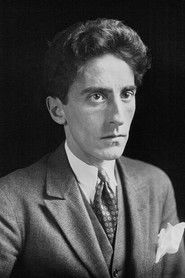 Jean CocteauLe poète
 Édouard DermitheCégeste(non crédité)
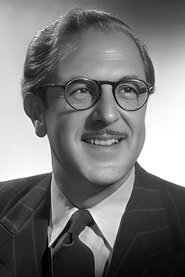 Henri CrémieuxLe professeur(non crédité)
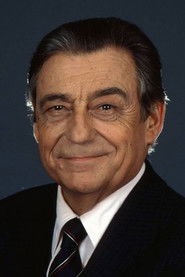 François PérierHeurtebise(non crédité)
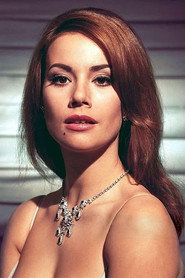 Claudine AugerMinerve (non crédité)
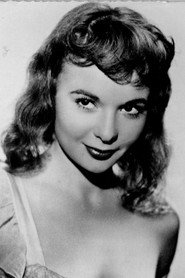 Françoise ArnoulElle-même (non crédité)
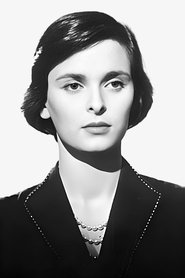 Lucia BosèUne amie d'Orphée(non crédité)
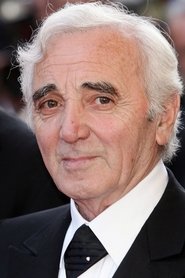 Charles AznavourLe Curieux(non crédité)
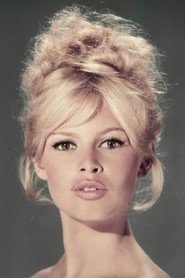 Brigitte BardotElle-même (non crédité)
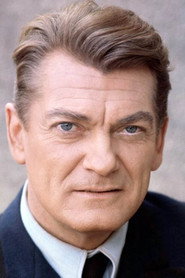 Jean MaraisOedipe
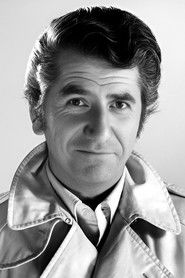 Daniel GélinL'interne (non crédité)
- Françoise ChristopheL'infirmière (non crédité)
Directing
- Francis CaillaudAssistant Director
- Jean CocteauDirector
Writing
- Jean CocteauWriter
Production
- François TruffautAssociate Producer
- Jean ThuillierProducer
- Irénée LericheProduction Manager
- Michel MombaillyUnit Manager