
Film
The 5,000 Fingers of Dr. T.
A 1953 musical fantasy about a boy who dreams himself into an elaborate underground castle where a tyrannical piano teacher has enslaved five thousand children. Visually baroque and architecturally impossible, it's pure imagination given form—surreal, musically inventive, and genuinely weird in ways that feel earnest rather than calculated. For anyone who loves cinema that looks like nothing else.
Should you watch it?
Watch it if you relish giddy, lopsided fantasy where dream logic runs riot, a child's grievance becomes a bizarre stage show, and the pleasure is in the strangeness rather than the plot.
Skip it if its dreamlike wandering can feel repetitive and thin on story, so if you need characters to grow or stakes to build, it will likely frustrate.
What it asks of you: Under ninety minutes, it moves in brisk bursts of eccentric set pieces, lightly dark in a cartoon way, and it rewards a little patience with its odd rhythms.
Not sure? Find tonight's pick in a minute.
If you liked this
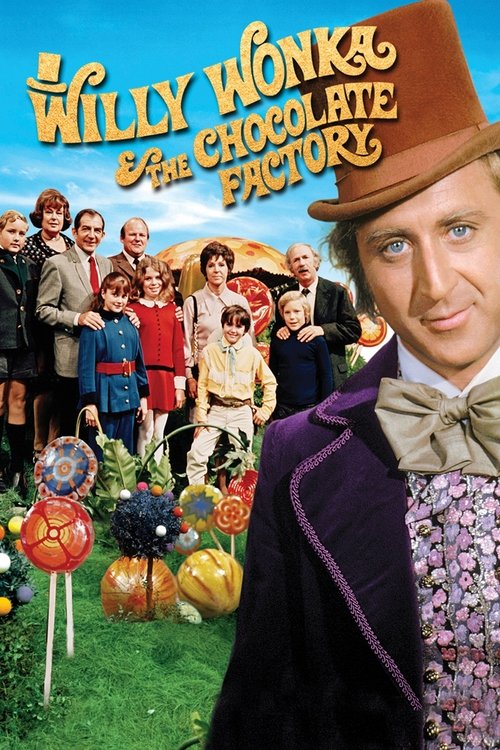
Willy Wonka & the Chocolate Factory1971
A similar descent into a fantastical world presided over by an eccentric authority figure, with production design that prioritizes visual strangeness over realism. Same spirit of theatrical excess.
But The pacing is languid and the humor is gentle; if you want plot momentum or comedy that lands hard, this will feel slow.
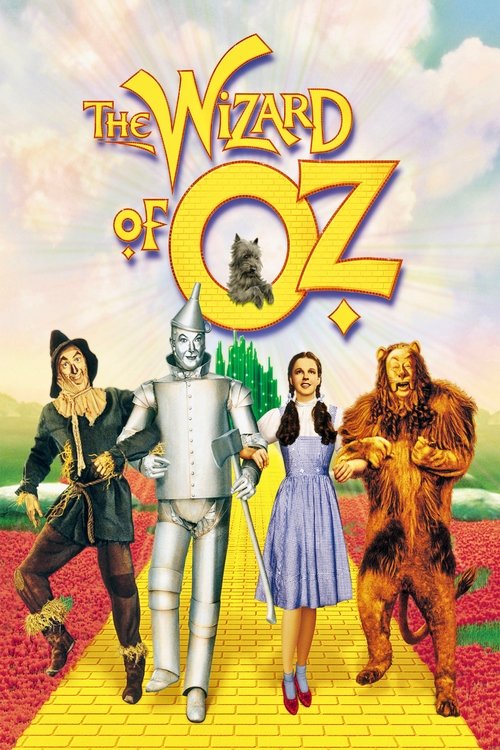
The Wizard of Oz1939
A dream-logic narrative with gorgeous set design, musical numbers that advance character, and a child protagonist navigating a world that's both threatening and wondrous. The template this film was born from.
But It's revered as family viewing, which can make it feel dusty before you watch it. Some of the supporting characters are broad to the point of discomfort.
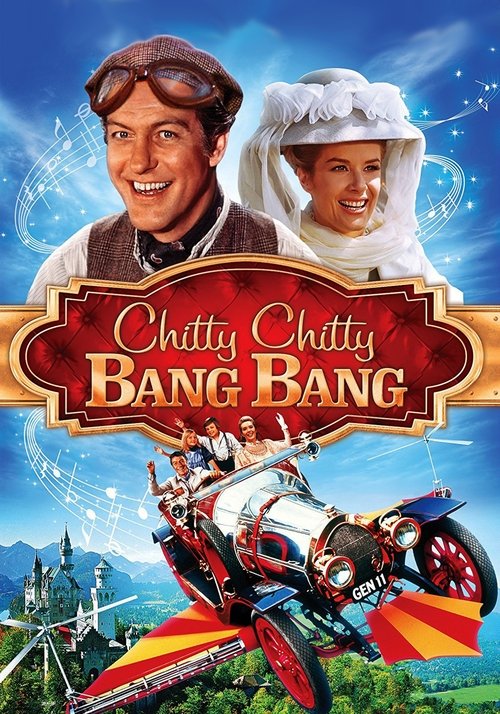
Chitty Chitty Bang Bang1968
A musical with deliberately artificial sets, whimsical logic, and a similar confidence that spectacle and strangeness are entertainment enough. Equally committed to its own weirdness.
But It's 144 minutes long, which tests patience. The tone veers unpredictably between dark and saccharine.
Not sure tonight? Get a pick in a minute, starting from The 5,000 Fingers of Dr. T.
The wildcard
Something you would not have found on your own.
Synecdoche, New York2008
Both are surrealist explorations of control and obsession expressed through impossible architecture—a space that reflects a mind.
Charlie Kaufman's film about a theater director building an increasingly elaborate replica of reality inside a warehouse—a dream-logic landscape that's also a descent into obsession and control. Both films treat spatial impossibility as internal geography.
But It's abstract, three hours long, and deliberately withholding. You'll leave uncertain whether you understood it, which is deliberate and some find maddening.

More like this (8)
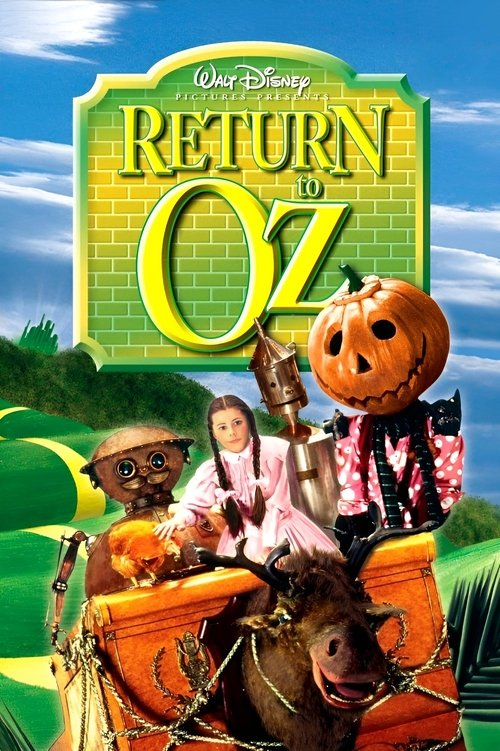
Return to Oz1985
A surreal sequel that treats a familiar fantasy world with genuinely unsettling production design. Dream logic applied to nightmare imagery—architectural and deeply strange.
But It's darker and more disturbing than you'd expect from a family film. Children find it genuinely frightening, and it's worth taking that seriously.
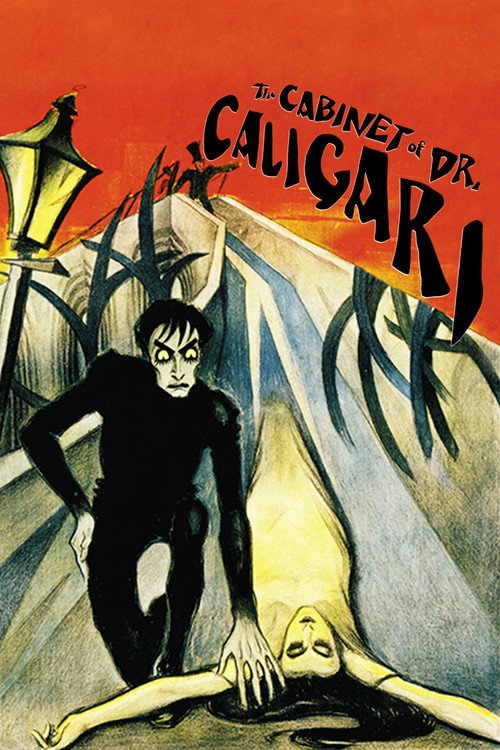
The Cabinet of Dr. Caligari1920
German Expressionist cinema about a charismatic madman and his asylum—the visual prototype for the kinds of warped architecture Dr. T. uses. High-contrast, psychologically unmoored, utterly distinctive.
But It's silent, nearly a century old, and its pacing assumes viewers accustomed to silent film rhythm. The misogyny is sharp and unironic.
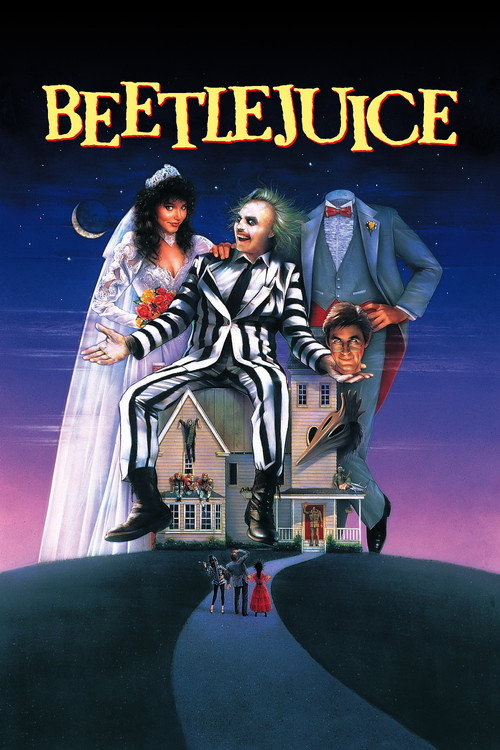
Beetlejuice1988
Tim Burton's embrace of production design as the main character, with theatrical villainy and a protagonist trapped in a supernatural realm's logic. Similar commitment to making the unreal look lived-in.
But It's far more interested in cool visuals than narrative coherence. If plot matters to you, you'll spend the runtime frustrated.
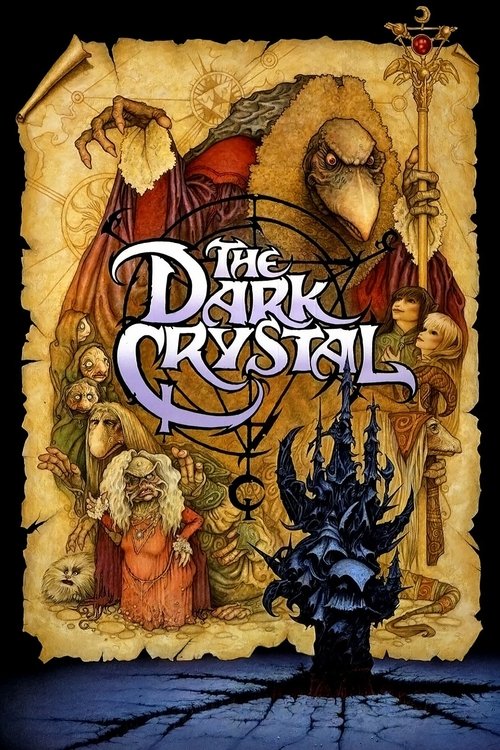
The Dark Crystal1982
Elaborate, handmade fantasy with no dialogue for stretches, where the world itself is stranger and more important than conventional storytelling. Pure imagination made physical.
But The creature design is intentionally unsettling and the pacing is glacial. It rewards patience and rewards it quietly.
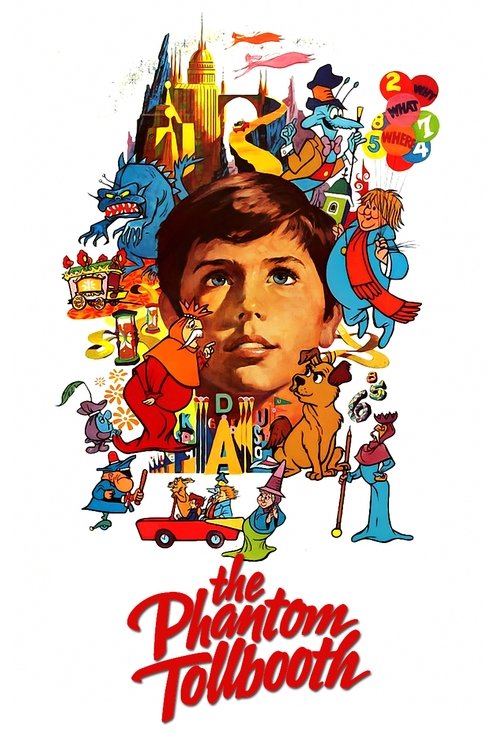
The Phantom Tollbooth1970
Another adaptation of a beloved children's book into something visually baroque and linguistically playful. Dream-logic and architectural impossibility in service of teaching meaning through strangeness.
But It's didactic—the journey is a lesson, and the film doesn't hide that. Feels dated in ways that might distance you from it.
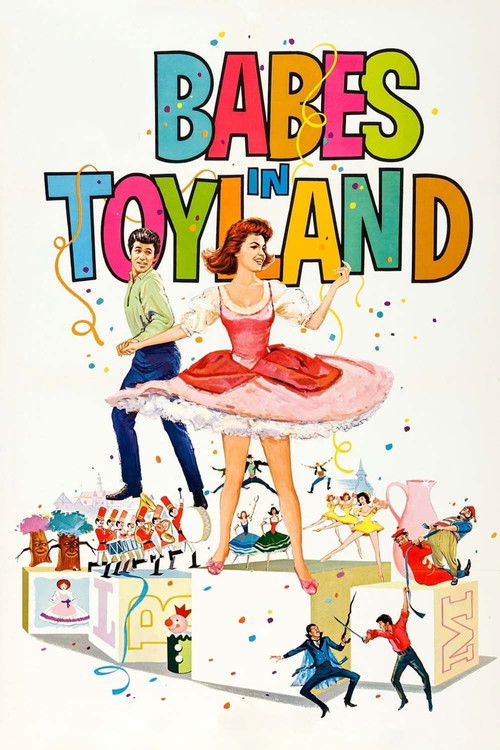
Babes in Toyland1961
A musical with similarly lurid Technicolor and theatrical set design, about children in a fantastical realm. Commitment to production spectacle over narrative inevitability.
But It's slight, overly theatrical, and relies on a kind of cuteness that hasn't aged well. The plot barely exists as scaffolding for set pieces.
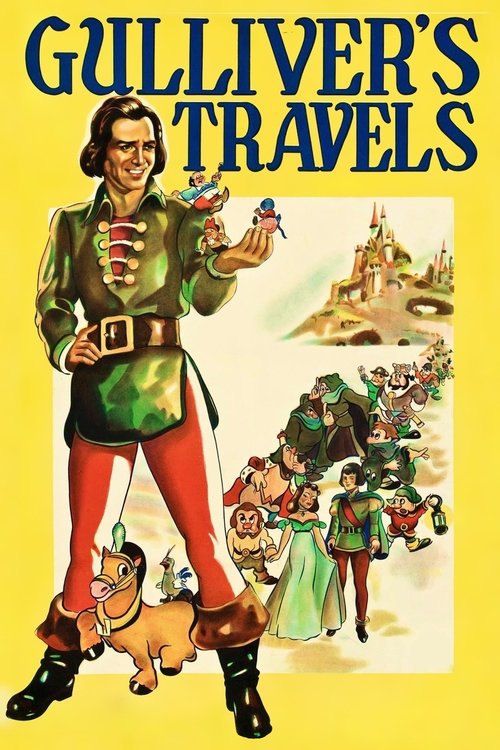
Gulliver's Travels1939
Both are pre-CGI attempts to visualize the impossible as cinema—a fantasy that had to be physically constructed or meticulously drawn.
A 1939 Fleischer Studios animated feature with rotoscoped characters moving through hand-drawn worlds of architectural strangeness. Musicals and impossible spaces, made by animators dreaming in ink.
But It's animation from 1939, which means it's jittery and the color palette is acidic. Early animation syntax feels alien to modern viewers.
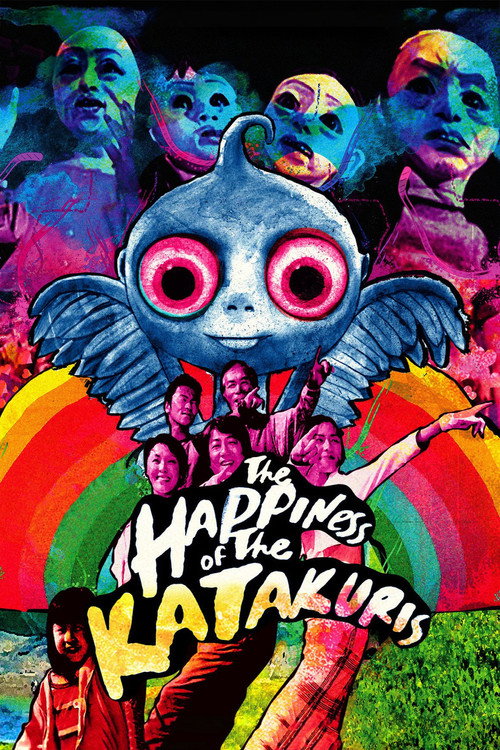
The Happiness of the Katakuris2002
Both films embrace total tonal instability and musical numbers as emotional truth rather than entertainment. Both treat the fantastical and the disturbing as adjacent.
A Japanese film about a family running a mountain inn where guests mysteriously die, told through shifts between live action and musical numbers. Whimsy, tragedy, and surrealism tangled together; tone that refuses to settle.
But The tonal shifts are jarring and intentional—you'll find yourself laughing at scenes designed to be slightly horrifying. It's not interested in comfort.
People
Cast
 Peter Lind HayesAugust Zabladowski
 Mary HealyHeloise Collins
 Hans ConriedDr. Terwilliker
 Tommy RettigBartholomew Collins
 Noel CravatSgt. Lunk
- Robert HeasleyUncle Judson
- Jack HeasleyUncle Whitney
 George ChakirisDancer
- Alan AricElevator Operator (uncredited)
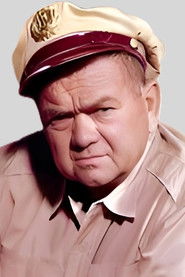 Henry KulkyStroogo (uncredited)
- Tony ButalaBoy Pianist (uncredited)
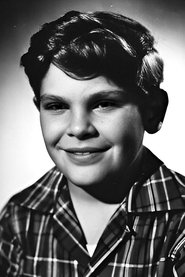 Kim CharneyKim - Boy in Line (uncredited)
Directing
- Roy RowlandDirector
Writing
- Dr. SeussLyricist
- Allan ScottScreenplay
- Dr. SeussScreenplay
- Dr. SeussStory
Production
- Stanley KramerProducer
- Clem BeauchampProduction Manager
Recommended by
Shazam!, Bedknobs and Broomsticks, Those Magnificent Men in Their Flying Machines or How I Flew from London to Paris in 25 Hours 11 Minutes, Doctor Dolittle, Film Socialisme, Testament of Orpheus, The Blue Bird, Babes in Toyland, Holy Man, Brewster McCloud, Deep in My Heart, Captain Sindbad, Jules Verne's Rocket to the Moon, Penrod and Sam, Darby O'Gill and the Little People, The Gnome-Mobile, The Private Lives of Adam and Eve, The Adventures of Tom Sawyer, Donkey Skin, Hercules in New York, The New Adventures of Pippi Longstocking, Strawberry Shortcake and the Baby Without a Name, Delirious, Emil and the Detectives, It Happened at the World's Fair, Come Play with Me, Mr. Arkadin, Arabian Nights